Introduction
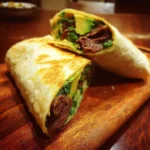
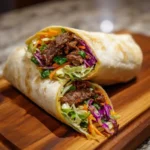
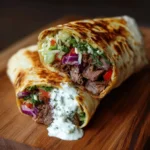
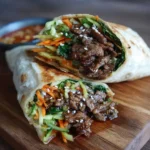
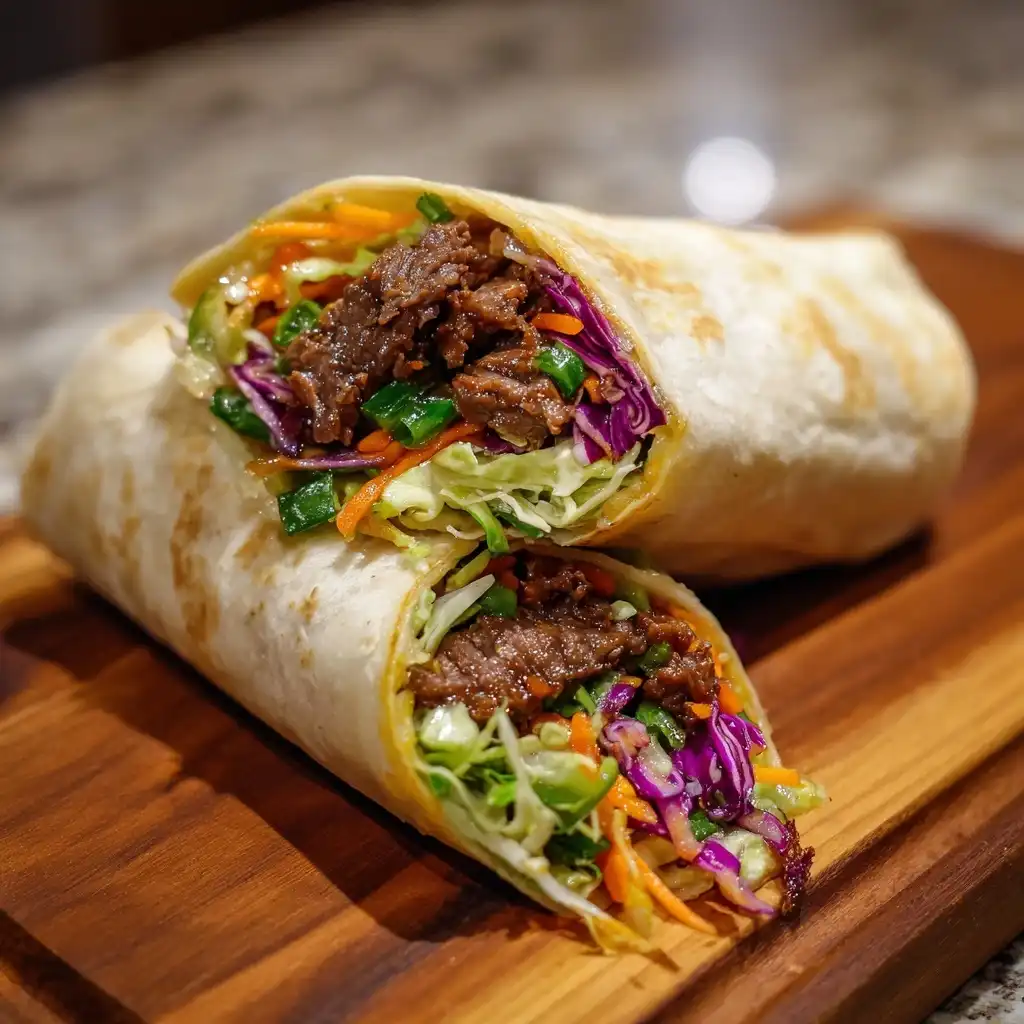
Spicy Szechuan Beef Wrap is a bold, vibrant fusion dish that marries the fiery complexity of authentic Szechuan cuisine with the convenient, handheld appeal of a modern wrap. Unlike traditional rice bowls or stir-fry plates, this wrap transforms tender strips of marinated beef, loaded with numbing Sichuan peppercorns, fermented black beans, chili oil, and aromatic garlic-ginger sauce, into a portable, texturally rich meal wrapped in soft, pliable tortillas or scallion pancakes. It’s designed for food lovers who crave deep umami, layered heat, and contrasting crunch — all in one satisfying bite. Whether served as a weeknight dinner, a gourmet lunchbox staple, or an impressive appetizer at gatherings, the Spicy Szechuan Beef Wrap bridges East and West without compromising authenticity or flavor integrity.
The History
The origins of the Spicy Szechuan Beef Wrap lie not in ancient Sichuan province—but in the dynamic evolution of global street food culture over the past three decades. Szechuan (or Sichuan) cuisine itself hails from China’s southwestern Sichuan Basin, renowned since the Han Dynasty (206 BCE–220 CE) for its liberal use of native Sichuan peppercorns (Xanthoxylum bungeanum), which produce a distinctive tingling, citrusy “ma la” (numbing-spicy) sensation. During the Ming and Qing dynasties, the region’s trade routes brought chilies from the Americas—integrated so thoroughly they’re now considered indigenous to Sichuan cooking. Classic dishes like Mapo Tofu, Kung Pao Chicken, and Twice-Cooked Pork laid the foundation for bold, aromatic, and deeply spiced preparations. The “wrap” format, however, emerged much later: inspired by Mexican burritos, Vietnamese bánh mì, and Korean kimbap, chefs and home cooks in North America and urban Asia began reimagining regional proteins and sauces in portable formats during the 2000s food-truck boom. The Spicy Szechuan Beef Wrap crystallized around 2012–2015, appearing on menus in cities like Los Angeles, Toronto, and Singapore—where Chinese immigrant communities collaborated with Latin American and Southeast Asian vendors to create hybrid street fare. Its rise was accelerated by social media, where vibrant photos of glossy, sesame-studded wraps oozing chili oil and garnished with pickled vegetables went viral under hashtags like #SzechuanWrap and #MaLaOnTheGo.
Ingredients Breakdown
Every component of the Spicy Szechuan Beef Wrap serves a precise culinary purpose—balancing heat, aroma, texture, and temperature:
- Beef: Flank steak or skirt steak is preferred for its intense beefy flavor and ability to absorb marinade; thinly sliced against the grain ensures tenderness after quick cooking.
- Sichuan Peppercorns: Toasted and ground, they deliver the signature “ma” (tingling numbness); never substituted with black or white pepper—they are botanically unrelated and irreplaceable for authentic ma la.
- Doubanjiang (Sichuan Chili Bean Paste): A fermented condiment made from broad beans, soybeans, chilies, and salt—aged for 6–12 months. It provides deep umami, earthy funk, and slow-building heat. Look for Pixian-brand doubanjiang for authenticity.
- Chili Oil with Sediment (Là Jiāo Yóu): Not just infused oil—this includes crushed chilies, roasted Sichuan peppercorns, and toasted sesame seeds suspended in fragrant rapeseed or peanut oil. The sediment carries most of the flavor and capsaicin.
- Fermented Black Beans (Douchi): Salted and aged black soybeans that add profound savoriness and a slightly funky depth—rinsed lightly before use to control saltiness.
- Garlic & Ginger: Freshly grated—not powdered—to release volatile oils that amplify aroma and cut through richness.
- Rice Vinegar & Shaoxing Wine: Acid and alcohol work synergistically to tenderize meat and lift heaviness; Shaoxing adds caramelized sweetness and complexity.
- Wrapping Medium: Options include: (a) Soft wheat tortillas (lightly grilled for pliability and char), (b) Scallion Pancakes (Cong You Bing) (homemade or artisanal—crispy outside, chewy inside), or (c) Blanched lettuce cups (for low-carb/keto adaptation).
- Crunch Elements: Toasted peanuts or cashews, quick-pickled daikon radish, julienned cucumber, and blanched snow peas add structural contrast and cooling relief.
- Garnishes: Thinly sliced Fresno or facing-heaven chilies, micro cilantro, toasted sesame seeds, and a final drizzle of chili crisp or zhá jiàng (fried shallot–chili oil).
Step-by-Step Recipe
- Marinate the Beef (30 min–2 hrs): In a non-reactive bowl, combine 1 lb thinly sliced flank steak with 1 tbsp Shaoxing wine, 1 tbsp light soy sauce, 1 tsp cornstarch, 1 tsp grated ginger, 1 tsp minced garlic, ½ tsp white pepper, and 1 tsp sesame oil. Massage gently and refrigerate covered.
- Prepare Aromatics & Sauce Base: Toast 1 tbsp whole Sichuan peppercorns in a dry wok over medium-low heat until fragrant (90 seconds). Grind coarsely. Separately, finely mince 4 cloves garlic and 1-inch knob ginger. Combine 2 tbsp doubanjiang, 1 tbsp fermented black beans (rinsed and roughly chopped), 1 tsp ground Sichuan pepper, 1 tbsp chili oil (with sediment), 1 tsp rice vinegar, and 1 tsp brown sugar into a paste.
- Quick-Blanch Vegetables (Optional but Recommended): Bring salted water to boil. Blanch 1 cup julienned snow peas and ½ cup shredded cabbage for 45 seconds. Shock in ice water, drain, and pat dry.
- Stir-Fry the Beef: Heat 2 tbsp neutral oil (peanut or grapeseed) in a seasoned wok or heavy-bottomed skillet over high heat until smoking. Add marinated beef in a single layer—do not stir for 30 seconds to sear. Flip and cook 1–1.5 minutes until 80% cooked. Remove and set aside.
- Bloom the Sauce: Reduce heat to medium. Add 1 tbsp more oil, then the garlic-ginger-doubanjiang mixture. Stir constantly for 60–90 seconds until oil reddens and aroma blooms—do not burn. Add ¼ cup chicken or beef stock (low-sodium) and simmer 1 minute to meld flavors.
- Combine & Finish: Return beef to wok. Add blanched vegetables and 1 tbsp chopped scallions. Toss vigorously over high heat for 1 minute until glossy and evenly coated. Off heat, stir in 1 tsp sesame oil and 1 tbsp fresh cilantro.
- Warm Wraps: Lightly grill or dry-toast tortillas or scallion pancakes (15–20 sec per side) until warm and pliable. For lettuce cups, rinse leaves in cold water and spin dry.
- Assemble: Spread 1 tsp chili crisp on center of wrap. Add ¾ cup beef mixture. Top with 2 tbsp pickled daikon, 1 tbsp toasted peanuts, 3–4 cucumber ribbons, and a sprinkle of micro cilantro. Fold sides inward, then roll tightly from bottom up. Secure with parchment paper or foil if serving to-go.
Tips
- Knife Skills Matter: Freeze flank steak for 20–30 minutes before slicing—it firms up the muscle fibers, allowing paper-thin, even cuts against the grain.
- Wok Hei Is Key: High heat + minimal moisture + constant motion = that elusive “breath of the wok.” If your stove lacks BTU power, preheat wok longer and avoid overcrowding.
- Control the Ma La: For milder heat, reduce Sichuan peppercorns by 30% and add them at the end as garnish instead of blooming them in oil.
- Double-Dip Marinade Safety: Never reuse raw meat marinade. Reserve 1 tbsp before adding beef—or make extra sauce separately for finishing.
- Wrap Integrity Hack: Brush tortilla edges with beaten egg white before rolling—it acts as natural glue and prevents unrolling.
- Make-Ahead Friendly: Marinated beef keeps 2 days refrigerated; sauce base lasts 1 week in fridge (covered); pickled daikon lasts 3 weeks. Assemble only when serving.
- Reheating Without Sogginess: Reheat filling in wok or cast iron—never microwave wrapped. Refresh tortillas separately on a hot griddle for 10 seconds per side.
- Authenticity Note: Traditional Sichuan cooking uses rapeseed oil—not olive or canola. Its high smoke point and nutty profile are integral to the dish’s mouthfeel and aroma.
Variations and Customizations
This recipe is inherently adaptable—here are 12 thoughtfully curated variations, each preserving the core ma la essence while honoring dietary needs, regional preferences, or seasonal availability:
- Vegan Szechuan “Beef” Wrap: Substitute thinly sliced king oyster mushrooms or seitan strips. Marinate in tamari, maple syrup, smoked paprika, and liquid smoke. Use mushroom-based “doubanjiang” (fermented shiitake bean paste) and coconut aminos instead of fish sauce.
- Low-Carb/Keto Version: Replace tortillas with butter lettuce cups or nori sheets. Increase healthy fats: add avocado slices, macadamia nuts, and extra chili oil. Skip cornstarch in marinade; use xanthan gum slurry (¼ tsp per cup) for cling.
- Seafood Szechuan Wrap: Swap beef for shrimp or scallops. Reduce stir-fry time to 90 seconds total. Add dried shrimp powder to sauce for deeper oceanic umami.
- Breakfast Szechuan Wrap: Add soft-scrambled eggs folded into warm filling. Include pickled mustard greens and a yolk-rich aioli infused with Sichuan peppercorn oil.
- Smoky BBQ-Szechuan Hybrid: Incorporate 1 tsp chipotle powder and ½ tsp smoked sea salt into marinade. Finish with charred corn relish and crumbled queso fresco.
- Thai-Inspired Fusion: Replace Shaoxing with Thai fish sauce and palm sugar. Add kaffir lime leaf slivers and crushed roasted peanuts. Garnish with Thai basil instead of cilantro.
- Winter Root Vegetable Wrap: Roast cubed lotus root, taro, and sweet potato; toss with warm beef and black vinegar glaze. Adds earthy sweetness to balance heat.
- Gluten-Free Certified: Use tamari-based doubanjiang (check labels), gluten-free cornstarch, and certified GF tortillas (e.g., cassava + coconut flour blend). Avoid regular soy sauce entirely.
- “Deconstructed” Plated Version: Serve components family-style: warm tortillas, chilled pickles, crispy noodles, herb platter, and saucy beef in center—let guests assemble their own.
- Brunch Szechuan Benedict Wrap: Top warm wrap with poached eggs and a Szechuan hollandaise (infused with chili oil and ground peppercorns).
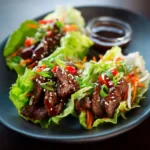
- Spicy Szechuan Lettuce Cups (Appetizer Size): Scale filling down to ¼ cup per butter lettuce leaf. Garnish with pomegranate arils for sweet-tart contrast.
- Regional Sichuan Substitutions: In Chengdu, use Pixian doubanjiang and add preserved mustard tuber (zha cai); in Chongqing, increase chili oil by 50% and include boiled pig intestine (optional, for adventurous eaters).
Health Considerations and Nutritional Value
A single standard Spicy Szechuan Beef Wrap (1 large 10-inch tortilla, 4 oz beef, ½ cup veggies, 1 tbsp chili oil, toppings) contains approximately:
- Calories: 520–580 kcal
- Protein: 34–38 g (high-quality complete protein from beef; supports muscle synthesis and satiety)
- Fat: 28–32 g (predominantly monounsaturated from chili oil and peanuts; includes beneficial omega-6 in balanced ratio with omega-3 when paired with greens)
- Carbohydrates: 32–36 g (mostly complex carbs from whole-grain tortilla or scallion pancake; fiber ~5g from vegetables and fermented beans)
- Sodium: 720–890 mg (moderate—lower than takeout equivalents due to controlled use of fermented seasonings; easily reduced by rinsing black beans thoroughly and using low-sodium soy)
- Vitamins & Minerals: Rich in iron (beef), vitamin C (cucumber, daikon, bell peppers), B12 (beef), selenium (Brazil nuts optional), and gut-supportive probiotics from fermented doubanjiang and pickled vegetables.
Functional Health Highlights:
- Sichuan Peppercorns: Contain hydroxy-alpha-sanshool, shown in clinical studies (Journal of Ethnopharmacology, 2021) to modulate TRPV1 and ASIC3 receptors—offering natural analgesic and anti-inflammatory effects.
- Fermented Black Beans: Provide bioactive peptides with ACE-inhibitory activity, supporting healthy blood pressure (Food Chemistry, 2020).
- Chili Oil Capsaicin: Enhances thermogenesis and fat oxidation; may improve insulin sensitivity with regular consumption (American Journal of Clinical Nutrition, 2022).
- Cautions: Those with GERD or IBS may experience flare-ups from capsaicin and fermentables—opt for reduced chili oil and omit black beans initially. Always consult a healthcare provider before major dietary changes.
Ingredients
Makes 4 large wraps (serves 4)
- 1 lb flank steak or skirt steak, frozen 20 minutes, then sliced paper-thin against the grain
- 1 tbsp Shaoxing wine (or dry sherry)
- 1 tbsp light soy sauce (or tamari for GF)
- 1 tsp cornstarch
- 1 tsp grated fresh ginger
- 1 tsp minced garlic
- ½ tsp white pepper
- 1 tsp toasted sesame oil
- 2 tbsp neutral oil (peanut or grapeseed), divided
- 1 tbsp Pixian doubanjiang (Sichuan chili bean paste)
- 1 tbsp fermented black beans (douchi), rinsed and roughly chopped
- 1 tbsp whole Sichuan peppercorns, toasted and coarsely ground
- 1 tbsp chili oil with sediment (homemade or reputable brand like Lee Kum Kee)
- 1 tsp rice vinegar
- 1 tsp brown sugar or coconut sugar
- ¼ cup low-sodium chicken or beef stock
- 1 cup julienned snow peas
- ½ cup shredded napa cabbage or bok choy
- 4 large soft wheat tortillas (8–10 inch) or 4 homemade scallion pancakes
- ½ cup quick-pickled daikon (see note below)
- ¼ cup roasted unsalted peanuts or cashews
- ½ English cucumber, julienned
- 3 green onions, thinly sliced
- 2 tbsp fresh cilantro leaves
- 1 tsp chili crisp or zhá jiàng for garnish
Quick-Pickle Daikon Note: Combine 1 cup matchstick daikon, ½ cup rice vinegar, ¼ cup water, 2 tbsp sugar, 1 tsp salt, and ½ tsp Sichuan peppercorns. Refrigerate ≥30 min.
Directions
- Marinate the beef: In a glass or ceramic bowl, combine flank steak with Shaoxing wine, soy sauce, cornstarch, ginger, garlic, white pepper, and sesame oil. Gently rub marinade into meat. Cover and refrigerate 30 minutes (up to 2 hours).
- Toast and grind Sichuan peppercorns: In a dry wok or skillet over medium-low heat, toast peppercorns 90 seconds until fragrant and slightly smoky. Cool, then crush coarsely with mortar and pestle or spice grinder. Set aside.
- Prepare sauce base: In a small bowl, mix doubanjiang, fermented black beans, ground Sichuan peppercorns, chili oil (with sediment), rice vinegar, and brown sugar into a smooth, glossy paste. Set aside.
- Blanch vegetables: Bring 2 quarts salted water to rolling boil. Add snow peas and cabbage; cook 45 seconds. Drain immediately and plunge into ice water. Drain well and pat dry with clean kitchen towel.
- Stir-fry beef: Heat 1 tbsp oil in wok or heavy skillet over highest possible heat until wisps of smoke appear. Add beef in single layer. Let sear undisturbed 30 seconds, then flip and cook 1 minute until 80% done. Transfer to plate; cover loosely.
- Bloom sauce: Reduce heat to medium. Add remaining 1 tbsp oil. Swirl to coat. Add sauce base; stir constantly 60–90 seconds until oil turns brick-red and aroma intensifies. Do not scorch.
- Finish filling: Pour in stock and simmer 1 minute. Return beef and blanched vegetables. Toss vigorously 60 seconds until glossy and steaming hot. Off heat, fold in scallions and cilantro. Taste and adjust with pinch of sugar or splash of vinegar.
- Warm wraps: Heat dry griddle or skillet over medium. Warm each tortilla or scallion pancake 15 seconds per side until pliable and lightly speckled. Stack under clean towel to retain steam.
- Assemble: Lay wrap flat. Spread 1 tsp chili crisp across center third. Spoon ¾ cup beef mixture horizontally across center. Top with 2 tbsp pickled daikon, 1 tbsp peanuts, 10–12 cucumber ribbons, and extra cilantro. Fold left and right edges inward ~1 inch, then tightly roll from bottom up. Press seam-side down.
- Serve immediately: Cut diagonally in half if desired. Serve with extra chili crisp, soy-vinegar dipping sauce, or chilled jasmine tea to soothe the ma la.
FAQ
- Q: Can I use ground beef instead of sliced steak?
- A: Yes—but texture and tradition shift significantly. Use 85/15 lean-to-fat ratio. Brown thoroughly, breaking into fine crumbles. Reduce marinade time (no cornstarch needed). Add 1 tsp Shaoxing and ½ tsp five-spice powder for depth. Expect a heartier, more rustic wrap—closer to Sichuan “dry-fried” minced pork style.
- Q: Is there a substitute for Sichuan peppercorns?
- A: No true substitute exists—the “ma” (numbing) effect is chemically unique to hydroxy-alpha-sanshool. However, for accessibility: use ½ tsp freshly ground black peppercorns + ¼ tsp lemon zest to mimic brightness and mild tingle. Note: it won’t replicate ma la, but adds aromatic lift.
- Q: Why is my filling watery?
- A: Likely causes: (1) Beef not patted bone-dry before marinating; (2) Vegetables not fully drained/shaken after blanching; (3) Too much stock added. Fix: blot meat with paper towels pre-marinate; spin blanched veggies in salad spinner; reduce stock to 2 tbsp and add gradually.
- Q: Can I make this ahead for meal prep?
- A: Absolutely. Cooked filling stays flavorful refrigerated 4 days or frozen 3 months. Thaw overnight, reheat in wok with 1 tsp oil. Tortillas and pickles hold separately. Assemble day-of to prevent sogginess.
- Q: What’s the difference between Sichuan and Hunan heat?
- A: Sichuan heat is “ma la”—a balanced, layered experience: numbing (Sichuan peppercorn) + spicy (chilies) + savory (ferments). Hunan heat is “gan la” (dry heat)—direct, sharp, and relentless, relying on fresh chilies, garlic, and no numbing agents. This wrap is quintessentially Sichuan.
- Q: Are scallion pancakes difficult to make?
- A: Not at all—basic version requires only flour, water, oil, and scallions. Make dough, rest 30 min, roll thin, brush with oil/scallions, coil, re-roll, pan-fry. Or buy frozen Asian grocery versions—they steam beautifully when wrapped.
- Q: Can I air-fry the wraps?
- A: Yes—for crisp texture. Assemble as directed, then place seam-side down in air fryer basket. Spray lightly with oil. Air-fry at 375°F (190°C) for 4–5 minutes until golden and heated through. Ideal for “crunch-wrap” variation.
- Q: Is this dish gluten-free?
- A: Naturally no—soy sauce and wheat tortillas contain gluten. To make GF: use tamari, GF cornstarch, certified GF tortillas (cassava/tigernut blend), and verify doubanjiang is GF-labeled (some contain wheat).
- Q: How spicy is this on a scale of 1–10?
- A: Approximately 6.5/10—medium-high heat with nuanced complexity. Adjustable: reduce doubanjiang to 1 tbsp and chili oil to 2 tsp for 4/10; add ½ tsp chili flakes + extra sediment for 8/10.
- Q: What wine or beverage pairs best?
- A: Off-dry Riesling (Kabinett level) or sparkling sake balances heat and enhances umami. For non-alcoholic: chilled barley tea (mugicha) or jasmine-scented green tea—both cool the palate and harmonize with Sichuan aromatics.
Summary
Spicy Szechuan Beef Wrap is a masterclass in cross-cultural culinary synergy—uniting the ancient ma la philosophy of Sichuan with the modern demand for bold, portable, and customizable meals. Every element, from the hand-toasted peppercorns to the blistered scallion pancake, is intentional, layered, and deeply rooted in technique and tradition.
Whether you’re exploring fermentation, mastering wok hei, or simply craving a wrap that delivers electrifying flavor, aromatic depth, and textural drama in every bite—this dish doesn’t just satisfy hunger. It tells a story of migration, innovation, and the universal joy of food that sparks the senses and warms the soul.