Introduction
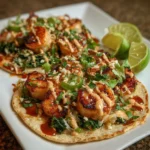
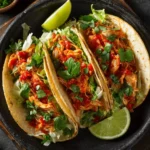
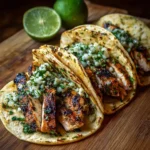
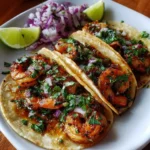
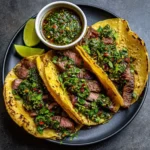
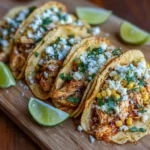
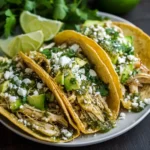
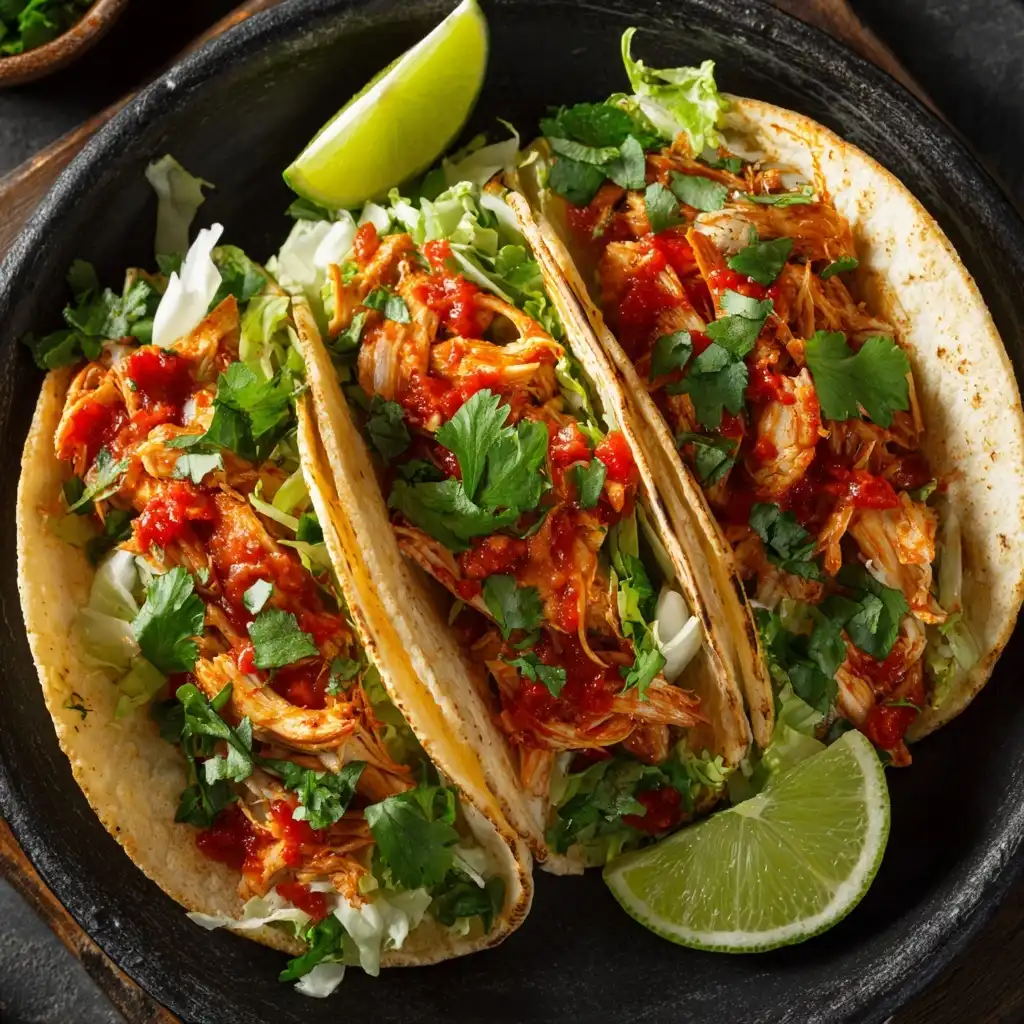
Spicy Thai Chicken Tacos are a bold, vibrant fusion dish that marries the aromatic complexity of Thai cuisine with the handheld convenience and textural excitement of Mexican street tacos. Imagine tender, chili-kissed chicken infused with lemongrass, ginger, and fish sauce, nestled in warm corn tortillas and crowned with cooling mango slaw, fresh herbs, and a drizzle of spicy-sweet chili-lime crema. This isn’t just dinner—it’s a flavor explosion that transports your palate across continents in a single bite. Whether you’re hosting friends, seeking weeknight inspiration, or craving something far more exciting than standard taco night, these tacos deliver heat, freshness, umami depth, and crunch in perfect harmony.
The History
While traditional Thai cuisine doesn’t feature tacos—and authentic Mexican fare doesn’t include galangal or kaffir lime leaves—the Spicy Thai Chicken Taco is a quintessential product of modern culinary globalization and the American “fusion food” movement. Its roots trace back to the early 2000s, when chefs in cities like Los Angeles, Portland, and Austin began experimenting with cross-cultural street food formats. Food trucks played a pivotal role: vendors sought menu items that stood out in crowded markets, leading to inventive hybrids like Korean BBQ tacos and, soon after, Thai-inspired iterations. The rise of accessible Thai ingredients (thanks to expanded Asian grocery chains and online retailers), coupled with growing consumer familiarity with Southeast Asian flavors—driven by travel, food media, and social platforms like Instagram—created fertile ground for this dish’s popularity. It also reflects broader cultural shifts toward bold, layered, and globally conscious eating habits—where authenticity is honored but not constrained, and creativity is celebrated as a form of culinary respect.
Ingredients Breakdown
Every component in Spicy Thai Chicken Tacos serves a distinct sensory purpose—from foundational umami and heat to bright acidity and refreshing contrast. Understanding each ingredient’s role empowers customization and deepens appreciation for the dish’s balance:
- Chicken Thighs (boneless, skinless): Preferred over breast for their higher fat content, which ensures juiciness and flavor absorption during marination and high-heat cooking. They stand up beautifully to bold spices without drying out.
- Fish Sauce: The savory soul of Thai cooking—providing deep, fermented umami and saltiness. Not a substitute for soy sauce; its pungent aroma mellows dramatically when cooked, leaving only rich savoriness.
- Lemongrass: Fresh stalks (tender inner core only, finely minced) lend a citrusy, floral, and slightly minty backbone. Essential for authentic Thai fragrance—canned or powdered versions lack vibrancy and can taste soapy.
- Ginger & Garlic: Freshly grated ginger adds warmth and zing; raw garlic contributes pungent depth. Both are aromatics that bloom in oil and form the base of the marinade’s flavor architecture.
- Thai Bird’s Eye Chilies (Prik Kee Noo): Small but fiercely potent—delivering clean, sharp, lingering heat. Adjust quantity based on tolerance; seeds and membranes contain most capsaicin. Substitutes include serranos (milder) or habaneros (fruitier, hotter).
- Lime Juice & Zest: Provide essential brightness and acidity that cuts through richness and lifts all other flavors. Zest adds aromatic oils missing from juice alone.
- Palm Sugar (or light brown sugar): Balances heat and salt with gentle caramel notes and subtle molasses depth—more nuanced than white sugar. Critical for achieving the classic Thai sweet-sour-salty-spicy harmony.
- Coconut Aminos (optional): A gluten-free, soy-free alternative to soy sauce that adds mild sweetness and umami—ideal for allergen-conscious or paleo adaptations.
- Corn Tortillas: Traditional choice for structural integrity and earthy sweetness. Double-warming prevents tearing and enhances pliability. For gluten-free assurance, verify certified GF status (some brands use shared equipment).
- Mango Slaw: Combines julienned green mango (tart and crisp) or ripe mango (sweet and juicy), red cabbage, carrot, red onion, cilantro, and mint—dressed in lime, rice vinegar, and a touch of sugar. Offers cooling contrast and textural counterpoint.
- Chili-Lime Crema: A creamy, tangy, spicy emulsion made with sour cream or Greek yogurt, lime zest/juice, minced chilies, and a pinch of cumin—bridges Thai heat and Mexican richness.
- Fresh Garnishes: Thai basil (anise-like, peppery), cilantro (bright, citrusy), chopped roasted peanuts (nutty crunch), and lime wedges (for finishing acidity).
Step-by-Step Recipe
- Prepare the Marinade: In a blender or food processor, combine 3–4 stalks of lemongrass (tender inner parts only, roughly chopped), 1 large thumb of peeled fresh ginger, 4 garlic cloves, 2–4 Thai bird’s eye chilies (stemmed, seeded for milder heat), 3 tbsp fish sauce, 2 tbsp lime juice, 1 tbsp lime zest, 2 tbsp palm sugar (or brown sugar), 1 tsp ground coriander, ½ tsp white pepper, and 1 tbsp neutral oil (like grapeseed or avocado). Blend until smooth—scraping down sides as needed. Taste and adjust: it should be intensely salty, tangy, sweet, and spicy all at once.
- Marinate the Chicken: Place 1.5 lbs (680g) boneless, skinless chicken thighs (cut into ¾-inch pieces) in a non-reactive bowl or resealable bag. Pour marinade over chicken, ensuring every piece is coated. Refrigerate for *minimum 30 minutes*, but ideally 2–4 hours—or even overnight for maximum flavor penetration. Do not exceed 24 hours, as the acid and fish sauce can begin to “cook” the surface and affect texture.
- Cook the Chicken: Heat 1 tbsp neutral oil in a large stainless steel or cast-iron skillet over medium-high heat until shimmering. Remove chicken from marinade (reserve marinade), letting excess drip off. Sear chicken in a single layer without crowding—work in batches if necessary—to ensure proper browning and caramelization. Cook 4–5 minutes per side, or until deeply golden and internal temperature reaches 165°F (74°C). Transfer to a plate and tent loosely with foil.
- Reduce the Marinade: Carefully pour reserved marinade into the hot skillet. Bring to a simmer and cook, stirring frequently, for 4–6 minutes—until reduced by half and thickened slightly into a glossy, fragrant glaze. Watch closely: it can burn quickly. Optional: stir in 1 tsp cornstarch slurry (1 tsp cornstarch + 1 tbsp water) for extra cling if desired.
- Finish the Chicken: Return cooked chicken to the skillet with the reduced glaze. Toss gently over low heat for 1–2 minutes to coat evenly and absorb residual sauce. Remove from heat and let rest 3 minutes—this allows juices to redistribute and intensifies flavor cohesion.
- Warm the Tortillas: Heat a dry comal, cast-iron skillet, or griddle over medium-high heat. Warm each 6-inch corn tortilla for ~30 seconds per side until soft, pliable, and lightly speckled. Stack in a clean kitchen towel or tortilla warmer to retain steam and flexibility.
- Assemble the Slaw: While chicken rests, prepare mango slaw: in a medium bowl, combine 1½ cups julienned green or ripe mango, 1 cup thinly sliced red cabbage, ½ cup matchstick carrots, ¼ cup thinly sliced red onion, ¼ cup chopped fresh cilantro, 2 tbsp chopped fresh mint, 2 tbsp lime juice, 1 tsp rice vinegar, 1 tsp palm sugar, and a pinch of salt. Toss well and chill for 15 minutes to meld flavors.
- Make the Chili-Lime Crema: In a small bowl, whisk together ½ cup full-fat sour cream or plain Greek yogurt, 1 tbsp lime juice, 1 tsp lime zest, 1 finely minced Thai chili (or to taste), ¼ tsp ground cumin, and a pinch of salt. Refrigerate until ready to use.
- Final Assembly: Spoon 2–3 tbsp of warm Thai chicken onto each warm tortilla. Top generously with mango slaw, a generous drizzle of chili-lime crema, a sprinkle of crushed roasted peanuts, fresh Thai basil and cilantro leaves, and a final pinch of flaky sea salt. Serve immediately with lime wedges on the side for an extra burst of acidity.
Tips
- Texture Is Key: Don’t skip double-warming the corn tortillas—they become pliable and develop subtle nutty flavor. Cold or single-heated tortillas crack and fall apart under juicy fillings.
- Control the Heat Strategically: Reserve some minced chilies to stir into the crema or sprinkle on top *after* cooking—this preserves fresh, volatile capsaicin heat that gets muted during sautéing.
- Don’t Overcrowd the Pan: Crowding lowers the pan’s temperature, causing chicken to steam instead of sear—resulting in gray, rubbery meat instead of caramelized, flavorful bites.
- Use a Meat Thermometer: Chicken thighs are forgiving, but accuracy ensures safety *and* optimal tenderness. Pull at 165°F—not higher—to avoid dryness.
- Toast Your Peanuts: Lightly toast raw peanuts in a dry skillet over medium heat for 3–4 minutes, shaking constantly, until fragrant and golden. Cool before chopping—enhances nuttiness and crunch.
- Prep Components Ahead: Marinate chicken the night before. Chop aromatics and make slaw/crema up to 1 day ahead (store separately in airtight containers). Assemble only at serving time to preserve crunch and freshness.
- Balance the Bite: Encourage guests to take each taco in one hand and squeeze a lime wedge over it *just before the first bite*—this activates all the flavors and ties everything together.
- Skillet Choice Matters: Stainless steel or cast iron gives superior browning vs. nonstick, which inhibits fond development essential for flavorful glaze reduction.
- Rest the Chicken: Letting it sit 3 minutes post-cooking allows proteins to relax and juices to settle—making each bite succulent, not runny.
- Acid Last, Always: Add lime juice to slaw and crema *just before serving*, not during prep, to prevent vegetables from wilting and dairy from separating.
Variations and Customizations
This recipe is inherently adaptable—designed to reflect your pantry, preferences, dietary needs, and seasonal availability. Here’s how to make it truly your own:
- Protein Swaps: Substitute chicken with thinly sliced flank steak (marinated same way, grilled or seared), extra-firm tofu (pressed, cubed, pan-fried until crisp), shrimp (marinated 15 minutes max, cooked 2–3 min), or shredded rotisserie chicken (tossed in reduced glaze just before serving).
- Vegetarian/Vegan Version: Use tempeh or king oyster mushrooms (sliced thick, marinated and pan-seared until golden). Replace fish sauce with vegan fish sauce (made from shiitake & seaweed) or 1 tbsp soy sauce + ½ tsp nori powder. Use coconut yogurt or cashew crema instead of dairy-based crema.
- Gluten-Free Assurance: Confirm fish sauce is GF (most are—but check for wheat derivatives); use certified GF corn tortillas; avoid soy sauce unless tamari or coconut aminos are specified.
- Low-Carb/Keto Adaptation: Serve filling in butter lettuce cups or grilled portobello caps instead of tortillas. Increase healthy fats with extra avocado slices and toasted sesame oil in the glaze.
- Grill or Smoker Option: Skewer marinated chicken and grill over medium-high heat for smoky char. Or smoke at 225°F for 1 hour using fruitwood chips for a deeper, complex backdrop.
- Deconstructed “Taco Salad”: Serve components over mixed greens (butter lettuce, baby spinach, shredded napa cabbage) with crispy wonton strips instead of tortillas—ideal for meal prep or lighter meals.
- Regional Twists:
- Isaan-Inspired: Add fermented pork sausage (naem) crumbles and toasted rice powder (khao kua) for funk and crunch.
- Chiang Mai Style: Stir in 1 tbsp massaman curry paste with the marinade and garnish with pickled shallots.
- Coastal Thai: Fold in ¼ cup chopped grilled squid or calamari for oceanic umami.
- Heat Level Spectrum:
- Mild: Omit chilies; add 1 tsp mild paprika + ½ tsp toasted cumin to marinade. Use jalapeño in crema only.
- Medium: Use 2 deseeded Thai chilies in marinade + 1 in crema.
- Thai Street-Food Hot: Use 4–6 whole Thai chilies (seeds intact) in marinade, plus 2 in crema, and finish with a dusting of dried chili flakes.
- Herb Variations: Swap Thai basil for holy basil (krapow) for peppery intensity, or add Vietnamese coriander (rau ram) for a sharper, almost cilantro-mint hybrid note.
- Sweetness Alternatives: Replace palm sugar with coconut sugar, date syrup (reduce lime juice slightly), or monk fruit blend for sugar-free options.
Health Considerations and Nutritional Value
When thoughtfully prepared, Spicy Thai Chicken Tacos offer a nutrient-dense, balanced, and metabolism-supportive meal—with notable benefits and mindful considerations:
- Lean Protein Powerhouse: Chicken thighs provide high-quality protein (≈25g per 4-oz serving), rich in B vitamins (especially B6 and niacin), selenium, and zinc—supporting immune function, energy metabolism, and muscle repair.
- Metabolism-Boosting Spices: Capsaicin in chilies may temporarily increase thermogenesis and calorie burn; ginger supports digestion and reduces inflammation; turmeric (optional addition) adds curcumin—a potent antioxidant.
- Probiotic & Prebiotic Synergy: Fermented fish sauce contains beneficial bacteria strains (when unpasteurized); paired with fiber-rich slaw (cabbage, carrots, mango), it fosters gut microbiome diversity—linked to improved immunity and mood regulation.
- Vitamin C Abundance: Lime juice, mango, red bell pepper (if added to slaw), and cilantro deliver synergistic vitamin C—enhancing iron absorption from the chicken and supporting collagen synthesis and antioxidant defense.
- Healthy Fats: Using avocado or grapeseed oil provides monounsaturated fats; optional additions like avocado slices or macadamia nuts contribute heart-healthy omega-9s and satiety-promoting fats.
- Lower Glycemic Impact: Corn tortillas have a lower glycemic index than flour alternatives (~46 vs. ~71), especially when paired with protein, fat, and fiber—helping maintain steady blood sugar.
- Dietary Flexibility: Naturally low in added sugars (when palm sugar is used mindfully); easily adapted for keto, paleo (use coconut aminos, omit sugar), Whole30 (substitute compliant fish sauce, no sugar), or Mediterranean patterns.
- Considerations & Mitigations:
- Sodium: Fish sauce and lime juice are naturally high in sodium. Reduce fish sauce by 1 tsp and compensate with extra lime zest, ginger, and herbs for flavor depth without excess salt.
- Spice Sensitivity: Capsaicin may trigger reflux or GI discomfort in some. Start with minimal chilies and build tolerance gradually; always serve cooling crema and slaw to buffer heat.
- Food Safety: Ensure chicken reaches 165°F internally and marinade is boiled/reduced thoroughly to eliminate raw pathogen risk.
- Allergens: Peanuts are common allergens—offer seed-based alternatives (toasted sunflower or pumpkin seeds) or omit entirely.
- Nutrition Snapshot (Per Serving, 2 Tacos): Approx. 420–480 kcal | 32g protein | 28g carbohydrates (of which 6g fiber, 12g natural sugars) | 22g total fat (5g saturated) | 780mg sodium (adjustable) | 140% DV Vitamin C | 25% DV Iron (heme source) | 35% DV Vitamin A.
Ingredients
For the Thai Chicken:
• 1.5 lbs boneless, skinless chicken thighs, cut into ¾-inch pieces
• 3–4 stalks fresh lemongrass (tender inner core only, roughly chopped)
• 1 large thumb fresh ginger (≈1.5 inches), peeled and roughly chopped
• 4 garlic cloves, peeled
• 2–4 Thai bird’s eye chilies, stemmed and seeded (adjust to heat preference)
• 3 tbsp premium fish sauce (such as Red Boat or Three Crabs)
• 2 tbsp fresh lime juice (from ~1 large lime)
• 1 tbsp lime zest
• 2 tbsp palm sugar (or light brown sugar)
• 1 tsp ground coriander
• ½ tsp freshly ground white pepper
• 1 tbsp neutral high-heat oil (grapeseed, avocado, or refined coconut)
For the Mango Slaw:
• 1½ cups julienned green mango OR ripe mango (about 1 large mango)
• 1 cup very thinly sliced red cabbage
• ½ cup matchstick-cut carrots
• ¼ cup very thin red onion rings
• ¼ cup coarsely chopped fresh cilantro
• 2 tbsp chopped fresh mint
• 2 tbsp fresh lime juice
• 1 tsp unseasoned rice vinegar
• 1 tsp palm sugar (or honey/maple syrup)
• Pinch of flaky sea salt
For the Chili-Lime Crema:
• ½ cup full-fat sour cream OR plain whole-milk Greek yogurt
• 1 tbsp fresh lime juice
• 1 tsp lime zest
• 1 Thai bird’s eye chili, finely minced (or serrano)
• ¼ tsp ground cumin
• Pinch of flaky sea salt
For Assembly & Garnish:
• 12 small (6-inch) corn tortillas (preferably handmade or stone-ground)
• ⅓ cup roasted unsalted peanuts, coarsely chopped
• ¼ cup fresh Thai basil leaves
• ¼ cup additional fresh cilantro leaves
• 2 limes, cut into wedges
• Flaky sea salt (Maldon or similar), for finishing
Directions
- In a high-speed blender or food processor, combine lemongrass, ginger, garlic, chilies, fish sauce, lime juice, lime zest, palm sugar, coriander, white pepper, and neutral oil. Blend on high for 60–90 seconds, stopping to scrape down sides, until completely smooth and aromatic—no visible fibrous bits remain.
- Place chicken pieces in a non-reactive bowl or gallon-sized resealable bag. Pour marinade over chicken and massage gently to coat all surfaces. Seal and refrigerate for 2–4 hours (or up to overnight).
- When ready to cook, heat 1 tbsp neutral oil in a large heavy-bottomed skillet (stainless or cast iron) over medium-high heat until shimmering and lightly smoking at edges (~375°F).
- Remove chicken from marinade (reserve liquid), allowing excess to drip off. Working in two batches to avoid crowding, arrange chicken in a single layer. Sear undisturbed for 4–5 minutes until deeply caramelized on bottom. Flip and sear second side for another 4–5 minutes, or until internal temperature reads 165°F on an instant-read thermometer. Transfer to a rimmed plate and tent loosely with foil.
- Pour reserved marinade into the hot skillet. Bring to an active simmer and reduce, stirring often, for 4–6 minutes—until thickened to a glossy, syrupy glaze that coats the back of a spoon. If it begins to darken or smell burnt, immediately remove from heat and stir in 1 tsp cold water.
- Return chicken to skillet with reduced glaze. Reduce heat to low and toss gently for 1–2 minutes to coat thoroughly and allow flavors to marry. Remove from heat and let rest 3 minutes.
- While chicken rests, warm tortillas: Heat a dry comal or skillet over medium-high heat. Warm each tortilla 30 seconds per side until soft, pliable, and lightly blistered. Stack in a clean cloth-lined basket or tortilla warmer.
- Make slaw: In a medium mixing bowl, combine mango, cabbage, carrots, red onion, cilantro, mint, lime juice, rice vinegar, palm sugar, and salt. Toss vigorously and refrigerate for 15 minutes.
- Make crema: In a small bowl, whisk sour cream/yogurt, lime juice, lime zest, minced chili, cumin, and salt until smooth and airy. Chill until ready to use.
- To assemble: Spoon 2–3 tbsp warm chicken onto center of each warm tortilla. Top generously with mango slaw, a generous zigzag of chili-lime crema, a sprinkle of roasted peanuts, fresh Thai basil and cilantro leaves, and a light pinch of flaky salt. Serve immediately with lime wedges for squeezing.
FAQ
- Can I use chicken breast instead of thighs?
- Yes—but with caveats. Breast cooks faster and dries out more easily. To compensate: slice very thinly against the grain, marinate no longer than 30 minutes (acid breaks down lean protein), reduce searing time to 2–3 minutes per side, and pull at 160°F (it will carryover to 165°F). Thighs are strongly recommended for tenderness and flavor absorption.
- What if I can’t find fresh lemongrass?
- Fresh is ideal—but acceptable substitutes include: 1½ tbsp finely minced lemongrass paste (look for refrigerated “Aroy-D” brand), or 1 tsp finely grated lemon zest + ½ tsp dried lemongrass (steeped 5 min in 1 tbsp hot water, then strained and cooled). Avoid powdered lemongrass—it lacks nuance and can taste medicinal.
- Is fish sauce safe to eat raw in the marinade?
- Fish sauce is fermented and shelf-stable, but raw marinade that has contacted raw chicken must be boiled or reduced to 165°F+ before reuse. That’s why we reserve and reduce it separately—it eliminates any potential pathogens while concentrating flavor.
- Can I make these ahead for meal prep?
- Absolutely. Marinate chicken and prepare slaw/crema up to 2 days ahead (store separately in airtight containers). Cook chicken the day of—or reheat gently in skillet with 1 tsp water to refresh moisture. Warm tortillas fresh just before assembling for best texture.
- Are corn tortillas gluten-free?
- Plain 100% corn tortillas are naturally gluten-free—but many commercial brands process them on shared lines with wheat. For strict GF needs, choose certified gluten-free brands like Siete, Mission GF, or locally made artisanal varieties.
- Why does my slaw get watery?
- Green mango and cabbage release water when salted. To prevent: salt slaw ingredients *lightly*, toss, then drain excess liquid in a fine-mesh strainer before final dressing. Or, dress slaw no more than 30 minutes before serving.
- Can I freeze the marinated chicken?
- Yes—for up to 3 months. Freeze in marinade in a vacuum-sealed or heavy-duty freezer bag. Thaw overnight in fridge before cooking. Note: texture may be slightly softer than fresh, but flavor remains excellent.
- What’s the best way to reheat leftovers?
- Reheat chicken in a skillet over medium-low heat with 1 tsp coconut milk or water, stirring gently until warmed through (≈3 minutes). Never microwave slaw or crema—they’ll separate or wilt. Assemble fresh each time.
- Can I make a large batch for a party?
- Definitely. Triple the marinade and chicken, cook in batches, and keep warm in a covered chafing dish set to 140°F. Set up a DIY taco bar with warm tortillas, slaw, crema, garnishes, and lime wedges—guests love customizing!
- How do I tone down the spice for kids or sensitive palates?
- Omit chilies from marinade and crema entirely. Boost flavor with extra lime zest, toasted sesame oil (½ tsp), and