Introduction
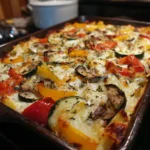
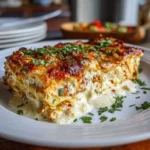
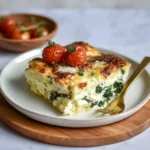
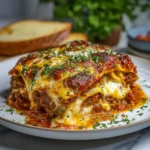
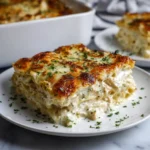
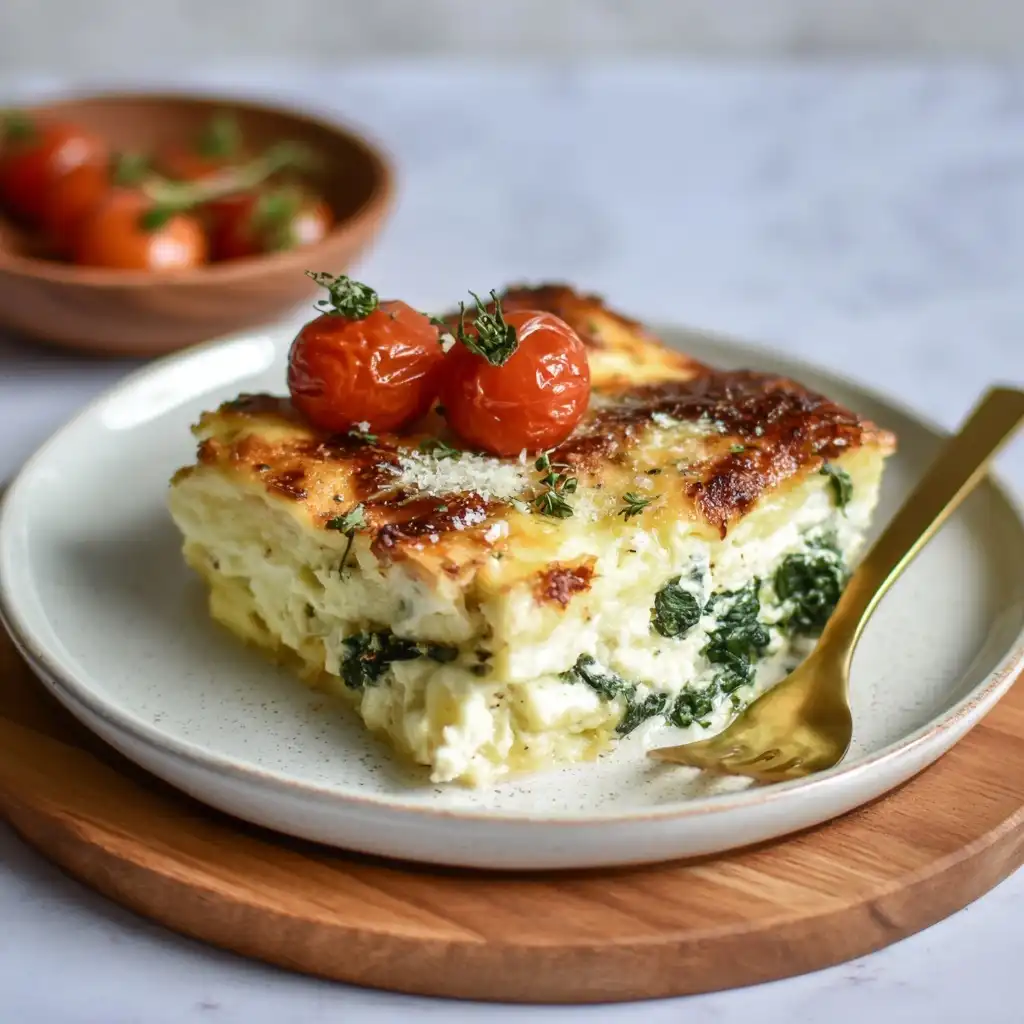
Spinach and Ricotta White Lasagna is a luscious, creamy, and deeply comforting Italian-American classic that reimagines traditional red-sauce lasagna with an elegant, velvety white sauce foundation. Unlike its tomato-based counterpart, this version celebrates the delicate balance of earthy spinach, sweet nuttiness of ricotta, sharpness of Parmigiano-Reggiano, and the subtle richness of mozzarella—all bound together by a luxuriously smooth béchamel or Mornay sauce. It’s a dish that feels both indulgent and nourishing, perfect for holiday feasts, Sunday family dinners, or meal-prepped elegance. Whether you’re seeking a vegetarian centerpiece, a crowd-pleasing casserole for potlucks, or a sophisticated yet approachable baked pasta that delivers on texture, flavor, and visual appeal, this Spinach and Ricotta White Lasagna rises—literally and figuratively—to the occasion.
The History
The origins of white lasagna trace back to Northern Italy, particularly the Emilia-Romagna and Lombardy regions, where dairy-rich cooking traditions flourished long before tomato-based sauces became widespread in the 18th century. In Bologna, lasagne verdi—made with spinach-infused egg pasta ribbons and layered with ragù alla bolognese and béchamel—has been documented since the Middle Ages, appearing in 14th-century cookbooks like De honesta voluptate et valetudine. However, the modern American “white lasagna” evolved post-WWII, as Italian immigrants adapted regional recipes using accessible ingredients: ricotta (a fresh cheese abundant in Southern Italy but adopted widely in U.S. dairies), frozen spinach (introduced commercially in the 1930s), and pre-shredded mozzarella. The substitution of béchamel for tomato sauce was both practical—avoiding acidity that could curdle delicate cheeses—and stylistic, reflecting a desire for milder, creamier profiles suited to broader American palates. Over decades, food magazines, church cookbooks, and television chefs (like Julia Child and later, Giada De Laurentiis) helped popularize the ricotta-spinach-white-sauce trio, cementing it as a beloved staple in home kitchens across the United States and Canada.
Ingredients Breakdown
Every element in this recipe serves a precise culinary function—no filler, no afterthought. Understanding the *why* behind each ingredient empowers confident customization and troubleshooting:
- Fresh Spinach (or Frozen): Provides vegetal depth, vibrant green color, and essential iron and folate. Fresh spinach must be thoroughly wilted and squeezed to eliminate excess water—otherwise, it creates a soggy, separated lasagna. Frozen chopped spinach is a time-saver, but must be fully thawed and pressed in a clean kitchen towel until *completely dry* (up to ½ cup liquid can be extracted).
- Ricotta Cheese (Whole-Milk, Preferably): The star binder and textural anchor. Whole-milk ricotta offers superior creaminess, fat content for richness, and protein structure to hold layers without weeping. Low-fat ricotta lacks body and often separates when baked; avoid ultra-drained “dry” varieties—they lack moisture needed for cohesion. For best results, drain ricotta in a fine-mesh sieve over a bowl for 30 minutes before mixing.
- Grated Parmigiano-Reggiano: Not just “Parmesan”—this PDO-protected Italian cheese adds umami depth, salty complexity, and enzymatic tang that cuts through richness. Its granular texture helps aerate the ricotta mixture. Pre-grated supermarket “Parmesan” contains anti-caking agents and lacks authentic flavor—always grate fresh.
- Mozzarella (Low-Moisture, Whole-Milk): Melts into golden, stretchy, blistered peaks. Low-moisture ensures minimal steam release during baking, preventing sogginess. Fresh mozzarella (buffalo or fior di latte) is too wet and will pool; avoid unless you’re making a deconstructed or stovetop version.
- Béchamel Sauce (White Sauce): The soul of white lasagna. Made from butter, flour, and whole milk (never skim or almond milk—fat is essential for stability and mouthfeel), it thickens via roux and enriches with nutmeg and white pepper. A properly made béchamel should coat the back of a spoon and hold a clear line when a finger is drawn through it. Some variations elevate it to Mornay by stirring in grated Gruyère or Fontina for extra complexity.
- No-Boil Lasagna Noodles: Engineered to absorb moisture directly from the sauce during baking. They eliminate prep steps and yield more uniform layering—but only work if your béchamel and ricotta mixture are adequately moist. If using traditional dried noodles, they *must* be parboiled, rinsed in cold water, and laid flat on towels to prevent sticking.
- Egg (Optional but Recommended): Acts as a binding agent within the ricotta mixture, improving sliceability and preventing crumbly layers. One large egg per 16 oz ricotta is ideal—too many eggs create rubbery pockets.
- Nutmeg & White Pepper: Nutmeg enhances dairy’s natural sweetness and bridges savory notes; white pepper provides clean heat without black specks. Both are non-negotiable for authentic flavor architecture.
- Olive Oil or Butter for Greasing: Ensures easy release and golden crust formation along the edges and bottom.
Step-by-Step Recipe
Follow these meticulously tested steps for flawless, restaurant-quality results every time:
- Prep the Spinach: In a large skillet over medium heat, warm 1 tbsp olive oil. Add 1 finely minced garlic clove and sauté 30 seconds until fragrant. Add 10 oz fresh spinach (in batches, if needed) and cook, stirring constantly, until fully wilted (2–3 minutes). Transfer to a colander, cool slightly, then squeeze *aggressively* using clean hands or a folded kitchen towel until no moisture remains. Chop finely and set aside. *(If using frozen: Thaw completely, place in towel, twist tightly over sink until dripping stops.)*
- Make the Béchamel: In a heavy-bottomed saucepan, melt 4 tbsp unsalted butter over medium-low heat. Whisk in ¼ cup all-purpose flour; cook, whisking constantly, for 2 minutes until pale blonde and nutty (do not brown). Gradually pour in 3 cups warmed whole milk (microwave 1–2 minutes), whisking vigorously to prevent lumps. Bring to a gentle simmer, then reduce heat to low. Cook, stirring frequently with a silicone spatula (scraping corners), for 8–10 minutes until thickened to a nappe consistency. Remove from heat; stir in ¼ tsp freshly grated nutmeg, ¼ tsp white pepper, and ½ tsp fine sea salt. Cool 5 minutes.
- Prepare the Ricotta Filling: In a large bowl, combine 16 oz whole-milk ricotta (drained), 1 large egg, 1 cup grated Parmigiano-Reggiano, ½ tsp salt, ¼ tsp white pepper, and ¼ tsp nutmeg. Stir gently with a wooden spoon until just combined—overmixing incorporates air and causes cracking. Fold in the squeezed, chopped spinach until evenly distributed.
- Assemble the Lasagna: Preheat oven to 375°F (190°C). Lightly grease a 9×13-inch ceramic or stainless steel baking dish (glass retains heat longer—reduce temp by 25°F if using). Spread ¾ cup béchamel evenly across the bottom. Place 4 no-boil noodles side-by-side (slight overlap is fine). Top with ⅓ of ricotta-spinach mixture, spreading gently to edges. Drizzle with ½ cup béchamel. Sprinkle with ⅓ cup shredded mozzarella and 2 tbsp Parmigiano-Reggiano. Repeat layers twice more (noodles → ricotta → béchamel → cheeses), ending with a final noodle layer. Pour remaining béchamel over top, tilting dish to distribute evenly. Sprinkle generously with remaining mozzarella and Parmigiano-Reggiano (about ¾ cup total). Dot surface with 1 tbsp cold butter pieces for golden, crisp topping.
- Bake with Precision: Cover tightly with greased aluminum foil (butter-side down to prevent sticking). Bake for 30 minutes. Carefully remove foil and bake uncovered for 20–25 minutes until top is deeply golden, bubbling at edges, and internal temperature reaches 165°F (74°C) when checked with an instant-read thermometer inserted into center. Let rest, uncovered, for *at least 30 minutes* before cutting—this allows starches to set, prevents collapse, and yields clean, intact slices.
- Serve: Cut into 12 generous squares using a sharp chef’s knife wiped clean between cuts. Serve warm—not piping hot—with a simple arugula-lemon salad and crusty ciabatta to cut richness.
Tips
- Resting Is Non-Negotiable: Cutting too soon causes structural failure. Resting allows the béchamel’s starches to fully gel and the ricotta’s proteins to relax. Set a timer—it’s worth the wait.
- Prevent Soggy Bottoms: Always start with a thin layer of béchamel—not ricotta—to create a moisture barrier between noodles and dish. Ensure spinach is *bone-dry*—even 1 tsp water can compromise integrity.
- Layering Logic: Alternate direction of noodles each layer (e.g., first layer vertical, second horizontal) for improved tensile strength and even sauce distribution.
- Boost Flavor Depth: Sauté the spinach with shallots instead of garlic; add a splash of dry white wine (like Pinot Grigio) to the béchamel while warming the milk; or infuse the milk with a bay leaf and onion quarter (remove before whisking in flour).
- Freeze Like a Pro: Assemble unbaked lasagna, cover tightly with foil + plastic wrap, freeze up to 3 months. Thaw overnight in fridge, then bake covered 45 min + uncovered 25 min. Add 5–10 min if going straight from freezer.
- Reheating Without Drying Out: Cover with damp parchment paper + foil; reheat at 325°F for 25–30 minutes. Splash 1 tbsp milk or cream over top before covering.
- Perfect Crust Hack: For extra-crispy edges, brush exposed noodle ends with melted butter before final bake. Or, after removing foil, broil 2–3 minutes—watch closely!
- Test Doneness Beyond Time: Insert a thin knife into center—if it slides in with little resistance and comes out clean (no raw noodle bits), it’s ready. Bubbling edges + golden top are visual cues, but temperature is truth.
Variations and Customizations
This recipe is a master canvas—adaptable for dietary needs, seasonal produce, global flavors, and pantry improvisation:
- Gluten-Free: Use certified GF no-boil lasagna noodles (like Barilla or Jovial) and ensure all flours/sauces are GF. Substitute rice flour or GF all-purpose blend 1:1 in béchamel (whisk 30 sec longer to hydrate).
- Lighter Version: Replace half the ricotta with strained Greek yogurt (full-fat, 10%); use part-skim mozzarella; reduce butter in béchamel to 2 tbsp and add 2 tbsp nutritional yeast for umami. Note: Texture will be slightly less rich but still cohesive.
- Protein-Powered: Add 1 cup cooked, crumbled Italian sausage (fennel-forward), ½ cup chopped roasted chicken breast, or ¾ cup rinsed, drained white beans (cannellini) to the ricotta mixture. Sear meats first to render fat and deepen flavor.
- Herb-Forward: Stir ¼ cup finely chopped fresh basil, 2 tbsp lemon zest, and 1 tbsp chopped oregano into ricotta. Garnish baked lasagna with microgreens or fried sage.
- Roasted Veggie Upgrade: Swap spinach for 1.5 cups roasted, cooled vegetables: caramelized onions + roasted zucchini + sun-dried tomatoes (oil-packed, patted dry). Adds sweetness and chew.
- “Green Goddess” Lasagna: Blend 1 cup spinach, ½ cup fresh parsley, ¼ cup basil, 1 garlic clove, and 2 tbsp lemon juice into béchamel for vibrant color and herbaceous brightness.
- Umami Bomb: Add 1 tbsp white miso paste to béchamel, or fold 2 tbsp finely grated aged Gouda into ricotta. Finish with truffle oil drizzle.
- Breakfast Lasagna: Layer with scrambled eggs, crumbled crispy pancetta, and cheddar instead of mozzarella. Serve with hot sauce.
- Vegan Adaptation: Use cashew ricotta (soaked raw cashews + lemon + nutritional yeast + garlic), coconut milk béchamel (thickened with cornstarch), GF noodles, and vegan mozzarella shreds. Requires precise moisture control—add 1 tbsp tapioca starch to filling.
Health Considerations and Nutritional Value
A 1-serving (1/12th of 9×13 pan) of this Spinach and Ricotta White Lasagna delivers approximately 385–420 calories, with nuanced nutritional benefits and mindful considerations:
- Protein Powerhouse: ~24–28g high-quality protein from ricotta, mozzarella, Parmigiano-Reggiano, and egg—supporting muscle maintenance, satiety, and metabolic health.
- Vitamin & Mineral Density: Spinach contributes >100% DV of Vitamin K (essential for blood clotting and bone health), 85% DV of folate (critical for cell repair and pregnancy), plus iron, magnesium, and antioxidants like lutein and beta-carotene.
- Calcium & Bone Health: Three dairy cheeses provide ~450–500mg calcium per serving (~45% DV), along with vitamin D-fortified milk in béchamel enhancing absorption.
- Fat Profile: Primarily unsaturated fats from olive oil and dairy, with moderate saturated fat (~14–16g/serving). Choosing whole-milk dairy supports fat-soluble vitamin absorption (A, D, E, K) and improves flavor satisfaction—reducing cravings.
- Carbohydrate Consciousness: ~32–36g carbs per serving, mostly from complex sources (noodles, dairy lactose). Pair with a fiber-rich side salad to slow glucose response.
- Dietary Notes: Naturally low in sodium (<550mg/serving if using low-salt cheeses and controlling added salt), free of added sugars, and cholesterol-neutral for most healthy adults (dietary cholesterol has minimal impact on blood levels for 70% of people). Contains gluten and dairy—omit or substitute per need.
- Mindful Enjoyment: This is a celebration food—not “health food” disguised as indulgence. Its value lies in nutrient synergy (calcium + vitamin K + magnesium for bones), satiating protein/fat combo reducing snacking, and psychological nourishment from shared meals. Portion awareness and balanced sides make it sustainable long-term.
Ingredients
- 10 ounces fresh spinach (or 1 (10-oz) box frozen chopped spinach, thawed)
- 1 tablespoon extra-virgin olive oil
- 1 small garlic clove, finely minced (optional, omit for cleaner flavor)
- 4 tablespoons unsalted butter
- ¼ cup all-purpose flour (or gluten-free 1:1 blend)
- 3 cups whole milk, warmed (do not boil)
- ¼ teaspoon freshly grated nutmeg
- ¼ teaspoon freshly ground white pepper
- ½ teaspoon fine sea salt (plus more to taste)
- 16 ounces whole-milk ricotta cheese, well-drained
- 1 large egg
- 1 cup finely grated Parmigiano-Reggiano (plus extra for topping)
- 2 cups low-moisture whole-milk mozzarella, shredded (8 oz)
- 12 no-boil lasagna noodles (or 12 parboiled traditional noodles)
- 1 tablespoon cold unsalted butter, cut into small pieces (for topping)
- Extra virgin olive oil or softened butter for greasing dish
Directions
- Preheat oven to 375°F (190°C). Grease a 9×13-inch baking dish with olive oil or butter.
- Heat olive oil in a large skillet over medium heat. Add garlic (if using) and sauté 30 seconds. Add spinach in batches; cook, stirring, until wilted (2–3 min). Transfer to colander. When cool enough to handle, squeeze *thoroughly* in a clean kitchen towel until completely dry. Chop finely; set aside.
- In a heavy saucepan, melt butter over medium-low heat. Whisk in flour; cook 2 minutes until fragrant. Gradually whisk in warm milk. Bring to gentle simmer, then reduce heat to low. Cook, whisking constantly, 8–10 minutes until thickened to coat back of spoon. Off heat, stir in nutmeg, white pepper, and ½ tsp salt. Cool 5 minutes.
- In large bowl, combine ricotta, egg, 1 cup Parmigiano-Reggiano, ½ tsp salt, ¼ tsp white pepper, and ¼ tsp nutmeg. Stir gently until smooth. Fold in chopped spinach.
- Spread ¾ cup béchamel evenly in prepared dish. Arrange 4 noodles in single layer. Spread ⅓ ricotta mixture over noodles. Drizzle with ½ cup béchamel. Sprinkle with ⅓ cup mozzarella and 2 tbsp Parmigiano-Reggiano. Repeat layers twice more. Top with final 4 noodles. Pour remaining béchamel over top, tilting dish to cover evenly. Sprinkle with remaining mozzarella and Parmigiano-Reggiano. Dot with cold butter pieces.
- Cover tightly with greased foil (butter-side down). Bake 30 minutes. Remove foil; bake uncovered 20–25 minutes until golden, bubbling, and internal temp reaches 165°F.
- Let rest uncovered 30 minutes. Cut into 12 squares. Serve warm.
FAQ
- Can I use cottage cheese instead of ricotta?
- Yes—but with caveats. Small-curd, full-fat cottage cheese works best. Drain in a fine-mesh sieve for 30 minutes, then blend briefly with 1 tbsp lemon juice and 1 tsp olive oil until smooth. It yields a lighter, tangier result with similar protein.
- Why does my lasagna weep or separate after baking?
- Three main culprits: (1) Wet spinach—squeeze relentlessly; (2) Undercooked béchamel—must thicken fully before assembling; (3) Skipping the rest—cutting too soon breaks the starch-protein network. Also, avoid opening oven door in first 40 minutes.
- Can I make this ahead?
- Absolutely. Assemble up to 24 hours ahead, cover tightly, refrigerate. Add 5–10 minutes to covered bake time. For longer storage, freeze unbaked (see Tips section).
- What’s the best cheese substitute for someone with a dairy allergy?
- For true dairy-free, use a high-fat cashew “ricotta” (soaked cashews + lemon + nutritional yeast + garlic) and a coconut milk-based béchamel thickened with 2 tbsp cornstarch. Vegan mozzarella shreds (Miyoko’s or Violife) melt best. Expect texture differences—focus on flavor harmony.
- My béchamel is lumpy. Can I save it?
- Yes! Strain through a fine-mesh sieve while warm, then whisk vigorously. For future batches, always whisk flour into melted butter *before* adding any liquid, and warm milk beforehand to prevent shock-induced clumping.
- Is there a low-carb version?
- Yes—replace noodles with thinly sliced zucchini or eggplant (salted, pressed 20 min, patted dry, lightly grilled). Reduce béchamel by ½ cup to compensate for veggie moisture. Bake covered 45 min, uncovered 15 min.
- Can I add meat without disrupting the white sauce concept?
- Absolutely. Brown lean ground turkey, chicken, or Italian sausage separately. Drain all fat. Stir into ricotta mixture *after* cooling completely. Avoid beef-heavy ragù—it clashes with delicate white profile.
- How do I store leftovers?
- Cool completely. Store covered in fridge up to 5 days. Freeze portions up to 3 months in airtight containers. Reheat covered at 325°F until center reaches 165°F (25–30 min). Add splash of milk before reheating if dry.
Summary
Spinach and Ricotta White Lasagna is a harmonious marriage of Northern Italian béchamel tradition and American resourcefulness—transforming humble pantry staples into a decadent, nutrient-dense, and deeply satisfying baked pasta masterpiece.
With meticulous attention to moisture control, cheese quality, and patient resting, it delivers creamy layers, golden edges, and a flavor profile that’s simultaneously earthy, nutty, salty, and subtly sweet—proving that comfort food and culinary sophistication need never be mutually exclusive.