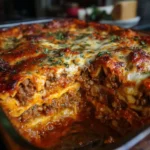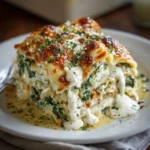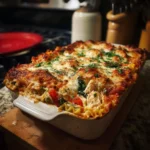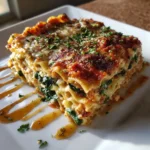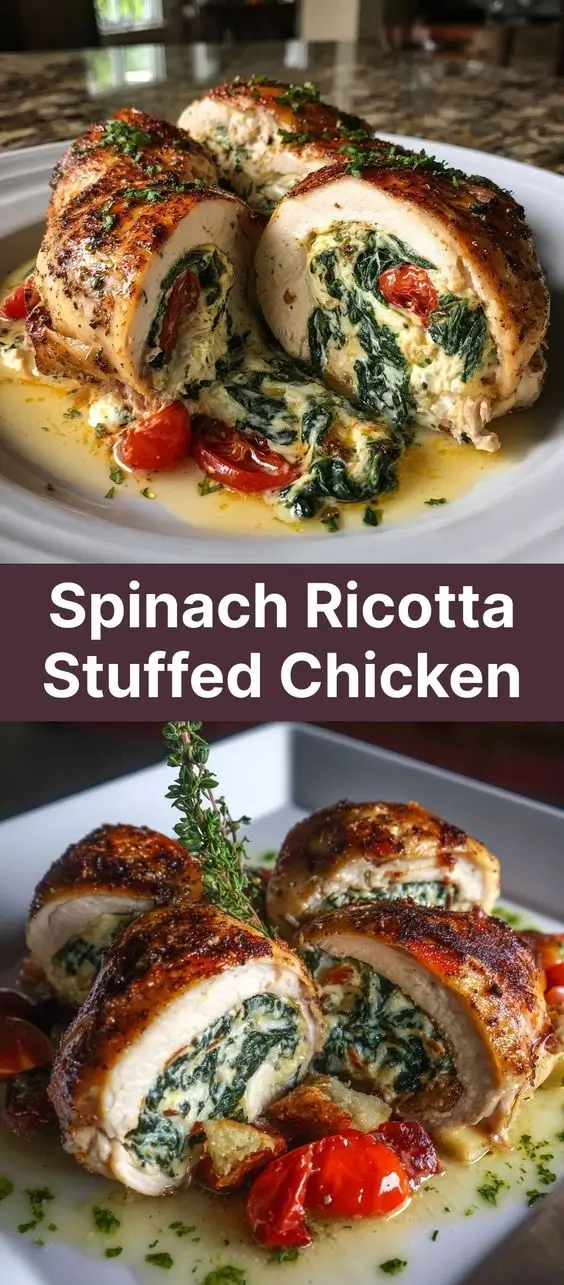
Spinach Ricotta Stuffed Chicken: A Gourmet Delight You Can Make at Home
The History of Stuffed Chicken and Its Culinary Evolution
The art of stuffing poultry dates back centuries, with roots in ancient Roman and Mediterranean cuisines. The Romans were known to stuff birds with mixtures of herbs, grains, and meats, often serving them during elaborate feasts. Over time, this technique evolved across Europe, particularly in Italian cooking where simplicity, fresh ingredients, and bold flavors define the cuisine. Spinach ricotta stuffed chicken is a modern fusion of traditional Italian flavors—ricotta cheese from southern Italy and fresh leafy greens like spinach that have been cultivated in the region for generations.
In the 20th century, as global culinary techniques merged and home cooking embraced gourmet elements, chefs began experimenting with stuffing boneless chicken breasts. The combination of creamy ricotta, earthy spinach, garlic, and Parmesan created a luxurious filling that elevated humble chicken into an elegant entrée. Today, spinach ricotta stuffed chicken is a staple in many American and European households, commonly found on dinner tables during holidays, family gatherings, or weeknight meals when something special is desired. It represents a perfect marriage between rustic comfort food and refined presentation.
Ingredients Breakdown: What Makes This Dish Shine
The magic of spinach ricotta stuffed chicken lies not just in its preparation but also in the quality and harmony of its ingredients. Each component plays a crucial role in building layers of flavor, texture, and moisture.
- Chicken Breasts (Boneless, Skinless): The foundation of the dish. Choose thick-cut, evenly sized breasts for consistent cooking. They should be tender enough to slice open without tearing, yet firm enough to hold the stuffing securely during baking.
- Fresh Spinach: Adds color, nutrients, and a mild earthy flavor. Baby spinach is preferred because it’s tender and doesn’t require extensive chopping. If using frozen spinach, proper thawing and squeezing out excess water are essential to avoid a soggy filling.
- Ricotta Cheese: Provides creaminess and lightness. Whole milk ricotta delivers the richest texture, though part-skim can be used for a lighter version. Ricotta acts as the base of the stuffing, binding other ingredients while contributing a delicate sweetness.
- Parmesan Cheese: Offers a sharp, salty umami kick. Freshly grated Parmigiano-Reggiano melts beautifully and enhances overall savoriness.
- Garlic: A fundamental aromatic that brings depth and warmth. Minced fresh garlic ensures the most vibrant flavor.
- Egg: Used as a binder to keep the stuffing cohesive. Without it, the filling might leak out during cooking.
- Breadcrumbs: Help absorb moisture and add structure to the stuffing. Panko breadcrumbs provide a lighter texture, while regular or seasoned crumbs add more flavor.
- Italian Seasonings: Typically include dried oregano, basil, thyme, and sometimes red pepper flakes for subtle heat. These herbs complement the Mediterranean profile of the dish.
- Olive Oil: Used for searing and roasting, it adds richness and helps develop a golden-brown crust on the chicken.
- Salt and Black Pepper: Essential seasonings that enhance all components.
- Optional Additions: Sun-dried tomatoes, artichoke hearts, pine nuts, lemon zest, or fresh herbs like parsley or basil can elevate the stuffing further.
Step-by-Step Recipe: How to Make Perfect Spinach Ricotta Stuffed Chicken
Follow these detailed instructions to create restaurant-quality spinach ricotta stuffed chicken right in your kitchen. Patience and precision ensure juicy meat, flavorful filling, and beautiful presentation.
- Prepare the Chicken:
Place chicken breasts on a cutting board. Using a sharp knife, carefully slice a horizontal pocket into the thickest side of each breast, being careful not to cut all the way through. Open the pocket like a book to allow space for stuffing. Use a meat mallet wrapped in plastic wrap to gently pound the chicken to about ½ inch thickness if needed for even cooking and easier stuffing. - Preheat Oven:
Set your oven to 375°F (190°C). Line a baking dish with parchment paper or lightly grease it with olive oil to prevent sticking. - Prepare the Spinach:
In a skillet over medium heat, warm 1 tablespoon of olive oil. Add 4 cups of fresh spinach in batches, stirring constantly until wilted—this takes about 2–3 minutes. Remove from heat and transfer to a colander. Press firmly with the back of a spoon or use cheesecloth to squeeze out as much liquid as possible. This step is critical; excess moisture will make the filling runny. - Make the Ricotta Filling:
In a mixing bowl, combine 1 cup whole milk ricotta, ½ cup grated Parmesan, 1 beaten egg, ¼ cup breadcrumbs, 2 minced garlic cloves, 1 teaspoon dried oregano, 1 teaspoon dried basil, ½ teaspoon salt, ¼ teaspoon black pepper, and optional pinch of red pepper flakes. Fold in the cooled, drained spinach until fully incorporated. - Stuff the Chicken:
Spoon approximately ¼ to ⅓ cup of the spinach-ricotta mixture into each chicken pocket. Don’t overfill—leave room for expansion. Secure the opening with toothpicks or tie with kitchen twine to seal the filling inside. - Sear the Chicken (Optional but Recommended):
Heat 1–2 tablespoons of olive oil in an oven-safe skillet over medium-high heat. Sear the stuffed chicken breasts for 3–4 minutes per side until golden brown. This builds flavor and locks in juices. - Bake:
Transfer the skillet (or place chicken in prepared baking dish) and bake in the preheated oven for 20–25 minutes, or until internal temperature reaches 165°F (74°C) when measured at the center of the thickest part. - Rest Before Serving:
Remove from oven and let rest for 5–7 minutes. This allows juices to redistribute, ensuring moist, tender chicken. Discard toothpicks or twine before slicing or serving whole. - Garnish and Serve:
Optionally drizzle with balsamic glaze, lemon juice, or top with marinara sauce and melted mozzarella for an Italian twist. Garnish with chopped fresh parsley or microgreens for freshness and visual appeal.
Pro Tips for Success: Mastering Your Spinach Ricotta Stuffed Chicken
- Uniform Thickness Matters: Ensure all chicken breasts are similar in size and thickness for even cooking. If one is significantly thicker, cover it loosely with foil halfway through baking.
- Dry Spinach Is Key: Wet spinach = watery filling. Take time to thoroughly drain and press out every drop of liquid after wilting.
- Use a Meat Thermometer: Guesswork leads to dry chicken. Insert the thermometer into the center of the meat (not touching the filling) to confirm doneness.
- Don’t Skip the Sear: Browning creates a flavorful crust via the Maillard reaction and helps maintain shape during baking.
- Chill Before Cooking (Advanced Tip): After stuffing, refrigerate the chicken for 30 minutes to help the filling set and reduce leakage.
- Keep Warm Safely: If preparing ahead, reheat leftovers only once and consume within 3–4 days for optimal safety and taste.
- Double the Filling? No Problem: Extra filling can be baked separately in a ramekin as a cheesy spinach side dish.
Variations and Customizations: Tailor This Dish to Your Taste
One of the greatest strengths of spinach ricotta stuffed chicken is its adaptability. Whether you’re catering to dietary preferences, seasonal produce, or cultural influences, here are creative ways to customize the recipe:
Gluten-Free Version
Replace breadcrumbs with gluten-free panko or almond flour. Ensure all other ingredients (like seasoning blends) are certified gluten-free.
Dairy-Free / Vegan Adaptation
Use plant-based ricotta made from tofu or cashews. Substitute nutritional yeast for Parmesan and flax egg (1 tbsp ground flax + 3 tbsp water) for real egg. While not traditional, this version still offers satisfying texture and flavor.
Mediterranean Twist
Add chopped sun-dried tomatoes, kalamata olives, capers, and fresh oregano to the filling. Serve over couscous or orzo with tzatziki on the side.
Low-Carb/Keto-Friendly Option
Omit breadcrumbs entirely or use crushed pork rinds. Increase ricotta slightly for binding. Serve with roasted vegetables or cauliflower mash.
Creamy Mushroom Upgrade
Sauté sliced cremini mushrooms with shallots and thyme, then fold into the spinach-ricotta blend for deeper umami flavor.
Italian-American Classic Style
Top baked chicken with marinara sauce and mozzarella cheese, return to oven for 5 minutes until bubbly. Serve with spaghetti or garlic bread for a comforting meal.
Stuffed Chicken Roll-Ups
Instead of pocketing, butterfly the chicken breasts completely, lay flat, spread filling evenly, roll tightly from short end, and secure with twine. These look impressive and cook evenly.
Breakfast-for-Dinner Idea
Swap spinach for sautéed kale and add crumbled cooked bacon or turkey sausage to the ricotta mix. Serve with hash browns and poached eggs.
Health Considerations and Nutritional Value
Spinach ricotta stuffed chicken can be both delicious and nutritious when prepared thoughtfully. Here’s a breakdown of what you’re getting nutritionally per serving (assuming one stuffed breast, average size):
| Nutrient | Amount (Approximate) | Benefits |
|---|---|---|
| Calories | 320–380 kcal | Varies based on cheese type and oil usage |
| Protein | 35–40 g | Supports muscle repair and satiety |
| Total Fat | 16–22 g | Mainly from ricotta and olive oil; includes heart-healthy monounsaturated fats |
| Saturated Fat | 7–10 g | Higher if full-fat dairy is used; moderate intake recommended |
| Carbohydrates | 6–10 g | Mostly from breadcrumbs and natural sugars in dairy/spinach |
| Fiber | 1–2 g | From spinach and breadcrumbs; modest contribution |
| Calcium | 200–300 mg | Important for bone health; comes from ricotta and Parmesan |
| Iron | 1.5–2 mg | From spinach and chicken; enhanced by vitamin C if served with tomatoes |
| Vitamin A | ~30% DV | Powerful antioxidant from spinach; supports vision and immunity |
| Vitamin K | ~120% DV | Essential for blood clotting and bone metabolism |
Dietary Notes:
- Heart-Healthy Modifications: Use part-skim ricotta, reduce cheese quantity, limit added salt, and rely on herbs for flavor.
- Weight Management: This dish is high in protein and moderately low in carbs, making it suitable for balanced diets. Pair with non-starchy vegetables like broccoli, zucchini, or salad.
- Pregnancy Safety: Ensure chicken is cooked to 165°F. Avoid raw eggs and unpasteurized cheeses unless confirmed safe by your doctor.
- Allergens: Contains dairy and eggs. Always check labels if purchasing pre-made ricotta or Parmesan.
Full Ingredients List
- 4 boneless, skinless chicken breasts (6 oz each)
- 4 cups fresh baby spinach (or 10 oz frozen, thawed and drained)
- 1 cup whole milk ricotta cheese
- ½ cup freshly grated Parmesan cheese
- 1 large egg, beaten
- ¼ cup breadcrumbs (regular, panko, or gluten-free)
- 2 cloves garlic, minced
- 1 tsp dried oregano
- 1 tsp dried basil
- ½ tsp salt
- ¼ tsp black pepper
- Pinch of red pepper flakes (optional)
- 2 tbsp olive oil (plus extra for greasing)
- Toothpicks or kitchen twine
- Fresh parsley, for garnish
Directions Recap
- Butterfly chicken breasts and create pockets. Pound gently if necessary.
- Preheat oven to 375°F (190°C).
- Wilt spinach in olive oil; drain thoroughly.
- In a bowl, mix ricotta, Parmesan, egg, breadcrumbs, garlic, herbs, salt, pepper, and red pepper flakes. Stir in spinach.
- Stuff each chicken breast, securing openings with toothpicks.
- Sear chicken in hot olive oil for 3–4 minutes per side until golden.
- Transfer to oven and bake 20–25 minutes until internal temp hits 165°F.
- Rest 5–7 minutes. Remove toothpicks, garnish, and serve.
Frequently Asked Questions (FAQ)
Can I prepare spinach ricotta stuffed chicken ahead of time?
Yes! Assemble the stuffed chicken up to 24 hours in advance. Store covered in the refrigerator until ready to cook. Let sit at room temperature for 15–20 minutes before searing or baking.
Can I freeze stuffed chicken?
Absolutely. Freeze uncooked stuffed chicken in an airtight container or freezer bag for up to 3 months. Thaw overnight in the fridge before cooking. Cooked chicken can also be frozen for 2–3 months—reheat gently in oven or air fryer to preserve texture.
Why did my filling leak out?
Common causes include overfilling, insufficient sealing, wet spinach, or skipping the sear. Chill before baking and avoid moving the chicken too much during cooking.
Can I bake instead of searing?
You can skip searing, but you’ll miss out on flavor and color. To compensate, increase oven temp to 400°F and brush chicken with olive oil before baking.
Is there a substitute for ricotta?
Cottage cheese (blended smooth), goat cheese, or mascarpone can work. Cottage cheese is lower in fat but less creamy; mascarpone is richer and sweeter.
What sides go well with this dish?
Excellent pairings include garlic mashed potatoes, roasted asparagus, quinoa, wild rice, caprese salad, grilled zucchini, or a crisp arugula salad with lemon vinaigrette.
Can I cook this in an air fryer?
Yes! Preheat air fryer to 375°F. Place stuffed chicken in basket (don’t overcrowd), spray lightly with oil, and cook 12–15 minutes, flipping halfway, until internal temp reaches 165°F.
How do I know when it’s done?
The safest method is using a digital meat thermometer. Insert into the thickest part of the chicken (avoiding the stuffing). At 165°F, it’s safe to eat.
Can I use chicken thighs instead?
Yes, boneless, skinless chicken thighs can be used. They’re more forgiving and stay juicier, though they may require slightly longer cooking due to higher fat content.
Can kids eat this dish?
Definitely! It’s packed with protein and hidden greens. Many picky eaters enjoy the creamy, cheesy flavor. Cut into strips for younger children.
Summary
Spinach ricotta stuffed chicken combines tender poultry with a rich, herby-cheesy filling, creating a wholesome and elegant meal perfect for any occasion. Easy to customize and packed with flavor, it’s a versatile favorite that brings gourmet dining straight to your kitchen table.