Introduction
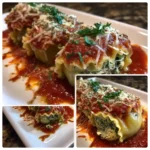
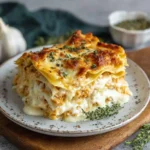
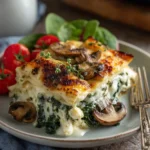
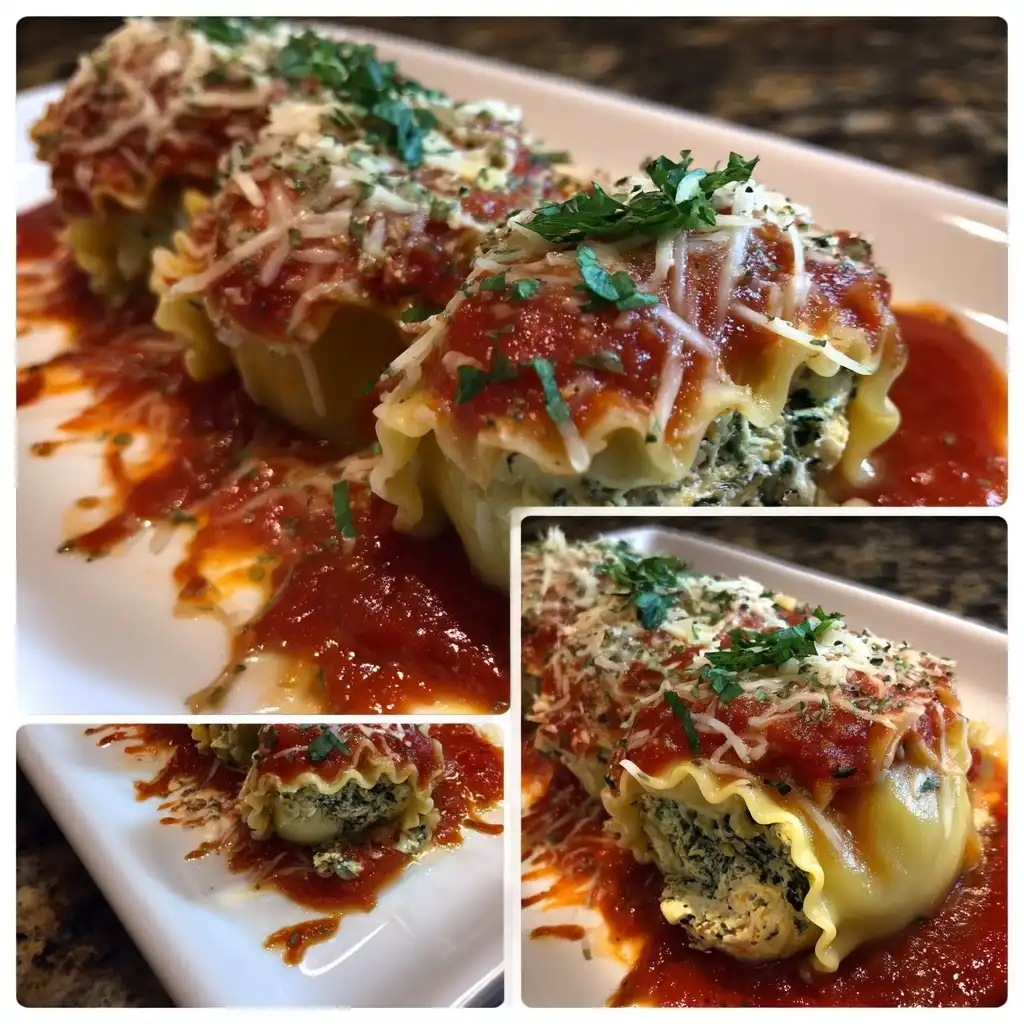
Spinach Ricotta Stuffed Lasagna Rolls are a delightful, elegant twist on the classic Italian-American comfort dish—lasagna. Instead of layering wide noodles in a casserole dish, tender lasagna noodles are individually filled with a creamy, herb-flecked spinach and ricotta mixture, rolled up, nestled into a rich tomato sauce, and baked until golden and bubbling. This deconstructed version offers impressive presentation, perfect portion control, and an irresistible balance of textures: soft yet slightly toothsome noodles, luxuriously smooth filling, savory marinara, and a delicate crown of melted mozzarella and Parmesan. Whether served at a Sunday family dinner, a holiday gathering, or a cozy weeknight meal, these rolls deliver all the soul-warming satisfaction of traditional lasagna—with a touch of culinary finesse and surprising ease.
The History
Lasagna, in its earliest documented form, traces back to 13th-century Italy—specifically the Emilia-Romagna region—where layered pasta sheets interspersed with cheese and spices were baked in communal ovens. The word “lasagna” itself derives from the Greek *laganon*, referring to flat sheets of dough. Over centuries, regional variations evolved: Neapolitan lasagna features ricotta, mozzarella, and ragù; Bolognese-style incorporates béchamel and meat-rich ragù; while Southern Italian versions often omit béchamel entirely. The concept of “stuffed pasta rolls,” however, has deeper roots in Mediterranean and Middle Eastern cuisines—think Greek dolmades or Turkish yaprak sarma—where leafy vegetables or pasta sheets are wrapped around savory fillings. The modern American adaptation of Spinach Ricotta Stuffed Lasagna Rolls emerged in the mid-to-late 20th century, popularized by home economists, cooking magazines like Bon Appétit and Good Housekeeping, and later food television personalities who championed “elegant yet approachable” dinner solutions. Its rise coincided with increased availability of fresh spinach, high-quality ricotta, and no-boil lasagna noodles—making this restaurant-worthy dish accessible to home cooks seeking both visual appeal and comforting flavor.
Ingredients Breakdown
Each component plays a vital role in building depth, texture, and harmony:
- No-Boil Lasagna Noodles (12–15 sheets): Engineered to soften during baking when layered with moisture-rich sauce and filling. Their slight chewiness contrasts beautifully with the creamy interior. Opt for oven-ready varieties labeled “no-boil” or “oven-ready”; traditional noodles require pre-boiling and careful handling to avoid tearing.
- Fresh Spinach (16 oz / ~450g, roughly 10 cups packed): Provides earthy sweetness, vibrant green color, and essential nutrients. Fresh is preferred over frozen for superior texture and flavor—though frozen chopped spinach (thawed and *thoroughly squeezed*) works in a pinch. Baby spinach yields the most tender bite.
- Ricotta Cheese (2 cups / ~480g, whole-milk preferred): The creamy heart of the filling. Whole-milk ricotta delivers richness, body, and subtle tang. Low-fat versions tend to be watery and lack depth; never substitute cottage cheese without straining and blending first.
- Mozzarella Cheese (1 ½ cups shredded, low-moisture, part-skim or whole-milk): Melts luxuriously, creating stringy, golden-brown peaks. Fresh mozzarella pearls (diced and patted dry) add bursts of milky freshness but won’t melt as evenly—best used in combination with shredded.
- Parmigiano-Reggiano (¾ cup freshly grated): Adds umami, nuttiness, and saltiness. Pre-grated “Parmesan” contains anti-caking agents that inhibit melting and dull flavor—grating your own is non-negotiable for authenticity and texture.
- Egg (1 large): Acts as a binder, preventing the filling from oozing out during rolling and baking. It also contributes richness and helps set the structure.
- Garlic (3 cloves, minced): Provides aromatic pungency. Sautéing briefly in olive oil mellows sharpness and deepens flavor.
- Fresh Herbs (¼ cup chopped basil + 2 tbsp chopped parsley): Basil lends sweet, peppery notes; parsley adds bright, grassy freshness. Dried herbs lack vibrancy and can taste dusty—reserve them only for emergency substitutions (use 1 tsp dried basil + ½ tsp dried parsley).
- Lemon Zest (from ½ lemon): A secret weapon! Bright citrus zest cuts through richness, enhances ricotta’s tang, and lifts the entire filling without adding acidity.
- Nutmeg (¼ tsp freshly grated): Warm, slightly sweet, and deeply aromatic—this classic pairing with spinach and dairy dates back centuries in Italian cuisine. Pre-ground nutmeg loses potency rapidly; always grate fresh.
- Salt & Black Pepper (to taste): Essential for seasoning every layer—especially the ricotta mixture, which needs generous salting to balance the mild cheeses.
- Marinara Sauce (4–5 cups, homemade or high-quality store-bought): Forms the flavorful base and braising liquid. Look for sauces with minimal added sugar and clear tomato-forward flavor. San Marzano-based sauces offer ideal sweetness-acidity balance.
- Olive Oil (2 tbsp for sautéing + extra for drizzling): Extra-virgin olive oil adds fruitiness and aroma when cooking garlic and spinach.
- Optional Garnishes: Additional fresh basil leaves, microgreens, flaky sea salt, or a drizzle of high-quality balsamic glaze for finishing elegance.
Step-by-Step Recipe
- Preheat & Prep: Position oven rack in center position. Preheat oven to 375°F (190°C). Lightly grease a 9×13-inch (or similar deep) baking dish with olive oil or non-stick spray. Set aside.
- Sauté Aromatics & Spinach: Heat 2 tablespoons olive oil in a large skillet or Dutch oven over medium heat. Add minced garlic and sauté for 30 seconds until fragrant—do not brown. Add washed, stemmed, and thoroughly dried fresh spinach in batches, stirring constantly until wilted and reduced (about 4–5 minutes total). Transfer to a fine-mesh strainer set over a bowl; press firmly with the back of a spoon or clean kitchen towel to remove *all* excess water. Let cool slightly.
- Prepare Filling: In a large mixing bowl, combine ricotta, 1 cup shredded mozzarella, ½ cup grated Parmigiano-Reggiano, egg, cooled spinach, lemon zest, nutmeg, 1 tsp kosher salt, ½ tsp black pepper, chopped basil, and chopped parsley. Stir gently but thoroughly with a spatula or wooden spoon until uniformly combined and creamy. Taste and adjust seasoning—ricotta should taste well-seasoned, not bland.
- Prepare Noodles: If using traditional lasagna noodles: Bring a large pot of salted water to boil. Cook noodles according to package directions until *al dente* (about 1 minute less than recommended time). Drain, rinse under cold water to stop cooking, and lay flat on parchment-lined baking sheets or clean kitchen towels to prevent sticking. If using no-boil noodles: No pre-cooking required—just ensure your sauce is sufficiently moist and covers the rolls adequately during baking.
- Assemble Rolls: Spread 1 cup of marinara sauce evenly across the bottom of the prepared baking dish. Using a small cookie scoop or tablespoon, portion ~¼ cup of filling onto the center of each noodle. Gently spread filling lengthwise, leaving ½-inch borders on both short ends. Starting from one short end, roll the noodle tightly into a cylinder, tucking in the ends as you go. Place seam-side down in the baking dish, snugly side-by-side in rows. Repeat until all noodles are filled and rolled.
- Top & Bake: Pour remaining marinara sauce evenly over the rolls, ensuring they are fully covered—add extra sauce or a splash of low-sodium vegetable broth if needed. Sprinkle remaining ½ cup mozzarella and ¼ cup Parmigiano-Reggiano generously over the top. Cover tightly with aluminum foil (tent it slightly to prevent cheese from sticking). Bake for 25 minutes.
- Uncover & Brown: Carefully remove foil. Continue baking uncovered for 15–20 minutes, or until sauce is bubbling vigorously around the edges, cheese is melted, golden, and lightly speckled with brown, and noodles are completely tender when pierced with a fork.
- Rest & Serve: Remove from oven and let rest, uncovered, for 10–15 minutes. This crucial step allows the filling to settle, prevents scalding, and makes rolling easier to serve. Garnish with fresh basil and a final sprinkle of flaky salt before serving.
Tips
- Dry Spinach Relentlessly: Excess water is the #1 cause of soggy, loose rolls. After wilting, squeeze spinach in a clean kitchen towel or cheesecloth until it feels almost dry to the touch—like a damp sponge, not a dripping rag.
- Chill the Filling (Optional but Recommended): For firmer, easier-to-handle rolls, cover the prepared filling and refrigerate for 30–60 minutes before assembling. Cold filling adheres better to noodles and resists spreading.
- Roll While Noodles Are Warm (If Boiling): If using traditional noodles, assemble rolls while they’re still pliable and warm—not cold and stiff. Cold noodles crack easily.
- Don’t Overfill: Too much filling causes bursting during baking. Stick to ~¼ cup per noodle for standard 8-inch noodles.
- Seam-Side Down Is Key: Placing the roll with the seam facing down helps it hold its shape and prevents unfurling.
- Layer Sauce Generously: Ensure rolls are submerged at least halfway in sauce before baking. No-boil noodles rely on this moisture to hydrate fully. Consider adding ¼ cup water or broth to the sauce if it seems thick.
- Use a Meat Thermometer for Doneness: Insert into the center of a roll—the internal temperature should reach 165°F (74°C) for food safety and optimal texture.
- Resting Is Non-Negotiable: Skipping the 10-minute rest leads to collapsed rolls and hot, runny filling. Patience yields pristine presentation.
- Make-Ahead Friendly: Assemble rolls up to 24 hours ahead, cover tightly with plastic wrap, and refrigerate. Add 5–10 minutes to covered bake time if starting cold.
- Freeze for Later: Assemble unbaked rolls in a foil-lined dish, freeze solid, then wrap tightly in foil and plastic. Freeze up to 3 months. Thaw overnight in fridge before baking as directed (add 5–10 minutes covered time).
Variations and Customizations
- Meat Lover’s Rolls: Fold in 1 cup cooked, finely crumbled Italian sausage (sweet or hot), ground beef, or turkey into the ricotta mixture. Sauté with garlic for extra flavor.
- Roasted Vegetable Medley: Replace half the spinach with 1 cup roasted diced zucchini, eggplant, red bell pepper, or caramelized onions—cooled and well-drained.
- Sun-Dried Tomato & Basil: Add ⅓ cup chopped oil-packed sun-dried tomatoes (blotted dry) and increase fresh basil to ⅓ cup for intense, sweet-tart depth.
- Artichoke & Lemon: Stir in ½ cup chopped, well-drained marinated artichoke hearts and increase lemon zest to 1 full lemon for bright, briny complexity.
- Gluten-Free: Use certified gluten-free no-boil lasagna noodles (brown rice or quinoa-based) and verify all sauces and cheeses are GF-certified.
- Vegan Version: Substitute cashew ricotta (soaked raw cashews blended with lemon juice, nutritional yeast, garlic, and salt), tofu “feta” or vegan mozzarella shreds, and marinara verified free of honey or dairy derivatives.
- Low-Carb/Keto: Replace noodles with thinly sliced zucchini ribbons (salted, drained, and patted dry) or large portobello mushroom caps. Reduce marinara sugar content or use a sugar-free version.
- Spicy Arrabbiata Style: Use arrabbiata sauce instead of marinara and stir ¼ tsp crushed red pepper flakes into the ricotta filling.
- Herb Garden Delight: Swap basil/parsley for 3 tbsp each of chopped chives, dill, and mint for a fresh, garden-inspired profile.
- Breakfast Lasagna Rolls: Add ¼ cup crumbled cooked bacon and 2 tbsp chopped chives; serve with a sunny-side-up egg on top.
Health Considerations and Nutritional Value
A single serving (2 rolls + sauce) typically provides approximately 420–480 calories, with thoughtful preparation enhancing its wellness profile:
- Protein Powerhouse: Ricotta (14g/serving), mozzarella (8g), and Parmesan (5g) supply high-quality, complete protein essential for muscle repair and satiety. Adding lean meats boosts protein further without excessive saturated fat.
- Spinach Superfood Benefits: Rich in vitamins A, C, K, folate, iron, magnesium, and antioxidants like lutein and beta-carotene—supporting vision, immunity, bone health, and cellular protection. Pairing with healthy fats (olive oil, cheese) enhances absorption of fat-soluble vitamins.
- Calcium & Bone Health: Ricotta and aged cheeses provide bioavailable calcium (≈30% DV per serving), plus vitamin D (if fortified) and magnesium—key triad for skeletal integrity.
- Heart-Healthy Fats: Olive oil contributes monounsaturated fats (MUFAs) linked to reduced LDL cholesterol and improved vascular function. Limiting added sodium and choosing low-sodium marinara supports blood pressure management.
- Fiber Focus: Traditional versions are low in fiber due to refined pasta. Boost fiber by using whole-wheat or legume-based no-boil noodles (adds 3–5g fiber/serving) or incorporating high-fiber vegetables like kale or Swiss chard.
- Portion Awareness: Rolls naturally encourage mindful eating—each serving is visually distinct and satisfying without overloading. Pair with a large side salad (mixed greens, cherry tomatoes, balsamic vinaigrette) for volume, fiber, and micronutrient diversity.
- Considerations for Special Diets:
- Lactose Sensitivity: Ricotta and mozzarella are lower in lactose than milk; many tolerate them well. Lactose-free ricotta and mozzarella alternatives are widely available.
- Sodium Control: Homemade marinara reduces sodium by up to 60% vs. store-bought. Rinse canned tomatoes and skip added salt in filling.
- Weight Management: Prioritize whole-milk ricotta for satiety (fat slows gastric emptying) over low-fat versions that may trigger hunger sooner. Use measured cheese portions rather than “as much as you like.”
- Diabetes-Friendly: Focus on low-glycemic marinara (no added sugar), whole-grain noodles, and generous non-starchy vegetables to moderate blood glucose response.
Overall, when prepared with whole ingredients and balanced portions, Spinach Ricotta Stuffed Lasagna Rolls offer a nutrient-dense, satisfying meal that aligns with Mediterranean dietary principles—emphasizing plants, healthy fats, lean protein, and minimal processing.
Ingredients
- 12–15 no-boil lasagna noodles (or 12 traditional noodles, cooked al dente)
- 16 oz (450g) fresh baby spinach, washed and stems removed
- 2 cups (480g) whole-milk ricotta cheese
- 1 ½ cups (150g) shredded low-moisture mozzarella cheese
- ¾ cup (85g) freshly grated Parmigiano-Reggiano cheese, divided
- 1 large egg
- 3 cloves garlic, minced
- 2 tablespoons extra-virgin olive oil
- ¼ cup fresh basil leaves, finely chopped
- 2 tablespoons fresh flat-leaf parsley, finely chopped
- Zest of ½ lemon (about 1 tsp)
- ¼ teaspoon freshly grated nutmeg
- 1 teaspoon kosher salt, plus more to taste
- ½ teaspoon freshly ground black pepper
- 4–5 cups high-quality marinara sauce (homemade preferred)
- Flaky sea salt and fresh basil leaves, for garnish
Directions
- Preheat oven to 375°F (190°C). Lightly grease a 9×13-inch baking dish.
- Heat olive oil in a large skillet over medium heat. Add garlic; sauté 30 seconds until fragrant. Add spinach in batches, stirring until fully wilted and reduced (~4–5 min). Transfer to a fine-mesh strainer; press firmly to remove all excess water. Let cool 5 minutes.
- In a large bowl, combine ricotta, 1 cup mozzarella, ½ cup Parmigiano-Reggiano, egg, cooled spinach, basil, parsley, lemon zest, nutmeg, 1 tsp salt, and ½ tsp pepper. Mix until smooth and uniform. Taste and adjust seasoning.
- Spread 1 cup marinara sauce evenly in prepared baking dish.
- Place 1 noodle on a clean surface. Spoon ~¼ cup filling onto center. Spread gently, leaving ½-inch borders. Roll tightly from short end, tucking ends in. Place seam-side down in dish. Repeat with remaining noodles and filling.
- Pour remaining sauce over rolls, covering completely. Sprinkle with remaining ½ cup mozzarella and ¼ cup Parmigiano-Reggiano.
- Cover tightly with foil. Bake 25 minutes.
- Remove foil. Bake uncovered 15–20 minutes, until bubbly, golden, and noodles are tender.
- Let rest 10–15 minutes before serving. Garnish with fresh basil and flaky salt.
FAQ
- Can I make these ahead of time?
- Yes! Assemble rolls up to 24 hours in advance, cover tightly with plastic wrap, and refrigerate. Bake as directed, adding 5–10 minutes to the covered bake time if starting cold. You can also freeze unbaked rolls for up to 3 months—thaw overnight before baking.
- Why did my rolls fall apart or leak filling?
- Most commonly due to wet spinach (insufficient squeezing), overfilled noodles, or noodles that were too cold/stiff when rolling. Ensure spinach is *very* dry, use precise filling amounts, and roll while noodles are still pliable (if boiled). Chilling the filling briefly also helps firm it up.
- Can I use frozen spinach?
- Yes—but thaw completely in a colander, then squeeze *aggressively* in a clean towel until no water remains. Expect slightly denser texture than fresh, but flavor remains excellent.
- What’s the best way to reheat leftovers?
- For best texture, reheat covered with foil in a 350°F oven for 20–25 minutes, until heated through. Microwaving tends to make noodles gummy and cheese rubbery. Add a splash of water or sauce before reheating to retain moisture.
- Can I use cottage cheese instead of ricotta?
- You can—but only if you blend it first! Pulse 2 cups low-fat or full-fat cottage cheese in a food processor with 1 tbsp lemon juice and a pinch of salt until completely smooth and creamy (no curds visible). Strain through a fine-mesh sieve for 10 minutes to remove excess whey.
- My sauce is too thin—will the rolls get soggy?
- Not if you drain the spinach well and don’t overfill. Thin sauce actually helps hydrate no-boil noodles. If concerned, reduce sauce on the stovetop for 5–10 minutes before using—or thicken with 1 tsp tomato paste stirred in.
- How do I prevent the cheese from burning?
- Ensure your oven rack is centered—not too close to the broiler element. Tent loosely with foil during the last 5 minutes of uncovered baking if browning too quickly. Using part-skim mozzarella also browns more gently than whole-milk.
- Are no-boil noodles really necessary?
- No—but they simplify the process dramatically and reduce risk of tearing. If using traditional noodles, cook just to al dente, rinse in cold water, and handle gently. Lay them flat on parchment to prevent sticking before filling.
- Can I add other cheeses?
- Absolutely! Try adding ¼ cup crumbled feta for tang, 2 tbsp goat cheese for creaminess, or 3 tbsp grated pecorino for sharper saltiness. Just reduce Parmigiano-Reggiano proportionally to avoid over-salting.
- What wine pairs well with this dish?
- A medium-bodied Italian red like Chianti Classico or Barbera complements the tomato sauce and cheese beautifully. For white lovers, a crisp Pinot Grigio or Vermentino balances richness with bright acidity.
Summary
Spinach Ricotta Stuffed Lasagna Rolls transform humble pantry staples into an elegant, restaurant-worthy meal that’s surprisingly simple to prepare—featuring tender noodles wrapped around a velvety, herb-kissed filling of fresh spinach, creamy ricotta, and sharp Parmigiano-Reggiano, all nestled in robust marinara and crowned with golden, melty mozzarella. With make-ahead flexibility, endless customization options, and notable nutritional benefits—from plant-powered antioxidants to high-quality protein and calcium—these rolls deliver comfort, sophistication, and wholesome goodness in every perfectly portioned bite.