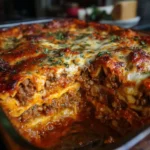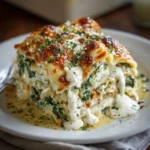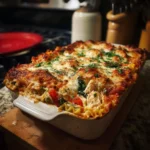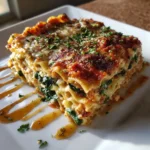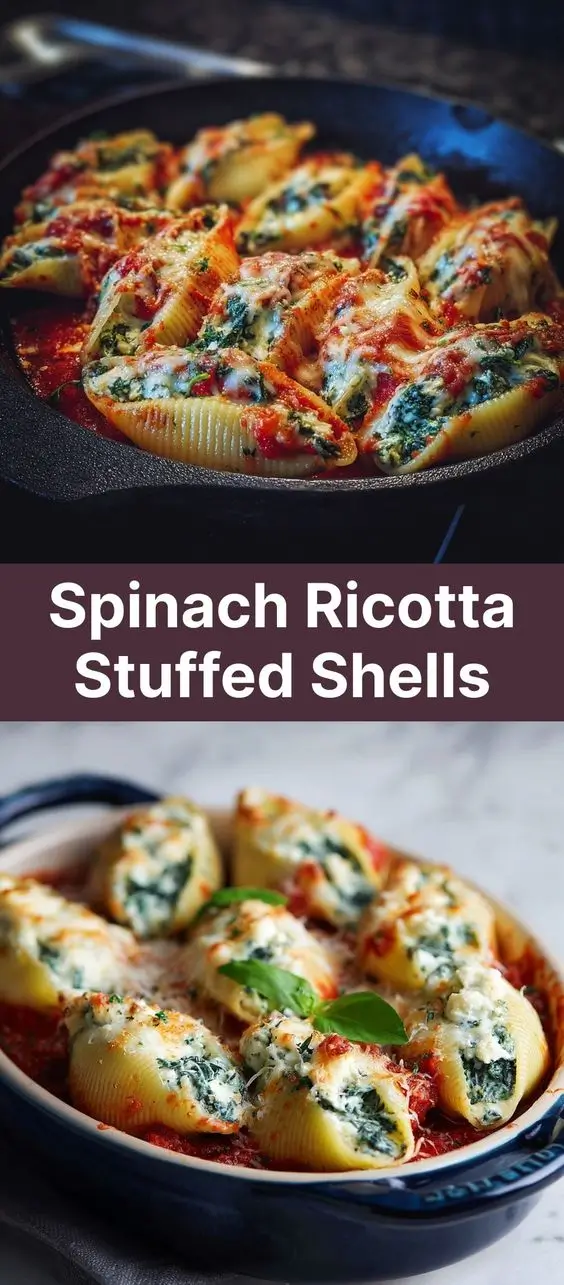
Spinach Ricotta Stuffed Shells: A Comforting Classic with a Healthy Twist
The History of Spinach Ricotta Stuffed Shells
Stuffed shells, known as conchiglie ripiene in Italian, trace their roots back to Southern Italy, where large pasta shells were traditionally filled with a mixture of cheeses and baked in tomato sauce. While the exact origin is difficult to pinpoint, the dish gained widespread popularity in Italian-American communities during the 20th century. Immigrants brought their love for fresh pasta and rich sauces to the United States, adapting traditional recipes using readily available ingredients like ricotta cheese—a staple in Sicilian and Neapolitan cooking.
Spinach was later incorporated into the filling, possibly inspired by the classic Italian dish ricotta e spinaci, often used in ravioli or cannelloni. The addition of spinach not only enhanced the flavor but also boosted the nutritional value, making stuffed shells a more wholesome family meal. Over time, this baked pasta casserole became a beloved comfort food across American households, especially popular during holidays, Sunday dinners, and potlucks. Today, Spinach Ricotta Stuffed Shells remain a symbol of home-cooked warmth and culinary fusion between Italian tradition and American innovation.
Ingredients Breakdown
To create perfectly balanced Spinach Ricotta Stuffed Shells, each ingredient plays a vital role in delivering flavor, texture, and nutrition:
- Jumbo Pasta Shells: These large, curved pasta pieces are designed to hold generous amounts of filling. They should be cooked al dente to maintain structure during baking.
- Ricotta Cheese: The star of the filling, ricotta provides a creamy, mild base. Whole-milk ricotta offers the richest texture, though part-skim can be used for a lighter version.
- Fresh Spinach: Adds color, nutrients, and a subtle earthy taste. It’s typically sautéed or wilted before mixing to remove excess moisture.
- Grated Parmesan Cheese: Enhances umami and adds a salty depth. Freshly grated melts better and tastes superior to pre-packaged versions.
- Mozzarella Cheese: Used both in the filling and on top, it gives that signature gooey, stretchy layer when baked.
- Egg: Acts as a binder to keep the cheese filling cohesive and prevent it from oozing out during baking.
- Garlic and Onion: Sautéed gently to build aromatic depth without overpowering the delicate cheese flavors.
- Marinara Sauce: A high-quality store-bought or homemade tomato sauce forms the saucy bed for the shells and keeps them moist during baking.
- Herbs (Basil, Oregano, Parsley): Fresh or dried herbs add brightness and authentic Italian flair.
- Salt and Pepper: Essential seasonings to balance the richness of the cheese.
Optional additions include nutmeg (a pinch enhances dairy notes), red pepper flakes (for heat), and lemon zest (for brightness).
Step-by-Step Recipe
Ingredients
- 24 jumbo pasta shells
- 2 tablespoons olive oil
- 1 small onion, finely chopped
- 3 cloves garlic, minced
- 10 oz fresh spinach (or 1 package frozen, thawed and drained)
- 15 oz whole-milk ricotta cheese
- 1 cup shredded mozzarella cheese, divided
- ½ cup grated Parmesan cheese
- 1 large egg
- ¼ cup fresh basil, chopped (or 1 tablespoon dried)
- 1 teaspoon dried oregano
- ½ teaspoon salt
- ¼ teaspoon black pepper
- ¼ teaspoon ground nutmeg (optional)
- 3 cups marinara sauce (homemade or high-quality store-bought)
- Extra Parmesan and parsley for garnish
Directions
- Cook the Pasta: Bring a large pot of salted water to a boil. Add the jumbo shells and cook according to package instructions until al dente (usually 9–11 minutes). Drain carefully and lay the shells flat on a sheet of parchment paper to cool. Pre-rinsing prevents sticking.
- Prepare the Spinach Mixture: Heat olive oil in a large skillet over medium heat. Add chopped onion and sauté for 3–4 minutes until translucent. Add garlic and cook for another 30 seconds until fragrant. Stir in the fresh spinach a handful at a time, wilting it down until fully cooked and most liquid has evaporated. If using frozen spinach, ensure it’s thoroughly squeezed dry. Transfer the spinach mixture to a colander to drain any remaining moisture, then set aside to cool.
- Make the Filling: In a large mixing bowl, combine ricotta, ½ cup mozzarella, Parmesan, egg, basil, oregano, salt, pepper, and nutmeg (if using). Add the cooled spinach-onion mixture and stir until evenly blended. Taste and adjust seasoning if needed.
- Preheat Oven: Set your oven to 375°F (190°C).
- Prepare Baking Dish: Spread about 1 cup of marinara sauce evenly on the bottom of a 9×13 inch baking dish to prevent sticking and add flavor.
- Stuff the Shells: Using a spoon or piping bag, carefully fill each cooled pasta shell with approximately 1–2 tablespoons of the ricotta-spinach mixture. Arrange the stuffed shells seam-side up in the prepared baking dish, fitting them snugly side by side.
- Add Sauce and Cheese: Pour the remaining 2 cups of marinara sauce over the shells, gently spooning it to cover them evenly without displacing them. Sprinkle the remaining ½ cup mozzarella and an extra tablespoon of Parmesan on top.
- Bake: Cover the dish with aluminum foil (lightly greased to prevent sticking) and bake for 25 minutes. Remove the foil and bake for an additional 10–15 minutes until the cheese is bubbly and lightly golden.
- Rest and Serve: Let the stuffed shells rest for 5–10 minutes after baking—this helps them set and makes serving easier. Garnish with fresh chopped parsley and extra Parmesan before serving.
Pro Tips for Perfect Stuffed Shells
- Don’t Overcook the Shells: Al dente is key! Mushy shells tear easily when handling and won’t hold their shape during baking.
- Squeeze Spinach Dry: Whether using fresh or frozen, excess moisture will make the filling watery. Use a clean kitchen towel or cheesecloth to press out every bit of liquid.
- Use a Piping Bag: For neater, faster stuffing, transfer the ricotta mixture to a disposable piping bag. Snip the tip and pipe directly into each shell.
- Homemade Sauce Makes a Difference: A slow-simmered marinara with fresh herbs elevates the entire dish. Try adding a splash of red wine or a carrot for sweetness.
- Grease the Foil: Always lightly coat the underside of the aluminum foil with non-stick spray or olive oil to prevent cheese from sticking when removed.
- Double the Batch: These freeze beautifully! Assemble but don’t bake, then wrap tightly and freeze for up to 3 months. Bake from frozen, adding 15–20 minutes to covered time.
- Broil for Crispiness: For a golden crust, broil for 1–2 minutes at the end—but watch closely to avoid burning.
Variations and Customizations
Spinach Ricotta Stuffed Shells are incredibly versatile. Here are some creative twists to suit different tastes and dietary needs:
- Vegetarian Upgrade: Add sautéed mushrooms, roasted zucchini, or sun-dried tomatoes for more texture and flavor.
- Protein-Packed: Mix in crumbled cooked sausage, ground turkey, or plant-based meat alternatives for a heartier meal.
- Low-Carb Option: Use jumbo shiitake mushroom caps instead of pasta shells for a keto-friendly version.
- Dairy-Free/Lactose-Free: Substitute ricotta with cashew ricotta (blended soaked cashews, lemon juice, nutritional yeast), and use vegan mozzarella and Parmesan.
- Gluten-Free: Use gluten-free jumbo pasta shells—many corn or rice-based varieties hold up well when cooked properly.
- Mediterranean Style: Add chopped artichoke hearts, kalamata olives, and feta cheese to the filling for a Greek-inspired twist.
- Spicy Kick: Stir in red pepper flakes, diced jalapeños, or a swirl of spicy arrabbiata sauce.
- Mini Stuffed Shells: Use medium shells and bake in a muffin tin for elegant appetizers or portion-controlled servings.
- Breakfast Version: Stuff with a mixture of ricotta, spinach, scrambled eggs, and cheddar, then bake with a light tomato sauce or salsa.
Health Considerations and Nutritional Value
Spinach Ricotta Stuffed Shells can be a nutritious, balanced meal when prepared thoughtfully. Here’s a breakdown of the health benefits and considerations:
Nutritional Highlights (per serving, approximately 4 shells):
- Calories: ~350–400 kcal
- Protein: 18–22g (from ricotta, egg, and cheese)
- Carbohydrates: 40–45g (primarily from pasta; can be reduced with whole wheat or gluten-free options)
- Fat: 15–18g (mostly unsaturated and saturated from dairy; lower-fat versions available)
- Fiber: 4–6g (especially if using whole grain pasta and plenty of spinach)
- Calcium: High – supports bone health
- Iron and Folate: From spinach – essential for blood health and cell function
- Vitamin A, C, K: Abundant in spinach – supports immunity, vision, and coagulation
Health Tips:
- Reduce Sodium: Use low-sodium ricotta, mozzarella, and marinara sauce. Limit added salt and rely on herbs for flavor.
- Boost Fiber: Choose whole wheat pasta shells to increase fiber content, aiding digestion and satiety.
- Heart-Healthy Fats: Incorporate olive oil in the sauce or sautéing step for monounsaturated fats.
- Portion Control: Serve with a large green salad and limit to 3–4 shells per person to manage calorie intake.
- Lactose Sensitivity: Ricotta contains less lactose than other dairy, but lactose-free versions are now widely available.
- Pregnancy Safety: Ensure all cheeses are pasteurized, and eggs are fully cooked to reduce foodborne illness risks.
Frequently Asked Questions (FAQ)
- Can I prepare Spinach Ricotta Stuffed Shells ahead of time?
- Absolutely! Assemble the dish up to 24 hours in advance, cover, and refrigerate. Add 5–10 minutes to the baking time if going straight from fridge to oven.
- Can I freeze stuffed shells?
- Yes. Freeze unbaked stuffed shells in an airtight container or freezer-safe dish for up to 3 months. Thaw overnight in the fridge or bake from frozen, adding 15–20 minutes to the covered baking time.
- Why are my shells watery after baking?
- This usually happens if the spinach wasn’t squeezed dry enough or the ricotta was too wet. Strain ricotta overnight in a fine-mesh sieve if necessary.
- Can I use cottage cheese instead of ricotta?
- You can, though the texture will be looser and slightly tangier. Blend cottage cheese until smooth for a closer consistency to ricotta.
- What kind of sauce works best?
- A smooth, robust marinara is ideal. Arrabbiata, vodka sauce, or even a light Alfredo can be used for variation.
- How do I reheat leftovers?
- Reheat in the oven at 350°F for 15–20 minutes, covered with foil. Microwaving is quicker but may make pasta softer.
- Are stuffed shells healthy?
- They can be! With nutrient-rich spinach, quality protein, and the option to modify ingredients, they’re a well-rounded dish suitable for family meals.
Summary
Spinach Ricotta Stuffed Shells are a delicious fusion of Italian heritage and American comfort food, combining tender pasta, creamy cheese, and nutritious greens in a rich tomato bath.
Bake once and enjoy warm, cheesy satisfaction that feeds the soul—perfect for weeknights, gatherings, or freezing for future ease.