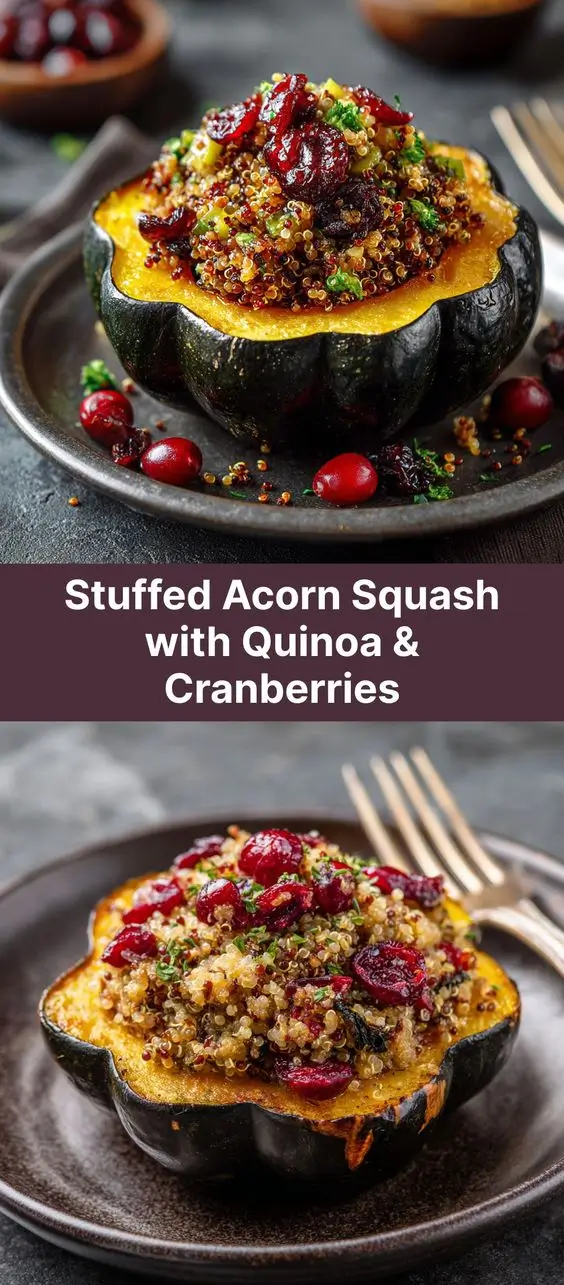
Stuffed Acorn Squash with Quinoa & Cranberries
The History
Acorn squash, named for its resemblance to an oversized acorn, is a winter squash native to North America. It has long been a staple in Native American diets, particularly among the indigenous peoples of the Eastern Woodlands who cultivated it alongside beans and corn—the “Three Sisters” agricultural system. This trio was revered not only for its nutritional synergy but also for its sustainable farming practices, where each plant supports the growth of the others.
With European colonization, acorn squash found its way into colonial kitchens, where settlers began incorporating it into their meals, often roasting or stuffing it with grains and meats. Over time, as global ingredients became more accessible, cooks began experimenting with new flavor combinations. The modern version of stuffed acorn squash—filled with quinoa, dried fruits like cranberries, nuts, herbs, and spices—emerged from this culinary evolution, blending traditional American produce with Mediterranean and Middle Eastern influences.
Quinoa, though originally from the Andes, gained popularity in the United States during the late 20th century as a gluten-free, protein-rich superfood. Its nutty texture and ability to absorb flavors made it an ideal stuffing base. Meanwhile, cranberries—another native North American ingredient—added tartness and color, balancing the natural sweetness of roasted squash. Today, Stuffed Acorn Squash with Quinoa & Cranberries stands as a celebration of seasonal eating, cultural fusion, and health-conscious cooking. It’s a dish commonly featured on Thanksgiving tables, vegetarian menus, and fall harvest festivals across the country.
Ingredients Breakdown
Understanding each component of this recipe allows you to appreciate how the flavors and textures come together harmoniously:
- Acorn Squash: A small, ribbed winter squash with sweet, yellow-orange flesh. When roasted, it develops a buttery, caramelized flavor that pairs beautifully with savory and sweet fillings.
- Quinoa: A complete protein containing all nine essential amino acids. It adds a light, fluffy texture and mild nuttiness to the stuffing.
- Dried Cranberries: Provide a tangy-sweet contrast that cuts through the richness of the squash. They also add chewy texture and vibrant color.
- Onion & Garlic: Form the aromatic base, adding depth and warmth to the dish.
- Vegetable Broth: Used to cook the quinoa, infusing it with additional flavor while keeping the recipe vegan.
- Olive Oil: Adds richness and helps sauté the aromatics. Extra virgin olive oil contributes a fruity note.
- Fresh Sage & Thyme: Earthy herbs that complement the autumnal theme of the dish. Sage enhances the savory profile, while thyme adds subtle floral notes.
- Walnuts or Pecans: Toasted nuts contribute crunch and healthy fats, mimicking the mouthfeel of meat-based stuffings.
- Maple Syrup: Enhances the natural sweetness of the squash and balances the tartness of the cranberries.
- Lemon Juice: Brightens the entire dish, adding acidity that prevents the stuffing from becoming cloying.
- Salt & Black Pepper: Essential seasonings that elevate all other flavors.
- Pomegranate Seeds (optional): For garnish—adds jewel-like color, freshness, and a burst of juicy tartness.
Each ingredient plays a crucial role in creating a balanced, satisfying meal that’s both comforting and nutritious.
Step-by-Step Recipe
- Preheat the Oven: Set your oven to 400°F (200°C). Line a large baking sheet with parchment paper or lightly grease it with olive oil to prevent sticking.
- Prepare the Squash: Using a sharp chef’s knife, carefully cut each acorn squash in half from stem to base. Use a sturdy spoon to scoop out the seeds and stringy pulp from the center. You can save the seeds for roasting later if desired. Place the squash halves cut-side up on the prepared baking sheet.
- Season and Roast (First Phase): Drizzle the inside of each squash half with olive oil and sprinkle with salt and pepper. For added sweetness, brush the cavities lightly with maple syrup. Roast in the preheated oven for 30 minutes. This partial roasting softens the flesh and makes it easier to handle when stuffing.
- Cook the Quinoa: While the squash is roasting, rinse 1 cup of quinoa under cold water to remove saponins (natural bitter coating). In a medium saucepan, combine the rinsed quinoa with 2 cups of vegetable broth. Bring to a boil, then reduce heat to low, cover, and simmer for 15 minutes or until liquid is absorbed and quinoa is fluffy. Remove from heat and let it sit covered for 5 minutes. Fluff with a fork.
- Sauté the Aromatics: In a large skillet over medium heat, warm 2 tablespoons of olive oil. Add 1 diced onion and cook until translucent, about 5 minutes. Add 2 minced garlic cloves and cook for another minute until fragrant. Stir in 1 teaspoon of chopped fresh sage and ½ teaspoon of chopped thyme.
- Combine the Filling: In a large mixing bowl, combine the cooked quinoa, sautéed onions and garlic, ½ cup of dried cranberries, ½ cup of toasted chopped walnuts or pecans, juice of half a lemon, 1 tablespoon of maple syrup, and additional salt and pepper to taste. Mix thoroughly until well combined. Taste and adjust seasoning as needed.
- Stuff the Squash: After the initial 30-minute roast, remove the squash from the oven. Flip each half cut-side down briefly to drain any excess moisture (optional, for firmer texture), then flip back. Generously fill each cavity with the quinoa-cranberry mixture, pressing gently and mounding slightly.
- Final Roast: Return the stuffed squash to the oven and bake for an additional 20–25 minutes, or until the squash is fully tender when pierced with a fork and the filling is heated through. If desired, broil for the last 2–3 minutes to crisp the top slightly.
- Garnish and Serve: Remove from oven and let cool for 5 minutes. Garnish with fresh herbs, pomegranate arils, or a drizzle of extra maple syrup. Serve warm.
Tips
- Choose Uniform Squash: Pick acorn squashes of similar size so they roast evenly. Look for ones with deep green rinds and no soft spots or bruises.
- Sharp Knife Safety: Cutting acorn squash can be tough. Microwave the whole squash for 2–3 minutes to soften slightly before cutting, or use a rocking motion with a heavy chef’s knife.
- To Toast or Not to Toast Nuts: Toasting the walnuts or pecans in a dry skillet over medium heat for 3–5 minutes enhances their flavor significantly. Watch closely to avoid burning.
- Make Ahead: Prepare the quinoa stuffing up to two days in advance and store it covered in the refrigerator. Reheat before stuffing and finishing the squash.
- Draining Moisture: After the first roast, flipping the squash cut-side down helps release steam and excess liquid, preventing a soggy filling.
- Add Protein Boost: For extra protein, stir in crumbled feta, goat cheese, or cooked lentils into the stuffing just before baking.
- Use Homemade Broth: Homemade vegetable broth adds richer flavor than store-bought versions. Consider using mushroom or roasted vegetable broth for deeper umami notes.
- Double the Batch: This recipe freezes well. Bake, cool completely, wrap tightly, and freeze individual portions for quick reheatable meals.
Variations and Customizations
This versatile recipe lends itself to endless creativity based on dietary preferences, seasonal availability, or cultural twists:
- Vegan & Dairy-Free: Already naturally dairy-free, but ensure all broth and add-ins are plant-based. Top with avocado slices or tahini drizzle for creaminess.
- Gluten-Free: Naturally gluten-free as written. Confirm that your broth and any optional additions are certified GF.
- Nut-Free Version: Replace walnuts with sunflower seeds or pepitas (pumpkin seeds) for crunch without allergens.
- Apple-Cinnamon Twist: Add ½ cup of diced apples (like Honeycrisp or Granny Smith) during sautéing and a pinch of ground cinnamon or nutmeg for a cozier fall flavor.
- Savory Umami Boost: Add 2 tablespoons of tamari or soy sauce to the sauté pan, or mix in sautéed mushrooms (cremini or shiitake) for a heartier, earthier profile.
- Mediterranean Style: Swap cranberries for chopped apricots or golden raisins, add crumbled feta, Kalamata olives, and oregano instead of sage.
- Southwest Flair: Use black beans, corn, cumin, chili powder, and cilantro. Top with avocado and lime wedges.
- Meat Lovers’ Version: Brown ground turkey, sausage, or bacon and mix into the quinoa for a non-vegetarian option.
- Grain Alternatives: Substitute quinoa with farro, wild rice blend, bulgur, or millet depending on preference or pantry stock.
- Herb Variations: Rosemary, marjoram, or tarragon can replace or complement sage and thyme for different aromatic profiles.
Health Considerations and Nutritional Value
Stuffed Acorn Squash with Quinoa & Cranberries is not only delicious but also packed with nutrients that support overall wellness:
- Rich in Fiber: Both acorn squash and quinoa are excellent sources of dietary fiber, promoting digestive health, regulating blood sugar, and supporting satiety—ideal for weight management.
- High-Quality Plant Protein: Quinoa is one of the few plant foods that provide all nine essential amino acids, making it a complete protein source, especially beneficial for vegetarians and vegans.
- Antioxidant Powerhouse: Dried cranberries contain polyphenols and vitamin C, which help combat oxidative stress and inflammation. Acorn squash is rich in beta-carotene (vitamin A), supporting eye health and immune function.
- Heart-Healthy Fats: Walnuts and olive oil supply monounsaturated and omega-3 fatty acids, known to improve cholesterol levels and reduce cardiovascular risk.
- Low Glycemic Impact: Despite natural sugars in squash and maple syrup, the fiber and protein content slow glucose absorption, making this dish suitable for most diabetic diets when portion-controlled.
- Gluten-Free & Allergen-Friendly Options: Easily adaptable for various dietary restrictions, including gluten intolerance, dairy allergies, and plant-based lifestyles.
- Mineral-Rich: Contains potassium (from squash), magnesium (from quinoa and nuts), and iron (from quinoa), contributing to muscle function, nerve signaling, and oxygen transport.
Per serving (1 stuffed half, approximate):
| Calories | 380 kcal |
| Protein | 10g |
| Fat | 16g (mostly unsaturated) |
| Carbohydrates | 52g |
| Dietary Fiber | 9g |
| Sugars | 18g (naturally occurring) |
| Sodium | 280mg (varies with broth) |
| Vitamin A | 150% DV |
| Vitamin C | 45% DV |
| Iron | 20% DV |
Note: Values may vary based on specific ingredients and substitutions used.
Ingredients
- 2 medium acorn squash
- 1 cup quinoa, rinsed
- 2 cups vegetable broth
- 2 tablespoons olive oil (plus extra for drizzling)
- 1 medium yellow onion, finely diced
- 2 cloves garlic, minced
- ½ cup dried cranberries
- ½ cup walnuts or pecans, toasted and chopped
- 1 teaspoon fresh sage, finely chopped
- ½ teaspoon fresh thyme, chopped
- 1 tablespoon pure maple syrup (plus extra for brushing)
- Juice of ½ lemon
- Salt and freshly ground black pepper, to taste
- Optional garnishes: pomegranate arils, fresh parsley, crumbled feta, microgreens
Directions
- Preheat oven to 400°F (200°C). Line a baking sheet with parchment paper.
- Cut acorn squash in half lengthwise and scoop out seeds. Place cut-side up on baking sheet. Drizzle insides with olive oil, season with salt and pepper, and lightly brush with maple syrup.
- Roast squash for 30 minutes while preparing the filling.
- In a saucepan, bring vegetable broth to a boil. Add rinsed quinoa, reduce heat, cover, and simmer for 15 minutes. Remove from heat and let stand 5 minutes, then fluff with a fork.
- Heat olive oil in a skillet over medium heat. Sauté onion until soft (5 min), add garlic, sage, and thyme; cook 1 minute more.
- In a large bowl, combine cooked quinoa, sautéed mixture, cranberries, nuts, lemon juice, maple syrup, salt, and pepper. Mix well.
- Remove squash from oven. Drain excess liquid by flipping halves briefly if needed. Fill each cavity generously with quinoa mixture.
- Return to oven and bake for 20–25 minutes, until squash is fork-tender and filling is hot.
- Optional: Broil for 2–3 minutes to brown the top.
- Let rest 5 minutes. Garnish and serve warm.
FAQ
Can I make this ahead of time?
Yes! Prepare the quinoa stuffing and partially roast the squash up to one day in advance. Store separately in the fridge. Assemble and finish baking before serving.
Can I freeze stuffed acorn squash?
Absolutely. Once fully baked and cooled, wrap tightly in foil or place in freezer-safe containers. Freeze for up to 3 months. Reheat in oven at 350°F for 30–40 minutes or until warmed through.
Is acorn squash skin edible?
Yes, the skin becomes tender when roasted and is safe to eat, providing additional fiber. However, some prefer to scoop out the flesh only—this is personal preference.
What can I substitute for quinoa?
You can use cooked brown rice, farro, barley, millet, or even couscous (note: not gluten-free).
Can I use fresh cranberries instead of dried?
Yes, but they’ll be much more tart. Simmer ½ cup fresh cranberries with 2 tablespoons water and 1 tablespoon maple syrup until they pop and form a relish, then mix into the quinoa.
How do I know when the squash is done?
The flesh should be easily pierced with a fork and feel soft, almost creamy. The edges may caramelize slightly around the filling.
Can I cook this in a slow cooker?
While possible, results may vary. Partially roast squash first, then stuff and slow cook on low for 2–3 hours. Best results come from oven baking.
Are there seedless acorn squash?
No variety is truly seedless, but the seeds are easy to remove. Save them, clean, dry, and roast with oil and salt for a tasty snack!
Summary
Stuffed Acorn Squash with Quinoa & Cranberries is a nutrient-dense, flavor-packed dish that celebrates seasonal ingredients and culinary versatility. Perfect as a hearty vegetarian entrée or festive side, it brings together sweet, savory, and tangy elements in every bite.