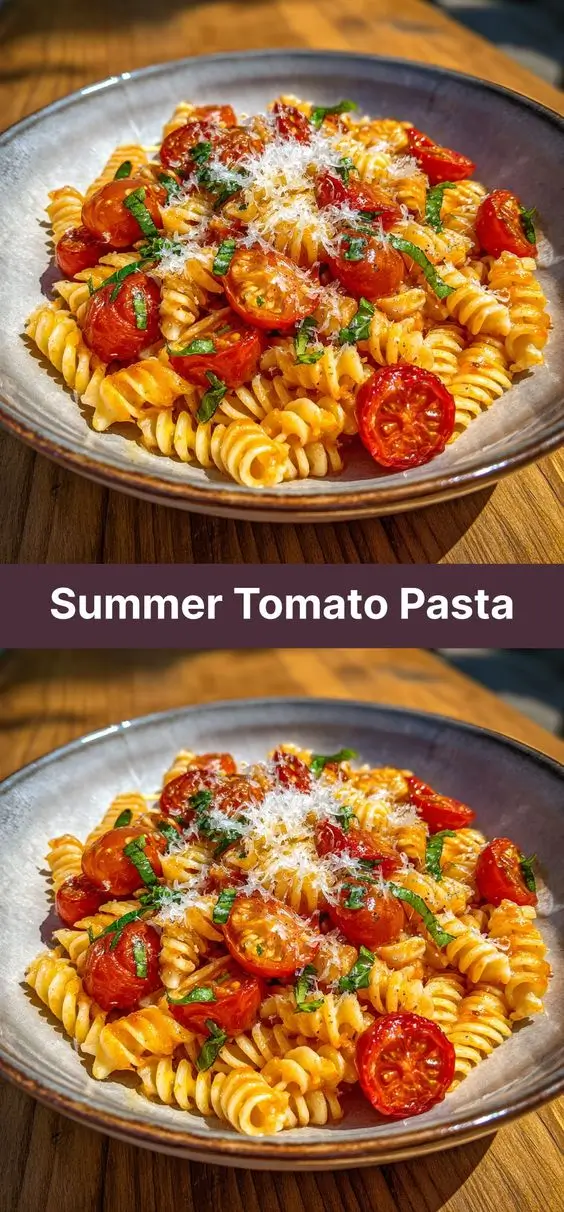
Summer Tomato Pasta: A Celebration of Fresh Flavors
There’s nothing quite like a bowl of summer tomato pasta—bright, vibrant, and bursting with the essence of sun-ripened tomatoes. This dish is more than just a meal; it’s an homage to the peak of the growing season, when gardens overflow with juicy heirlooms and farmers’ markets are painted in shades of red, yellow, and orange. Whether tossed with al dente spaghetti or twirled around bucatini, this simple yet elegant pasta captures the soul of summertime on a plate. Light enough for warm evenings yet satisfying enough to serve as a centerpiece at any outdoor gathering, summer tomato pasta is a beloved staple that bridges rustic charm with gourmet flair.
The History of Summer Tomato Pasta
While pasta itself has ancient roots tracing back to Mediterranean civilizations, the concept of pairing fresh tomatoes with pasta is relatively modern—historically speaking. Tomatoes, native to South America, were brought to Europe in the 16th century but were initially met with suspicion and considered poisonous by many Europeans due to their relation to nightshade plants. It wasn’t until the late 17th and early 18th centuries that Italians, particularly in the southern regions like Naples, began embracing the tomato as a culinary treasure.
By the 19th century, pasta with tomatoes had become a cornerstone of Italian cuisine. The classic combination evolved into various regional dishes such as pasta al pomodoro, spaghetti alla Nerano, and pasta con il sugo crudo (raw tomato sauce). However, the idea of a “summer” tomato pasta—using only the freshest, ripest, in-season tomatoes with minimal cooking—emerged from the farm-to-table ethos that celebrates seasonal eating. Chefs and home cooks alike began crafting lighter versions during the height of tomato season, often skipping long-simmered sauces in favor of raw or lightly warmed preparations that preserve the fruit’s natural sweetness and acidity. Today, this dish represents a global appreciation for fresh ingredients, simplicity, and the joy of eating what’s in season.
Ingredients Breakdown: What Makes This Dish Shine
The magic of summer tomato pasta lies not in complexity, but in quality. Each ingredient serves a purpose and should be chosen with care:
- Fresh Ripe Tomatoes: The star of the show. Look for vine-ripened, heirloom, or garden-grown varieties like Brandywine, Cherokee Purple, Sun Gold, or San Marzano. A mix of colors adds visual appeal and subtle flavor differences. Tomatoes should be fragrant, slightly soft to the touch, and deeply colored.
- High-Quality Pasta: Opt for bronze-die extruded dried pasta or fresh pasta with a rough texture that holds sauce well. Shapes like spaghetti, linguine, fusilli, or orecchiette work beautifully. Whole wheat or legume-based pastas can be used for added nutrition.
- Extra Virgin Olive Oil: A good EVOO brings fruitiness, peppery notes, and richness. Use a finishing-grade oil—this isn’t the time for refined or light olive oils.
- Fresh Garlic: Adds aromatic depth without overwhelming. Raw garlic offers bite; gently sautéed garlic provides mellow warmth.
- Fresh Basil: Sweet, slightly peppery, and unmistakably summery. Torn, not chopped, to prevent bruising.
- Flaky Sea Salt: Enhances all flavors and draws out tomato juices. Maldon or Himalayan pink salt work well.
- Freshly Cracked Black Pepper: Adds gentle heat and complexity.
- Optional Additions: Freshly grated Pecorino Romano or Parmigiano-Reggiano cheese, thinly sliced shallots, red pepper flakes, capers, anchovy paste, or a splash of balsamic glaze for depth.
Step-by-Step Recipe: How to Make Perfect Summer Tomato Pasta
Serves: 4
Prep Time: 20 minutes
Cook Time: 12 minutes
Total Time: 32 minutes
Ingredients:
- 1 pound (450g) dried spaghetti or preferred pasta
- 2 pounds (900g) mixed ripe tomatoes (e.g., heirloom, cherry, beefsteak)
- ½ cup extra virgin olive oil (high quality)
- 4 cloves garlic, minced or thinly sliced
- 1 teaspoon flaky sea salt (plus more to taste)
- ½ teaspoon freshly cracked black pepper
- 1 cup fresh basil leaves, torn
- ¼ cup finely grated Parmigiano-Reggiano or Pecorino Romano (optional)
- ½ teaspoon red pepper flakes (optional)
- 2 tablespoons fresh parsley, chopped (optional)
- 1 tablespoon unsalted butter (optional, for silkier texture)
Directions:
- Prepare the Tomatoes: Wash and dry the tomatoes. Core them and cut into small dice. For larger tomatoes, consider removing excess seeds and gel to prevent the sauce from becoming too watery. Place diced tomatoes in a large mixing bowl. Sprinkle with ½ teaspoon salt and let sit for 15–20 minutes to draw out juices and concentrate flavor.
- Cook the Pasta: Bring a large pot of heavily salted water to a rolling boil (use about 2 tablespoons salt per 4 quarts water). Add pasta and cook according to package instructions until al dente—usually 1–2 minutes less than stated. Reserve 1½ cups of starchy pasta water before draining.
- Infuse the Oil: While the pasta cooks, combine olive oil and minced garlic in a large skillet or sauté pan. Warm over low heat for 3–4 minutes until garlic is fragrant but not browned. For a spicier kick, add red pepper flakes at this stage. Remove from heat to prevent burning.
- Combine Tomatoes and Oil: Pour the warm garlic-infused oil over the tomatoes. Gently stir in black pepper, half the torn basil, and optional ingredients like shallots or capers. Let the mixture marinate while the pasta finishes cooking.
- Mix Pasta and Sauce: Drain the pasta and immediately add it to the tomato mixture. Toss vigorously to coat every strand. Begin adding reserved pasta water, one ladle at a time (start with ¼ cup), until the sauce emulsifies and clings to the pasta. The starch in the water helps create a silky, restaurant-quality texture.
- Final Touches: If using, stir in butter for extra richness and grated cheese. Taste and adjust seasoning with more salt, pepper, or olive oil as needed. Fold in remaining fresh basil just before serving to preserve its aroma and color.
- Serve Immediately: Plate the pasta family-style or individually. Garnish with additional cheese, a drizzle of olive oil, cracked pepper, and whole basil leaves. Serve with crusty bread and a crisp white wine like Vermentino or Pinot Grigio.
Tips for the Best Summer Tomato Pasta
- Use In-Season Tomatoes Only: This recipe fails with mealy winter tomatoes. Wait until July through September for peak flavor.
- Don’t Over-Salt Too Early: Salting tomatoes draws out liquid—wait until they’ve rested to assess how much additional salt is needed.
- Reserve That Pasta Water: The starchy liquid is gold. It binds the sauce and creates a cohesive dish instead of a watery mess.
- Warm, Not Hot: Avoid cooking the tomatoes. Their freshness is the highlight. If you prefer a warm sauce, gently heat tomatoes with the infused oil for no more than 2–3 minutes.
- Toss Vigorously: Use tongs or two forks to thoroughly mix the pasta and sauce. Proper emulsification ensures each bite is flavorful.
- Serve Immediately: This dish doesn’t reheat well. Tomatoes can become mushy, and herbs lose vibrancy. Best enjoyed fresh.
- Choose the Right Pot: Use a large, wide pot to allow even cooking and easy stirring. A Dutch oven works great for tossing.
Variations and Customizations
One of the greatest strengths of summer tomato pasta is its versatility. Here are inspired ways to customize it:
- Creamy Version: Stir in ⅓ cup mascarpone or ricotta cheese for a lush, velvety texture.
- Protein Boost: Add grilled shrimp, seared chicken, flaked salmon, or white beans for a heartier meal.
- Vegetable Add-Ins: Include roasted zucchini, blistered cherry tomatoes, sautéed mushrooms, or fresh corn kernels.
- Herb Swaps: Try mint, oregano, dill, or chives in place of or alongside basil.
- Vegan Cheese Option: Use nutritional yeast or cashew cream for a cheesy flavor without dairy.
- Gluten-Free: Substitute gluten-free pasta made from rice, corn, or lentils. Cook carefully to avoid mushiness.
- Pesto Twist: Swirl in 2–3 tablespoons of homemade basil pesto for an herby punch.
- Caprese Style: Top with fresh mozzarella pearls or burrata for a decadent Caprese-inspired dish.
- Spicy Arrabbiata: Increase red pepper flakes and add a dash of smoked paprika for heat.
- Citrus Zest: Add lemon or orange zest for brightness and complexity.
Health Considerations and Nutritional Value
Summer tomato pasta isn’t just delicious—it can also be part of a balanced, nutritious diet when prepared mindfully:
- Tomatoes: Rich in lycopene, a powerful antioxidant linked to reduced risk of heart disease and certain cancers. Also high in vitamin C, potassium, folate, and fiber.
- Olive Oil: A cornerstone of the Mediterranean diet, loaded with heart-healthy monounsaturated fats and anti-inflammatory compounds.
- Pasta: Provides complex carbohydrates for sustained energy. Whole grain or legume-based versions increase fiber and protein content.
- Basil: Contains essential oils with antimicrobial and anti-inflammatory properties. Also a source of vitamin K and manganese.
- Garlic: Known for immune-boosting and cardiovascular benefits due to allicin content.
Nutritional Estimate (per serving, without cheese):
- Calories: ~420
- Carbohydrates: 60g
- Protein: 12g
- Fat: 16g (mostly healthy fats)
- Fiber: 5g
- Sugar: 8g (naturally occurring)
- Sodium: 450mg (varies based on salt used)
To make it lighter: reduce pasta portion and increase chopped tomatoes or add steamed vegetables. For a higher-protein version, use lentil or chickpea pasta and add plant-based proteins.
FAQ: Frequently Asked Questions About Summer Tomato Pasta
Can I make this ahead of time?
Best served immediately. However, you can prep the tomatoes and infused oil up to 2 hours in advance and store separately in the fridge. Bring to room temperature before combining with hot pasta.
Can I refrigerate leftovers?
Yes, but the texture changes. Tomatoes may release more liquid and pasta can absorb moisture. Reheat gently with a splash of water or broth, though it won’t match the fresh version.
Why is my sauce watery?
Too many tomato seeds/gel or not enough pasta water reduction. Next time, seed larger tomatoes and use less reserved water. You can also drain excess juice from tomatoes after salting.
Can I use canned tomatoes?
Only in a pinch—and only high-quality whole peeled San Marzano tomatoes. But fresh, in-season tomatoes are irreplaceable for true summer flavor.
Is this dish vegan?
Yes, if you omit the cheese or use a plant-based alternative.
What wine pairs well?
A chilled rosé, Sauvignon Blanc, or Vermentino complements the acidity and freshness. For red lovers, a light Pinot Noir works.
Can I freeze this?
Not recommended. Freezing ruins the texture of fresh tomatoes and cooked pasta.
How do I grow better tomatoes for this recipe?
Plant in full sun, use compost-rich soil, water consistently, and harvest at peak ripeness. Heirloom varieties offer superior flavor over commercial hybrids.
Summary
Summer tomato pasta is a celebration of peak-season produce, combining ripe, juicy tomatoes with al dente pasta, fragrant basil, and golden olive oil for a dish that’s simple, elegant, and deeply satisfying. Serve it fresh, share it generously, and savor every bite of summer’s bounty.