Introduction
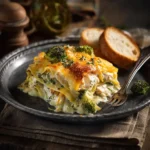
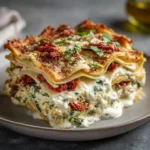
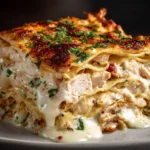
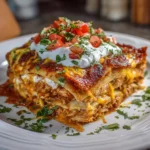
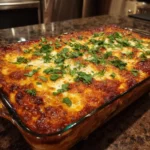
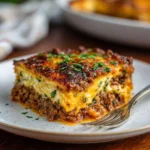
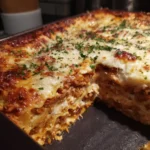
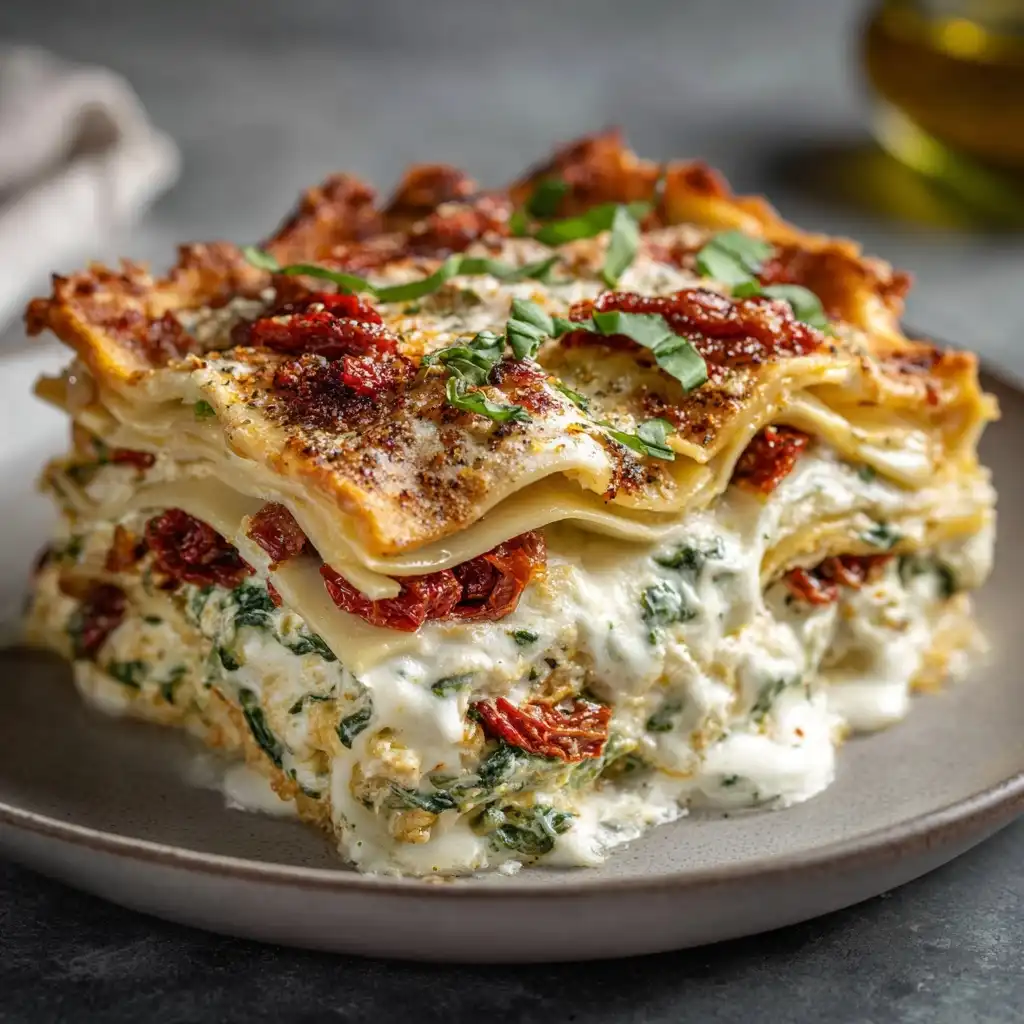
Sun-Dried Tomato Spinach Lasagna is a vibrant, nutrient-dense twist on the classic Italian comfort dish—elevated with bold Mediterranean flavors, earthy greens, and rich umami depth. Unlike traditional lasagnas that rely heavily on meat or heavy ricotta, this version celebrates plant-forward elegance without sacrificing creaminess, structure, or soul-warming satisfaction. It’s a harmonious marriage of sun-ripened tomatoes concentrated into chewy, tangy-sweet jewels; tender baby spinach packed with iron and folate; and layers of tender pasta infused with garlic, herbs, and aromatic cheeses. Whether served at a Sunday family dinner, a potluck gathering, or as meal-prep luxury for the week ahead, this lasagna delivers complexity in every bite—satisfying vegetarians and omnivores alike while inviting culinary creativity through endless customization options.
The History
Lasagna’s roots trace back over 700 years to medieval Italy, where early versions—like the 13th-century de lasanis documented in the English cookbook Libro de Arte Coquinaria—featured layered sheets of dough baked with grated cheese and spices, but no tomatoes (which hadn’t yet arrived from the Americas). The tomato’s integration into Italian cuisine didn’t occur until the late 18th century, and even then, it was met with suspicion—believed by some to be poisonous due to its membership in the nightshade family. Sun-dried tomatoes, however, have an even older lineage: originating in the sun-baked hills of southern Italy, Greece, and the Levant, they were traditionally preserved by laying ripe tomatoes on rooftops or stone terraces under relentless Mediterranean sun—a technique used for millennia to extend shelf life long before refrigeration. Spinach, meanwhile, entered European kitchens via Arab agronomists in the 12th century and became a staple in Italian verdure (vegetable) preparations by the Renaissance. The fusion of these three pillars—lasagna structure, sun-dried tomato intensity, and spinach’s verdant grace—emerged organically in the late 20th century as chefs and home cooks embraced Mediterranean diet principles, vegetarianism, and global pantry exploration. Today, Sun-Dried Tomato Spinach Lasagna stands as a modern heirloom recipe—a testament to cross-cultural preservation techniques, seasonal abundance, and the timeless art of layering flavor.
Ingredients Breakdown
Every component in this lasagna plays a distinct, intentional role—not just for taste, but for texture, moisture balance, structural integrity, and nutritional synergy:
- No-Boil Lasagna Noodles: Engineered to absorb liquid during baking, eliminating pre-cooking and ensuring consistent tenderness. Look for high-quality, durum wheat varieties with minimal additives for optimal chew and sauce adhesion.
- Sun-Dried Tomatoes (Oil-Packed): Provide concentrated sweetness, deep umami, and bright acidity. Their natural oils enrich the sauce and help emulsify the ricotta mixture. Rehydrating them briefly (if dry-packed) unlocks maximum pliability and flavor release.
- Fresh Baby Spinach: Chosen for its delicate texture, mild flavor, and high water content—which steams gently within the layers, adding moisture without sogginess. Rich in non-heme iron, vitamin K, lutein, and nitrates linked to cardiovascular support.
- Ricotta Cheese (Whole-Milk, Part-Skim, or Wholly Plant-Based Alternative): Acts as the creamy binding agent. Whole-milk ricotta contributes fat-soluble vitamins (A, D, E, K) and richness; part-skim offers lighter texture with retained protein. For vegan versions, cashew-based ricotta (soaked raw cashews + lemon + nutritional yeast + garlic) mimics mouthfeel and tang beautifully.
- Mozzarella (Low-Moisture, Shredded): Melts into golden, stretchy ribbons and forms a protective top crust. Its mild saltiness balances the tomatoes’ acidity and complements the spinach’s freshness.
- Parmigiano-Reggiano (Freshly Grated): Adds crystalline umami, nutty depth, and enzymatic complexity. Pre-grated versions contain anti-caking agents that inhibit melting and dull flavor—always grate fresh for transformative impact.
- Garlic & Red Onion: Sautéed slowly to mellow pungency and build foundational sweetness and aroma—essential for layering savory dimension beneath brighter notes.
- Extra-Virgin Olive Oil (Robust, Early-Harvest): Not just for cooking—it’s drizzled between layers and over the top, contributing polyphenols, antioxidants (oleocanthal), and a peppery finish that cuts through richness.
- Fresh Herbs (Basil, Oregano, Thyme): Added at multiple stages—sautéed for depth, folded into filling for brightness, and garnished post-bake for aromatic lift. Basil especially enhances the tomato’s lycopene bioavailability.
- Crushed San Marzano Tomatoes (DOP-Certified Preferred): Low-acid, sweet, and velvety—ideal for building a nuanced, non-cloying base sauce that doesn’t overpower the star ingredients.
- White Wine (Dry, Unoaked): Deglazes the pan, lifts fond, and adds subtle fruit-forward acidity and complexity—evaporates fully during simmering, leaving only aromatic resonance.
- Nutritional Yeast (Optional but Recommended in Vegan Versions): Supplies B12, umami, and cheesy depth—especially vital when omitting dairy.
This thoughtful curation reflects culinary science: balancing pH (tomato acidity tempered by cheese and olive oil), managing water activity (spinach wilting + ricotta thickening + noodle absorption), and optimizing Maillard reactions (browning cheese and caramelizing aromatics) for multi-sensory appeal.
Step-by-Step Recipe
- Preheat & Prep: Position oven rack in center position. Preheat oven to 375°F (190°C). Lightly grease a 9×13-inch glass or ceramic baking dish (avoid dark metal pans, which may over-brown edges).
- Rehydrate Sun-Dried Tomatoes (if dry-packed): Place ½ cup dry-packed sun-dried tomatoes in a small heatproof bowl. Cover with ¾ cup hot vegetable broth or warm water. Let steep 15 minutes until plump and flexible. Drain, reserving ¼ cup liquid. Pat tomatoes dry with paper towel and roughly chop. Skip if using oil-packed—just drain and chop, reserving 2 tbsp oil.
- Prepare Spinach: In a large nonstick skillet over medium heat, warm 1 tsp olive oil. Add 10 oz fresh baby spinach in batches, stirring constantly until just wilted (30–60 seconds per batch). Transfer to a fine-mesh strainer set over a bowl. Press firmly with the back of a spoon to remove excess liquid—this step is critical to prevent watery lasagna. Let cool completely, then chop coarsely.
- Build the Sauce Base: In same skillet, heat 2 tbsp reserved sun-dried tomato oil (or extra-virgin olive oil). Add 1 finely diced red onion and 4 minced garlic cloves. Sauté 5–7 minutes until soft and fragrant—do not brown. Stir in ¼ tsp crushed red pepper flakes (optional), 1 tsp dried oregano, and ½ tsp dried thyme; cook 1 minute more. Pour in ½ cup dry white wine, scraping up browned bits. Simmer 2 minutes until mostly evaporated. Add 28 oz crushed San Marzano tomatoes, 2 tbsp tomato paste, 1 tsp sugar (to balance acidity), 1 tsp kosher salt, and ½ tsp freshly ground black pepper. Reduce heat to low, partially cover, and simmer gently 20 minutes, stirring occasionally. Stir in chopped rehydrated (or oil-packed) sun-dried tomatoes and reserved soaking liquid (or reserved oil). Simmer 5 more minutes. Remove from heat; cool slightly.
- Prepare Ricotta Filling: In a large bowl, combine 3 cups whole-milk ricotta, 1 large egg (or flax “egg” for vegan: 1 tbsp ground flax + 2.5 tbsp water, rested 5 min), 1 cup grated Parmigiano-Reggiano, ¼ cup chopped fresh basil, 2 tbsp chopped fresh oregano, 1 tsp lemon zest, ½ tsp nutmeg, 1 tsp kosher salt, and ¼ tsp white pepper. Gently fold in cooled, drained spinach until evenly distributed. Do not overmix—preserve air pockets for lightness.
- Assemble with Precision: Spread 1 cup sauce thinly across bottom of prepared dish. Layer 4 no-boil noodles (slightly overlapping if needed). Top with ⅓ of ricotta-spinach mixture, spreading evenly. Spoon 1 cup sauce over filling. Sprinkle with ½ cup shredded mozzarella and 2 tbsp Parmigiano-Reggiano. Repeat layers twice more (noodles → ricotta → sauce → cheese), ending with fourth noodle layer. Top final noodles with remaining sauce, then generous amounts of mozzarella and Parmigiano-Reggiano. Drizzle entire surface with 1 tbsp extra-virgin olive oil and a few torn fresh basil leaves.
- Bake with Steam Control: Cover tightly with aluminum foil (tent slightly to prevent cheese from sticking). Bake 40 minutes. Carefully remove foil and bake uncovered 15–20 minutes more, until cheese is deeply golden, bubbly at edges, and internal temperature reaches 165°F (74°C) when checked with an instant-read thermometer inserted into center. Let rest 25–30 minutes before slicing—this allows starches to set, layers to adhere, and residual heat to finish cooking noodles.
- Rest & Serve: Cool fully to room temperature before refrigerating (for make-ahead) or slicing into 12 generous portions. Serve with a side of garlic-rubbed crostini, arugula salad dressed in lemon vinaigrette, or roasted lemon-herb zucchini.
Tips
- Spinach Must Be Dry: Excess moisture is the #1 cause of soggy lasagna. Wilt, strain, and press aggressively—even squeezing handfuls in a clean kitchen towel yields superior results.
- Layer Order Matters: Always start and end with sauce—not cheese—to protect noodles from drying out and ensure even hydration. Noodles directly touching dish bottom absorb steam and prevent sticking.
- Use a Timer for Resting: Cutting too soon causes structural collapse. The 25–30 minute rest allows gluten networks in pasta to relax and proteins in cheese/ricotta to coagulate fully.
- Choose Your Noodle Wisely: “Oven-ready” or “no-boil” noodles require sufficient liquid to hydrate. If your sauce seems thick, stir in ¼–½ cup additional broth or water before assembling.
- Grate Your Own Cheese: Pre-shredded cheeses contain cellulose and potato starch that hinder melting and create grainy textures. Freshly grated mozzarella (low-moisture) melts smoothly; fresh Parmigiano develops complex crystals.
- Boost Umami Without Salt: Add 1 tsp soy sauce or tamari (gluten-free if needed) to the sauce while simmering—it deepens savoriness without sodium overload.
- Freeze Smart: Assemble unbaked lasagna, wrap tightly in plastic + foil, freeze up to 3 months. Thaw overnight in fridge before baking (add 10–15 min covered time).
- Make It Gluten-Free: Use certified GF oven-ready lasagna noodles (brown rice or lentil-based). Ensure all sauces and cheeses are GF-certified (some Parmigiano blends contain gluten fillers).
- Perfect Pan Size: A true 9×13-inch dish holds exactly 4 layers comfortably. Using a smaller pan causes overflow; larger leads to thin, dry layers.
- Herb Timing: Add delicate herbs like basil only at the end of sauce cooking and in filling—heat destroys their volatile oils. Robust herbs (oregano, thyme) benefit from early sautéing.
Variations and Customizations
This recipe is inherently adaptable—designed to honor pantry flexibility, dietary needs, seasonal availability, and personal taste preferences. Here are thoughtfully tested variations:
Protein-Powered
- White Bean & Rosemary: Blend 1 can rinsed cannellini beans with 2 tbsp olive oil, 1 tbsp lemon juice, 1 tsp rosemary, and salt. Fold into ricotta mixture for fiber-rich creaminess and earthy contrast.
- Sautéed Mushrooms: Add 8 oz sliced cremini or shiitake mushrooms to the onion-garlic sauté. Cook until deeply browned and moisture evaporates—adds meaty texture and glutamate boost.
- Plant-Based “Sausage” Crumbles: Brown 1 cup seasoned lentil-walnut crumbles or commercial soy-based crumbles with fennel seed and smoked paprika before folding into spinach-ricotta mix.
Dairy-Free & Vegan
- Cashew Ricotta: Soak 1.5 cups raw cashews 4+ hours (or boil 15 min). Drain, blend with ¼ cup lemon juice, 3 tbsp nutritional yeast, 2 tsp apple cider vinegar, 1 tsp garlic powder, 1 tsp onion powder, 1 tsp salt, and ¼ cup water until ultra-smooth. Chill 1 hour before using.
- Vegan Mozzarella: Use brands like Miyoko’s Creamery or Violife for reliable melt and stretch. Or make a quick “cheese sauce”: blend ½ cup soaked raw cashews + ¼ cup tapioca starch + ½ cup unsweetened almond milk + 2 tbsp lemon juice + 1 tsp salt + 1 tbsp nutritional yeast. Heat gently until thickened.
- Coconut Milk Enrichment: Replace ¼ cup ricotta liquid with full-fat coconut milk for added richness and subtle sweetness that complements tomatoes.
Flavor Twists
- Lemon-Zest Brightness: Add 2 tsp lemon zest + 1 tbsp lemon juice to ricotta filling and finish with lemon-thyme oil drizzle.
- Roasted Red Pepper Swirl: Fold ½ cup finely chopped roasted red peppers (jarred or homemade) into ricotta mixture for smoky-sweet contrast.
- Artichoke & Kalamata: Stir ½ cup chopped marinated artichoke hearts and ¼ cup pitted, chopped kalamata olives into filling for briny, Mediterranean flair.
- Spiced Harissa Infusion: Whisk 1–2 tsp harissa paste into tomato sauce for North African heat and depth.
Low-Carb & Keto-Friendly
- Zucchini “Noodles”: Use a mandoline to slice 4 medium zucchinis lengthwise into ⅛-inch planks. Lightly salt, rest 10 min, pat dry. Layer as you would pasta—pre-bake 10 min at 425°F to evaporate moisture first.
- Eggplant Ribbons: Peel and slice 2 large eggplants into ¼-inch rounds. Salt, drain, pat dry, then roast at 400°F for 20 min until tender but not mushy. Cool before layering.
- Cloud Bread Layers: Bake cloud bread (egg white + cream cheese + cream of tartar) into flat, sturdy rounds—use as ultra-low-carb, protein-rich “noodles.”
Global Inspirations
- Mediterranean Mezze Style: Top baked lasagna with crumbled feta, chopped mint, toasted pine nuts, and a drizzle of pomegranate molasses.
- Italian-American Deli Twist: Add thin slices of provolone between layers and finish with crispy pancetta crumbles.
- California Farmhouse: Incorporate roasted cherry tomatoes, microgreens, and avocado crema on the side.
Health Considerations and Nutritional Value
A single 1¼-cup serving (approx. 1/12th of recipe) delivers approximately:
- Calories: 385–420 kcal (varies by cheese/noodle choice)
- Protein: 22–26 g (high-quality, complete protein from dairy + spinach’s amino acids)
- Fat: 18–22 g (mostly monounsaturated from olive oil and cheese; includes conjugated linoleic acid [CLA] in grass-fed dairy)
- Carbohydrates: 32–38 g (fiber-rich from whole-wheat noodles or legume-based alternatives; net carbs ~24–28 g)
- Fiber: 5–7 g (spinach, tomatoes, whole grains—supports gut microbiome diversity and satiety)
- Vitamin K: >300% DV (critical for bone mineralization and blood clotting; spinach is among the highest food sources)
- Folate (B9): ~65% DV (essential for DNA synthesis, neural tube development, and homocysteine regulation)
- Lycopene: Highly bioavailable (cooking + olive oil increases absorption up to 4x vs. raw tomatoes)
- Iron: 3.5–4.2 mg non-heme (enhanced by vitamin C from tomatoes and lemon zest; pair with citrus garnish for optimal uptake)
- Calcium: ~280–320 mg (from ricotta, mozzarella, and Parmigiano—supports muscle function and nerve transmission)
Dietary Notes & Adaptations:
- Vegetarian/Vegan: Naturally meat-free; easily made vegan with plant-based cheeses and ricotta alternatives—ensure B12 and calcium fortification.
- Gluten Sensitivity: Fully compatible with certified GF noodles and sauces—verify all labels, including spice blends and broth.
- Lactose Sensitivity: Ricotta and mozzarella are naturally low-lactose (<1g/serving); aged Parmigiano contains virtually none. Lactase enzyme supplements may further aid digestion.
- Low-Sodium Option: Use no-salt-added tomatoes, reduce added salt by 50%, rely on herbs, lemon, and umami-rich sun-dried tomatoes for flavor.
- Heart-Healthy: High in potassium (spinach), magnesium (tomatoes), and polyphenols (olive oil, basil)—all clinically associated with reduced blood pressure and arterial stiffness.
- Anti-Inflammatory Profile: Rich in lutein, zeaxanthin, beta-carotene (spinach), lycopene (tomatoes), oleocanthal (EVOO), and quercetin (onions)—a synergistic phytonutrient matrix shown to modulate NF-kB and COX-2 pathways.
Cautions: Those managing kidney disease should consult a dietitian regarding potassium and phosphorus levels (though moderate portions remain appropriate for most). Individuals on blood thinners (e.g., warfarin) should maintain consistent vitamin K intake—this recipe provides high but stable levels ideal for regulated consumption.
Ingredients
- 1 (9×13-inch) baking dish, lightly greased
- 12 no-boil lasagna noodles (regular, whole-wheat, or certified gluten-free)
- ½ cup dry-packed sun-dried tomatoes or ⅔ cup oil-packed sun-dried tomatoes, drained (reserve oil)
- ¾ cup hot vegetable broth or warm water (if using dry-packed)
- 10 oz fresh baby spinach
- 3 tbsp extra-virgin olive oil, divided
- 1 large red onion, finely diced
- 4 garlic cloves, minced
- ¼ tsp crushed red pepper flakes (optional)
- 1 tsp dried oregano
- ½ tsp dried thyme
- ½ cup dry white wine (e.g., Pinot Grigio or Sauvignon Blanc)
- 28 oz canned crushed San Marzano tomatoes (DOP-certified preferred)
- 2 tbsp tomato paste
- 1 tsp granulated sugar
- 1 tsp kosher salt, plus more to taste
- ½ tsp freshly ground black pepper
- 3 cups whole-milk ricotta cheese (or certified vegan cashew ricotta)
- 1 large egg (or flax “egg”: 1 tbsp ground flaxseed + 2.5 tbsp water, rested 5 min)
- 1 cup finely grated Parmigiano-Reggiano cheese, plus extra for topping
- ¼ cup chopped fresh basil, plus extra for garnish
- 2 tbsp chopped fresh oregano
- 1 tsp lemon zest
- ½ tsp freshly grated nutmeg
- ¼ tsp white pepper
- 2 cups low-moisture mozzarella cheese, shredded
- Freshly ground black pepper and flaky sea salt, for finishing
Directions
- Preheat oven to 375°F (190°C). Lightly grease a 9×13-inch baking dish.
- If using dry-packed sun-dried tomatoes: place in a heatproof bowl, cover with hot broth/water, and soak 15 minutes. Drain, reserving ¼ cup liquid. Pat tomatoes dry and chop. If using oil-packed, drain well and chop—reserve 2 tbsp oil.
- In a large nonstick skillet over medium heat, warm 1 tsp olive oil. Add spinach in batches; wilt 30–60 seconds each until just collapsed. Transfer to a fine-mesh strainer over a bowl. Press firmly to extract all liquid. Cool, then coarsely chop.
- In same skillet, heat 2 tbsp reserved sun-dried tomato oil (or olive oil) over medium heat. Add red onion and garlic; sauté 5–7 minutes until soft and translucent. Stir in red pepper flakes, oregano, and thyme; cook 1 minute. Pour in wine, scraping up browned bits; simmer 2 minutes until reduced by half.
- Add crushed tomatoes, tomato paste, sugar, 1 tsp salt, and black pepper. Reduce heat to low, partially cover, and simmer gently 20 minutes, stirring occasionally. Stir in chopped sun-dried tomatoes and reserved soaking liquid (or reserved oil). Simmer 5 more minutes. Remove from heat; cool slightly.
- In a large bowl, combine ricotta, egg (or flax egg), 1 cup Parmigiano-Reggiano, ¼ cup basil, 2 tbsp oregano, lemon zest, nutmeg, 1 tsp salt, and white pepper. Gently fold in cooled, drained spinach until uniform. Set aside.
- Spread 1 cup sauce evenly across bottom of prepared dish. Layer 4 noodles (slightly overlapping if needed). Spread ⅓ of ricotta-spinach mixture evenly. Spoon 1 cup sauce over filling. Sprinkle with ½ cup mozzarella and 2 tbsp Parmigiano-Reggiano. Repeat layers two more times. Top final noodle layer with remaining sauce, then remaining mozzarella and Parmigiano-Reggiano. Drizzle with remaining 1 tsp olive oil and top with torn basil leaves.
- Cover tightly with foil (tent slightly). Bake 40 minutes. Remove foil and bake uncovered 15–20 minutes more, until cheese is golden and bubbling and internal temp reaches 165°F (74°C).
- Let rest, uncovered, for 25–30 minutes before slicing into 12 pieces. Serve warm, garnished with extra basil, black pepper, and flaky salt.
FAQ
- Can I use regular lasagna noodles instead of no-boil?
- Yes—but you must pre-boil them until al dente (1–2 minutes less than package directions), drain, rinse with cold water, and lay flat on oiled parchment to prevent sticking. Overcooked noodles will turn mushy during baking.
- Why does my lasagna turn out watery?
- The top three culprits: (1) Undrained spinach—press it thoroughly! (2) Overly thin sauce—simmer longer to reduce. (3) Under-baked noodles—ensure internal temp hits 165°F and allow full 25-minute rest for starch gelatinization.
- Can I prepare this lasagna ahead of time?
- Absolutely. Assemble up to 24 hours ahead, cover tightly, and refrigerate unbaked. Add 5–10 minutes to covered baking time. For longer storage, freeze unbaked (up to 3 months); thaw overnight before baking.
- Is there a way to make it lower in calories?
- Yes: substitute part-skim ricotta, reduce mozzarella by ¼ cup, increase spinach to 12 oz, use whole-wheat or legume-based noodles, and boost herbs/spices instead of cheese. Calories drop to ~320/serving without sacrificing satisfaction.
- What’s the best way to reheat leftovers?