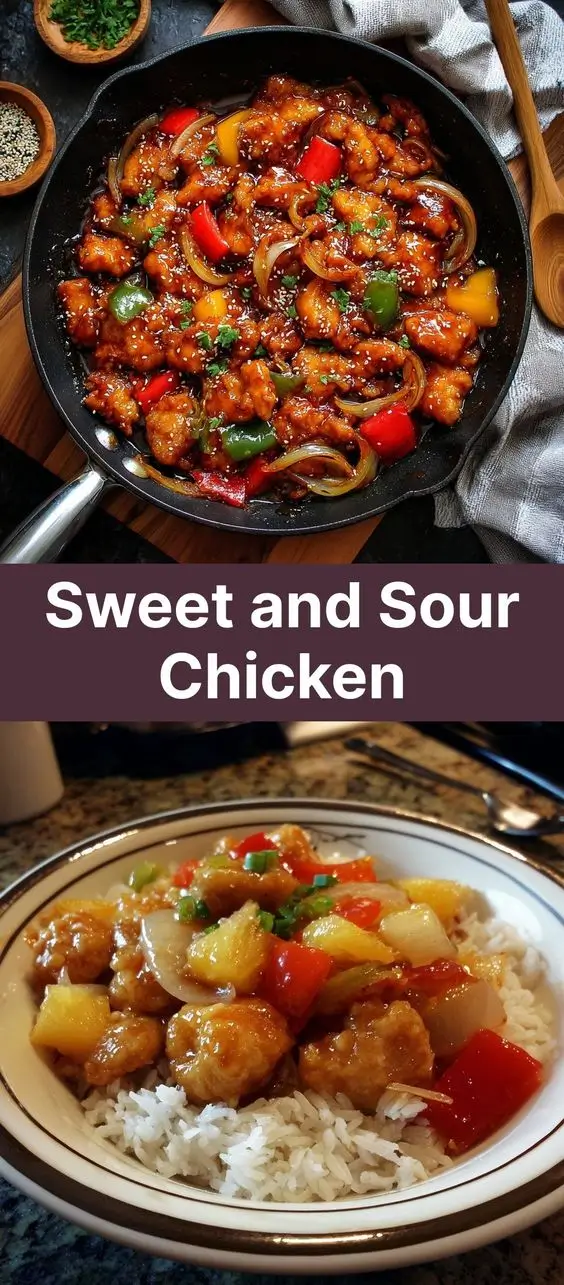
Sweet and Sour Chicken: A Flavorful Journey from Ancient China to Your Dinner Table
The History of Sweet and Sour Chicken
The origins of sweet and sour chicken can be traced back centuries to ancient Chinese culinary traditions, where the balance of flavors—sweet, sour, salty, bitter, and umami—was considered essential to creating harmonious dishes. While variations of sweet and sour combinations existed in regional Chinese cuisines as early as the Tang Dynasty (618–907 AD), the modern version of sweet and sour chicken as we know it today is largely a product of Cantonese cuisine, which emphasized delicate textures and bright flavor contrasts.
Originally, dishes featuring this flavor profile were made with fish or pork, such as the classic “Gu Lao Rou” (Sweet and Sour Pork), which used vinegar and sugar to create its signature taste. Over time, as poultry became more widely available and popular, especially in Southern China, chicken was incorporated into the recipe. However, the dish truly gained international fame during the 20th century through Chinese immigrants who adapted their traditional recipes to suit Western palates.
In North America and Europe, sweet and sour chicken evolved significantly. Restaurants began using deep-fried battered chicken, vibrant red sauce made with ketchup or tomato paste, and added vegetables like green bell peppers, onions, and pineapples to enhance both color and sweetness. The American-Chinese version diverged from its authentic roots but became immensely popular for its bold, approachable flavors and eye-catching presentation.
Today, sweet and sour chicken stands as one of the most recognizable Chinese-American dishes worldwide. Despite debates over authenticity, it remains a beloved staple in takeout menus and home kitchens alike—a testament to how food can evolve across cultures while still honoring its historical essence.
Ingredients Breakdown
Creating the perfect sweet and sour chicken requires a careful selection of ingredients that work together to deliver the ideal balance between tangy acidity and sugary richness, complemented by tender, crispy chicken and colorful vegetables. Below is a detailed breakdown of each component:
For the Chicken:
- Chicken Breast or Thighs (1.5 lbs / 700g): Boneless, skinless chicken breasts are most commonly used for their lean texture and mild flavor. Alternatively, chicken thighs can be chosen for a juicier, more flavorful result due to their higher fat content.
- All-Purpose Flour (½ cup): Provides structure and helps the batter adhere to the chicken before frying.
- Cornstarch (½ cup): Essential for achieving a light, crispy crust when fried. Cornstarch fries up crunchier than flour alone and absorbs less oil.
- Eggs (2 large): Used as a binding agent in the wet batter to help the dry coating stick to the chicken pieces.
- Baking Powder (1 tsp): Adds lift and extra crispiness to the fried exterior.
- Salt and Black Pepper (to taste): For seasoning the chicken and enhancing overall flavor.
- Vegetable Oil (for frying): Neutral-flavored oils with high smoke points like canola, peanut, or sunflower oil are ideal for deep-frying without imparting unwanted tastes.
For the Sweet and Sour Sauce:
- Granulated Sugar (¾ cup): The primary sweetener that balances the tartness of the vinegar. Brown sugar can also be used for a deeper molasses-like flavor.
- Distilled White Vinegar or Rice Vinegar (½ cup): Delivers sharp acidity; rice vinegar offers a milder, slightly fruity note compared to white vinegar’s punch.
- Ketchup (⅓ cup): Adds sweetness, body, and a vibrant red color. It’s a hallmark of Western-style sweet and sour sauce.
- Low-Sodium Soy Sauce (2 tbsp): Introduces savory depth (umami) and saltiness to round out the flavor profile.
- Pineapple Juice (½ cup): Naturally sweet and acidic, it enhances fruitiness and blends seamlessly with other sauce components. Freshly extracted juice works best.
- Water (¼ cup): Adjusts the consistency of the sauce to prevent it from being too thick or overpowering.
- Cornstarch Slurry (1 tbsp cornstarch + 2 tbsp cold water): Acts as a thickening agent to give the sauce a glossy, clingy texture that coats the chicken evenly.
For the Vegetable and Fruit Mix:
- Green Bell Pepper (1, diced): Adds freshness, crunch, and a subtle vegetal sweetness.
- Red Bell Pepper (1, diced): Complements the green pepper with brighter color and slightly sweeter taste.
- Onion (1 medium, chopped): Yellow or red onions provide aromatic depth and mild pungency that mellows during cooking.
- Fresh Pineapple Chunks (1 cup): The star ingredient that defines the tropical character of the dish. Canned pineapple can be substituted, but fresh yields superior texture and brightness.
- Garlic (2 cloves, minced): Enhances aroma and adds complexity to the sauce base.
- Ginger (1-inch piece, grated): Imparts a warm, spicy zing that cuts through the sweetness and elevates the overall flavor dimension.
Optional Garnishes:
- Sesame seeds (toasted)
- Green onions (thinly sliced)
- Red chili flakes (for heat)
- Additional pineapple wedges (for plating)
Step-by-Step Recipe
- Prepare the Chicken: Cut the chicken into bite-sized cubes (about 1 inch). Season lightly with salt and black pepper. In a large bowl, whisk the eggs until smooth and set aside.
- Create the Batter: In a separate shallow bowl, mix together flour, cornstarch, baking powder, and a pinch of salt. This dry blend will form the crispy outer layer.
- Dredge the Chicken: Dip each piece of chicken first into the egg wash, allowing excess to drip off, then roll thoroughly in the flour mixture until fully coated. Place on a plate and repeat until all pieces are covered. For extra crispiness, let the coated chicken rest for 10–15 minutes before frying.
- Heat the Oil: Pour about 1–2 inches of vegetable oil into a wok or deep skillet. Heat over medium-high until it reaches 350°F (175°C). If you don’t have a thermometer, test by dropping a small amount of batter into the oil—if it sizzles and rises immediately, the oil is ready.
- Fry the Chicken: Carefully add the chicken pieces in batches to avoid overcrowding. Fry for 3–4 minutes per batch, turning occasionally, until golden brown and cooked through. Remove with a slotted spoon and drain on paper towels. Let cool slightly while preparing the sauce.
- Make the Sweet and Sour Sauce Base: In a small saucepan, combine sugar, vinegar, ketchup, soy sauce, pineapple juice, and water. Stir well over medium heat until the sugar dissolves completely.
- Thicken the Sauce: In a small bowl, mix 1 tablespoon of cornstarch with 2 tablespoons of cold water to make a slurry. Slowly pour this into the simmering sauce while stirring continuously. Cook for another 2–3 minutes until the sauce thickens to a glossy, syrupy consistency. Remove from heat and set aside.
- Sauté the Vegetables: Drain excess oil from the wok, leaving just 1–2 teaspoons. Return to medium-high heat. Add minced garlic and grated ginger, stir for 30 seconds until fragrant. Add chopped onions, bell peppers, and fresh pineapple chunks. Stir-fry for 3–4 minutes until vegetables are tender-crisp.
- Combine Everything: Reduce heat to low. Pour the prepared sweet and sour sauce into the wok with the vegetables. Stir gently to coat. Then, add the fried chicken pieces and toss everything together until evenly mixed and heated through.
- Final Touch: Taste and adjust seasoning if needed—add a splash more vinegar for tang, sugar for sweetness, or soy sauce for saltiness. Serve immediately.
- Garnish and Plate: Transfer to a serving platter. Sprinkle with toasted sesame seeds and sliced green onions. Optionally, place around pineapple rings for an elegant presentation.
Tips for Perfect Sweet and Sour Chicken
- Double-Fry for Extra Crispiness: For an ultra-crispy texture, fry the chicken once at 325°F (160°C) to cook through, remove and cool, then refry at 375°F (190°C) for 1–2 minutes until golden. This technique mimics restaurant-quality results.
- Don’t Overcrowd the Pan: Frying in batches ensures even browning and prevents steaming, which leads to soggy chicken.
- Use Fresh Ingredients: Fresh pineapple contains natural enzymes (bromelain) that enhance flavor and aid digestion. Avoid using canned pineapple packed in heavy syrup unless rinsed well, as it may make the dish overly sweet.
- Balance the Flavors: Always taste your sauce before adding it to the stir-fry. The perfect sweet and sour ratio should dance on your tongue—neither cloyingly sweet nor mouth-puckeringly sour.
- Prevent Soggy Coating: Toss the chicken in the sauce just before serving. If combining too early, the moisture will soften the crispy exterior.
- Keep Vegetables Crunchy: Do not overcook the peppers and onions—they should retain a slight crunch for textural contrast.
- Rest Before Cutting: When making ahead, keep components separate and assemble only when ready to serve.
- Oil Temperature Matters: Too hot = burnt outside, raw inside; too cool = greasy, oily chicken. Use a thermometer for precision.
Variations and Customizations
Sweet and sour chicken is incredibly versatile and lends itself to numerous creative adaptations based on dietary needs, cultural preferences, or pantry availability.
Gluten-Free Version:
Replace all-purpose flour with gluten-free alternatives such as rice flour, tapioca starch, or a commercial GF blend. Ensure soy sauce is replaced with tamari or coconut aminos to maintain gluten-free integrity.
Healthier Baked Option:
To reduce fat content, skip deep-frying altogether. Instead, coat chicken pieces in the batter, spray lightly with olive oil, and bake on a parchment-lined tray at 425°F (220°C) for 20–25 minutes, flipping halfway, until golden and cooked through.
Air Fryer Method:
Coat chicken as usual, place in air fryer basket in a single layer, and cook at 375°F (190°C) for 12–15 minutes, shaking halfway. Results in crispy texture with minimal oil.
Protein Swaps:
- Sweet and Sour Pork: Traditional choice using pork shoulder or tenderloin.
- Sweet and Sour Shrimp: Lighter seafood alternative—reduce cooking time and handle gently.
- Tofu or Cauliflower (Vegan): Marinated tofu cubes or bite-sized cauliflower florets can replace chicken for plant-based versions.
Sauce Variants:
- Authentic Chinese Style: Skip ketchup and use only sugar, vinegar, and soy sauce with plum sauce or hoisin for depth.
- Spicy Kick: Add sriracha, chili garlic sauce, or dried red chilies during sautéing for a fiery twist.
- Fruit Infusions: Try mango, peach, or apricot nectar instead of pineapple juice for a unique flavor profile.
- Low-Sugar Option: Substitute sugar with monk fruit sweetener or erythritol, and use unsweetened pineapple juice.
Global Twists:
- Hawaiian-Inspired: Add ham or Canadian bacon and serve over coconut rice.
- Thai Fusion: Incorporate lime juice, fish sauce, and Thai basil for a Southeast Asian flair.
- Korean-Inspired: Use gochujang in the sauce and garnish with kimchi on the side.
Health Considerations and Nutritional Value
While undeniably delicious, sweet and sour chicken should be enjoyed in moderation due to certain nutritional factors associated with its preparation style.
Nutrition Facts (Per Serving, Approximate – Serves 4):
- Calories: 450–550 kcal
- Protein: 28–35g
- Total Fat: 18–25g (varies with frying method)
- Saturated Fat: 3–5g
- Carbohydrates: 45–55g
- Sugars: 25–30g (primarily from added sugar and pineapple)
- Sodium: 800–1200mg (mainly from soy sauce and ketchup)
- Fiber: 2–3g
- Vitamin C: High (from bell peppers and pineapple)
- Manganese & B6: Moderate levels from chicken and spices
Health Insights:
The deep-frying process contributes significant calories and fats, particularly if reheated multiple times or cooked in low-quality oil. Excessive consumption may impact heart health and weight management goals. Additionally, the high sugar and sodium content can be concerning for individuals with diabetes, hypertension, or those monitoring their intake.
However, the dish does offer benefits: chicken provides high-quality protein essential for muscle repair and satiety, while bell peppers and pineapple are rich in antioxidants, vitamin C, and anti-inflammatory compounds. Bromelain in pineapple may support digestive health and reduce inflammation.
To make a healthier version:
- Bake or air-fry instead of deep-frying.
- Reduce sugar by 25–30% or use natural substitutes.
- Opt for low-sodium soy sauce and limit ketchup.
- Add more vegetables like broccoli, carrots, or snap peas to boost fiber and nutrients.
- Serve with brown rice or quinoa instead of white rice for complex carbohydrates.
Ingredients
- 1.5 lbs (700g) boneless, skinless chicken breasts or thighs, cut into 1-inch cubes
- 2 large eggs, beaten
- ½ cup all-purpose flour
- ½ cup cornstarch
- 1 tsp baking powder
- Salt and freshly ground black pepper, to taste
- Vegetable oil, for frying
- ¾ cup granulated sugar
- ½ cup distilled white vinegar or rice vinegar
- ⅓ cup ketchup
- 2 tbsp low-sodium soy sauce
- ½ cup pineapple juice (fresh or unsweetened)
- ¼ cup water
- 1 tbsp cornstarch + 2 tbsp cold water (slurry)
- 1 green bell pepper, diced
- 1 red bell pepper, diced
- 1 medium onion, chopped
- 1 cup fresh pineapple chunks
- 2 cloves garlic, minced
- 1-inch piece ginger, grated
- Optional: toasted sesame seeds, sliced green onions, red chili flakes
Directions
- Cut chicken into uniform cubes and season with salt and pepper.
- In a bowl, beat eggs. In another bowl, mix flour, cornstarch, baking powder, and a pinch of salt.
- Dip chicken pieces into egg wash, then coat thoroughly with flour mixture. Shake off excess and place on a tray.
- Heat 1–2 inches of vegetable oil in a wok or deep pan to 350°F (175°C).
- Fry chicken in batches for 3–4 minutes until golden and cooked through. Drain on paper towels.
- In a saucepan, combine sugar, vinegar, ketchup, soy sauce, pineapple juice, and water. Bring to a simmer over medium heat.
- Stir in cornstarch slurry and cook until thickened (2–3 minutes). Remove from heat.
- Drain excess oil, leaving 1–2 tsp in wok. Sauté garlic and ginger for 30 seconds.
- Add onions and bell peppers; stir-fry 2 minutes. Add pineapple and cook 1–2 minutes more.
- Reduce heat, pour in sauce, then add fried chicken. Gently toss to coat.
- Taste and adjust seasoning. Garnish with sesame seeds and green onions.
- Serve hot over steamed rice.
FAQ
- Can I make sweet and sour chicken ahead of time?
- Yes, but store components separately. Keep sauce refrigerated and reheat gently, and store chicken and veggies in airtight containers. Assemble and warm just before serving to preserve texture.
- Why is my sauce too thin or too thick?
- If too thin, mix additional cornstarch slurry (½ tsp + 1 tsp water) and stir in. If too thick, dilute with small amounts of water or pineapple juice until desired consistency is reached.
- Can I freeze sweet and sour chicken?
- Freezing is possible but not ideal—the texture of the batter becomes soggy upon thawing and reheating. If freezing, do so before frying, or freeze leftovers in a sealed container for up to 2 months. Reheat in oven to restore crispiness.
- Is sweet and sour chicken authentic Chinese food?
- The flavor concept originates from southern China, but the version with bright red sauce, pineapple, and battered chicken is primarily a Chinese-American creation tailored to Western tastes.
- Can I use frozen pineapple?
- Yes, but thaw and drain completely to avoid excess moisture. Fresh pineapple is preferred for better flavor and enzyme activity.
- What can I substitute for ketchup?
- You can omit ketchup and increase sugar slightly while adding a bit of tomato paste and a dash of smoked paprika for color and depth.
- How do I keep the chicken crispy?
- Fry at correct temperature, drain well, and toss with sauce right before eating. Placing fried chicken on a wire rack instead of paper towels also prevents steaming.
Summary
Sweet and sour chicken is a vibrant, globally cherished dish that masterfully balances tangy, sweet, and savory notes, featuring crispy fried chicken tossed in a glossy homemade sauce with colorful bell peppers and juicy pineapple. While rooted in Chinese culinary philosophy, its modern form reflects cross-cultural innovation, making it a timeless favorite for both casual dinners and festive gatherings.