Introduction
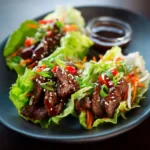
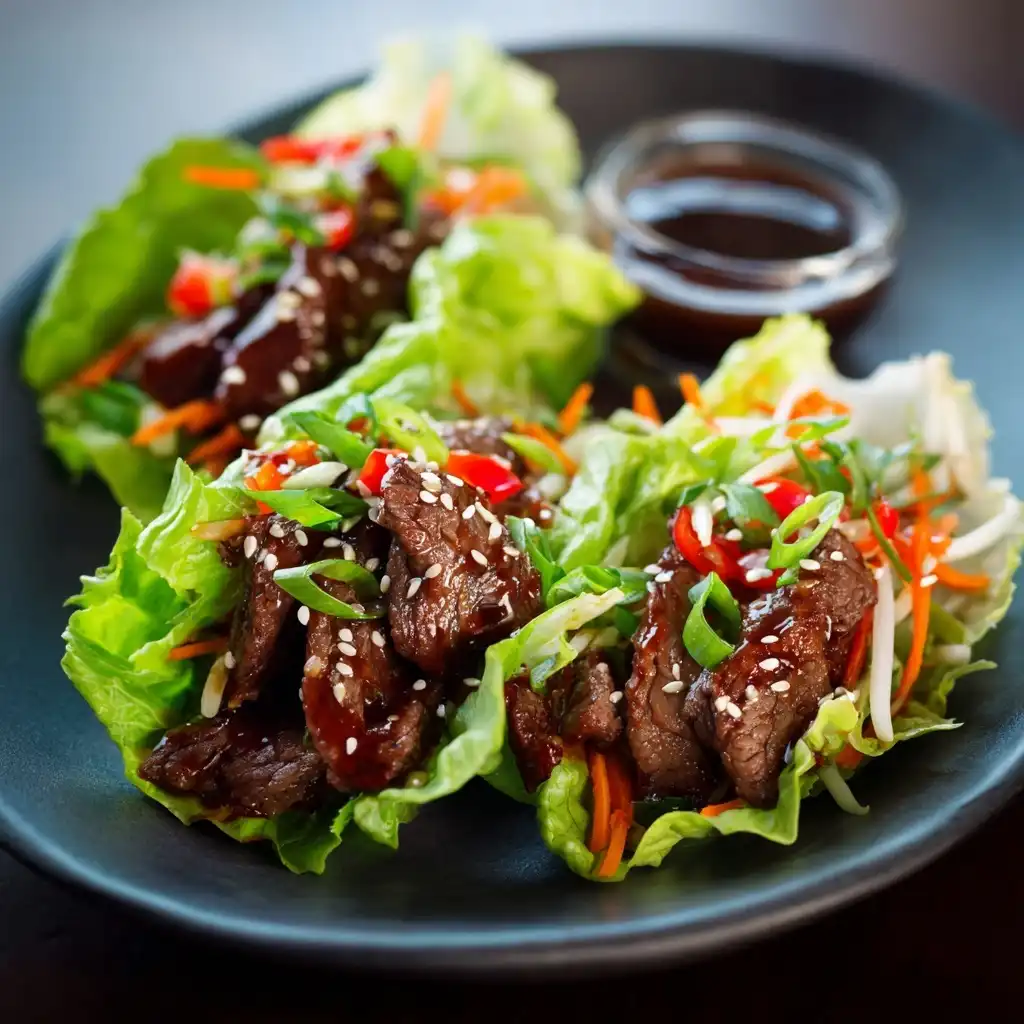
Teriyaki Beef Lettuce Wraps are a vibrant, restaurant-worthy dish that effortlessly bridges the gap between bold Asian flavors and light, health-conscious eating. Combining tender strips of marinated beef with a glossy, umami-rich teriyaki glaze—and nestled in cool, crisp butter or iceberg lettuce cups—these wraps deliver a perfect harmony of sweet, salty, savory, and refreshing textures in every bite. Ideal for weeknight dinners, summer cookouts, appetizers, or even elegant dinner parties, they’re endlessly adaptable, gluten-free friendly (with proper substitutions), low-carb, and naturally satisfying without feeling heavy. Whether you’re a seasoned home cook or just discovering Japanese-inspired cuisine, this dish invites creativity, speed, and flavor-forward satisfaction—all while keeping nutrition front and center.
The History
The origins of Teriyaki Beef Lettuce Wraps lie at the intersection of traditional Japanese cooking and modern American culinary fusion. Teriyaki itself traces back to 17th-century Japan, where “teri” (luster or shine) and “yaki” (grill or broil) described a cooking technique using a soy-based glaze to create a glossy, caramelized finish on grilled fish—most notably salmon and mackerel. As Japanese immigrants settled across North America in the early-to-mid 20th century, teriyaki evolved: mirin was often substituted with brown sugar or honey for accessibility; ginger and garlic were amplified for bolder appeal; and the sauce began appearing on chicken, pork, and eventually beef—especially in Hawaii and later in mainland U.S. food trucks and pan-Asian bistros.
Lettuce wraps, meanwhile, have ancient roots in East and Southeast Asia—think Vietnamese gỏi cuốn (rice paper rolls with herbs and protein) or Chinese yǔ shēng (raw fish salad served in lettuce cups during Lunar New Year). In the 1980s and ’90s, American chefs began reimagining these concepts for lighter, low-carb dining trends—popularized further by wellness movements and keto/whole30 communities. The marriage of teriyaki-marinated beef with fresh lettuce cups thus emerged organically: a culturally resonant, globally inspired, and nutritionally intelligent format that honors tradition while embracing contemporary dietary values.
Ingredients Breakdown
Every exceptional Teriyaki Beef Lettuce Wrap begins with intentionality—not just in flavor, but in sourcing, balance, and function. Below is a meticulous breakdown of each core component and why it matters:
- Beef Sirloin or Flank Steak (1 lb): Lean yet flavorful, sirloin offers tenderness without excessive fat; flank steak delivers deeper beefiness and excellent marinade absorption—but requires precise slicing *against the grain* after cooking to ensure melt-in-your-mouth texture.
- Low-Sodium Soy Sauce (½ cup): The foundational umami base. Low-sodium versions prevent oversalting while preserving depth—critical when reducing the sauce later. Tamari is an excellent gluten-free alternative with richer, earthier notes.
- Mirin (¼ cup): A mild, slightly sweet Japanese rice wine essential for authentic teriyaki luster and subtle acidity. If unavailable, substitute with dry sherry + 1 tsp sugar—or for strict non-alcoholic needs, use 2 tbsp rice vinegar + 1 tbsp honey.
- Unseasoned Rice Vinegar (1 tbsp): Adds brightness and balances sweetness; prevents the sauce from tasting cloying. Never omit—it’s the secret counterpoint to the richness of the glaze.
- Fresh Ginger (1½ tbsp grated, ~1-inch knob): Must be freshly grated (not powdered) for pungent, zesty warmth that cuts through fat and enhances aroma. Microplane yields ideal texture and maximum juice extraction.
- Fresh Garlic (3–4 cloves, finely minced): Raw garlic provides sharp, aromatic intensity; sautéing it gently in oil before adding beef mellows its bite while deepening savoriness.
- Brown Sugar (3 tbsp, packed): Adds caramelization and body. Dark brown sugar contributes molasses depth; coconut sugar works as a lower-glycemic alternative with nuanced caramel notes.
- Sesame Oil (1½ tsp toasted): Used *only at the end*—never for cooking—as high heat degrades its delicate nutty aroma. Drizzling it over finished beef imparts an unmistakable fragrance synonymous with Asian street food.
- Green Onions (½ cup, thinly sliced): For freshness, color, and mild oniony lift. Reserve white parts for cooking (sautéed with garlic/ginger) and green tops for garnish.
- Sesame Seeds (2 tbsp, toasted): Adds crunch, visual appeal, and toasted-nut complexity. Toast in a dry skillet over medium-low heat for 1–2 minutes until golden and fragrant—cool before sprinkling.
- Lettuce (1 large head butter lettuce or 2 heads iceberg): Butter lettuce offers delicate, cup-shaped leaves with subtle sweetness and velvety texture—ideal for holding saucy fillings without tearing. Iceberg provides maximum crunch and structural integrity, especially useful for meal prep or picnics.
- Optional Enhancers: Sliced red bell pepper (for color and sweetness), shredded carrots (crunch + beta-carotene), pickled daikon (tangy contrast), kimchi (fermented zing), or crushed roasted peanuts (extra protein + texture).
Step-by-Step Recipe
- Prep the Marinade & Marinate the Beef (30 min–2 hrs): In a bowl, whisk together soy sauce, mirin, rice vinegar, grated ginger, minced garlic (white parts only), brown sugar, and 1 tsp sesame oil. Add thinly sliced raw beef (sliced against the grain into ¼-inch strips) and toss thoroughly. Cover and refrigerate for minimum 30 minutes—or up to 2 hours for deeper flavor penetration. Do not exceed 2 hours, as the acidity can begin to “cook” the beef and affect texture.
- Prep the Lettuce Cups: Wash lettuce leaves carefully under cold water. Gently pat dry with clean kitchen towels or use a salad spinner. Remove any tough ribs from the base to help leaves lay flat. Arrange on a large serving platter or tray; refrigerate uncovered to keep crisp.
- Cook the Aromatics: Heat 1 tbsp neutral oil (like avocado or grapeseed) in a large wok or stainless steel skillet over medium-high heat until shimmering. Add reserved white parts of green onions, remaining minced garlic, and ginger. Stir-fry 30–45 seconds until fragrant—do not brown.
- Stir-Fry the Beef: Remove beef from marinade (reserve marinade!) and shake off excess liquid. Add beef in a single layer—do not overcrowd. Let sear undisturbed for 1 minute, then stir-fry vigorously for 2–3 more minutes until just cooked through and lightly browned. Transfer to a clean bowl and set aside.
- Reduce the Teriyaki Sauce: Pour reserved marinade into the hot pan. Bring to a rapid simmer and cook 3–4 minutes, stirring occasionally, until reduced by ~⅓ and thickened to a syrupy, glossy consistency that coats the back of a spoon. Watch closely—over-reduction leads to bitterness or burning.
- Combine & Finish: Return cooked beef to the pan with the reduced teriyaki sauce. Toss over low heat for 1 minute to evenly coat and reheat. Remove from heat and stir in remaining ½ tsp toasted sesame oil and most of the green onion tops (reserving some for garnish). Taste and adjust: add a splash of rice vinegar if too sweet, a pinch of black pepper if flat, or a drop of chili oil for heat.
- Assemble & Serve: Spoon warm beef mixture generously into chilled lettuce cups. Top with toasted sesame seeds, remaining green onions, and optional garnishes (e.g., julienned cucumber, microgreens, or sriracha drizzle). Serve immediately while the beef is hot and the lettuce is refreshingly cool.
Tips
- Freeze for Future Ease: Portion uncooked marinated beef into freezer-safe bags (remove air, label, date). Freeze up to 3 months. Thaw overnight in fridge—discard any excess liquid before cooking.
- Knife Skills Matter: Use a very sharp chef’s knife and chill the beef for 15 minutes before slicing—it firms up the muscle fibers, allowing cleaner, thinner, more uniform cuts against the grain.
- Sauce Consistency Hack: If your teriyaki reduces too quickly or becomes overly thick, whisk in 1 tsp warm water or unsalted beef broth to loosen. Avoid cold water—it causes splattering and temperature shock.
- No-Wok Worry: Don’t own a wok? A heavy-bottomed cast iron or stainless skillet works beautifully—just ensure high heat capability and avoid nonstick pans for searing (they can’t reach optimal temps and coatings degrade under high heat).
- Make It Ahead (Smartly): Marinate beef and prep lettuce cups up to 1 day ahead. Cook the beef *just before serving*—reheating pre-cooked teriyaki beef makes it rubbery. However, you *can* fully prepare the sauce separately and refrigerate for up to 5 days—reheat gently before tossing with fresh beef.
- Texture Contrast is Key: Always serve with crunchy, raw elements—even if just extra-sliced scallions or radish sprouts. That crisp-tender interplay defines the wrap experience.
- Leftover Magic: Repurpose leftovers into teriyaki beef fried rice (add day-old rice, peas, egg), stuffed baked potatoes, or as a taco filling with quick-pickled onions and cilantro-lime crema.
- Fire Safety First: Mirin and sugar ignite easily. Keep your stovetop fan on, have a lid nearby to smother flames, and never walk away during sauce reduction.
Variations and Customizations
This recipe is a vibrant canvas—designed for personalization based on dietary goals, seasonal produce, pantry staples, or global flavor wanderlust. Here are thoughtfully curated variations—each tested for balance and authenticity:
- Vegetarian/Vegan Teriyaki “Beef” Wraps: Swap beef for extra-firm tofu (pressed 30 min, cubed, pan-seared until golden) or king oyster mushrooms (sliced lengthwise, pounded thin, marinated and grilled). Boost umami with 1 tsp nutritional yeast or dried shiitake powder in the marinade. Use tamari + maple syrup instead of soy/mirin/sugar combo.
- Spicy Miso-Teriyaki Version: Whisk 1 tbsp white miso paste + 1 tsp gochujang (Korean chili paste) into the marinade. Garnish with nori strips and yuzu kosho (if available) for citrus-heat complexity.
- Pineapple-Ginger Tropical Twist: Add ¼ cup finely diced fresh pineapple (reserve juice) to the marinade—and include 1 tsp pineapple juice in the reduction. Top wraps with grilled pineapple chunks and chopped macadamia nuts.
- Umami Bomb Mushroom & Scallion: Replace half the beef with sautéed shiitake and oyster mushrooms (sliced, cooked until deeply browned). Finish with black garlic oil and crispy shallots.
- Breakfast Lettuce Wraps: Use ground turkey or tempeh crumbles, add a splash of Worcestershire and smoked paprika to the marinade, and top with soft-scrambled eggs, avocado slices, and everything bagel seasoning.
- Holiday-Inspired Cranberry-Teriyaki: Simmer ¼ cup whole-berry cranberry sauce into the reduced teriyaki for tart-sweet depth. Garnish with orange zest and pomegranate arils—perfect for festive gatherings.
- Keto/Low-Carb Optimized: Replace brown sugar with 1½ tsp erythritol + ½ tsp stevia glycerite blend. Add 1 tsp xanthan gum to sauce while reducing for viscosity. Serve with jicama slaw instead of carrots.
- Meal-Prep Friendly Batch Version: Double the recipe and cook beef in two batches. Divide into 4–6 portioned glass containers with lettuce cups stored separately (wrap in damp paper towel inside sealed container). Reheat beef only—assemble cold.
- Grill Master Edition: Skewer marinated beef strips and grill over medium-high direct heat for 2–3 minutes per side. Baste with reserved sauce during last minute. Serve with charred scallions and grilled shiitakes.
- Deconstructed Sushi Bowl: Skip lettuce cups entirely. Layer warm teriyaki beef over sushi rice or cauliflower rice, then top with nori strips, tobiko, wasabi aioli, and pickled ginger—transforming the concept into a nourishing, handheld-free bowl.
Health Considerations and Nutritional Value
Teriyaki Beef Lettuce Wraps stand out as a remarkably balanced, nutrient-dense meal option—especially when prepared mindfully. A standard serving (¾ cup beef mixture + 4 large butter lettuce cups) contains approximately:
- Calories: ~320–360 kcal (highly dependent on beef cut and oil use)
- Protein: 28–32g — supporting muscle maintenance, satiety, and metabolic health. Grass-fed beef adds conjugated linoleic acid (CLA) and higher omega-3s.
- Carbohydrates: 14–18g — primarily from natural sugars in mirin and brown sugar; net carbs drop to ~9–12g when using low-carb sweeteners.
- Fiber: 2–3g — contributed by lettuce, optional veggies (carrots, peppers), and fermented add-ons like kimchi or pickles.
- Fats: 14–18g — mostly heart-healthy monounsaturated (sesame oil, beef fats) and polyunsaturated fats. Saturated fat remains moderate (~5g) with lean cuts.
- Vitamins & Minerals: Rich in iron (heme form—highly bioavailable), zinc, B12, selenium, vitamin K (from lettuce), vitamin C (from bell peppers/garnishes), and gingerol (anti-inflammatory compound in fresh ginger).
Dietary Adaptability: Naturally gluten-free when using tamari or certified GF soy sauce; dairy-free, nut-free (unless added), and Whole30-compliant with coconut aminos and no sugar (use date paste or monk fruit). For sodium-conscious eaters, opt for low-sodium soy/tamari, reduce added salt, and boost flavor with citrus zest, toasted spices, or herb-infused oils instead of relying solely on soy.
Important Considerations: Traditional teriyaki sauce is high in sodium and added sugar—this recipe mitigates both by using reduced amounts, balancing with acid (vinegar), and emphasizing whole-food ingredients. Those managing hypertension, diabetes, or kidney disease should consult a registered dietitian for personalized portion guidance. Also note: While lettuce provides hydration and fiber, it’s low in calories—ensure adequate healthy fats and protein in the overall meal pattern to support sustained energy and hormonal balance.
Ingredients
- 1 pound lean beef sirloin or flank steak, thinly sliced against the grain into ¼-inch strips
- ½ cup low-sodium soy sauce (or tamari for gluten-free)
- ¼ cup mirin (or substitute: 2 tbsp dry sherry + 1 tsp sugar)
- 1 tablespoon unseasoned rice vinegar
- 1½ tablespoons fresh ginger, peeled and finely grated
- 4 cloves garlic, finely minced (separate white and green parts)
- 3 tablespoons packed dark brown sugar (or coconut sugar)
- 1½ teaspoons toasted sesame oil, divided
- 1 tablespoon neutral high-heat oil (avocado, grapeseed, or peanut)
- ½ cup green onions, thinly sliced (reserve white parts for cooking, green for garnish)
- 2 tablespoons toasted sesame seeds
- 1 large head butter lettuce (or 2 heads iceberg), leaves separated, washed, and thoroughly dried
- Optional garnishes: julienned red bell pepper, shredded purple cabbage, pickled ginger, lime wedges, chili crisp, or crushed roasted peanuts
Directions
- In a medium bowl, whisk together soy sauce, mirin, rice vinegar, grated ginger, minced garlic (white parts only), brown sugar, and 1 teaspoon of the toasted sesame oil. Add sliced beef and toss to coat evenly. Cover and refrigerate for 30 minutes to 2 hours.
- Wash lettuce leaves carefully and pat completely dry. Arrange on a serving platter and refrigerate uncovered until ready to serve.
- Heat neutral oil in a large wok or heavy-bottomed skillet over medium-high heat until shimmering. Add reserved white parts of green onions and remaining minced garlic. Stir-fry for 30 seconds until fragrant.
- Remove beef from marinade, shaking off excess liquid. Add beef in a single layer and sear undisturbed for 1 minute. Stir-fry 2–3 more minutes until just cooked through and lightly browned. Transfer to a clean bowl and set aside.
- Pour reserved marinade into the hot pan. Bring to a vigorous simmer and cook 3–4 minutes, stirring occasionally, until reduced by about one-third and glossy.
- Return beef to the pan with the reduced sauce. Toss over low heat for 1 minute to combine and reheat. Remove from heat and stir in remaining ½ teaspoon toasted sesame oil and most of the green onion tops.
- Spoon warm beef mixture into chilled lettuce cups. Garnish with toasted sesame seeds, remaining green onions, and any desired toppings. Serve immediately.
FAQ
- Can I use ground beef instead of sliced steak?
- Absolutely! Brown 1 lb 90/10 ground beef in the skillet first, breaking it apart. Drain excess fat, then proceed with aromatics and sauce reduction. Ground beef absorbs teriyaki beautifully—and yields a more taco-like texture. Reduce initial simmer time to 2 minutes since there’s no raw meat to cook through.
- Why does my teriyaki sauce burn or turn bitter?
- Teriyaki burns easily due to sugar content. Always reduce over medium-low to medium heat—not high—and stir frequently during the final minute. Use a light-colored pan to monitor color changes. If it starts smoking or darkening rapidly, immediately remove from heat and whisk in 1 tsp warm water to halt caramelization.
- Can I make this vegetarian without tofu?
- Yes! Try hearty portobello caps (marinated and grilled), seitan strips (homemade or store-bought), or even spiced lentil-walnut “meat” crumbles. Each brings unique texture and protein density—just adjust marinade time accordingly (lentils need only 15 mins; seitan benefits from 1 hour).
- How do I store and reheat leftovers safely?
- Store cooled beef mixture separately from lettuce in airtight containers in the refrigerator for up to 4 days. Reheat beef only—microwave with a splash of water or steam in a covered skillet. Never reheat lettuce—it wilts and becomes unsafe. Assemble fresh each time.
- Is there a low-sugar version suitable for diabetics?
- Yes. Replace brown sugar with 1½ tsp allulose or monk fruit blend (zero glycemic impact). Add 1 tsp apple cider vinegar for tang to compensate for lost depth. Monitor blood glucose response individually—and pair with extra non-starchy vegetables to slow absorption.
- What lettuce alternatives work if butter lettuce isn’t available?
- Romaine hearts (sturdy, slightly bitter), napa cabbage leaves (mild, crisp), or even large spinach or Swiss chard leaves (blanched 10 seconds for pliability) all function well. Avoid delicate greens like arugula or spring mix—they tear easily and lack structural support.
- Can I freeze the cooked teriyaki beef?
- Yes—but with caveats. Cooked teriyaki beef freezes well for up to 2 months if cooled completely and stored in portioned, freezer-safe containers with minimal air. Thaw overnight in fridge and reheat gently on stove (not microwave) to preserve texture. Note: Freezing may slightly soften the beef’s sear—but flavor remains exceptional.
- My sauce didn’t thicken—what went wrong?
- Common causes: too much liquid (did you reserve *all* marinade?), insufficient simmer time, or using low-sugar substitutes that don’t caramelize. Fix it by returning sauce to heat and reducing further—or whisk in ¼ tsp cornstarch mixed with 1 tsp cold water, then simmer 1 minute until clear and glossy.
- Are there allergen-friendly swaps for common sensitivities?
- Fully customizable: Use coconut aminos (soy-free, gluten-free, lower sodium), sunflower seed butter oil (nut-free sesame sub), and certified GF tamari. Omit green onions for allium sensitivity—or use chives. Always verify labels on mirin (some contain wheat) and choose “pure rice wine” versions.
- How kid-friendly is this recipe—and how can I adapt it for picky eaters?
- Highly adaptable! Reduce ginger/garlic by half, skip chili additions, and offer build-your-own stations: plain lettuce cups, mild teriyaki beef, shredded cheese, diced apples, and creamy avocado slices. Let kids assemble their own—engagement increases willingness to try new foods.
Summary
Teriyaki Beef Lettuce Wraps are a masterclass in effortless elegance—melding centuries-old Japanese teriyaki tradition with modern wellness principles, vibrant textures, and boundless customization potential. With lean protein, gut-friendly fermentation options, low-net-carb structure, and zero refined flour, they satisfy cravings while nourishing the body holistically.
Whether served as a 20-minute weeknight staple, a showstopping appetizer at a dinner party, or a portable lunchbox hero, these wraps prove that deeply flavorful, restaurant-quality meals don’t require compromise—they simply require thoughtful ingredients, smart technique, and the joyful freedom to make them uniquely yours.