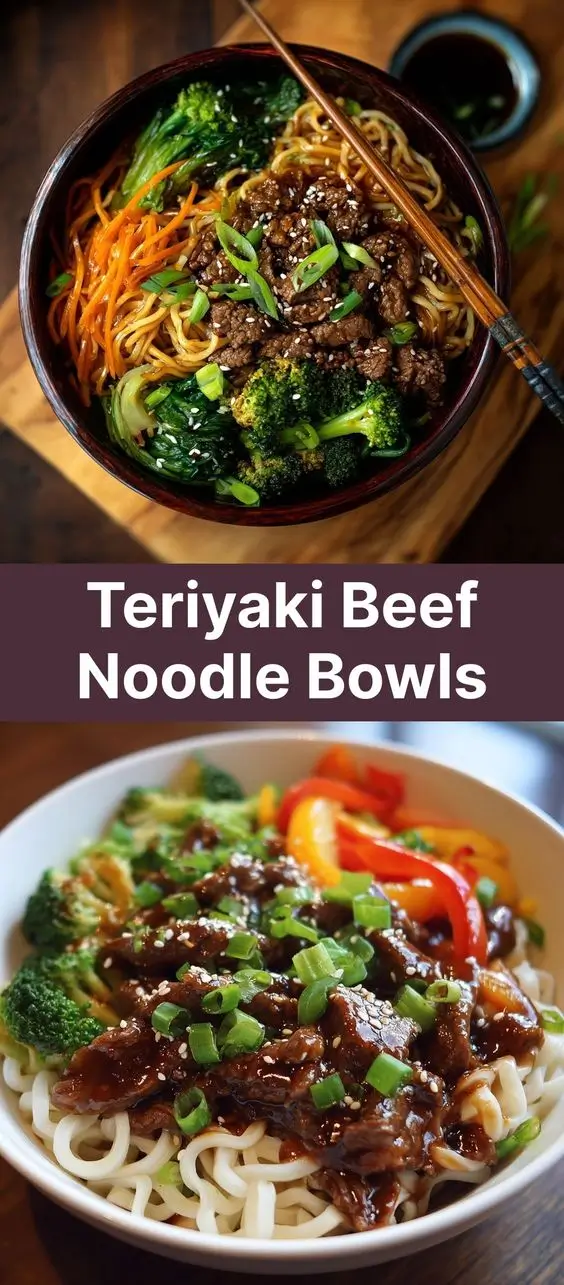
Teriyaki Beef Noodle Bowls: A Flavorful Fusion of Sweet, Savory, and Satisfying
The History: Where East Meets West in a Delicious Bowl
The Teriyaki Beef Noodle Bowl is a modern culinary masterpiece born from the fusion of Japanese cooking techniques and Western comfort food sensibilities. While teriyaki itself has deep roots in Japanese cuisine—dating back to the Edo period (1603–1868)—the concept of combining it with noodles in a bowl format is more contemporary, influenced by global street food culture and the rise of fast-casual dining.
Traditional teriyaki refers to a method of grilling or broiling foods with a glaze made from soy sauce, mirin, sake, and sugar. The word “teri” means luster, referring to the shiny glaze, while “yaki” means grilled or broiled. Over time, as Japanese immigrants brought their culinary traditions abroad—particularly to Hawaii and the continental United States—the dish evolved. In Hawaii, teriyaki became a staple, often served over rice with mac salad. However, the noodle bowl adaptation emerged more recently in urban food scenes, where chefs began experimenting with rice noodles, udon, soba, and even ramen as bases for bold, saucy proteins like teriyaki beef.
Today’s Teriyaki Beef Noodle Bowl reflects this rich cultural exchange. It marries the umami depth of Japanese-inspired marinades with the hearty satisfaction of Asian-style noodles, creating a dish that’s both comforting and sophisticated. Found everywhere from food trucks to high-end restaurants, this bowl has become a symbol of modern fusion cuisine—accessible, customizable, and deeply flavorful.
Ingredients Breakdown: Crafting the Perfect Bowl
To make an authentic yet innovative Teriyaki Beef Noodle Bowl, you’ll need a balance of savory, sweet, salty, and fresh ingredients. Each component plays a crucial role in building layers of flavor and texture. Here’s a detailed breakdown:
For the Teriyaki Sauce:
- Soy Sauce (Low-Sodium preferred): Provides the foundational saltiness and umami. Using low-sodium allows better control over salt content.
- Mirin: A sweet rice wine that adds subtle sweetness and gloss to the glaze. If unavailable, substitute with dry white wine and a touch of sugar.
- Granulated Sugar or Brown Sugar: Balances the saltiness and helps create the signature sticky glaze. Brown sugar adds a hint of molasses for depth.
- Rice Vinegar: Adds brightness and cuts through the richness of the sauce.
- Fresh Garlic (minced): Infuses aromatic complexity into the sauce.
- Ginger (freshly grated): Offers a spicy, citrusy warmth essential to Asian flavor profiles.
- Cornstarch Slurry (cornstarch + water): Thickens the sauce to achieve that glossy, clingy consistency perfect for coating beef and noodles.
For the Beef:
- Sirloin, Ribeye, or Flank Steak: These cuts are tender, flavorful, and ideal for quick searing. Flank steak offers great texture when sliced thinly against the grain.
- Vegetable Oil or Avocado Oil: High smoke point oils perfect for high-heat cooking without burning.
- Optional Marinade Enhancers: Sesame oil, green onions, or a splash of pineapple juice can deepen flavor and aid in tenderizing the meat.
For the Noodles:
- Rice Noodles (Pad Thai style): Gluten-free, light, and excellent at absorbing sauce.
- Soba Noodles: Made from buckwheat, offering an earthy taste and firm bite.
- Udon or Ramen Noodles: Chewier textures; ideal if you prefer heartier bowls. Use fresh or dried depending on availability.
For the Vegetable Medley:
- Bell Peppers (red, yellow, orange): Colorful, sweet, and crisp when stir-fried quickly.
- Broccoli Florets: Adds crunch and nutrition; blanching first ensures tenderness.
- Carrots (julienned or shredded): For color and natural sweetness.
- Snap Peas or Snow Peas: Delicate, sweet legumes that cook quickly.
- Green Onions: Both white and green parts used—for cooking and garnish.
- Garlic and Ginger: Freshly minced for maximum aroma and flavor infusion.
For Garnish and Toppings:
- Toasted Sesame Seeds: Nutty flavor and visual appeal.
- Sliced Green Onions: Fresh, sharp accent.
- Chili Flakes or Sriracha: For those who enjoy heat.
- Lime Wedges: Brightens the entire dish with a citrus pop.
- Cilantro (optional): Adds herbal freshness loved by many, though polarizing.
- Fried Egg (optional): Turns the bowl into a complete meal with creamy yolk richness.
Step-by-Step Recipe: How to Make Teriyaki Beef Noodle Bowls at Home
Ingredients
- 1 lb flank steak or sirloin, thinly sliced against the grain
- 8 oz rice noodles or soba noodles
- 2 tbsp vegetable oil (divided)
- 1 red bell pepper, julienned
- 1 yellow bell pepper, julienned
- 1 cup broccoli florets
- 1 large carrot, shredded or julienned
- 1/2 cup snow peas, trimmed
- 3 cloves garlic, minced
- 1 tbsp fresh ginger, grated
- 4 green onions, sliced (whites and greens separated)
Homemade Teriyaki Sauce:
- 1/2 cup low-sodium soy sauce
- 1/4 cup mirin
- 2 tbsp granulated sugar (or brown sugar)
- 1 tbsp rice vinegar
- 1 tsp sesame oil
- 2 cloves garlic, minced
- 1 tsp fresh ginger, grated
- 1 tbsp cornstarch mixed with 2 tbsp cold water (slurry)
Directions
- Prepare the Noodles: Cook noodles according to package instructions until al dente. Drain, rinse under cold water to stop cooking, and toss with a little oil to prevent sticking. Set aside.
- Make the Teriyaki Sauce: In a small saucepan, combine soy sauce, mirin, sugar, rice vinegar, sesame oil, garlic, and ginger. Bring to a gentle simmer over medium heat. Stir in the cornstarch slurry and continue stirring for 2–3 minutes until the sauce thickens and becomes glossy. Remove from heat and set aside.
- Marinate the Beef (Optional but Recommended): In a bowl, toss sliced beef with 2 tablespoons of the prepared teriyaki sauce and let sit for 15–30 minutes in the refrigerator. This enhances flavor and tenderness.
- Stir-Fry the Vegetables: Heat 1 tablespoon of oil in a large wok or skillet over high heat. Add garlic, ginger, and white parts of green onions; sauté for 30 seconds until fragrant. Add bell peppers, broccoli, carrots, and snow peas. Stir-fry for 3–4 minutes until crisp-tender. Remove vegetables and set aside.
- Cook the Beef: Heat remaining oil in the same pan. Add marinated beef in a single layer (work in batches if needed). Sear for 1–2 minutes per side until browned but still juicy. Avoid overcrowding to ensure proper browning.
- Combine Everything: Return cooked vegetables to the pan with beef. Pour in the remaining teriyaki sauce and toss everything together. Let simmer for 1–2 minutes so flavors meld.
- Assemble the Bowls: Divide noodles among serving bowls. Top generously with teriyaki beef and vegetable mixture. Drizzle with extra sauce if desired.
- Garnish and Serve: Sprinkle with toasted sesame seeds, green onion tops, cilantro, and serve with lime wedges on the side. Add a fried egg for extra richness if desired.
Tips for the Best Teriyaki Beef Noodle Bowls
- Slice Beef Thinly and Against the Grain: This ensures tenderness. Partially freezing the beef for 20–30 minutes makes slicing easier.
- Don’t Overcook the Beef: Since it cooks quickly, aim for medium-rare to medium to keep it tender and juicy.
- Prep Ahead: Chop all vegetables and make the sauce in advance. This dish comes together fast, so having everything ready is key.
- Use High Heat for Stir-Frying: This prevents steaming and ensures a nice sear on the beef and crisp texture in veggies.
- Adjust Sauce Thickness: If the sauce gets too thick upon cooling, reheat with a splash of water or broth.
- Balance Flavors: Taste your teriyaki sauce before adding—adjust sweetness with more sugar or acidity with a bit more vinegar.
- Avoid Mushy Noodles: Rinse cooked noodles with cold water and coat lightly with oil to prevent clumping.
- Add Crunch: Top with crushed peanuts, crispy chow mein noodles, or tempura flakes for extra texture.
Variations and Customizations
The beauty of Teriyaki Beef Noodle Bowls lies in their versatility. Whether you’re catering to dietary needs, seasonal produce, or adventurous palates, here are some delicious twists:
Protein Variations:
- Chicken Teriyaki: Swap beef for boneless chicken thighs or breasts. Marinate and cook similarly.
- Shrimp or Salmon: Use peeled shrimp or salmon fillets for a seafood twist. Reduce cooking time accordingly.
- Tofu or Tempeh (Vegan): Press and pan-fry tofu cubes until golden, then coat with teriyaki sauce. Great plant-based option.
Noodle Alternatives:
- Zucchini Noodles (Zoodles): For a low-carb, keto-friendly version. Add at the end to avoid sogginess.
- Spaghetti Squash: Roast ahead of time and shred into strands for a natural, gluten-free base.
- Quinoa or Brown Rice: Turn it into a grain bowl for added fiber and protein.
Veggie Swaps and Additions:
- Mushrooms (shiitake, oyster, cremini): Add umami and meaty texture.
- Bok Choy or Napa Cabbage: Wilt into the stir-fry for leafy greens.
- Bean Sprouts: Add raw after cooking for fresh crunch.
- Pineapple Chunks: Complement the sweetness of teriyaki—classic Hawaiian influence.
Sauce Twists:
- Spicy Teriyaki: Add sriracha, gochujang, or chili garlic sauce to the mix.
- Pineapple Teriyaki: Blend in fresh pineapple juice for tropical flair.
- Coconut Teriyaki: Replace part of the liquid with coconut aminos or coconut milk for a richer profile.
- Gluten-Free: Use tamari instead of soy sauce.
Dietary Adaptations:
- Keto/Low-Carb: Use zoodles or shirataki noodles; reduce sugar in sauce or use erythritol.
- Whole30/Paleo: Use coconut aminos, omit sugar, and thicken with arrowroot instead of cornstarch.
- Vegan/Vegetarian: Replace beef with mushrooms or tofu; use maple syrup instead of honey if needed.
Health Considerations and Nutritional Value
When prepared mindfully, Teriyaki Beef Noodle Bowls can be a balanced, nutrient-rich meal. However, there are several health aspects to consider:
Nutritional Highlights (Per Serving, Approximate):
- Calories: 550–700 kcal (depending on portion size and ingredients)
- Protein: 30–40g (excellent source from beef and optional egg)
- Carbohydrates: 60–80g (mainly from noodles; can be reduced with veggie noodles)
- Fat: 15–25g (mostly unsaturated from oils and lean meat)
- Sodium: Can be high due to soy sauce—opt for low-sodium versions and control added salt.
- Fiber: 5–8g (especially with added vegetables and whole grain/soba noodles)
- Vitamins & Minerals: Rich in Vitamin A (carrots, peppers), Vitamin C (bell peppers), iron (beef), and antioxidants from colorful veggies.
Health Tips:
- Watch Sodium Intake: Traditional teriyaki sauce can be very high in sodium. Making your own allows control over salt levels.
- Limit Added Sugar: Store-bought sauces often contain excess sugar. Homemade versions let you adjust sweetness.
- Choose Lean Cuts: Opt for sirloin or flank over fattier cuts to reduce saturated fat.
- Increase Veggies: Fill half your bowl with non-starchy vegetables for volume, fiber, and nutrients.
- Use Healthy Oils: Avocado, grapeseed, or sesame oil in moderation provide heart-healthy fats.
- Portion Control: Balance protein, carbs, and veggies to avoid oversized, calorie-dense meals.
Frequently Asked Questions (FAQ)
Can I make teriyaki sauce ahead of time?
Yes! Teriyaki sauce can be made up to 1 week in advance and stored in an airtight container in the refrigerator. Reheat gently before using.
Can I freeze teriyaki beef noodle bowls?
While best fresh, you can freeze the cooked beef and sauce (without noodles) for up to 3 months. Thaw and reheat on the stove, then add freshly cooked noodles and veggies.
Why is my teriyaki sauce too thick or too thin?
If too thick, whisk in warm water 1 tsp at a time. If too thin, simmer longer or add a bit more cornstarch slurry. Remember, it thickens as it cools.
Can I use store-bought teriyaki sauce?
Absolutely. However, homemade offers better flavor control and fewer preservatives. If using bottled, choose low-sodium and check sugar content.
Is teriyaki beef healthy?
It can be! When made with lean meat, plenty of vegetables, controlled sodium, and moderate portions, it’s a nutritious and satisfying meal.
What cut of beef is best for teriyaki?
Flank steak, sirloin, ribeye, or tenderloin work well. Choose well-marbled cuts for flavor and slice thinly against the grain for tenderness.
Are there gluten-free options?
Yes! Use tamari instead of soy sauce and choose rice noodles or veggie noodles for a fully gluten-free bowl.
How do I store leftovers?
Store in an airtight container in the fridge for up to 3 days. Reheat in a skillet over medium heat to preserve texture. Noodles may absorb sauce, so add a splash of water when reheating.
Summary
Teriyaki Beef Noodle Bowls blend the glossy, sweet-savory perfection of Japanese teriyaki with vibrant vegetables and springy noodles for a satisfying one-bowl meal. Packed with flavor, protein, and endless customization options, it’s a weeknight favorite that never gets old.