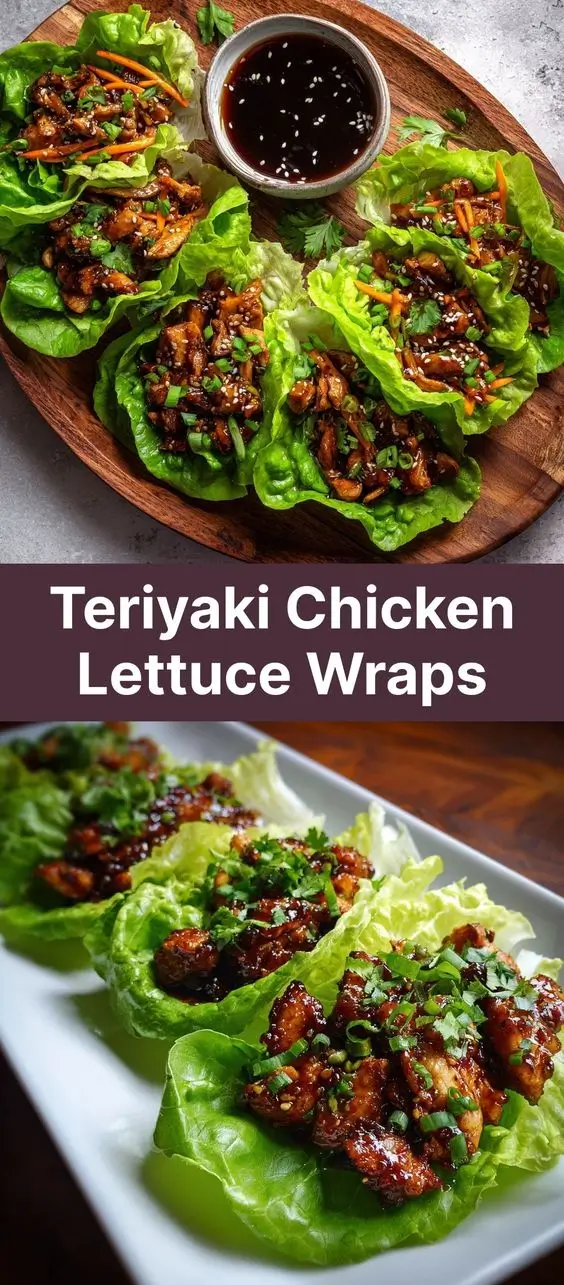
Teriyaki Chicken Lettuce Wraps are a delicious fusion of Japanese-inspired flavors and fresh, healthy eating. These light yet satisfying wraps combine tender, savory-sweet teriyaki chicken with crisp lettuce cups, creating a meal that’s both nutritious and bursting with umami-rich flavor. Perfect for weeknight dinners, lunch prep, or entertaining guests, these lettuce wraps offer a low-carb alternative to traditional meals while still delivering bold taste in every bite.
The History
The concept of using lettuce as a wrap dates back centuries across various culinary traditions, particularly in East and Southeast Asia, where leafy vegetables were commonly used to encase meats, rice, and sauces. In Korean cuisine, dishes like ssam involve wrapping grilled meat and condiments in lettuce or perilla leaves. Similarly, Chinese dim sum often features delicate parcels wrapped in greens.
Teriyaki, on the other hand, is a quintessential Japanese cooking technique. The word “teriyaki” comes from two Japanese words: teri, meaning luster (from the shiny glaze), and yaki, meaning grilled or broiled. Originally developed in the 17th century, teriyaki involved grilling fish or meat with a glaze made from soy sauce, mirin, and sugar. Over time, it evolved to include chicken and other proteins.
The fusion of teriyaki chicken with lettuce wraps is a modern adaptation, likely popularized in North American restaurants during the late 20th century as part of the growing trend toward lighter, health-conscious Asian fusion cuisine. Chefs began combining the sweet-savory depth of teriyaki with the refreshing crunch of lettuce, creating a dish that’s now a staple in many households and eateries around the world.
Ingredients Breakdown
To make authentic-tasting yet approachable Teriyaki Chicken Lettuce Wraps, you’ll need a harmonious blend of savory, sweet, tangy, and aromatic ingredients. Here’s a detailed breakdown:
- Chicken Breast or Thighs: Boneless, skinless chicken breasts are lean and widely used, but thighs offer more moisture and richness due to their higher fat content. Either works well depending on your preference.
- Soy Sauce: The base of the teriyaki sauce, providing saltiness and umami. Use reduced-sodium soy sauce if you’re watching salt intake, or tamari for a gluten-free option.
- Mirin: A sweet Japanese rice wine that adds subtle sweetness and shine to the glaze. If unavailable, you can substitute with dry sherry or a mix of rice vinegar and sugar.
- Sake or Dry White Wine: Used to deglaze the pan and enhance flavor depth. Sake is traditional, but white wine or even water can work in a pinch.
- Brown Sugar or Honey: Adds sweetness to balance the saltiness. Brown sugar gives a deeper molasses note, while honey lends floral undertones.
- Fresh Ginger: Grated ginger brings bright, zesty warmth that cuts through the richness of the sauce.
- Garlic: Minced garlic enhances the savory complexity and aroma of the dish.
- Sesame Oil: A small amount adds nutty fragrance—use toasted sesame oil for maximum flavor.
- Green Onions: For garnish and freshness. Sliced thinly, they add color and mild onion flavor.
- Sesame Seeds: Toasted sesame seeds provide texture and visual appeal.
- Lettuce Leaves: Butter lettuce, romaine hearts, iceberg, or little gem lettuce work best—they’re sturdy enough to hold filling without tearing and have a mild, crisp taste.
- Optional Add-ins: Julienned carrots, cucumber ribbons, shredded red cabbage, pickled radishes, or avocado slices can elevate texture and nutrition.
Step-by-Step Recipe
- Prepare the Lettuce: Carefully separate the lettuce leaves and rinse them under cold water. Pat dry thoroughly with a clean kitchen towel or paper towels. Arrange them on a serving platter and set aside.
- Make the Teriyaki Sauce: In a small bowl, whisk together ½ cup soy sauce, ¼ cup mirin, 2 tablespoons sake, 3 tablespoons brown sugar, 1 tablespoon honey, 1 tablespoon grated fresh ginger, and 2 minced garlic cloves. Set aside.
- Cook the Chicken: Heat 1 tablespoon of neutral oil (like vegetable or avocado oil) in a large skillet over medium-high heat. Add 1 pound of thinly sliced chicken (breast or thigh), season lightly with pepper, and cook until golden brown and cooked through—about 5–7 minutes. Remove chicken and set aside temporarily.
- Simmer the Sauce: In the same skillet, pour in the prepared teriyaki sauce. Bring to a gentle boil, then reduce heat and simmer for 4–5 minutes until slightly thickened. Stir occasionally to prevent burning.
- Combine Chicken and Sauce: Return the cooked chicken to the skillet, stirring to coat evenly with the glossy sauce. Let it simmer together for another 2–3 minutes so the flavors meld. Finish by drizzling in 1 teaspoon of toasted sesame oil for extra aroma.
- Taste and Adjust: Sample the mixture and adjust seasoning if needed—add a splash of water if too salty, a bit more honey if too sharp, or a squeeze of lime juice for brightness.
- Rest and Cool Slightly: Remove from heat and let cool for 5 minutes. This prevents the lettuce from wilting when filled.
- Assemble the Wraps: Spoon the teriyaki chicken into the center of each lettuce cup. Top with sliced green onions, toasted sesame seeds, and any optional veggies like julienned carrots or cucumbers.
- Serve Immediately: Arrange the filled lettuce wraps on a platter and serve right away while still warm and fragrant.
Tips
- Slice Chicken Thinly: Uniform, thin slices ensure quick, even cooking and better sauce absorption.
- Don’t Overcook the Chicken: To keep it juicy, avoid prolonged cooking after adding it back to the sauce.
- Thicken the Sauce Properly: Simmer long enough to achieve a syrupy consistency—this helps the sauce cling to the chicken. For an even thicker glaze, mix 1 teaspoon cornstarch with 1 tablespoon water and stir into the simmering sauce.
- Use Fresh Ginger and Garlic: Pre-minced versions lack the vibrant punch of freshly grated or chopped aromatics.
- Dry Lettuce Well: Wet leaves will make the wraps soggy and harder to handle.
- Pre-Chill Lettuce Cups: Refrigerating the arranged lettuce before filling keeps them crisp and refreshing.
- Double the Sauce (But Serve Separately): Some people love extra sauce—offer it on the side to avoid sogginess.
- Prep Ahead: Cook the chicken and sauce up to 2 days in advance; store separately in the fridge and reheat gently before assembling.
Variations and Customizations
One of the greatest strengths of Teriyaki Chicken Lettuce Wraps is their versatility. Here are creative ways to tailor them to different tastes and dietary needs:
- Vegetarian/Vegan Version: Replace chicken with marinated tofu, tempeh, or portobello mushrooms. Use maple syrup instead of honey and ensure the soy sauce is vegan-friendly.
- Spicy Kick: Add sriracha, gochujang, or red pepper flakes to the teriyaki sauce for heat lovers.
- Pineapple Twist: Incorporate diced fresh pineapple into the chicken mixture for tropical sweetness and acidity—a nod to Hawaiian-style teriyaki.
- Low-Sugar Option: Use a sugar substitute like erythritol or monk fruit sweetener, or reduce the sugar entirely and rely on natural fruit sweetness.
- Keto-Friendly: Opt for low-carb sweeteners and serve with butter lettuce or endive spears to minimize carbs.
- Nutty Crunch: Sprinkle crushed peanuts, cashews, or almond slivers on top before serving for added texture.
- Herb Boost: Mix in finely chopped cilantro, mint, or Thai basil for a Southeast Asian flair.
- Rice Addition: For a heartier version, spoon a small amount of steamed jasmine or brown rice into the lettuce first, then top with chicken.
- Gluten-Free: Use tamari or coconut aminos instead of regular soy sauce.
- Grilled Version: Marinate chicken in teriyaki sauce and grill it before dicing and reheating in a reduced sauce for smoky depth.
Health Considerations and Nutritional Value
Teriyaki Chicken Lettuce Wraps are inherently healthier than many traditional entrées because they eliminate refined carbs, reduce overall calorie density, and emphasize protein and vegetables.
Nutritional Highlights (per serving, approx. 3 wraps):
- Calories: ~220–260 kcal
- Protein: 25–30g (supports muscle repair and satiety)
- Fat: 8–10g (mostly unsaturated, especially if using chicken breast)
- Carbohydrates: 15–20g (naturally occurring sugars and starches)
- Sodium: Varies widely (~600–900mg); can be reduced with low-sodium soy sauce
- Vitamins & Minerals: Rich in B vitamins (especially B6 and niacin from chicken), iron, selenium, vitamin K (from lettuce), and antioxidants from ginger and garlic.
Health Benefits:
- Low-Carb and Keto-Compatible (with modifications): Ideal for those managing blood sugar or following low-glycemic diets.
- High in Lean Protein: Promotes fullness and helps maintain lean body mass.
- Anti-Inflammatory Properties: Fresh ginger and garlic contain compounds known to support immune function and reduce inflammation.
- Digestive Support: Lettuce provides fiber and hydration, aiding digestion.
- Heart-Healthy Fats: Sesame oil contains monounsaturated and polyunsaturated fats beneficial for cardiovascular health.
Considerations:
- Sodium Content: Traditional soy sauce is high in sodium. Those with hypertension should use reduced-sodium versions or alternatives like coconut aminos.
- Sugar Levels: Store-bought teriyaki sauces often contain excessive sugar. Homemade versions allow control over sweetness.
- Allergens: Contains soy and sesame. Always check labels if serving individuals with allergies.
- Pregnancy Safety: Fully cooked chicken and pasteurized ingredients make this dish safe during pregnancy.
Ingredients
- 1 lb (450g) boneless, skinless chicken breasts or thighs, thinly sliced
- 3 tbsp vegetable oil, divided
- ½ cup low-sodium soy sauce (or tamari for gluten-free)
- ¼ cup mirin (sweet rice wine)
- 2 tbsp sake or dry white wine
- 3 tbsp packed brown sugar (or maple syrup/honey)
- 1 tbsp honey or agave (optional, for extra shine)
- 1 tbsp fresh ginger, finely grated
- 2 cloves garlic, minced
- 1 tsp toasted sesame oil
- 1 head butter lettuce, romaine, or little gem, leaves separated and washed
- 3 green onions, thinly sliced
- 1 tbsp sesame seeds, toasted
- (Optional) ½ cup julienned carrots, cucumber, or avocado
Directions
- In a small saucepan or bowl, prepare the teriyaki sauce by combining soy sauce, mirin, sake, brown sugar, honey, grated ginger, and minced garlic. Whisk until sugar dissolves.
- Heat 1 tablespoon of oil in a large non-stick skillet over medium-high heat. Add chicken slices in a single layer and cook for 4–5 minutes per side until no longer pink inside. Transfer to a plate and set aside.
- Pour the teriyaki sauce into the same skillet. Bring to a boil, then reduce heat to medium-low and simmer for 5–6 minutes until the sauce reduces and thickens slightly, stirring frequently.
- Return the cooked chicken to the skillet, tossing to coat thoroughly with the glaze. Simmer for another 2–3 minutes until heated through and glossy.
- Remove from heat and stir in toasted sesame oil. Taste and adjust seasoning—add a splash of water if too salty, or a bit more honey if too sharp.
- Let the mixture rest for 5 minutes to cool slightly and prevent wilting the lettuce.
- While the chicken cools, arrange the lettuce leaves on a serving tray. Pat dry if necessary.
- Spoon the teriyaki chicken into each lettuce cup. Top with green onions, sesame seeds, and any additional vegetables.
- Serve immediately, offering extra sauce on the side if desired.
FAQ
Q: Can I make teriyaki chicken lettuce wraps ahead of time?
A: Yes! You can cook the chicken and sauce up to 2 days in advance. Store them separately in airtight containers in the refrigerator. Reheat the chicken mixture gently on the stove before assembling. Prepare the lettuce just before serving to maintain crispness.
Q: What type of lettuce is best for wraps?
A: Butter lettuce is ideal due to its soft, cup-like shape and delicate flavor. Romaine hearts and little gem lettuce are excellent alternatives—they’re sturdier and great for holding chunkier fillings.
Q: Is teriyaki sauce gluten-free?
A: Not always. Regular soy sauce contains wheat. For a gluten-free version, use tamari or coconut aminos and verify all other ingredients are certified gluten-free.
Q: How do I prevent the lettuce from tearing?
A: Handle the outer leaves gently. Soak them in cold water for 10 minutes to increase flexibility. Avoid overfilling each wrap.
Q: Can I freeze teriyaki chicken?
A: Yes, the cooked chicken and sauce can be frozen for up to 3 months. Thaw overnight in the fridge and reheat slowly on the stove. Note: freezing may slightly alter texture.
Q: Are these wraps kid-friendly?
A: Absolutely! Kids love the sweet-savory flavor and fun finger-food format. You can dice the chicken smaller and skip spicy additions.
Q: Can I bake or grill the chicken instead?
A: Definitely. Grill or bake the chicken after marinating in half the teriyaki sauce, then chop and toss with the reduced remaining sauce for intense flavor.
Summary
Teriyaki Chicken Lettuce Wraps blend the rich, glossy flavors of Japanese teriyaki with the fresh crunch of garden lettuce for a healthy, flavorful meal that’s easy to customize and perfect for any occasion. Packed with protein, low in carbs, and bursting with umami, they’re a modern classic that satisfies both taste buds and wellness goals.