Introduction
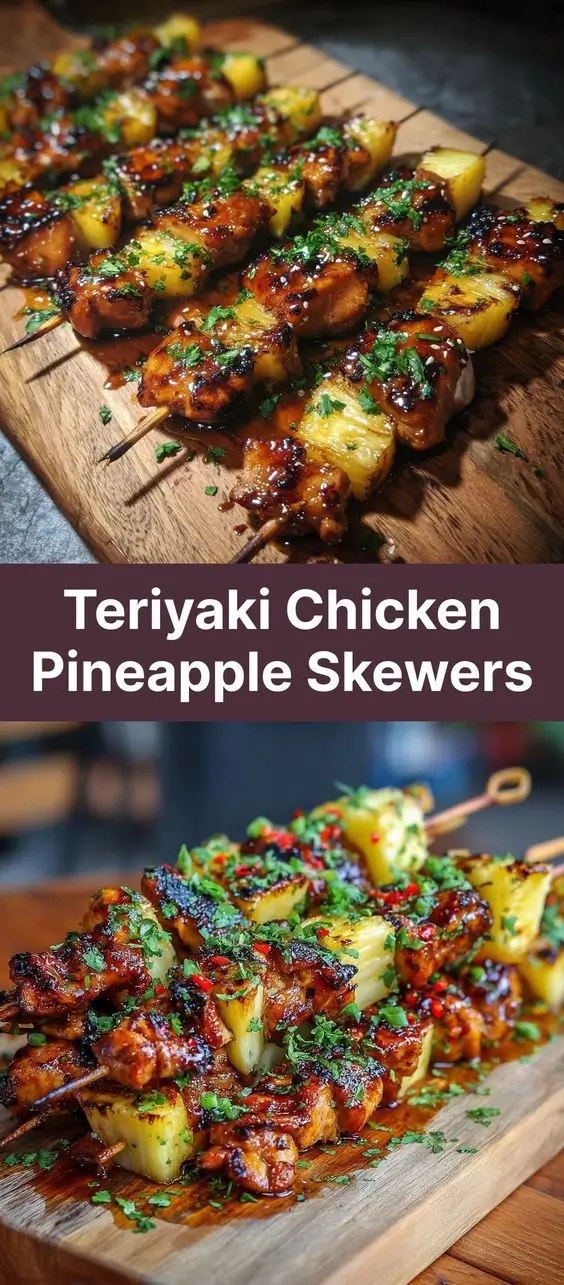
Teriyaki Chicken Pineapple Skewers are a delightful fusion of sweet, savory, and smoky flavors that bring the essence of summer grilling to your plate. These skewers combine tender pieces of marinated chicken with juicy pineapple chunks, glazed in a glossy homemade teriyaki sauce, then grilled or broiled to perfection. Whether you’re hosting a backyard barbecue, preparing a weeknight family dinner, or looking for an impressive appetizer, these skewers deliver bold taste and vibrant color in every bite. Their tropical flair makes them perfect for poolside gatherings, holiday picnics, or cozy indoor meals when you want a taste of sunshine. With their balanced blend of protein and fruit, they’re not only delicious but also nutritious, making them a crowd-pleaser across all ages.
The History
The roots of Teriyaki Chicken Pineapple Skewers trace back to both Japanese and Polynesian culinary traditions. The word “teriyaki” comes from the Japanese words “teri,” meaning luster or shine, and “yaki,” meaning to grill or broil. Originally, teriyaki referred to a cooking technique developed in Japan during the 17th century, where fish—particularly salmon or yellowtail—was broiled or grilled with a glaze made from soy sauce, mirin, and sugar to give it a beautiful sheen. Over time, this method was adapted to include meats like chicken and beef, especially as Japanese cuisine spread globally.
Pineapple, on the other hand, is native to South America but became popularized in Hawaii through commercial cultivation in the early 20th century. Hawaiian culture embraced the combination of sweet fruits with savory proteins, leading to iconic dishes like Hawaiian pizza (controversial though it may be) and huli huli chicken. When Japanese immigrants arrived in Hawaii, a natural culinary fusion occurred. This gave rise to recipes combining teriyaki-style sauces with tropical ingredients such as pineapple, coconut, and mango.
Teriyaki Chicken Pineapple Skewers emerged as part of this pan-Pacific flavor marriage—a dish that reflects globalization long before the term became commonplace. Today, they are staples at luau parties, Asian-fusion restaurants, and suburban cookouts alike. Their popularity soared in the United States during the 1980s and 1990s alongside the rise of stir-fry culture and bottled teriyaki sauce. Now, home cooks and chefs alike enjoy reinventing this classic combo with modern twists, including organic marinades, air-frying techniques, and plant-based alternatives.
Ingredients Breakdown
To create authentic and flavorful Teriyaki Chicken Pineapple Skewers, selecting high-quality ingredients is essential. Each component plays a role in building layers of taste and texture:
- Chicken Breast or Thighs: Boneless, skinless chicken breasts are lean and widely used, offering a clean protein base. However, chicken thighs can be substituted for a juicier, more tender result due to their higher fat content, which helps prevent drying during grilling.
- Fresh Pineapple: Fresh pineapple chunks provide natural sweetness and enzymes like bromelain, which help tenderize the chicken slightly during marination. Canned pineapple can work in a pinch, but it often contains added sugars and lacks the bright acidity of fresh fruit.
- Soy Sauce: The backbone of teriyaki sauce, soy sauce contributes saltiness and umami depth. For reduced sodium options, use low-sodium soy sauce. Gluten-free? Opt for tamari instead.
- Mirin: A sweet rice wine used in Japanese cooking, mirin adds subtle sweetness and helps create the signature glossy finish. If unavailable, dry sherry or a mix of rice vinegar and sugar can approximate its effect.
- Brown Sugar: Adds caramel-like richness and aids in browning the glaze. You can substitute honey, maple syrup, or coconut sugar for different flavor profiles.
- Fresh Ginger: Grated ginger introduces zesty warmth and enhances digestion. Always use freshly grated rather than powdered for optimal aroma and potency.
- Garlic: Minced garlic brings pungency and complexity, balancing the sweetness of the sauce.
- Rice Vinegar: Helps balance the richness of the sauce while adding brightness. Apple cider vinegar may be used as a substitute.
- Cornstarch: Used to thicken the teriyaki sauce into a sticky, restaurant-quality glaze.
- Sesame Oil: A few drops add nutty depth and enhance the overall aroma. Use toasted sesame oil for maximum flavor.
- Green Onions and Sesame Seeds: Optional garnishes that elevate presentation and add contrasting textures—crisp onions and nutty seeds.
- Bamboo or Metal Skewers: Bamboo skewers must be soaked in water for at least 30 minutes prior to use to prevent burning. Metal skewers are reusable and ideal for frequent grilling.
Step-by-Step Recipe
- Prepare the Marinade: In a medium saucepan, combine ½ cup soy sauce, ¼ cup mirin, ¼ cup brown sugar, 2 tablespoons rice vinegar, 1 tablespoon grated fresh ginger, 2 cloves minced garlic, and 1 teaspoon toasted sesame oil. Bring to a gentle simmer over medium heat, stirring until the sugar dissolves.
- Thicken the Sauce: In a small bowl, mix 1 tablespoon cornstarch with 2 tablespoons cold water to make a slurry. Slowly whisk the slurry into the simmering sauce. Continue cooking for 2–3 minutes until the sauce thickens to a syrupy consistency. Remove from heat and let cool slightly. Reserve ⅓ cup for basting later; the rest will serve as the marinade.
- Cut the Ingredients: Cut 1.5 pounds of boneless chicken into 1.5-inch cubes. Peel and core a fresh pineapple, cutting it into similar-sized chunks. Try to keep sizes uniform for even cooking.
- Marinate the Chicken: Place chicken cubes in a resealable plastic bag or glass container. Pour about ⅔ of the cooled teriyaki sauce over the chicken, ensuring all pieces are coated. Seal and refrigerate for at least 1 hour, preferably 4–6 hours (but no longer than 24 hours, as the acidity can begin to break down the meat too much).
- Soak Skewers: If using bamboo skewers, submerge them in warm water for at least 30 minutes to prevent charring on the grill.
- Preheat Cooking Surface: Preheat your grill, grill pan, broiler, or air fryer. For grilling, aim for medium-high heat (around 375°F–400°F). For broiling, set oven rack 6 inches below heating element.
- Assemble the Skewers: Thread alternating pieces of marinated chicken and pineapple onto skewers. Leave a small space between each piece to ensure even heat circulation. Discard leftover marinade unless boiled again for safety.
- Grill the Skewers: Place skewers on preheated grill or pan. Cook for 3–4 minutes per side, turning occasionally, until chicken reaches an internal temperature of 165°F and has nice grill marks. During the last 2–3 minutes of cooking, brush generously with reserved teriyaki glaze, allowing it to caramelize without burning.
- Rest and Serve: Let skewers rest for 2–3 minutes after cooking. Garnish with sliced green onions and toasted sesame seeds. Serve immediately with steamed rice, quinoa, or a crisp salad.
Tips
- Uniform Sizing: Cut chicken and pineapple into evenly sized pieces so they cook at the same rate. Uneven chunks can lead to undercooked chicken or mushy fruit.
- Don’t Over-Marinate: While longer marination increases flavor, exceeding 24 hours—especially with acidic components—can make chicken mushy due to enzymatic action from pineapple and vinegar.
- Avoid Burning the Glaze: Sugar-rich teriyaki sauce burns easily. Apply the glaze only during the final stages of cooking to achieve a shiny, caramelized exterior without charring.
- Double the Sauce: Make extra teriyaki sauce to serve on the side. It pairs wonderfully drizzled over rice or as a dipping sauce.
- Use Fresh Garlic and Ginger: Avoid jarred or powdered versions if possible—they lack the vibrancy of fresh aromatics.
- Check Internal Temperature: Use a meat thermometer to confirm chicken has reached 165°F safely. Visual cues like clear juices and firm texture help too.
- Let Skewers Rest: Allowing them to rest briefly after cooking lets juices redistribute, keeping every bite moist.
- Pre-Cook Pineapple (Optional): For softer fruit, lightly sauté pineapple chunks before skewering. Or leave raw for a juicier burst.
- Keep Extra Moisture Out: Pat chicken dry before marinating to allow better absorption of flavors.
- Line Your Pan: When broiling, line the baking sheet with foil and place a wire rack on top to allow airflow and reduce steaming.
Variations and Customizations
One of the greatest strengths of Teriyaki Chicken Pineapple Skewers is their adaptability. Here are creative ways to customize the recipe based on dietary preferences, seasonal availability, or cultural inspiration:
- Vegetarian/Vegan Version: Replace chicken with extra-firm tofu, tempeh, or seitan. Press tofu well to remove moisture, then marinate as usual. Add bell peppers, zucchini, mushrooms, or cherry tomatoes for more variety.
- Spicy Kick: Infuse the teriyaki sauce with red pepper flakes, sriracha, or a finely chopped fresh chili like Thai bird’s eye or jalapeño.
- Honey-Glazed Alternative: Substitute brown sugar with honey or maple syrup for a floral sweetness. Note: Honey burns faster, so monitor closely when glazing.
- Pineapple-Free Option: Not a fan of pineapple? Swap in mango, peach slices, apple chunks, or even roasted sweet potato cubes.
- Alcohol-Free Teriyaki: Skip mirin and replace with ¼ cup pineapple juice plus 1 tablespoon sugar. Add a splash of rice vinegar for balance.
- Low-Sodium Diet? Use low-sodium soy sauce or coconut aminos, reduce added sugar, and boost flavor with extra ginger, garlic, or citrus zest.
- Kid-Friendly Twist: Create fun shapes with cookie cutters (if using ground chicken patties), or serve skewers with a yogurt-dill dipping sauce on the side.
- Make-Ahead Meal Prep: Assemble skewers (uncooked) and store in a sealed container in the fridge for up to 24 hours. Or freeze marinated chicken separately for future use.
- Satay Style: Serve with peanut sauce instead of extra teriyaki for a Thai-inspired twist.
- Smoky Flavor Boost: Add a pinch of smoked paprika to the marinade or use liquid smoke sparingly for a campfire-like depth, especially when cooking indoors.
- Grill Basket Method: If you don’t have skewers, use a grill basket to cook loose pieces of chicken and pineapple together.
Health Considerations and Nutritional Value
Teriyaki Chicken Pineapple Skewers can be a balanced meal depending on preparation methods and portion size. Here’s a breakdown of key nutritional aspects:
- Protein Source: Chicken provides high-quality complete protein, essential for muscle repair, immune function, and satiety. A 3-ounce serving offers about 25 grams of protein.
- Fruit Benefits: Pineapple is rich in vitamin C, manganese, and bromelain—an enzyme known for anti-inflammatory properties and aiding digestion.
- Sugar Content: Traditional teriyaki sauce can be high in sugar (up to 8–12g per serving). To reduce sugar, cut back on brown sugar or use natural sweeteners like monk fruit or erythritol blends designed for cooking.
- Sodium Levels: Soy sauce is naturally high in sodium (approximately 900mg per ¼ cup). Using low-sodium soy sauce or tamari can cut this by nearly half, making the dish heart-healthier.
- Caloric Density: One skewer (approx. 4 oz chicken + 2 oz pineapple) contains roughly 180–220 calories when made with standard sauce. Lighter versions using less oil and sugar can dip below 150 calories.
- Gluten Concerns: Regular soy sauce contains wheat. Choose certified gluten-free tamari or coconut aminos for those with celiac disease or sensitivity.
- Balanced Plate Tip: Pair skewers with fiber-rich sides like brown rice, quinoa, or a mixed green salad to slow glucose absorption and increase fullness.
- Portion Control: Stick to 2–3 skewers per person as a main course to avoid excessive calorie or sodium intake.
- Antioxidant Boost: Fresh ginger and garlic contribute antioxidants and compounds linked to improved cardiovascular health and immunity.
- Dietary Flexibility: Suitable for gluten-free (with substitutions), dairy-free, nut-free, and egg-free diets. Easily adaptable for keto (replace pineapple with low-carb veggies like bell peppers) or intermittent fasting (consume within eating window).
Ingredients
- 1.5 lbs boneless, skinless chicken breasts or thighs, cut into 1.5-inch cubes
- 1 large fresh pineapple, peeled, cored, and cut into 1.5-inch chunks
- ½ cup soy sauce (low-sodium preferred)
- ¼ cup mirin (sweet rice wine)
- ¼ cup packed brown sugar (or honey/maple syrup)
- 2 tablespoons rice vinegar
- 1 tablespoon freshly grated ginger
- 2 cloves garlic, minced
- 1 teaspoon toasted sesame oil
- 1 tablespoon cornstarch
- 2 tablespoons cold water
- Green onions, sliced (for garnish)
- Toasted sesame seeds (for garnish)
- 8–10 bamboo or metal skewers
Directions
- In a saucepan, combine soy sauce, mirin, brown sugar, rice vinegar, grated ginger, minced garlic, and sesame oil. Bring to a gentle simmer over medium heat, stirring frequently until sugar dissolves completely.
- Whisk cornstarch with cold water in a small bowl to form a smooth slurry. Gradually pour into the simmering sauce while stirring continuously.
- Continue cooking for 2–3 minutes until the sauce thickens into a glossy, syrupy glaze. Remove from heat and let cool for 10 minutes.
- Transfer two-thirds of the sauce to a bowl or zip-top bag. Add chicken cubes, seal, and marinate in the refrigerator for 1–6 hours.
- Soak bamboo skewers in water for at least 30 minutes.
- Preheat grill, grill pan, or broiler to medium-high heat.
- Drain chicken from marinade (discard used marinade unless boiling again). Alternate threading chicken and pineapple onto skewers.
- Place skewers on hot grill surface. Cook for 3–4 minutes per side, turning occasionally, until chicken is fully cooked (internal temp 165°F).
- During the last 2–3 minutes of cooking, brush skewers liberally with reserved teriyaki sauce, allowing it to caramelize slightly.
- Remove from heat, rest for 2–3 minutes, then garnish with green onions and sesame seeds.
- Serve immediately with steamed rice, noodles, or a fresh vegetable medley.
FAQ
Can I make Teriyaki Chicken Pineapple Skewers ahead of time?
Yes! You can prep the skewers (without cooking) and store them covered in the fridge for up to 24 hours. The cooked skewers can be refrigerated for up to 3 days and reheated gently in a skillet or oven.
Can I bake or air fry these skewers instead of grilling?
Absolutely. Bake at 400°F on a parchment-lined baking sheet for 18–22 minutes, flipping halfway and brushing with sauce near the end. For air frying, cook at 375°F for 12–15 minutes, shaking basket once.
Is it safe to reuse the marinade?
No, unless you boil it vigorously for at least 2 minutes to kill bacteria from raw chicken. It’s safest to reserve some sauce before marinating for basting and serving.
Why did my pineapple fall apart on the skewer?
Overripe pineapple or excessive flipping can cause softening. Use firm, just-ripe pineapple and handle skewers gently during cooking.
Can I freeze these skewers?
Freezing uncooked assembled skewers is not recommended due to texture changes in pineapple. However, marinated chicken freezes well for up to 3 months. Thaw overnight before assembling.
Are these skewers kid-friendly?
Yes! Kids love the sweet-savory flavor. Just ensure pieces are easy to chew and supervise young children with skewers.
What can I pair with these skewers?
Great sides include jasmine rice, coconut rice, cucumber salad, stir-fried vegetables, or a tropical fruit salsa.
Can I use frozen pineapple?
It’s not ideal—frozen pineapple releases excess moisture and becomes mushy when thawed. Fresh is best for structure and flavor.
Summary
Teriyaki Chicken Pineapple Skewers are a harmonious blend of Japanese teriyaki tradition and tropical Hawaiian flavors, featuring succulent chicken and sweet pineapple glazed in a glossy homemade sauce. Easy to prepare and endlessly customizable, they’re perfect for grilling season, meal prep, or bringing a taste of paradise to your dinner table.