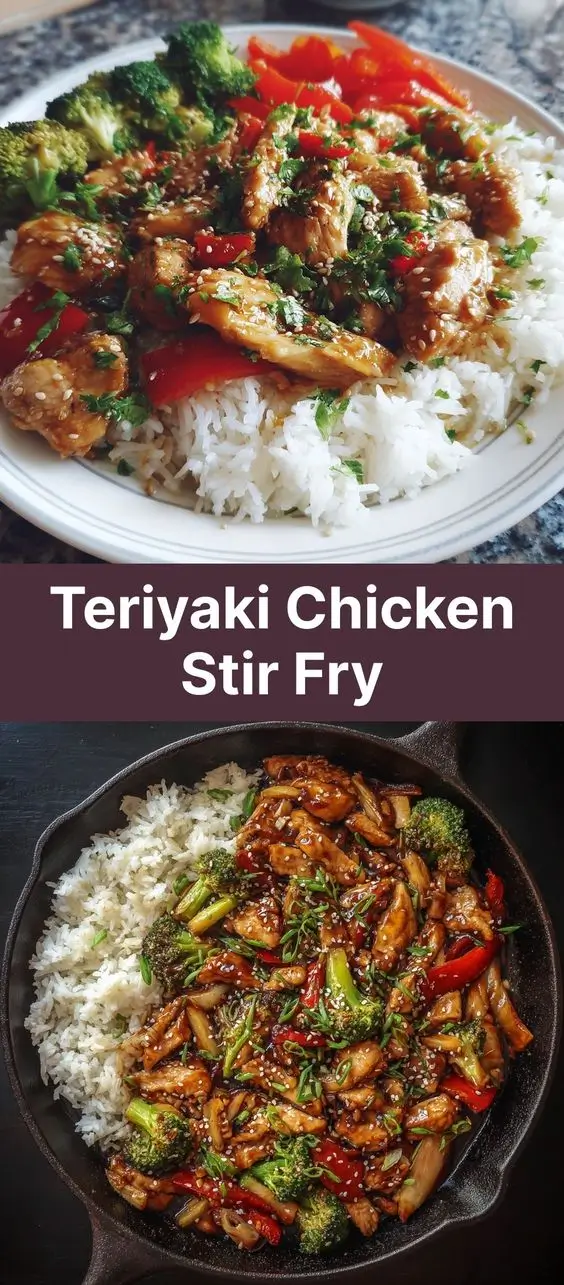
Teriyaki Chicken Stir Fry: A Flavorful Journey Through Japanese-Inspired Comfort Food
Introduction
Teriyaki Chicken Stir Fry is one of the most beloved dishes in modern fusion cuisine, seamlessly blending the bold umami richness of Japanese teriyaki sauce with the quick, vibrant cooking style of a stir fry. Whether you’re a busy parent looking for a weeknight dinner solution or a food enthusiast craving restaurant-quality flavor at home, this dish delivers on taste, texture, and convenience. With tender pieces of chicken glazed in a glossy, savory-sweet sauce and paired with crisp vegetables, Teriyaki Chicken Stir Fry satisfies both comfort food cravings and health-conscious goals. In this comprehensive guide, we’ll explore every aspect of this iconic dish—from its historical roots to ingredient nuances, detailed preparation methods, variations, nutritional insights, and frequently asked questions—so you can master it with confidence.
The History
The term “teriyaki” originates from Japan, where “teri” refers to the lustrous shine given by the sugar in the glaze, and “yaki” means grilled or broiled. Traditionally, teriyaki was not a stir fry but a method of grilling fish (such as salmon or mackerel) with a glaze made from soy sauce, mirin (sweet rice wine), and sugar. This technique dates back to the Edo period (1603–1868), when Japanese cooks began perfecting ways to preserve and enhance the flavor of seafood using fermented soy-based sauces and natural sweeteners.
Over time, the teriyaki method evolved and expanded beyond fish to include meats like beef, pork, and chicken. As Japanese immigrants brought their culinary traditions to Hawaii and the mainland United States in the late 19th and early 20th centuries, they adapted their recipes to local ingredients and tastes. The American version of teriyaki emerged—sweeter, thicker, and often served with rice and vegetables—laying the foundation for what would become the popular Teriyaki Chicken Stir Fry.
In the mid-20th century, the rise of Asian-American restaurants and the growing popularity of takeout and fast-casual dining further cemented teriyaki chicken’s place in Western food culture. Today, Teriyaki Chicken Stir Fry is a staple on menus across North America, praised for its balance of flavors and adaptability. While purists may argue about authenticity, the dish stands as a delicious example of cultural fusion and culinary innovation.
Ingredients Breakdown
The magic of Teriyaki Chicken Stir Fry lies in its harmonious blend of ingredients that create a symphony of sweet, salty, tangy, and umami-rich flavors. Let’s break down each component:
For the Teriyaki Sauce:
- Soy Sauce: The backbone of the sauce, providing saltiness and deep umami. Use low-sodium soy sauce if you want better control over the salt content.
- Dark Soy Sauce (optional): Adds color and a richer depth without increasing saltiness significantly.
- Mirin: A sweet Japanese rice wine that contributes both sweetness and a subtle tang. If unavailable, substitute with a mix of dry white wine and sugar.
- Granulated Sugar or Brown Sugar: Balances the saltiness and helps create the signature glossy glaze. Brown sugar adds a hint of molasses flavor.
- Rice Vinegar: Adds brightness and acidity to cut through the richness of the sauce.
- Fresh Ginger (grated): Offers warmth and zing, enhancing the aromatic profile.
- Garlic (minced): Provides pungency and complexity, essential for depth of flavor.
- Cornstarch Slurry (cornstarch + water): Used to thicken the sauce into a velvety, clingy glaze.
For the Stir Fry:
- Chicken Breast or Thighs: Boneless, skinless chicken breasts are lean and widely used, while thighs offer more juiciness and flavor due to higher fat content.
- Vegetables: Common choices include bell peppers (red, yellow, green), broccoli florets, snap peas, carrots, mushrooms, onions, and baby corn. These add crunch, color, and nutrients.
- Cooking Oil: High smoke-point oils like vegetable, canola, avocado, or peanut oil work best for stir frying.
- Sesame Oil (to finish): A few drops added at the end enhance aroma and give an authentic Asian flair.
- Garnishes: Sesame seeds and sliced green onions are classic toppings that elevate presentation and taste.
Step-by-Step Recipe
Ingredients
- 1.5 lbs (700g) boneless, skinless chicken breast or thighs, thinly sliced
- 3 tbsp soy sauce (low sodium preferred)
- 2 tbsp mirin
- 2 tbsp granulated sugar (or brown sugar)
- 1 tbsp rice vinegar
- 1 tsp dark soy sauce (optional, for color)
- 1 tbsp fresh ginger, finely grated
- 2 cloves garlic, minced
- 1 tbsp cornstarch + 2 tbsp water (slurry)
- 2 tbsp cooking oil (peanut, canola, or avocado)
- 1 red bell pepper, sliced
- 1 cup broccoli florets
- 1 carrot, julienned or thinly sliced
- ½ cup snap peas
- 4 oz mushrooms (shiitake or button), sliced
- 1 small onion, sliced
- 1 tsp sesame oil (for finishing)
- To garnish: sliced green onions, toasted sesame seeds
- Optional: steamed white or brown rice, soba noodles, or quinoa for serving
Directions
- Prepare the Teriyaki Sauce: In a small saucepan, combine soy sauce, mirin, sugar, rice vinegar, dark soy sauce (if using), grated ginger, and minced garlic. Heat over medium heat, stirring until the sugar dissolves completely. Bring to a gentle simmer.
- Thicken the Sauce: In a separate bowl, mix cornstarch with water to form a slurry. Slowly whisk the slurry into the simmering sauce. Continue cooking for 2–3 minutes until the sauce thickens to a syrupy consistency. Remove from heat and set aside. (This can be made ahead and stored for up to a week.)
- Prep the Ingredients: Slice all vegetables uniformly to ensure even cooking. Cut chicken into thin, bite-sized strips. Pat dry with paper towels to ensure proper browning.
- Stir Fry the Chicken: Heat 1 tbsp of oil in a large wok or non-stick skillet over high heat. Add the chicken in a single layer (work in batches if needed to avoid overcrowding). Cook for 3–4 minutes, stirring occasionally, until golden brown and cooked through. Remove chicken and set aside.
- Cook the Vegetables: Add another tablespoon of oil to the same pan. Toss in harder vegetables first (carrots, broccoli) and stir fry for 2 minutes. Then add softer vegetables (bell peppers, snap peas, mushrooms, onions) and cook for another 2–3 minutes until crisp-tender. Avoid overcooking to retain texture.
- Combine Everything: Return the cooked chicken to the pan. Pour in about ⅔ of the prepared teriyaki sauce. Stir well to coat all ingredients evenly. Cook for 1–2 minutes to reheat and allow flavors to meld.
- Finish and Serve: Drizzle with sesame oil for fragrance. Taste and adjust seasoning, adding more sauce if desired. Transfer to a serving platter, garnish with green onions and sesame seeds, and serve immediately over steamed rice or noodles.
Tips
- Velveting the Chicken (Optional): For extra-tender chicken, marinate slices in 1 egg white, 1 tsp cornstarch, and 1 tsp rice wine for 20–30 minutes before cooking. This Chinese technique prevents drying during high-heat cooking.
- High Heat is Key: Stir frying requires intense heat to sear quickly and prevent steaming. Use your stove’s highest setting and preheat the pan thoroughly.
- Don’t Overcrowd the Pan: Adding too much at once lowers the temperature and causes ingredients to steam instead of fry. Cook in batches if necessary.
- Pre-Make the Sauce: Prepare teriyaki sauce in bulk and store in a glass jar in the refrigerator for up to 2 weeks. Reheat gently before use.
- Use Fresh Aromatics: Fresh ginger and garlic make a noticeable difference compared to powdered versions.
- Control Sweetness: Adjust sugar based on preference. Some enjoy a more savory profile, while others prefer a sweeter glaze.
- Add Pineapple Juice: For a tropical twist, replace part of the sugar with pineapple juice, which also contains enzymes that tenderize meat.
- Rest Before Serving: Let the stir fry sit for a minute after cooking so the sauce clings better to the ingredients.
Variations and Customizations
One of the greatest strengths of Teriyaki Chicken Stir Fry is its versatility. Here are some creative ways to customize the dish:
Protein Variations
- Tofu: Use extra-firm tofu, pressed and cubed, for a vegetarian or vegan version. Pan-sear until golden before adding sauce.
- Shrimp: Replace chicken with peeled shrimp, cooking just until pink and opaque (2–3 minutes).
- Beef: Thinly sliced flank steak or sirloin works beautifully—cook quickly to medium-rare for tenderness.
- Duck or Salmon: For gourmet flair, use seared duck breast or grilled salmon chunks.
Veggie Twists
- Bok Choy or Napa Cabbage: Adds mild flavor and soft texture when wilted slightly.
- Zucchini or Yellow Squash: Sliced and sautéed until tender-crisp.
- Snow Peas: Similar to snap peas but flatter and more delicate.
- Water Chestnuts: For extra crunch and visual appeal.
- Spicy Kick: Add sliced jalapeños, red pepper flakes, or a drizzle of sriracha to the sauce.
Sauce Modifications
- Honey Teriyaki: Substitute honey for sugar for a floral note and natural sweetness.
- Pineapple Teriyaki: Blend in crushed pineapple or pineapple juice for a fruity tang.
- Less Sodium: Use coconut aminos instead of soy sauce for a gluten-free, lower-sodium alternative.
- Gluten-Free: Ensure tamari (gluten-free soy sauce) is used instead of regular soy sauce.
- Smoky Teriyaki: Add a pinch of smoked paprika or liquid smoke for a deeper flavor profile.
Serving Styles
- Bowls: Serve over cauliflower rice, quinoa, or forbidden black rice for a nutrient boost.
- Wraps or Lettuce Cups: Use butter lettuce or romaine leaves for a low-carb option.
- Noodle Integration: Toss with udon, ramen, or rice noodles for a heartier meal.
- Meal Prep Friendly: Divide into containers with rice and veggies for 4–5 days of ready-to-eat lunches.
Health Considerations and Nutritional Value
While Teriyaki Chicken Stir Fry is often seen as indulgent due to its sweet glaze, it can be a nutritious meal when prepared thoughtfully. Let’s examine its health aspects:
Nutritional Profile (per serving, approx. 1.5 cups with chicken and mixed vegetables, no rice):
- Calories: ~320–380 kcal
- Protein: 30–35g (excellent source for muscle repair and satiety)
- Fat: 8–12g (mostly unsaturated if healthy oils are used)
- Carbohydrates: 30–40g (primarily from sugar and vegetables)
- Sodium: 800–1200mg (can be reduced with low-sodium soy sauce and less added salt)
- Sugar: 15–25g (mainly from sauce; can be minimized)
Health Benefits
- Lean Protein Source: Chicken provides high-quality protein with essential amino acids.
- Rich in Vitamins and Minerals: Vegetables contribute fiber, vitamin C (bell peppers), vitamin A (carrots), and antioxidants (broccoli).
- Ginger and Garlic: Known for anti-inflammatory and immune-boosting properties.
- Low in Saturated Fat: Especially when using chicken breast and minimal oil.
Health Concerns & How to Mitigate Them
- High Sodium: Traditional soy sauce is very high in sodium. Solution: Use low-sodium soy sauce or tamari, and dilute with water or broth.
- Added Sugars: Store-bought teriyaki sauces can contain excessive sugar. Solution: Make your own with controlled amounts or use natural sweeteners like monk fruit or stevia blends.
- Refined Carbs: Often served with white rice. Solution: Opt for brown rice, wild rice, or cauliflower rice.
- Overcooking Vegetables: Can reduce nutrient content. Solution: Stir fry briefly to retain crunch and vitamins.
- Allergens: Contains soy and gluten (unless substituted). Always label clearly for guests with dietary restrictions.
FAQ
Can I make teriyaki sauce without mirin?
Yes. Substitute mirin with 1 tbsp dry white wine or rice vinegar plus 1 tsp sugar to mimic the sweetness and acidity.
How do I store leftovers?
Store in an airtight container in the refrigerator for up to 4 days. Reheat in a skillet over medium heat to preserve texture (microwaving may make vegetables soggy).
Can I freeze Teriyaki Chicken Stir Fry?
Yes, though vegetables may soften upon thawing. Freeze without garnishes for up to 3 months. Thaw overnight in the fridge before reheating.
Why is my sauce too thin?
You may need more cornstarch. Mix additional slurry (1 tsp cornstarch + 1 tsp water) and whisk into simmering sauce until thickened.
Is teriyaki chicken healthy?
It can be! When homemade with controlled sugar, sodium, and plenty of vegetables, it’s a balanced, protein-rich meal.
Can I use frozen vegetables?
Yes, but thaw and pat dry first to avoid excess moisture. Fresh vegetables yield better texture and flavor.
What kind of rice goes best with teriyaki stir fry?
Steamed jasmine rice, sushi rice, or brown rice are excellent choices. For low-carb options, try cauliflower rice.
Can I make this in a slow cooker?
Not ideal for stir fry, but you can cook chicken in teriyaki sauce in a slow cooker (4 hrs on low), then serve over stir-fried vegetables.
Is teriyaki sauce gluten-free?
Not always. Regular soy sauce contains wheat. Use tamari or certified gluten-free soy sauce to ensure safety.
How can I make this dish spicier?
Add red pepper flakes, sriracha, chili garlic sauce, or fresh chopped chilies during cooking or at the table.
Summary
Teriyaki Chicken Stir Fry is a dynamic, flavorful dish that combines tender chicken, crisp vegetables, and a glossy homemade teriyaki glaze for a satisfying meal that bridges Japanese tradition and modern global tastes. Easy to customize, nutritionally adaptable, and perfect for weeknights or entertaining, it’s a kitchen staple worth mastering.