Introduction
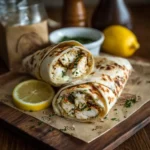
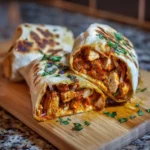
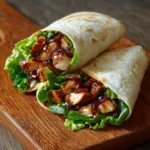
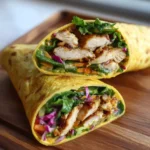
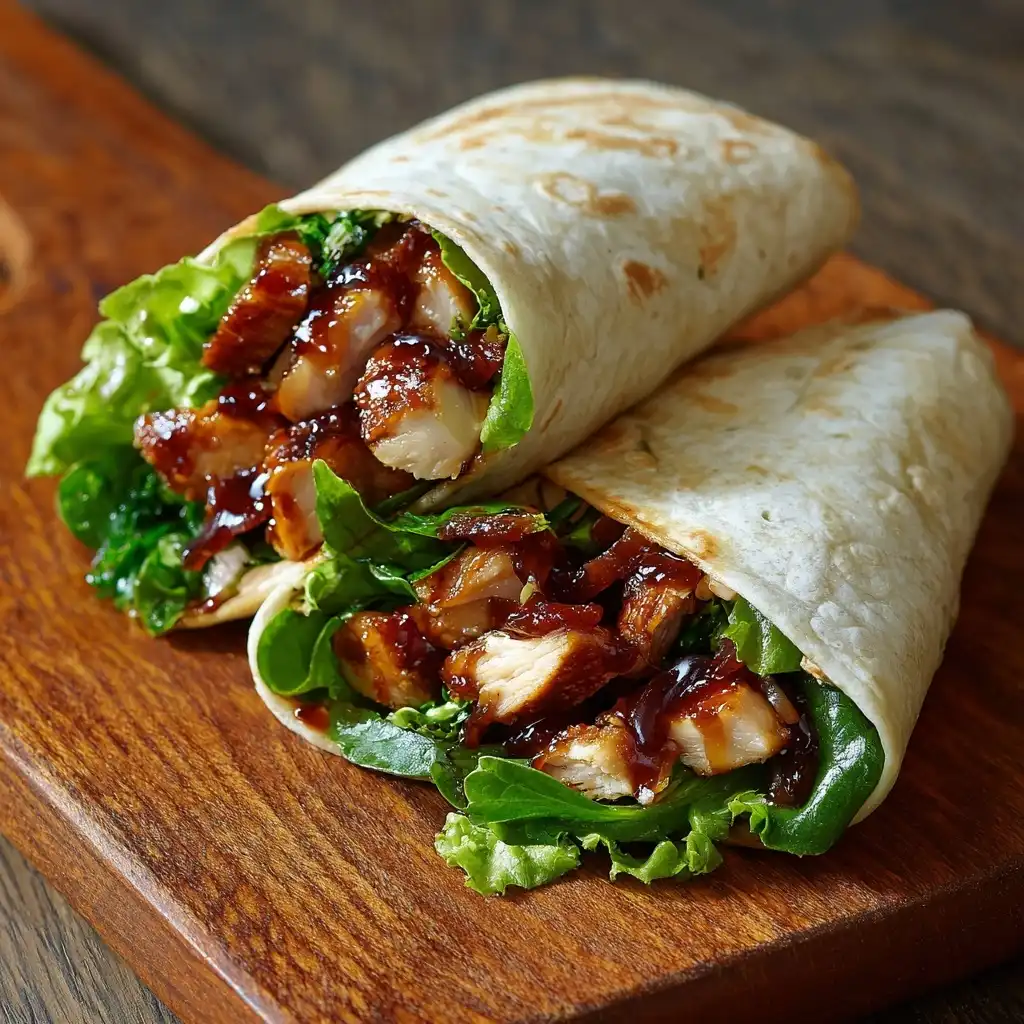
The Teriyaki Chicken Wrap is a vibrant, globally inspired fusion dish that bridges the rich umami depth of Japanese teriyaki with the convenient, handheld appeal of a Western-style wrap. It’s more than just lunch—it’s a harmonious balance of sweet, salty, savory, and tangy flavors wrapped in soft, pliable tortillas and layered with crisp vegetables, tender marinated chicken, and glossy, aromatic sauce. Whether enjoyed as a quick weekday meal, a packed lunch for work or school, or a crowd-pleasing option for casual gatherings, this wrap delivers restaurant-quality taste with home-kitchen accessibility. Its adaptability—across dietary preferences, ingredient availability, and cooking skill levels—makes it a modern pantry staple that continues to evolve with culinary trends while honoring its traditional roots.
The History
The origins of the Teriyaki Chicken Wrap lie at the intersection of two distinct culinary traditions: Japanese teriyaki and American-Mexican wrap culture. Teriyaki itself traces back to 17th-century Japan, where “teri” (gloss or luster) and “yaki” (grill or broil) described a cooking technique involving glazing proteins with a soy-based, mirin-sweetened reduction. Early teriyaki was reserved for special occasions and often featured fatty fish like mackerel or eel. In the mid-20th century, as Japanese immigrants settled in Hawaii and mainland U.S., they adapted teriyaki using locally abundant chicken and beef—giving rise to the now-iconic Hawaiian teriyaki chicken, popularized by local plate lunches and roadside stands.
Meanwhile, the concept of the wrap emerged from Mexican-American cuisine in the 1980s and gained mainstream traction in the 1990s with the rise of fast-casual chains emphasizing portability and customization. Chefs and home cooks soon began cross-pollinating global flavors into wraps—taco fillings met curry spices, falafel met tahini, and teriyaki chicken met flour tortillas. The Teriyaki Chicken Wrap crystallized as a distinct menu item by the early 2000s, appearing in college dining halls, bento-box delivery services, and gourmet food trucks across California, Seattle, and Toronto. Today, it symbolizes the broader trend of “global comfort food”—a culturally resonant, nutritionally balanced, and endlessly modifiable meal format rooted in authenticity but unafraid of innovation.
Ingredients Breakdown
Understanding each component—and why it matters—elevates your Teriyaki Chicken Wrap from good to extraordinary:
- Chicken Breast or Thighs: Boneless, skinless chicken breast offers lean protein and clean texture, while thighs provide superior moisture, richer flavor, and forgiveness during grilling or pan-searing. Both benefit from proper marination time (minimum 30 minutes; ideally 2–4 hours).
- Soy Sauce (Low-Sodium Preferred): The foundational umami source. Tamari is an excellent gluten-free alternative with deeper, less salty complexity. Avoid “teriyaki marinade” blends laden with corn syrup and artificial additives—opt for brewing your own for control over sodium, sugar, and preservatives.
- Mirin: A mild, slightly sweet Japanese rice wine essential for authentic teriyaki gloss and subtle acidity. If unavailable, substitute with a mix of dry sherry + ½ tsp sugar per tablespoon—but true mirin contributes nuanced fermentation notes no substitute fully replicates.
- Real Maple Syrup or Brown Sugar: Adds caramelized depth and viscosity. Pure maple syrup introduces mineral-rich complexity and a delicate woody finish; dark brown sugar contributes molasses warmth. Avoid pancake syrups—they contain high-fructose corn syrup and artificial flavors that dull the sauce’s brightness.
- Fresh Ginger & Garlic: Grated (not powdered) for volatile aromatic oils that activate heat and lift the sauce. Ginger adds citrusy zing and anti-inflammatory compounds; garlic imparts pungent savoriness that mellows beautifully when cooked.
- Rice Vinegar: A gentle acid that balances sweetness and enhances shelf life. Unseasoned rice vinegar is ideal—seasoned versions contain added sugar and salt, throwing off seasoning balance.
- Sesame Oil (Toasted): Used *only* as a finishing oil—not for cooking—due to its low smoke point. Drizzled post-cooking, it delivers nutty, toasty aroma and a luxurious mouthfeel.
- Wraps (Flour Tortillas): Look for pliable, 10–12 inch burrito-size tortillas made with minimal ingredients (flour, water, fat, salt). Brands using lard or avocado oil yield superior tenderness and foldability. For gluten-free options, cassava or almond-flour wraps hold up well when warmed properly.
- Slaw Base (Cabbage & Carrot): Green cabbage provides crunch and glucosinolates (phytonutrients linked to cellular health); shredded purple cabbage adds anthocyanins (antioxidants) and visual pop. Matchstick carrots contribute beta-carotene, sweetness, and textural contrast.
- Green Onions & Cilantro: Fresh alliums and herbs add aromatic brightness and enzymatic freshness—critical for cutting through the sauce’s richness. Reserve some for garnish to preserve volatile top-notes.
- Optional Enhancements: Pickled ginger (beni shoga) for palate-cleansing acidity; nori strips for oceanic umami; crushed roasted peanuts or sesame seeds for crunch and healthy fats; sriracha-mayo swirl for creamy heat.
Step-by-Step Recipe
- Marinate the Chicken: In a non-reactive bowl, whisk together ¼ cup low-sodium soy sauce, 3 tbsp mirin, 2 tbsp pure maple syrup, 1 tbsp rice vinegar, 1 tbsp freshly grated ginger, 2 minced garlic cloves, and ½ tsp black pepper. Add 1 lb boneless, skinless chicken breast or thighs (cut into ½-inch strips), ensuring full submersion. Cover and refrigerate for at least 30 minutes—or up to 4 hours for optimal flavor infusion. Do not exceed 24 hours, as the acid can begin to “cook” the surface, resulting in mushiness.
- Prepare the Slaw: In a large mixing bowl, combine 2 cups thinly sliced green cabbage, 1 cup julienned carrot, ¼ cup thinly sliced green onions (white and light green parts), 2 tbsp rice vinegar, 1 tsp toasted sesame oil, ½ tsp honey, and a pinch of sea salt. Toss thoroughly and refrigerate for 15–20 minutes to allow flavors to meld and cabbage to soften slightly.
- Cook the Chicken: Heat 1 tbsp neutral oil (avocado or grapeseed) in a heavy-bottomed skillet or grill pan over medium-high heat. Remove chicken from marinade (reserve marinade), shaking off excess. Cook in a single layer without crowding—approximately 5–6 minutes per side for breast, 4–5 minutes per side for thighs—until deeply caramelized and internal temperature reaches 165°F (74°C). Transfer to a clean plate and tent loosely with foil.
- Reduce the Teriyaki Sauce: Pour reserved marinade into the same hot pan. Bring to a gentle simmer over medium heat. Stir constantly and cook for 4–6 minutes until reduced by half and thickened to a glossy, coat-the-back-of-a-spoon consistency. Optional: stir in 1 tsp cornstarch slurry (1 tsp cornstarch + 1 tbsp cold water) for extra cling if desired. Remove from heat and stir in 1 tsp toasted sesame oil and 1 tbsp fresh cilantro (finely chopped).
- Warm the Tortillas: Heat each tortilla individually over a gas flame (1–2 seconds per side) or in a dry skillet (15–20 seconds per side) until pliable and fragrant. Stack wrapped in a clean kitchen towel or foil to retain steam and flexibility.
- Assemble the Wrap: Lay a warm tortilla flat. Spread 2 tbsp reduced teriyaki sauce in a horizontal band across the center third. Layer evenly with ¾ cup slaw, ½ cup cooked chicken strips, 1 tbsp pickled ginger (optional), and a generous sprinkle of sliced green onions and cilantro leaves. For extra richness, add 1 tbsp crumbled roasted peanuts or toasted sesame seeds.
- Roll with Precision: Fold the bottom edge up over the filling, then fold left and right sides inward. Roll tightly forward, applying gentle pressure to compact layers. Seal seam-side down on a cutting board. Let rest 2 minutes before slicing diagonally—this allows the sauce to settle and prevents spillage.
- Serve Immediately: Present whole or halved, with extra teriyaki sauce on the side for dipping. Garnish with microgreens, nori strips, or a lime wedge for visual and flavor contrast.
Tips
- Marinade Safety First: Never reuse raw chicken marinade unless boiled vigorously for at least 3 minutes to kill pathogens. Always reserve a portion before adding chicken—or make double the batch and set aside half for sauce reduction.
- Prevent Soggy Wraps: Drain slaw well before assembling. Pat chicken dry after cooking if excess sauce pools. Consider placing a thin layer of mashed avocado or cream cheese along the tortilla’s inner edge as a moisture barrier.
- Grill vs. Pan-Sear: For smoky depth, use a cast-iron grill pan preheated until smoking lightly. For convenience and even browning, a stainless steel skillet works best—just avoid nonstick if aiming for maximum fond (caramelized bits) for sauce building.
- Make-Ahead Mastery: Marinate chicken and prepare slaw up to 1 day ahead. Cook chicken and reduce sauce up to 3 days ahead—store separately in airtight containers in the fridge. Assemble wraps within 2 hours of serving for optimal texture.
- Tortilla Temperature Matters: Cold tortillas crack; overheated ones become brittle. Ideal warmth is ~120–130°F—warm enough to be pliable, cool enough to handle safely. Test with your palm—if it feels comfortably warm, it’s ready.
- Sauce Consistency Control: If sauce thickens too much upon cooling, whisk in 1 tsp warm water or mirin to loosen. If too thin, return to low heat and simmer 1–2 minutes longer—or add a pinch of xanthan gum (¼ tsp) for stable viscosity without cloudiness.
- Resting Is Non-Negotiable: Letting the assembled wrap rest for 2 minutes allows starches in the tortilla to relax and the sauce to permeate the slaw, transforming disjointed layers into a cohesive, flavorful bite.
- Knife Sharpness Counts: Use a sharp, serrated knife for clean cuts. Dull blades compress and tear the wrap, releasing fillings. Wipe blade between cuts for presentation-perfect halves.
Variations and Customizations
This recipe thrives on personalization—here are thoughtfully crafted variations spanning dietary needs, global accents, seasonal produce, and culinary curiosity:
- Vegetarian/Vegan Version: Replace chicken with extra-firm tofu (pressed 30 minutes, cubed, and marinated identically) or seitan strips. Use tamari instead of soy sauce and maple syrup instead of honey. Boost umami with 1 tsp nutritional yeast in the sauce. Add sautéed shiitake mushrooms and blanched edamame to the slaw.
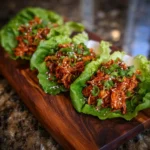
- Gluten-Free Adaptation: Use certified GF tamari, GF tortillas (cassava, coconut, or almond flour-based), and verify mirin is GF (some contain barley). Serve with lettuce cups as an alternative to wraps for zero-grain adherence.
- Spicy Sriracha-Teriyaki Twist: Whisk 1–2 tsp sriracha into the teriyaki sauce pre-reduction. Add pickled jalapeños and crushed red pepper flakes to the slaw. Top with a drizzle of spicy mayo (vegan mayo + sriracha + lime zest).
- Pineapple-Hoisin Fusion: Add ¼ cup finely diced fresh pineapple to the marinade and slaw. Substitute 1 tbsp hoisin sauce for 1 tbsp maple syrup for deeper molasses-fermented notes. Garnish with toasted coconut flakes.
- Deconstructed Bowl Style: Skip the tortilla entirely. Serve marinated-and-grilled chicken over brown rice or quinoa, topped with teriyaki slaw, edamame, cucumber ribbons, nori, and a soft-boiled egg. Drizzle with extra sauce and sesame oil.
- Breakfast Teriyaki Wrap: Scramble eggs with scallions and a splash of teriyaki sauce. Layer with grilled chicken, avocado slices, and kimchi slaw (sub kimchi for part of the cabbage) in a whole-wheat tortilla.
- Low-Carb/Low-Sugar Option: Replace maple syrup with 1 tbsp monk fruit–erythritol blend. Use shredded butter lettuce or collard green leaves as wraps. Increase slaw volume with jicama, daikon radish, and snow peas for fiber and crunch.
- Umami Bomb Upgrade: Add 1 tsp dried shiitake powder or ½ tsp white miso paste to the teriyaki sauce. Finish with bonito flakes sprinkled over the finished wrap for authentic Japanese depth.
- Seasonal Harvest Variation: In fall, swap cabbage for roasted delicata squash ribbons and add pomegranate arils. In spring, use baby spinach, snap peas, and radish sprouts. In summer, incorporate grilled zucchini and heirloom cherry tomatoes.
- Kid-Friendly Mild Version: Omit garlic and ginger from marinade; use only 1 tsp grated ginger and skip green onions. Add 1 tbsp unsweetened applesauce to sauce for natural sweetness and smoothness. Include shredded cheddar and a mild ranch drizzle.
Health Considerations and Nutritional Value
A well-prepared Teriyaki Chicken Wrap is a nutritionally intelligent meal—when mindful choices are made at every stage. A standard serving (one 12-inch wrap with 1 lb chicken, slaw, and sauce) contains approximately 520–580 calories, with the following macro- and micronutrient highlights:
- Protein Powerhouse: ~42g high-biological-value protein supports muscle synthesis, satiety, and metabolic function. Chicken breast provides lean protein; thighs offer monounsaturated fats beneficial for heart health.
- Smart Carbohydrates: ~55g complex carbs from whole-grain or sprouted tortillas (if used) and fiber-rich vegetables. Cabbage and carrots supply ~8g dietary fiber—supporting gut microbiota diversity, blood sugar regulation, and digestive regularity.
- Healthy Fats: ~14g total fat, primarily unsaturated—from sesame oil, avocado (if added), and nuts/seeds. Rich in vitamin E, omega-6, and phytosterols shown to support cholesterol metabolism.
- Vitamin & Mineral Density: Exceptionally high in vitamin C (from cabbage, bell peppers, lime), vitamin K (cabbage, green onions), potassium (chicken, carrots), and B-vitamins (chicken, whole grains). Fermented additions like pickled ginger or kimchi introduce probiotics for immune and gastrointestinal resilience.
- Sodium Awareness: Traditional teriyaki is sodium-dense. Using low-sodium soy sauce, reducing added salt, and balancing with potassium-rich veggies keeps sodium around 680–750mg per wrap—well within the American Heart Association’s recommended <1,500mg/day limit for sensitive individuals.
- Sugar Transparency: Homemade sauce avoids HFCS and hidden sugars. With pure maple syrup, total added sugar remains ~12g—within WHO’s daily recommendation of <25g. Substituting monk fruit or date paste further reduces glycemic load.
- Anti-Inflammatory Profile: Ginger, garlic, green onions, sesame oil, and cruciferous vegetables contain potent polyphenols (gingerol, allicin, quercetin, sulforaphane) clinically associated with reduced systemic inflammation and oxidative stress.
- Dietary Flexibility: Easily adapted for keto (lettuce wrap, no sugar), Mediterranean (olive oil instead of sesame, add olives/feta), paleo (coconut wraps, no grains), or renal diets (low-sodium tamari, limited potassium sources if needed).
- Food Safety Notes: Always cook chicken to 165°F. Refrigerate leftovers within 2 hours. Discard any wrap left at room temperature >4 hours. Pregnant individuals should avoid raw sprouts or unpasteurized fermented items unless verified safe.
For those managing specific conditions: diabetics benefit from the low-glycemic index of cabbage and controlled carb portions; hypertension patients appreciate sodium-conscious prep; IBS sufferers may opt for low-FODMAP adjustments (swap onion/garlic for infused oil, use bok choy instead of cabbage). Consult a registered dietitian for personalized integration into therapeutic meal plans.
Ingredients
- 1 pound boneless, skinless chicken breast or thighs, cut into ½-inch strips
- ¼ cup low-sodium soy sauce (or tamari for gluten-free)
- 3 tablespoons mirin (Japanese rice wine)
- 2 tablespoons pure maple syrup (or brown sugar)
- 1 tablespoon unseasoned rice vinegar
- 1 tablespoon fresh ginger, finely grated
- 2 cloves garlic, minced
- ½ teaspoon freshly ground black pepper
- 1 tablespoon neutral cooking oil (avocado, grapeseed, or peanut)
- 1 teaspoon toasted sesame oil (for finishing)
- 2 cups green cabbage, thinly sliced (or 1 cup green + 1 cup purple)
- 1 cup carrots, julienned or grated
- ¼ cup green onions, thinly sliced (white and light green parts)
- 2 tablespoons rice vinegar (for slaw)
- ½ teaspoon honey or maple syrup (for slaw)
- Pinch of sea salt (for slaw)
- 4 large (10–12 inch) flour tortillas (or gluten-free alternative)
- ¼ cup fresh cilantro leaves, chopped
- Optional: 2 tablespoons pickled ginger (beni shoga), 2 tablespoons roasted peanuts or sesame seeds, lime wedges, sriracha-mayo
Directions
- In a medium non-reactive bowl, whisk together soy sauce, mirin, maple syrup, 1 tablespoon rice vinegar, grated ginger, minced garlic, and black pepper. Add chicken strips and toss to coat thoroughly. Cover and refrigerate for 30 minutes to 4 hours.
- In another bowl, combine cabbage, carrots, and green onions. In a small bowl, whisk 2 tablespoons rice vinegar, ½ teaspoon honey, and a pinch of salt. Pour over vegetables and toss. Refrigerate for 15–20 minutes.
- Heat 1 tablespoon neutral oil in a large skillet or grill pan over medium-high heat. Remove chicken from marinade (reserve marinade) and pat lightly with paper towels. Cook chicken in a single layer for 5–6 minutes per side (breast) or 4–5 minutes per side (thighs), until deeply caramelized and internal temperature reaches 165°F. Transfer to a plate and tent with foil.
- Pour reserved marinade into the hot pan. Bring to a gentle simmer and cook, stirring frequently, for 4–6 minutes, until reduced by half and glossy. Remove from heat and stir in 1 teaspoon toasted sesame oil and 1 tablespoon chopped cilantro.
- Warm tortillas one at a time over medium-low heat in a dry skillet or directly over a gas flame for 15–20 seconds per side until soft and pliable. Keep wrapped in a clean towel or foil.
- To assemble: Lay a warm tortilla flat. Spread 2 tablespoons reduced teriyaki sauce horizontally across the center. Top with ¾ cup slaw, ½ cup chicken, 1 tablespoon pickled ginger (if using), and a sprinkle of green onions and cilantro. Add optional toppings like peanuts or sesame seeds.
- Fold the bottom edge up over the filling, then fold left and right sides inward. Roll tightly forward to enclose. Place seam-side down and let rest for 2 minutes.
- Using a sharp serrated knife, slice diagonally. Serve immediately with extra teriyaki sauce, lime wedges, or sriracha-mayo on the side.
FAQ
- Can I bake the chicken instead of pan-frying?
- Yes! Arrange marinated chicken on a parchment-lined baking sheet and bake at 400°F for 18–22 minutes, flipping halfway, until golden and 165°F internally. Broil for final 1–2 minutes to caramelize. Reduce marinade separately on the stovetop as directed.
- Why does my teriyaki sauce separate or become grainy?
- Overheating or rapid boiling causes proteins in soy sauce to coagulate. Always reduce over medium-low heat, stirring constantly. If graininess occurs, strain sauce through a fine-mesh sieve and reheat gently.
- Can I freeze teriyaki chicken wraps?
- Freezing assembled wraps is not recommended—the tortilla becomes gummy and slaw weeps. However, marinated raw chicken freezes well for up to 3 months; thaw overnight in the fridge before cooking. Reduced sauce also freezes for up to 2 months—reheat gently with a splash of water.
- What’s the best tortilla for holding up to wet fillings?
- Look for tortillas labeled “burrito size,” “soft taco,” or “street taco” with simple ingredients and no preservatives. Brands like La Tortilla Factory Whole Grain, Siete Almond Flour, or Mission Carb Balance hold structural integrity best when warmed properly.
- Can I make this recipe nut-free?
- Absolutely. Simply omit peanuts or tree nuts. Toasted sunflower or pumpkin seeds make excellent crunchy, allergen-friendly alternatives. Double-check that your soy sauce/tamari and mirin are processed in nut-free facilities if severe allergy is a concern.
- How do I prevent the wrap from falling apart while eating?
- Three keys: (1) Don’t overfill—keep filling under 1½ cups per wrap; (2) Rest rolled wraps seam-down for 2 minutes before cutting; (3) Wrap tightly in parchment paper or wax paper, then foil, twisting ends—like a candy wrapper—for portable stability.
- Is mirin necessary—or can I skip it?
- Mirin contributes irreplaceable sweetness, acidity, and aromatic complexity. While substitutes exist (sherry + sugar), skipping it results in a flatter, saltier, less glossy sauce. For strict alcohol-avoidance, use 1 tbsp apple juice + ½ tsp rice vinegar + ½ tsp sugar—but expect subtle flavor compromise.
- Can I use pre-shredded cabbage?
- You can—but it often contains preservatives (like calcium chloride) that inhibit softening and add bitterness. Freshly shredded cabbage yields better texture, brighter flavor, and higher nutrient retention. If using pre-shredded, rinse well and pat dry before tossing with dressing.
- What wine or beverage pairs well with this wrap?
- A chilled, off-dry Riesling complements the sweet-savory balance. For non-alcoholic pairings: sparkling yuzu soda, chilled genmaicha (toasted brown rice green tea), or ginger-kombucha offer cleansing acidity and aromatic harmony.
- How long will leftovers keep?
- Refrigerate components separately: cooked chicken (up to 4 days), slaw (up to 3 days), reduced sauce (up to 5 days), and tortillas (up to 1 week, tightly wrapped). Assemble only when ready to eat for best quality.
Summary
The Teriyaki Chicken Wrap is a masterclass in global fusion—melding centuries-old Japanese umami tradition with modern, portable, and nutritionally thoughtful meal design.
With customizable ingredients, adaptable techniques, and deep-rooted health benefits, it’s not just a recipe—it’s a versatile culinary framework designed to nourish, delight, and evolve with your kitchen, culture, and cravings.