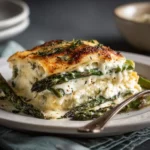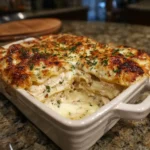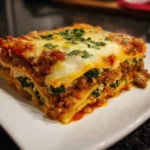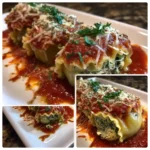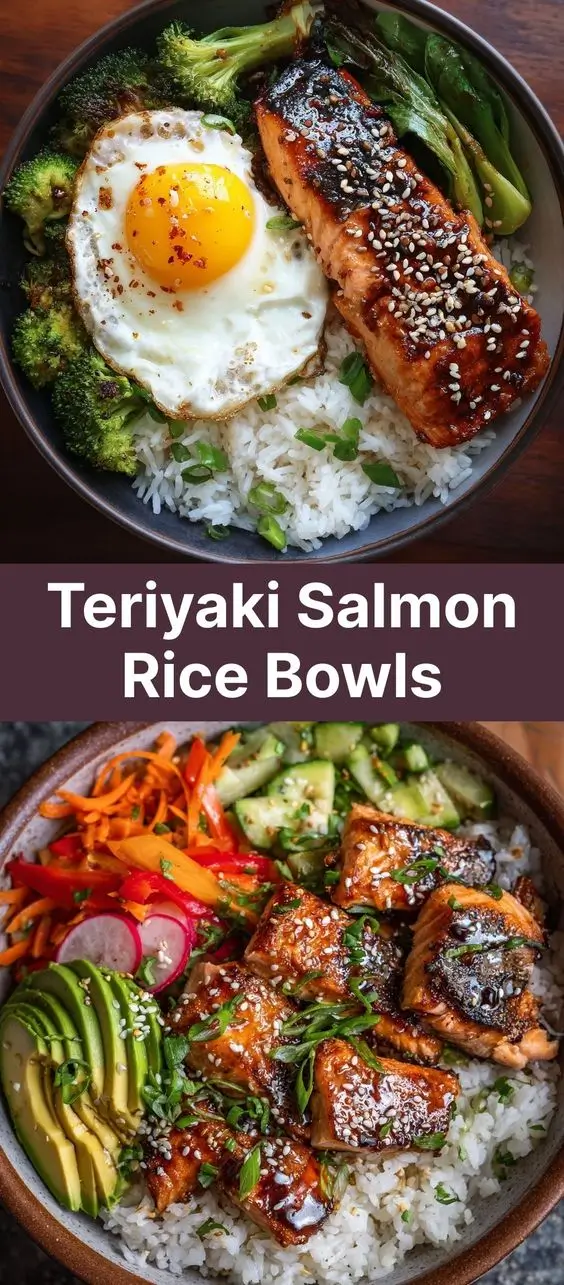
Teriyaki Salmon Rice Bowls: A Flavorful Fusion of Sweet, Savory, and Fresh
There’s something undeniably satisfying about a perfectly crafted Teriyaki Salmon Rice Bowl. With tender, flaky salmon glazed in a glossy, aromatic teriyaki sauce, served over fluffy steamed rice and topped with crisp vegetables, this dish is comfort food elevated to gourmet status. Whether you’re preparing a quick weeknight dinner or impressing guests at a weekend brunch, this bowl delivers bold flavors, vibrant colors, and a balance of textures that make every bite memorable.
The History of Teriyaki and Its Culinary Evolution
The term “teriyaki” originates from Japan, where “teri” refers to the lustrous sheen imparted by the sauce, and “yaki” means grilled or broiled. Traditionally, teriyaki was a cooking technique developed during the Edo period (1603–1868), used primarily for fish and poultry. The glaze—originally made from soy sauce, mirin (sweet rice wine), and sugar—was brushed onto proteins while grilling, creating a caramelized crust that sealed in moisture and enhanced flavor.
Over time, teriyaki spread beyond Japan, particularly gaining popularity in Hawaii and North America, where local palates influenced its evolution. In the United States, teriyaki sauce became bolder, sweeter, and thicker—often incorporating ingredients like garlic, ginger, and honey. Today’s American-style teriyaki diverges slightly from traditional Japanese versions but remains rooted in the same principles of balance: salty, sweet, umami, and a hint of tang.
The Teriyaki Salmon Rice Bowl as we know it today likely emerged from Japanese-American fusion cuisine, blending the rich tradition of Japanese grilling with Western preferences for hearty bowls and meal-prep-friendly formats. It reflects the growing global love for poke bowls, bento boxes, and other customizable rice-based dishes that celebrate fresh ingredients and layered flavors.
Ingredients Breakdown: What Makes This Bowl Shine
Every great recipe starts with quality ingredients. Here’s a detailed look at each component of the Teriyaki Salmon Rice Bowl and why they matter:
- Salmon Fillets: Rich in omega-3 fatty acids and protein, wild-caught salmon offers a buttery texture and robust flavor that stands up beautifully to the bold teriyaki glaze. Look for center-cut fillets with even thickness for consistent cooking.
- Soy Sauce: The backbone of teriyaki sauce, soy sauce provides saltiness and umami depth. For a healthier option, use low-sodium soy sauce; for an authentic twist, try Japanese shoyu.
- Coconut Aminos (optional): A soy-free alternative that mimics soy sauce’s flavor with less sodium and no gluten. Ideal for those following paleo or allergen-conscious diets.
- Maple Syrup or Honey: Natural sweeteners that balance the saltiness of soy sauce. Maple syrup adds a subtle earthy note, while honey contributes floral sweetness. Both help create the signature sticky glaze.
- Fresh Ginger: Grated ginger infuses the sauce with warmth and zing, enhancing digestion and adding complexity to the flavor profile.
- Garlic: Minced garlic brings pungency and aroma, elevating the savory notes in the sauce.
- Rice Vinegar: Adds a touch of acidity to cut through the richness of the salmon and sweetness of the sauce, ensuring the dish doesn’t feel overly heavy.
- Sesame Oil: Just a drizzle imparts a nutty fragrance that enhances the overall aroma. Use toasted sesame oil for maximum flavor impact.
- Cornstarch Slurry: A mixture of cornstarch and water thickens the sauce into a velvety, clingy glaze perfect for coating salmon and rice.
- Steamed Rice: Sushi rice, jasmine rice, or brown rice all work well. Brown rice adds fiber and a nuttier taste, while white rice offers a neutral canvas that absorbs the sauce beautifully.
- Vegetable Toppings: Common additions include sliced avocado, shredded carrots, cucumber ribbons, edamame, pickled red cabbage, scallions, and microgreens. These add color, crunch, and nutrition.
- Garnishes: Toasted sesame seeds and nori strips provide visual appeal and a burst of oceanic flavor, tying the dish back to its Japanese roots.
Step-by-Step Recipe: How to Make Perfect Teriyaki Salmon Rice Bowls at Home
Ingredients
Makes 4 servings
- 4 (6 oz) skin-on salmon fillets, pin bones removed
- ½ cup low-sodium soy sauce (or coconut aminos)
- ¼ cup maple syrup or honey
- 2 tablespoons rice vinegar
- 1 tablespoon toasted sesame oil
- 3 cloves garlic, minced
- 1 tablespoon fresh ginger, grated
- 2 teaspoons cornstarch
- 2 tablespoons cold water
- 1½ cups uncooked sushi or jasmine rice
- 3 cups water (for rice)
- 1 ripe avocado, sliced
- 1 cup shredded carrots
- 1 cup shelled edamame, steamed
- 1 small cucumber, julienned
- 4 green onions, thinly sliced
- 1 tablespoon sesame seeds, toasted
- Nori strips (optional)
- Lime wedges (for serving)
Directions
- Prepare the Rice: Rinse the rice under cold water until the water runs clear. Combine rice and water in a medium saucepan. Bring to a boil, then reduce heat to low, cover, and simmer for 15–18 minutes, or until water is absorbed and rice is tender. Remove from heat and let sit, covered, for 10 minutes. Fluff with a fork and set aside.
- Make the Teriyaki Sauce: In a small saucepan, whisk together soy sauce, maple syrup, rice vinegar, sesame oil, garlic, and ginger. In a separate bowl, mix cornstarch and cold water until smooth. Pour into the saucepan and stir well. Cook over medium heat, stirring constantly, until the sauce thickens and becomes glossy—about 5–7 minutes. Remove from heat and set aside. (Sauce will thicken further as it cools.)
- Prepare the Salmon: Pat salmon fillets dry with paper towels. Season lightly with salt and pepper. Heat a large nonstick skillet over medium-high heat. Add 1 teaspoon of oil (such as avocado or canola). Place salmon fillets skin-side down in the pan. Press gently with a spatula to ensure even contact. Cook for 5–6 minutes, allowing the skin to crisp. Flip carefully and cook for another 2–4 minutes, depending on thickness, until the salmon is just cooked through and flakes easily with a fork.
- Glaze the Salmon: Reduce heat to low. Pour half of the teriyaki sauce over the salmon fillets, spooning it over the top to coat evenly. Let simmer for 1–2 minutes to allow the glaze to caramelize slightly. Remove from heat.
- Assemble the Bowls: Divide the cooked rice among four bowls. Top each with a glazed salmon fillet. Arrange avocado slices, carrots, edamame, cucumber, and green onions around the salmon. Drizzle with additional teriyaki sauce if desired.
- Garnish and Serve: Sprinkle with toasted sesame seeds and nori strips. Serve with lime wedges on the side for a bright, citrusy finish.
Tips for the Best Teriyaki Salmon Rice Bowls
- Don’t Overcook the Salmon: Salmon continues to cook after being removed from heat. Aim for opaque pink flesh with a slightly translucent center when checking doneness—it will finish cooking as it rests.
- Skin Crispiness is Key: Starting skin-side down ensures crispy skin, which adds texture contrast. Don’t rush this step—let it sear undisturbed for full crispness.
- Homemade Sauce vs. Store-Bought: While convenient, store-bought teriyaki sauce often contains preservatives and excess sugar. Making your own allows control over ingredients and flavor balance.
- Double the Sauce: Leftover teriyaki sauce keeps well in the fridge for up to two weeks. Use it as a marinade, stir-fry base, or dipping sauce.
- Prep Ahead: Cook rice and sauce in advance. Store separately in airtight containers. Reheat rice with a splash of water to restore moisture.
- Use Fresh Ginger and Garlic: Pre-minced versions lack the brightness and punch of freshly grated or chopped aromatics.
- Baste Frequently: When glazing, spoon sauce over the salmon continuously to build layers of flavor and sheen.
- Rest Before Serving: Let the salmon rest for 2–3 minutes after glazing to allow juices to redistribute.
Variations and Customizations: Make It Your Own
The beauty of Teriyaki Salmon Rice Bowls lies in their adaptability. Here are creative ways to personalize the dish:
- Protein Swaps: Try teriyaki chicken, tofu, shrimp, or even scallops instead of salmon for variety.
- Rice Alternatives: Substitute quinoa, cauliflower rice, or forbidden black rice for different textures and nutritional profiles.
- Spicy Kick: Add sriracha, gochujang, or red pepper flakes to the teriyaki sauce for heat lovers.
- Pineapple Twist: Incorporate diced pineapple into the sauce or as a topping for a tropical flair—classic in Hawaiian-inspired versions.
- Keto-Friendly Option: Replace rice with riced broccoli or cabbage, and use a sugar-free teriyaki substitute (like erythritol-sweetened).
- Extra Veggies: Add sautéed mushrooms, bell peppers, snap peas, or roasted sweet potatoes for more volume and nutrients.
- Marinated Salmon: For deeper flavor, marinate salmon in half the teriyaki sauce for 20–30 minutes before cooking (discard used marinade).
- Grilled Version: Grill the salmon outdoors for a smoky dimension. Baste with sauce during the last few minutes to avoid burning.
- Baked Method: Bake salmon at 400°F (200°C) for 12–15 minutes, brushing with sauce halfway through. Ideal for hands-off cooking.
- Vegan Adaptation: Use marinated and baked tempeh or king oyster mushrooms with the same sauce, paired with plant-based toppings.
Health Considerations and Nutritional Value
Teriyaki Salmon Rice Bowls are not only delicious but also packed with essential nutrients when prepared thoughtfully. Here’s a breakdown of the health benefits and considerations:
Nutritional Highlights (per serving, approx.):
- Calories: ~650–750 kcal (varies based on rice type and portion size)
- Protein: ~35–40g – supports muscle repair and satiety
- Omega-3 Fatty Acids: Abundant in salmon; promotes heart and brain health
- Fiber: ~5–8g (higher with brown rice and added veggies)
- Carbohydrates: ~60–70g (complex carbs from rice and vegetables)
- Healthy Fats: Monounsaturated fats from avocado and salmon
- Vitamins & Minerals: Rich in B vitamins, vitamin D, selenium, potassium, and antioxidants from colorful vegetables
Health Tips:
- Watch Sodium Levels: Soy sauce is high in sodium. Opt for low-sodium versions and limit additional salt. Coconut aminos reduce sodium by up to 70%.
- Balance the Sugar: While natural sweeteners are better than refined sugar, moderation is key. Reduce syrup/honey to 2 tablespoons if watching sugar intake.
- Portion Control: Stick to a 6 oz salmon fillet and ¾–1 cup cooked rice per serving to maintain balanced macros.
- Choose Wild-Caught Salmon: Typically lower in contaminants and higher in beneficial fats than farmed varieties.
- Add Probiotics: Include fermented sides like kimchi or pickled vegetables to support gut health.
- Meal Prep Friendly: Assemble components separately and combine when ready to eat to preserve texture and freshness.
Frequently Asked Questions (FAQ)
Q: Can I make teriyaki sauce ahead of time?
A: Absolutely! The sauce can be made up to one week in advance and stored in an airtight container in the refrigerator. Reheat gently before using.
Q: Is it safe to reuse teriyaki marinade as a sauce?
A: No—if the marinade has been in contact with raw fish, it should be discarded due to cross-contamination risks. Always reserve a portion of sauce before marinating for later use as a glaze or drizzle.
Q: Can I bake the salmon instead of pan-searing?
A: Yes! Baking is a great option. Preheat oven to 400°F (200°C), place salmon on a parchment-lined baking sheet, and bake for 12–15 minutes. Brush with sauce during the last 5 minutes.
Q: How do I prevent the teriyaki sauce from burning?
A: Keep the heat low when reducing the sauce and avoid boiling vigorously. Stir constantly, especially after adding cornstarch.
Q: What can I use instead of cornstarch?
A: Arrowroot powder or tapioca starch work as 1:1 substitutes. For a grain-free option, blend silken tofu into the sauce to thicken naturally.
Q: Are these bowls freezer-friendly?
A: Cooked salmon freezes well for up to 2 months. Rice may become dry upon reheating—add a splash of water when microwaving. Sauce freezes beautifully too.
Q: Can I use frozen salmon?
A: Yes, but thaw it slowly in the refrigerator overnight for best texture. Never cook frozen salmon directly unless baking, as it may cook unevenly.
Q: How long do leftovers last?
A: Store components separately in airtight containers in the fridge for up to 3 days. Reheat salmon gently to avoid drying out.
Summary
Teriyaki Salmon Rice Bowls combine succulent, glazed salmon with fragrant rice and fresh vegetables for a nutritious, flavorful meal that’s easy to customize and perfect for any occasion. Packed with omega-3s, protein, and vibrant produce, this dish bridges comfort and wellness in every bite.