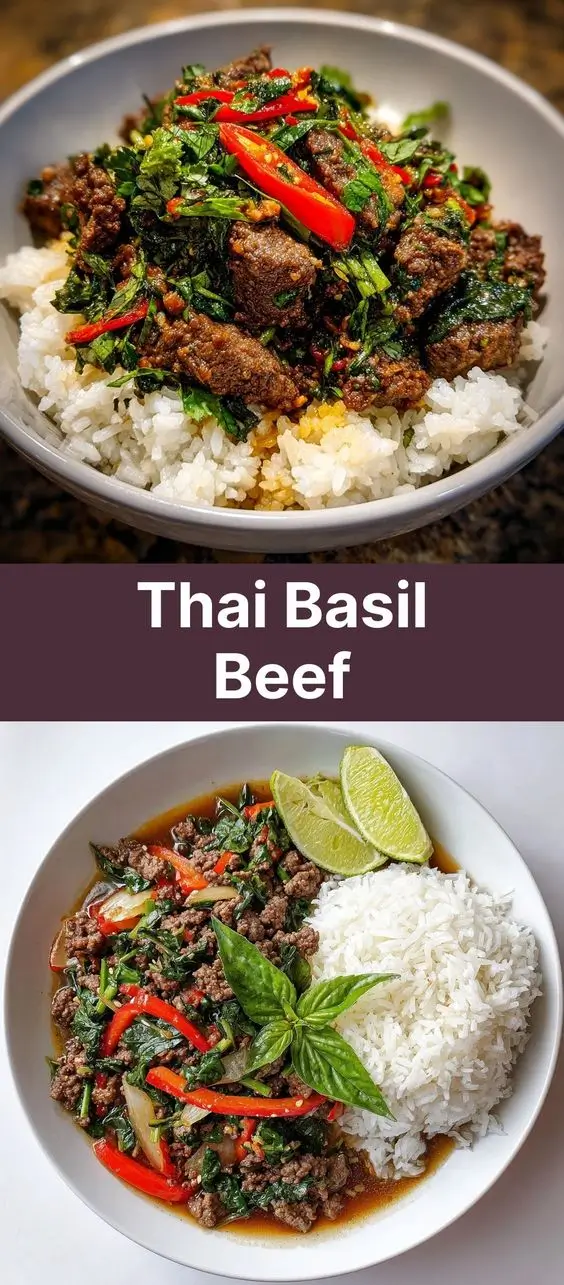
Thai Basil Beef (Pad Krapow Gai): A Flavorful Journey Through Thailand’s Most Beloved Street Food
The History of Thai Basil Beef
Thai Basil Beef, known in Thai as Pad Krapow Neua, is one of the most iconic dishes in Thai cuisine. While its more popular cousin, Pad Krapow Gai (Thai Basil Chicken), tends to dominate street food stalls across Bangkok and beyond, the beef version offers a rich, savory alternative that’s equally adored by locals and tourists alike. The dish traces its roots back to central Thailand, where stir-frying techniques were perfected over generations using woks heated over roaring open flames.
Originally, Pad Krapow was created as a quick, flavorful meal for laborers and market workers who needed something hot, spicy, and satisfying after long hours in the sun. The use of holy basil (krapow) gives the dish its distinctive aromatic punch, differentiating it from other stir-fries that might use sweet or Italian basil. Holy basil has a peppery, clove-like flavor that stands up beautifully to high heat and bold seasonings.
Over time, Thai Basil Beef evolved from humble street-side fare into a national treasure served in homes, local eateries, and upscale restaurants around the world. Its popularity surged internationally in the 2000s as Thai cuisine gained global recognition. Today, it’s considered a staple of authentic Thai cooking, often ordered with a fried egg on top and served alongside steamed jasmine rice—a combination affectionately known as khao pad krapow.
Ingredients Breakdown: What Makes Thai Basil Beef So Special?
The magic of Thai Basil Beef lies in its balance of flavors—spicy, salty, sweet, and umami—all coming together in under 15 minutes. Each ingredient plays a crucial role in building this harmony:
- Beef: Traditionally, thinly sliced sirloin, flank, or ribeye is used for its tenderness and ability to cook quickly. The meat should be cut against the grain to ensure it remains tender after searing.
- Holy Basil (Krapow): This is non-negotiable for authenticity. Holy basil has purple stems and ruffled leaves with a spicy, anise-like aroma. It wilts quickly but imparts a unique depth you can’t get from regular basil.
- Fresh Chilies: Bird’s eye chilies (prik kee noo) are standard—they pack serious heat. Adjust the number based on your spice tolerance.
- Garlic: Freshly minced garlic adds pungency and forms the base flavor profile along with chilies.
- Oyster Sauce: Provides rich umami and a touch of sweetness. It coats the beef beautifully and enhances browning.
- Fish Sauce: The soul of Thai seasoning. It brings saltiness and complexity without tasting fishy when cooked properly.
- Soy Sauce: Light soy sauce adds color and additional saltiness; dark soy can be used sparingly for deeper hue.
- Sugar: A small amount of palm sugar or white sugar balances the salt and heat, rounding out the overall taste.
- Broth or Water: A splash helps deglaze the pan and create a light sauce that clings to the meat.
- Cooking Oil: Neutral oils like vegetable or peanut oil work best due to their high smoke point.
- Eggs (optional): Often served with a sunny-side-up or over-easy fried egg on top, especially in Thailand.
- Jasmine Rice: Not part of the stir-fry itself, but essential as the base—it soaks up the delicious sauce.
Step-by-Step Recipe for Authentic Thai Basil Beef
Follow these detailed steps to recreate an authentic, restaurant-quality Thai Basil Beef right in your kitchen.
Preparation Time: 10 minutes | Cooking Time: 8–10 minutes | Total Time: ~20 minutes
- Prepare Ingredients: Slice 1 lb (450g) of beef into thin strips, about ¼ inch thick, cutting against the grain. Mince 4–6 cloves of garlic and 2–3 bird’s eye chilies (adjust to taste). Measure out ½ cup of loosely packed holy basil leaves. Have all sauces ready near the stove—this cooks fast!
- Mix the Sauce: In a small bowl, combine 2 tablespoons oyster sauce, 1 tablespoon fish sauce, 1 teaspoon soy sauce, 1 teaspoon sugar, and 2 tablespoons of water or beef broth. Stir until sugar dissolves. Set aside.
- Heat the Wok or Pan: Place a large wok or heavy skillet over high heat. Let it get smoking hot—this ensures proper sear and prevents steaming the meat.
- Sear the Beef: Add 1–2 tablespoons of oil to the wok. Swirl to coat. Add the beef in a single layer and let it sizzle undisturbed for 30 seconds to develop a nice crust. Then stir-fry for another 1–2 minutes until just browned but still slightly pink inside. Remove beef and set aside temporarily.
- Sauté Aromatics: Reduce heat slightly to medium-high. Add another drizzle of oil if needed. Toss in the minced garlic and chilies, stir-frying for about 20–30 seconds until fragrant but not burnt.
- Combine Everything: Return the beef to the wok. Pour in the prepared sauce mixture. Stir well to coat every piece. Let it simmer for 1 minute, allowing the sauce to reduce slightly and cling to the meat.
- Add Holy Basil: Throw in the holy basil leaves and toss continuously for 20–30 seconds until just wilted. The leaves should remain vibrant green with a slight sheen from the sauce.
- Taste and Adjust: Give it a final taste. Need more salt? Add a dash more fish sauce. Too salty? A pinch more sugar. Too spicy? Serve immediately with cooling rice.
- Serve Hot: Plate immediately over a generous bed of hot steamed jasmine rice. Top with a fried egg if desired, and serve with cucumber slices and extra chilies on the side.
Pro Tips for Perfect Thai Basil Beef Every Time
- Use High Heat: This dish relies on the Maillard reaction—the browning of proteins—for deep flavor. Don’t skimp on heat.
- Don’t Overcook the Beef: Since the slices are thin, they cook rapidly. Overcooking leads to toughness. Aim for medium-rare to medium doneness unless you prefer well-done.
- Prep Ahead: Because everything happens so fast, have all ingredients chopped, measured, and within arm’s reach before turning on the stove.
- Wok Hei (Breath of the Wok): If possible, cook outdoors on a gas flame or use a carbon steel wok indoors. The slight char adds authentic smokiness.
- Don’t Substitute Holy Basil: While sweet basil may look similar, it lacks the sharp, spicy notes of holy basil. If unavailable, try to find Thai holy basil at Asian markets or grow your own. As a last resort, a mix of sweet basil and a few mint leaves can mimic some complexity.
- Fried Egg Hack: Cook the egg in the same pan after finishing the beef (wipe clean first). Basting with oil gives it a golden edge and runny yolk—perfect for mixing into the rice.
- Serve Immediately: Thai Basil Beef loses its appeal when sitting too long. The basil continues to wilt, and the beef may dry out.
Variations and Customizations
While traditional Thai Basil Beef uses beef and holy basil, countless variations exist depending on region, dietary needs, and personal preference:
- Protein Swaps: Replace beef with chicken (Pad Krapow Gai), pork, shrimp, tofu, or even duck. Each protein brings its own texture and richness.
- Vegan/Vegetarian Version: Use firm tofu or plant-based ground “meat,” substitute oyster sauce with mushroom sauce or vegetarian oyster alternative, and replace fish sauce with soy sauce or tamari (though this changes the flavor profile slightly).
- Low-Sodium Option: Use reduced-sodium fish sauce and oyster sauce, or dilute them with water. Increase garlic and chili for more flavor without added salt.
- Sweetness Adjustment: For a less sweet version, omit sugar entirely—some Thai chefs argue the natural sugars in the sauces are sufficient.
- Extra Heat Lovers: Add dried red pepper flakes or a splash of sriracha for an extra kick. Some street vendors even serve raw chilies on the side for brave diners.
- With Bell Peppers or Mushrooms: Though not traditional, adding sliced bell peppers or shiitake mushrooms increases volume and nutrition while absorbing the flavorful sauce.
- Dry Version (Haeng): For a drier, more concentrated flavor, reduce the amount of liquid in the sauce and increase stir-frying time to evaporate moisture completely.
- Noodle Version: Instead of serving over rice, toss the finished dish with rice noodles or egg noodles for a hybrid Pad See Ew–style meal.
Health Considerations and Nutritional Value
Thai Basil Beef can be both nutritious and indulgent, depending on how it’s prepared. Here’s a breakdown per typical serving (approx. 1 cup beef + sauce, served with 1 cup jasmine rice):
| Nutrient | Amount (Approximate) |
|---|---|
| Calories | 450–550 kcal |
| Protein | 28–32g |
| Fat | 15–20g |
| Saturated Fat | 5–7g |
| Carbohydrates | 45–55g |
| Sugar | 4–6g |
| Sodium | 900–1300mg |
| Fiber | 2–3g |
Health Notes:
- High-Quality Protein Source: Beef provides complete protein with essential amino acids, iron (especially heme iron, which is easily absorbed), zinc, and B vitamins including B12.
- Basil Benefits: Holy basil contains antioxidants, anti-inflammatory compounds, and may support immune function and blood sugar regulation.
- Sodium Alert: The dish can be high in sodium due to fish and oyster sauce. To lower intake, use low-sodium versions or reduce quantities and boost flavor with lime juice or fresh herbs.
- Balanced Meal Potential: When paired with brown rice instead of white, and served with steamed vegetables or a side salad, it becomes a more balanced, fiber-rich option.
- Portion Control: Be mindful of portion sizes—especially oil and sauce usage—to keep it heart-healthy.
- Gluten-Free Note: Most fish and oyster sauces contain wheat. For gluten-free diets, seek certified gluten-free alternatives made from tamari or coconut aminos.
Full Ingredient List (Serves 2–3)
- 1 lb (450g) beef (sirloin, flank, or ribeye), thinly sliced
- ½ cup fresh holy basil leaves (Thai basil not recommended)
- 4–6 cloves garlic, finely minced
- 2–3 red bird’s eye chilies, finely sliced (seeds in for heat)
- 2 tbsp oyster sauce
- 1 tbsp fish sauce
- 1 tsp light soy sauce
- 1 tsp sugar (palm or white)
- 2 tbsp water or beef broth
- 2–3 tbsp cooking oil (peanut, vegetable, or canola)
- Salted butter (optional, for richness)
- 2–3 eggs (optional, for topping)
- 2 cups cooked jasmine rice (or brown rice for healthier option)
- Sliced cucumbers and lime wedges, for serving
- Extra chilies, for garnish
Directions Recap (Concise Format)
- Marinate beef briefly in 1 tsp soy sauce (optional for tenderness).
- Heat wok over high flame until smoking.
- Stir-fry beef in batches until browned; remove and set aside.
- In same wok, sauté garlic and chilies until fragrant (~30 sec).
- Return beef to wok; add sauce mixture (oyster, fish, soy, sugar, water).
- Stir-fry 1 minute to coat and reduce sauce slightly.
- Add holy basil; toss until wilted (~20 sec).
- Taste and adjust seasoning.
- Serve immediately over hot rice with fried egg, cucumber, and lime.
Frequently Asked Questions (FAQ)
Can I use regular basil instead of holy basil?
While you can, the flavor will be significantly different. Sweet basil is milder and more floral, lacking the peppery, clove-like kick of holy basil. If you must substitute, add a few torn mint leaves to approximate the complexity.
Is Thai Basil Beef spicy?
Traditionally, yes—it’s meant to have a noticeable heat from bird’s eye chilies. However, you can control the spice level by reducing the number of chilies or removing seeds before chopping.
Can I make it ahead of time?
Best eaten fresh, but you can prep all ingredients (mise en place) in advance. Reheating causes the basil to turn black and the beef to toughen, so avoid leftovers if possible. That said, leftovers can be refrigerated for up to 2 days and reheated gently in a pan.
What does “krapow” mean?
“Krapow” (กระเพรา) refers to holy basil in Thai. The full name “Pad Krapow” means “stir-fried holy basil.”
Why is there sometimes a fried egg on top?
In Thailand, it’s common to order Pad Krapow with a fried egg (khai dao). The crispy edges and runny yolk add richness and help balance the spiciness.
Can I freeze Thai Basil Beef?
Not recommended. Freezing ruins the texture of the basil and makes the beef chewy upon thawing. Best enjoyed fresh.
Is this dish gluten-free?
Only if you use gluten-free oyster sauce and fish sauce. Many commercial brands contain wheat. Always check labels.
How do I store leftover holy basil?
Wrap in damp paper towel and place in a sealed container in the fridge for up to 3 days. Do not wash until ready to use.
Can I use ground beef?
Absolutely! Ground beef works well and is actually easier to cook evenly. Use lean ground beef (90/10) to avoid excess grease. Brown thoroughly before adding sauce.
What sides go well with Thai Basil Beef?
Classic pairings include sliced cucumber, pickled mustard greens, steamed jasmine rice, and a wedge of lime. A cold Thai iced tea or coconut water completes the meal.
Summary
Thai Basil Beef is a fiery, aromatic stir-fry that captures the essence of Thai street food—bold flavors, quick preparation, and deep satisfaction in every bite. With tender beef, pungent garlic, blazing chilies, and fragrant holy basil tossed in a savory-sweet sauce, it’s a culinary masterpiece that belongs in every home cook’s repertoire.
Served over steaming rice with a golden fried egg on top, this dish delivers an unforgettable explosion of umami, heat, and herbal freshness that keeps people coming back for more—one spoonful at a time.