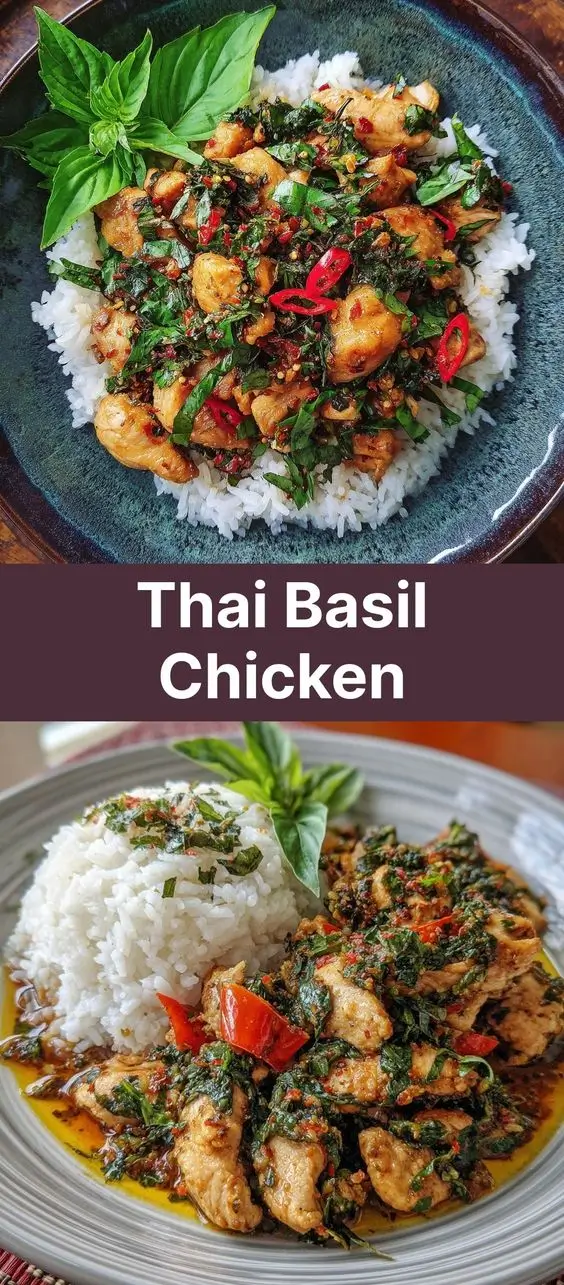
Thai Basil Chicken (Pad Krapow Gai): A Flavorful Street Food Classic
Thai Basil Chicken, known in Thailand as Pad Krapow Gai, is a sizzling, aromatic stir-fry that has captured the hearts of food lovers around the globe. This beloved Thai street food staple combines tender ground chicken with fragrant holy basil, chilies, garlic, and fish sauce, all wok-tossed to perfection and typically served over steamed jasmine rice with a fried egg on top. With its bold, spicy-savory flavor profile and quick preparation time, Pad Krapow Gai is both a home cook’s dream and a restaurant favorite. In this comprehensive guide, we’ll dive into the history, ingredients, techniques, variations, health benefits, and everything you need to know to master this iconic dish in your own kitchen.
The History of Thai Basil Chicken
The origins of Thai Basil Chicken trace back to the bustling street food culture of Thailand, particularly Bangkok and central regions, where vendors have been preparing this dish for decades in mobile carts and roadside stalls. While the exact date of its invention remains unknown, Pad Krapow Gai gained widespread popularity in the mid-20th century due to its affordability, speed of preparation, and irresistible taste. The name “krapow” refers specifically to holy basil (Ocimum tenuiflorum), a sacred herb used in Thai and Southeast Asian cuisine and traditional medicine.
Originally a humble meal for laborers and office workers seeking a quick yet satisfying lunch, it soon became a national favorite. Over time, regional variations emerged—some spicier, some sweeter—and it began appearing on menus across the country. Today, Pad Krapow Gai is considered one of Thailand’s most iconic dishes, often enjoyed any time of day. Its global popularity has surged thanks to the international rise of Thai cuisine, with home cooks and chefs alike adapting it to local tastes while striving to preserve its authentic essence.
Ingredients Breakdown: What Makes It Authentic?
The magic of Thai Basil Chicken lies in the harmony of fresh, pungent, and umami-rich ingredients. Each component plays a crucial role in building the complex flavor profile that defines this dish. Let’s take a closer look at the essential elements:
- Ground Chicken: Traditionally made with freshly minced or ground chicken thigh meat for its juiciness and rich flavor. Some versions use a mix of chicken and pork, but pure chicken is standard.
- Holy Basil (Krapow): Not to be confused with sweet basil or Thai sweet basil, holy basil has a peppery, clove-like aroma and slightly fuzzy leaves. It’s irreplaceable in authenticity, though Italian or sweet basil can be substitutes in a pinch (with altered flavor).
- Garlic: Freshly minced garlic provides a sharp, pungent base that kickstarts the flavor when sautéed in hot oil.
- Chilies: Fresh red or green bird’s eye chilies (prik kee noo) add intense heat. The number used depends on spice tolerance—anywhere from 1 to 10!
- Fish Sauce (Nam Pla): A cornerstone of Thai cooking, fish sauce delivers saltiness and deep umami. It’s fermented from anchovies and should be high quality for best results.
- Oyster Sauce: Adds sweetness, color, and a velvety richness to the sauce. Vegetarian versions may use mushroom-based oyster sauce.
- Soy Sauces: Light soy sauce enhances saltiness without darkening the dish too much; sometimes a touch of dark soy sauce is added for color and molasses-like depth.
- Sugar: A small amount of palm sugar or white sugar balances the saltiness and heat, rounding out the overall flavor.
- Cooking Oil: Neutral oils like vegetable, canola, or peanut oil are preferred for high-heat stir-frying.
- Jasmine Rice: The classic accompaniment—fragrant, fluffy, and slightly sticky—to balance the bold flavors.
- Fried Egg (Khai Dao): A runny-yolk fried egg placed on top adds richness and texture, making the dish more filling and luxurious.
Step-by-Step Recipe for Authentic Thai Basil Chicken
Follow this detailed method to recreate restaurant-quality Thai Basil Chicken at home. Preparation takes about 15 minutes, and cooking is under 10 minutes—perfect for weeknight dinners.
Ingredients
- 1 lb (450g) ground chicken (preferably thigh meat)
- 2 cups fresh holy basil leaves (stemmed)
- 6–8 cloves garlic, finely minced
- 3–6 red bird’s eye chilies, thinly sliced (adjust to taste)
- 3 tbsp vegetable oil
- 2 tbsp fish sauce
- 1 tbsp oyster sauce
- 1 tsp light soy sauce
- ½ tsp sugar (palm or white)
- ¼ cup water or chicken stock (optional, for looser sauce)
- 4 large eggs (for serving, optional)
- 4 cups cooked jasmine rice
- Garnishes: sliced cucumber, lime wedges, additional chilies
Directions
- Prep Ingredients: Mince garlic and slice chilies. Measure out sauces and have holy basil ready. Cook jasmine rice if not already prepared. Set aside.
- Heat the Wok or Pan: Place a wok or large skillet over high heat until smoking hot. Add oil and swirl to coat.
- Sauté Aromatics: Add garlic and chilies. Stir-fry for 15–20 seconds until fragrant but not burnt. The oil will become infused with their flavor.
- Cook the Chicken: Add ground chicken, breaking it apart with a spatula. Stir-fry for 2–3 minutes until no longer pink and lightly browned in spots.
- Add Sauces: Pour in fish sauce, oyster sauce, light soy sauce, and sugar. Mix well and continue stir-frying for another 1–2 minutes. If the mixture seems dry, add a splash of water or broth.
- Incorporate Holy Basil: Add the holy basil leaves and toss quickly until just wilted—about 30 seconds. The leaves should remain vibrant green.
- Taste and Adjust: Give it a taste. You may want to add a bit more fish sauce for saltiness, sugar for balance, or chili for heat.
- Fry the Eggs (Optional): In the same wok or a separate pan, fry eggs sunny-side up or over-easy with crispy edges (“khai dao”). Use a little extra oil and increase heat for crispiness.
- Serve Immediately: Spoon the hot basil chicken over steamed jasmine rice. Top each serving with a fried egg. Garnish with cucumber slices, lime wedges, and extra chilies on the side.
Tips for the Perfect Pad Krapow Gai
- Use High Heat: Authentic stir-fries rely on high heat to achieve “wok hei” (the breath of the wok)—that smoky, seared flavor. Don’t overcrowd the pan, and work in batches if necessary.
- Fresh Is Best: Always use fresh garlic, chilies, and holy basil. Dried herbs won’t deliver the same punch.
- Don’t Overcook the Basil: Add it at the very end and wilt just enough to release its aroma. Overcooking turns it bitter and dulls the color.
- Brown the Chicken Slightly: Allow the ground chicken to develop some golden-brown bits (Maillard reaction) for deeper flavor.
- Balance the Flavors: The ideal Pad Krapow Gai strikes a balance between salty (fish sauce), sweet (oyster sauce, sugar), spicy (chilies), and herbal (basil).
- Runny Yolk is Key: A properly fried egg with a soft, runny yolk enriches the rice and blends beautifully with the savory chicken.
- Customize Heat Level: Remove chili seeds for milder heat, or leave them in for maximum fire. Offer extra chilies on the side for adventurous eaters.
- Prep Ahead: Mince garlic and chilies in advance and store in the fridge for quick weekday meals.
Variations and Customizations
While traditional Pad Krapow Gai uses chicken, the recipe is highly adaptable. Here are popular twists and substitutions:
- Protein Swaps: Try ground pork (very common), beef, turkey, shrimp, tofu, or even jackfruit for vegan versions.
- Vegetarian/Vegan Pad Krapow: Use plant-based ground “meat,” vegan oyster sauce, and skip the egg or use a tofu scramble. Ensure fish sauce is replaced with soy sauce or a vegan alternative.
- Different Basils: If holy basil is unavailable, Thai sweet basil or Italian basil can work—but note the flavor will be sweeter and less peppery. Avoid dried basil.
- Extra Veggies: Add bell peppers, green beans, mushrooms, or baby corn for a heartier, more colorful dish.
- Sauce Variations: Some like to add a splash of oyster-flavored sauce with chili (like “roasted chili sauce”) or a dash of Sriracha for tangy heat.
- Crispy Toppings: Sprinkle with fried shallots or garlic chips for extra crunch and aroma.
- Rice Alternatives: Serve over brown rice, quinoa, zucchini noodles, or cauliflower rice for lower-carb options.
- Noodle Version: Turn it into a noodle stir-fry by adding rice noodles or egg noodles at the end.
Health Considerations and Nutritional Value
Thai Basil Chicken can be a nutritious, balanced meal when prepared mindfully. Here’s a breakdown of its nutritional profile (approximate per serving, without rice or egg):
- Calories: ~300–350 kcal
- Protein: 25–30g (excellent source from lean chicken)
- Fat: 15–20g (mostly from healthy cooking oil and chicken fat)
- Carbohydrates: 8–12g (primarily from sauces and sugar)
- Sodium: Can be high (~900–1200mg) due to fish and soy sauces—use low-sodium versions if needed.
Health Benefits:
- Holy Basil: Contains antioxidants and anti-inflammatory compounds; traditionally used in Ayurveda for stress relief and immune support.
- Garlic and Chilies: Boost metabolism, have antimicrobial properties, and may support heart health.
- Lean Protein: Supports muscle repair and satiety, making this a filling meal.
- Low Carb Option: When served with cauliflower rice or extra vegetables, it fits keto or low-carb diets.
Considerations:
- Sodium Content: Monitor intake if you’re on a low-sodium diet. Reduce fish sauce and use coconut aminos as a substitute if desired.
- Spiciness: May cause discomfort for those with acid reflux or sensitive stomachs. Adjust chili levels accordingly.
- Allergens: Contains fish (fish sauce) and possibly shellfish (oyster sauce). Use plant-based alternatives for allergies.
Frequently Asked Questions (FAQ)
Q: Can I make Thai Basil Chicken without holy basil?
A: While not authentic, you can substitute with Thai sweet basil or Italian basil. However, the unique peppery-clove flavor of holy basil will be missing. Look for Asian grocery stores or grow your own.
Q: Is Pad Krapow Gai supposed to be spicy?
A: Yes, traditionally it is quite spicy. Thai palates enjoy heat, but you can adjust the number of chilies to suit your preference.
Q: Can I use frozen ground chicken?
A: Yes, but thaw completely before cooking to ensure even browning and prevent excess moisture.
Q: Why is my dish too salty?
A: Likely due to too much fish or soy sauce. Balance it by adding a bit more sugar, a splash of water, or serve with extra rice. Taste as you go!
Q: Can I make it ahead of time?
A: Best served fresh. However, you can prep ingredients in advance and stir-fry quickly when ready. Reheated leftovers may lose basil fragrance.
Q: What’s the difference between holy basil, Thai basil, and sweet basil?
A: Holy basil (Krapow) is spicy and clove-like; Thai/Italian basils are sweeter and anise-flavored. Holy basil holds up better to heat.
Q: Can I bake the egg instead of frying?
A: For a healthier option, poach or soft-boil the egg. But the crispy-edged “khai dao” is part of the authentic experience.
Summary
Thai Basil Chicken (Pad Krapow Gai) is a fiery, aromatic stir-fry combining ground chicken, holy basil, garlic, chilies, and savory sauces, served over jasmine rice with a fried egg.
Quick to make, deeply flavorful, and endlessly customizable, it’s a must-try representation of Thailand’s vibrant street food culture.