Thai Coconut Curry Chicken: A Flavorful Journey Through Spices and Tradition
Introduction
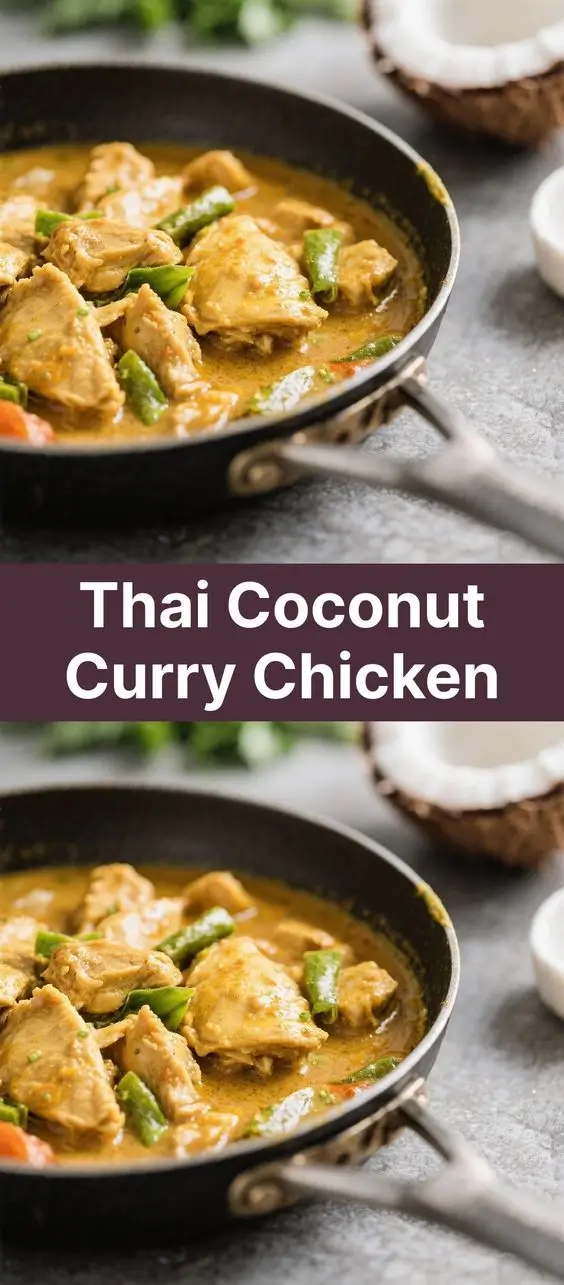
Thai Coconut Curry Chicken is a beloved dish that captures the essence of Thai cuisine—rich, aromatic, creamy, and perfectly balanced between sweet, spicy, salty, and sour. Known in Thailand as Gaeng Gai, this curry combines tender pieces of chicken with a luscious coconut milk base infused with fragrant herbs and spices. Whether served over steaming jasmine rice or enjoyed with warm roti bread, this dish brings warmth and comfort to any meal.
The beauty of Thai Coconut Curry Chicken lies not only in its vibrant taste but also in its versatility. It can be adjusted to suit individual preferences—from mild and creamy to fiery hot—and easily customized with additional vegetables, proteins, or alternative bases. This comprehensive guide will walk you through every aspect of creating an authentic, restaurant-quality Thai Coconut Curry Chicken right in your own kitchen.
The History
Curry has long been a cornerstone of Thai culinary tradition, though its roots extend beyond Thailand’s borders. The concept of curry was introduced to Thailand centuries ago through Indian traders and Buddhist missionaries who brought with them the use of complex spice blends and simmered sauces. Over time, Thais adapted these influences into something uniquely their own by incorporating local ingredients like lemongrass, galangal, kaffir lime leaves, and fresh chilies.
Coconut milk became a defining feature of Southern Thai curries due to the abundance of coconut palms along the coast. In contrast to the drier, chili-heavy curries of Northern Thailand, Southern-style curries such as green, red, and yellow are typically rich, creamy, and deeply flavored thanks to coconut milk. Thai Coconut Curry Chicken evolved from these regional traditions, blending coastal richness with central Thai balance.
The dish gained international popularity during the late 20th century as Thai restaurants began spreading across Europe, North America, and Australia. Today, it’s one of the most recognizable and cherished dishes in global Thai cuisine, often serving as an introduction to the depth and complexity of Thai cooking for newcomers.
Ingredients Breakdown
To make a truly authentic Thai Coconut Curry Chicken, understanding each ingredient and its role is essential. Here’s a detailed breakdown:
- Chicken (Boneless, Skinless Thighs or Breast): Chicken thighs are preferred for their tenderness and ability to absorb flavors without drying out. However, breast meat works well if cooked carefully.
- Coconut Milk: Full-fat coconut milk provides the creamy texture and subtle sweetness crucial to the curry. Avoid “light” versions, which dilute flavor and consistency.
- Thai Red Curry Paste: A blend of dried red chilies, garlic, shallots, lemongrass, galangal, kaffir lime peel, coriander root, and shrimp paste. You can buy store-bought versions or make your own for superior freshness.
- Fish Sauce: Adds umami and saltiness without overpowering; a staple in Thai seasoning.
- Palm Sugar (or Brown Sugar): Balances heat and acidity with natural sweetness. Palm sugar offers a deeper caramel-like note.
- Lime Juice: Freshly squeezed lime juice brightens the dish at the end, enhancing overall flavor balance.
- Bell Peppers (Red and Green): Provide color, crunch, and mild sweetness. Red bell peppers are especially popular.
- Bamboo Shoots: Canned bamboo shoots add texture and a slightly earthy flavor.
- Thai Basil: Distinct from sweet basil, Thai basil has a licorice-like aroma and holds up better when cooked.
- Kaffir Lime Leaves: Intensely fragrant, these leaves impart a citrusy depth unique to Southeast Asian cuisine.
- Lemongrass: Bruised stalks infuse the curry with a bright, lemony scent.
- Galangal: A rhizome related to ginger but sharper and more pine-like in flavor. Found fresh, frozen, or powdered.
- Vegetable Oil: Used for sautéing the curry paste to release its oils and deepen its flavor.
- Jasmine Rice: The traditional accompaniment, providing a fluffy, slightly sticky base that soaks up the sauce beautifully.
Step-by-Step Recipe
Ingredients
- 1.5 lbs (700g) boneless, skinless chicken thighs, cut into bite-sized pieces
- 2 cans (13.5 oz each) full-fat coconut milk
- 3–4 tbsp Thai red curry paste (adjust to taste)
- 1 red bell pepper, sliced
- 1 green bell pepper, sliced
- 1 cup canned bamboo shoots, drained
- 3–4 kaffir lime leaves, torn or bruised
- 1 stalk lemongrass, bottom third only, crushed
- 1-inch piece galangal, thinly sliced (or substitute ginger)
- 2–3 tbsp fish sauce
- 1–2 tbsp palm sugar (or brown sugar)
- Juice of 1 lime
- 1/2 cup fresh Thai basil leaves
- 2 tbsp vegetable oil
- Salt, to taste
- Cooked jasmine rice, for serving
- Optional garnishes: sliced red chili, extra basil, lime wedges
Directions
- Prepare Ingredients: Cut the chicken into even-sized cubes. Slice the bell peppers into thin strips. Drain the bamboo shoots. Bruise the lemongrass by smashing it with the back of a knife to release its oils. Tear the kaffir lime leaves gently to expose more surface area.
- Heat Oil and Bloom Curry Paste: In a large heavy-bottomed pot or wok, heat the vegetable oil over medium heat. Add 3–4 tablespoons of Thai red curry paste and stir constantly for 1–2 minutes until highly aromatic. This step, known as “blooming,” unlocks the essential oils in the spices and deepens the flavor profile.
- Add First Layer of Coconut Milk: Pour in about 1/2 cup of the thicker cream from the top of one coconut milk can. Stir vigorously into the curry paste to form a smooth, fragrant paste. Continue cooking for another 2–3 minutes, allowing the mixture to darken slightly and coat the back of the spoon.
- Seal the Chicken: Add the chicken pieces to the pot and stir to coat them thoroughly with the curry mixture. Cook for 4–5 minutes until the outside of the chicken begins to firm up and take on color—this helps seal in juices and build flavor.
- Incorporate Remaining Coconut Milk: Pour in the rest of both cans of coconut milk, including the thinner liquid from the bottom. Stir well to combine. If using whole lemongrass, add it now along with the galangal slices and torn kaffir lime leaves.
- Simmer Gently: Bring the mixture to a gentle simmer (do not boil rapidly, as this may cause the coconut milk to separate). Reduce heat to low, cover partially, and let cook for 15–20 minutes, stirring occasionally, until the chicken is fully cooked through and tender.
- Add Vegetables: Stir in the sliced bell peppers and bamboo shoots. Simmer for an additional 5–7 minutes until the vegetables are just tender but still crisp—avoid overcooking to maintain texture.
- Season the Curry: Add fish sauce gradually, tasting after each addition. Begin with 2 tablespoons and adjust according to desired saltiness. Stir in palm sugar until dissolved. Taste and balance: if too spicy, add more sugar; if too rich, add lime juice for brightness.
- Finish with Fresh Elements: Turn off the heat. Stir in freshly squeezed lime juice and Thai basil leaves. The residual heat will wilt the basil slightly while preserving its fragrance.
- Serve Immediately: Remove lemongrass, galangal, and lime leaves before serving (they’re not meant to be eaten). Ladle the curry over hot jasmine rice. Garnish with extra basil, a sprinkle of sliced red chilies, and lime wedges on the side.
Tips
- Use High-Quality Curry Paste: Homemade or premium brand curry pastes (like Mae Ploy or Maesri) offer far better flavor than generic supermarket options.
- Don’t Boil Coconut Milk: Rapid boiling can cause separation. Keep the heat low and steady for a smooth, creamy sauce.
- Bloom the Paste Well: Taking time to fry the curry paste in oil ensures maximum flavor development.
- Balance Is Key: Always taste and adjust the four elements—sweet (sugar), salty (fish sauce), sour (lime), and spicy (curry paste)—until harmonious.
- Prevent Bitterness: Never burn the curry paste. Burnt spices turn bitter and ruin the dish.
- Add Protein Last? No! Sealing chicken early builds layers of flavor. For seafood-based curries, however, delicate proteins like shrimp go in near the end.
- Rest Before Serving: Letting the curry sit off-heat for 5–10 minutes allows flavors to meld further.
- Reheats Beautifully: This curry often tastes better the next day as flavors deepen overnight.
Variations and Customizations
One of the greatest strengths of Thai Coconut Curry Chicken is its adaptability. Feel free to experiment based on dietary needs, seasonal availability, or personal taste.
- Vegetarian/Vegan Version: Omit chicken and fish sauce. Use tofu, tempeh, or chickpeas as protein. Substitute fish sauce with soy sauce or tamari (for gluten-free) and add a splash of seaweed-based seasoning for umami.
- Green Curry Variation: Swap red curry paste for green curry paste for a brighter, herbaceous flavor profile. Green curry traditionally includes Thai eggplant and green beans.
- Yellow Curry Option: Milder and more turmeric-forward, yellow curry pairs well with potatoes and carrots.
- Seafood Twist: Replace chicken with prawns, scallops, or white fish. Add seafood during the last 5 minutes of cooking to avoid overcooking.
- Extra Vegetables: Broccoli, zucchini, baby corn, mushrooms, spinach, or snow peas all work wonderfully. Add firmer veggies earlier and delicate greens at the end.
- Creamier Texture: Blend part of the cooked curry with an immersion blender for a silkier consistency.
- Low-Fat Alternative: While not traditional, you can use light coconut milk or a mix of light milk and coconut cream—but expect less richness.
- Gluten-Free Friendly: Ensure fish sauce is gluten-free (many brands are); otherwise, use certified GF soy sauce or coconut aminos.
- Spice Level Control: Start with less curry paste and increase gradually. Remove seeds from chilies in homemade paste for milder heat.
- Dairy-Free Note: Naturally dairy-free, making it ideal for those avoiding lactose.
Health Considerations and Nutritional Value
When prepared thoughtfully, Thai Coconut Curry Chicken can be a nutritious and balanced meal.
Nutritional Highlights (Per Serving, Approximate – Serves 4 with Rice):
- Calories: ~450–550 kcal (depending on fat content of coconut milk and portion size)
- Protein: ~30–35g (high-quality complete protein from chicken)
- Fat: ~25–30g (mostly saturated from coconut milk, but includes beneficial medium-chain triglycerides [MCTs])
- Carbohydrates: ~25–35g (mainly from rice and vegetables)
- Fiber: ~4–6g (from bell peppers, bamboo shoots, and optional added veggies)
- Sodium: ~800–1200mg (largely from fish sauce—can be reduced)
Health Benefits:
- Immune Support: Garlic, lemongrass, and galangal have antimicrobial and anti-inflammatory properties.
- Digestive Aid: Kaffir lime leaves and galangal help soothe digestion.
- Heart Health (in Moderation): Though high in saturated fat, coconut milk contains lauric acid, which may support HDL (“good”) cholesterol levels when consumed as part of a balanced diet.
- Antioxidant-Rich: Bell peppers provide vitamin C and antioxidants. Thai basil contains eugenol, which has antioxidant effects.
Considerations:
- High in Calories and Fat: Due to coconut milk, this dish is energy-dense. Portion control is key for weight management.
- Sodium Content: Fish sauce contributes significant sodium. Opt for reduced-sodium versions or dilute usage with water or broth.
- Allergens: Contains shellfish (shrimp paste in curry paste), coconut (tree nut-related allergen), and sometimes gluten (check fish sauce labels).
- Diabetes-Friendly Modifications: Reduce sugar, choose low-glycemic vegetables (e.g., broccoli, mushrooms), and pair with cauliflower rice instead of jasmine rice.
FAQ
- Can I freeze Thai Coconut Curry Chicken?
- Yes! It freezes well for up to 3 months. Store in airtight containers. Thaw overnight in the fridge and reheat gently on the stove, adding a splash of water or coconut milk if needed.
- What’s the difference between red, green, and yellow curry?
- Red uses dried red chilies (spicier, robust), green uses fresh green chilies (herbal, bright), and yellow uses turmeric and milder spices (mild, slightly sweet).
- Can I use canned coconut cream instead of milk?
- Yes, but it will be richer. You can thin it with water or broth to mimic coconut milk consistency.
- Is Thai basil necessary?
- While substitutions exist (regular basil or mint), Thai basil adds a distinctive anise-like flavor integral to authenticity.
- Why did my coconut milk separate?
- Boiling too vigorously or acidic ingredients added too early can cause curdling. Simmer gently and add lime juice at the end.
- Can I make it ahead of time?
- Absolutely. Flavors deepen after resting. Reheat slowly and adjust seasoning before serving.
- Can I use chicken breast?
- You can, but thighs are recommended for juiciness. If using breast, do not overcook—simmer just until done (about 12–15 minutes total).
- What can I serve it with besides rice?
- Try rice noodles, quinoa, naan, roti, or steamed buns. For low-carb, serve over riced cauliflower or zucchini noodles.
Summary
Thai Coconut Curry Chicken is a symphony of bold flavors, combining tender chicken, creamy coconut milk, and aromatic spices into a comforting yet exotic dish. Rooted in centuries of culinary tradition, it remains a favorite worldwide for its depth, flexibility, and soul-warming appeal.