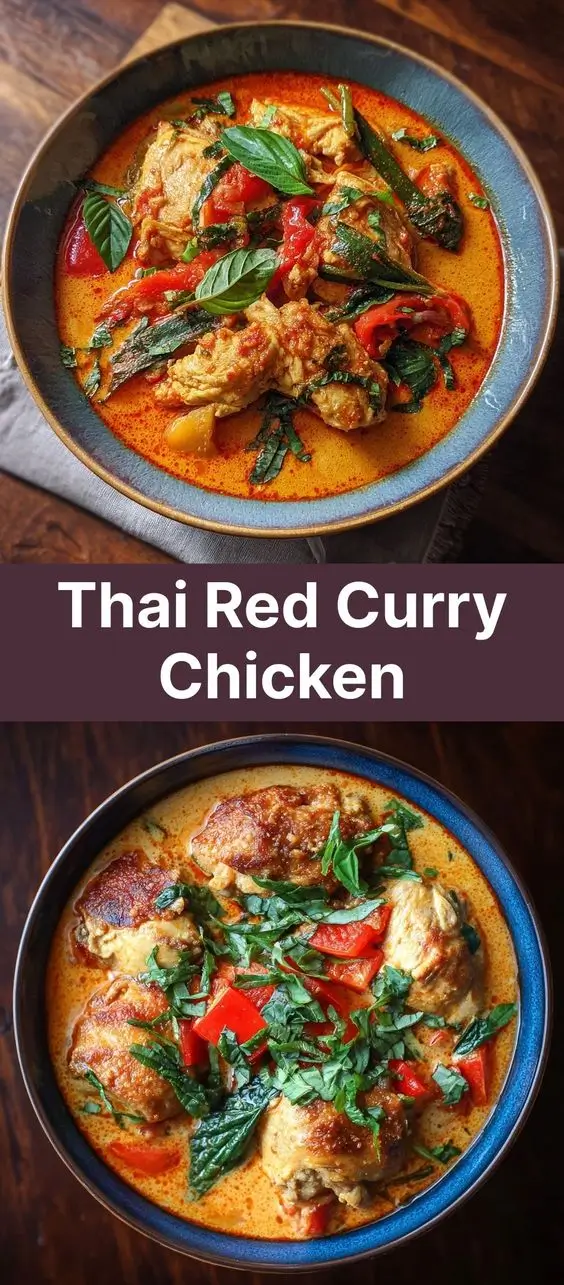
Thai Red Curry Chicken: A Flavorful Journey Through Spices and Tradition
The History of Thai Red Curry Chicken
Thai Red Curry Chicken, known in Thailand as Kaeng Phet Gai, is a beloved dish that embodies the essence of Thai cuisine—harmonizing spicy, sweet, salty, sour, and umami flavors into one rich, aromatic meal. While curry as a concept originated in India, Thai curries evolved uniquely due to local ingredients, culinary traditions, and regional influences from neighboring countries like China and Malaysia.
Red curry specifically emerged during the Ayutthaya period (1350–1767), when trade with the Middle East and South Asia introduced chilies to Thailand via Portuguese traders. Chilies quickly became a staple in Thai cooking, replacing or complementing traditional peppercorns and ginger-family spices. The red color of the curry comes from dried red chilies, which are ground into a paste along with other aromatics such as lemongrass, galangal, kaffir lime peel, garlic, shallots, and shrimp paste.
Over time, coconut milk was incorporated into curries to mellow the heat and add creaminess, transforming fiery pastes into balanced, luxurious stews. Chicken, being widely available and affordable, became a popular protein choice for home cooks and street vendors alike. Today, Thai Red Curry Chicken is served not only in homes across Thailand but also in restaurants around the world, celebrated for its vibrant color, depth of flavor, and comforting warmth.
Ingredients Breakdown: What Makes It Authentic?
The soul of any great Thai Red Curry Chicken lies in its ingredients—each playing a crucial role in building layers of aroma, texture, and taste. Here’s an in-depth look at what goes into an authentic version:
- Red Curry Paste (Nam Prik Kaeng Phet): This is the foundation. Store-bought versions work well, but homemade paste offers superior freshness and complexity. Key components include dried red chilies, lemongrass, galangal (similar to ginger but more citrusy), kaffir lime zest, garlic, shallots, shrimp paste, and coriander root.
- Coconut Milk: Full-fat coconut milk provides richness and balances the spice. The first thick pour (“coconut cream”) is often used to start the curry, allowing it to split and release oils for deeper flavor infusion.
- Chicken: Boneless, skinless chicken thighs are preferred for their tenderness and ability to absorb flavors without drying out. Breast meat can be used but requires careful cooking to avoid toughness.
- Fish Sauce (Nam Pla): Adds saltiness and umami depth. It’s fermented anchovy-based and essential in Thai seasoning.
- Palm Sugar: Offers a subtle caramel-like sweetness that rounds out the dish. Brown sugar may substitute if palm sugar isn’t available.
- Basil: Thai holy basil (kaphrao) or sweet basil is added at the end for fragrance. Avoid Italian basil—it lacks the distinctive peppery note.
- Vegetables: Traditional additions include Thai eggplant, bamboo shoots, and bell peppers. These contribute texture and soak up the flavorful sauce.
- Kaffir Lime Leaves: Torn and simmered in the curry, they impart a bright, floral-citrus aroma unique to Southeast Asian cooking.
- Coconut Cream (optional): Sometimes drizzled on top before serving for extra richness and visual appeal.
Step-by-Step Recipe for Thai Red Curry Chicken
Follow this detailed guide to make restaurant-quality Thai Red Curry Chicken at home.
Ingredients
- 2–3 tbsp red curry paste (homemade or high-quality store-bought)
- 1 can (400ml) full-fat coconut milk
- 1 lb (450g) boneless chicken thighs, cut into bite-sized pieces
- 1 cup chicken broth or water
- 1 medium red bell pepper, sliced
- 1 small onion, halved and sliced
- ½ cup bamboo shoots (canned or fresh)
- 6–8 Thai eggplants (optional), quartered, or substitute with zucchini
- 2–3 kaffir lime leaves, torn
- 2 tbsp fish sauce
- 1–2 tsp palm sugar (adjust to taste)
- 1/2 cup Thai holy basil or sweet basil leaves
- 1–2 red chilies, sliced (optional, for garnish)
- Jasmine rice, for serving
- Lime wedges, for serving
Directions
- Prepare the Base: In a large wok or heavy-bottomed pot, heat about ½ cup of the coconut milk over medium heat. Allow it to simmer gently until the oil begins to separate and the mixture starts to sizzle—this process, called “cracking the coconut,” intensifies the flavor.
- Add Curry Paste: Stir in 2–3 tablespoons of red curry paste. Cook for 2–3 minutes, stirring constantly, until fragrant. This step “blooms” the spices and deepens the aroma.
- Brown the Chicken: Add the chicken pieces and stir-fry for 4–5 minutes until lightly seared and coated with the paste.
- Incorporate Remaining Coconut Milk: Pour in the rest of the coconut milk along with chicken broth or water. Stir well to combine.
- Add Aromatics: Toss in the torn kaffir lime leaves. Bring the mixture to a gentle boil, then reduce to a simmer.
- Cook Vegetables: Add bell peppers, onions, bamboo shoots, and Thai eggplants (or zucchini). Simmer for 10–15 minutes, or until vegetables are tender and chicken is fully cooked.
- Season the Curry: Stir in fish sauce and palm sugar. Taste and adjust—balance should be slightly salty, mildly sweet, and spicy. Add more sugar for sweetness or fish sauce for saltiness as needed.
- Finish with Herbs: Just before turning off the heat, stir in the basil leaves. They should wilt slightly but retain their fragrance.
- Serve Hot: Ladle the curry into bowls over steamed jasmine rice. Garnish with sliced red chilies and additional basil. Serve with lime wedges on the side for a tangy finish.
Tips for the Perfect Thai Red Curry Chicken
- Use Fresh Ingredients: Whenever possible, opt for fresh lemongrass, galangal, and kaffir lime leaves. Frozen ones (especially kaffir lime leaves) are acceptable substitutes and retain good flavor.
- Don’t Rush the Curry Paste: Cooking the paste in coconut cream until fragrant is critical. Skipping this leads to a raw, flat-tasting curry.
- Control the Heat: Simmer gently; boiling too hard can cause the coconut milk to curdle or separate unevenly.
- Balance Flavors: Always taste before serving. If too spicy, add a bit more coconut milk or sugar. If too thin, simmer longer to reduce. Too bland? Add a splash of fish sauce or lime juice.
- Layer the Vegetables: Add firmer vegetables first (like carrots or eggplant), and softer ones (like spinach or green beans) near the end to prevent mushiness.
- Rest Before Serving: Let the curry sit for 5–10 minutes after cooking. This allows flavors to meld and the sauce to thicken slightly.
Variations and Customizations
One of the beauties of Thai Red Curry Chicken is its versatility. Feel free to adapt it based on dietary needs, preferences, or ingredient availability:
- Vegetarian/Vegan Version: Replace chicken with tofu, mushrooms, or mixed vegetables. Use vegetable broth and ensure the curry paste is vegan (some contain shrimp paste).
- Seafood Red Curry: Swap chicken for shrimp, scallops, or chunks of white fish. Add seafood in the last 3–5 minutes of cooking to avoid overcooking.
- Extra Creamy: Use all coconut cream instead of milk for a decadent, restaurant-style texture.
- Low-Sodium Option: Reduce fish sauce and enhance flavor with extra lime juice, herbs, or a dash of soy sauce alternative.
- Gluten-Free: Most Thai red curry pastes are gluten-free, but always check labels. Fish sauce is typically GF, but brands vary.
- Spicier Kick: Add fresh bird’s eye chilies or a spoonful of chili oil at the end for extra heat.
- Dessert-Inspired Twist: Some modern chefs experiment with adding pineapple or lychee for a sweet-savory contrast—perfect for summer menus.
Health Considerations and Nutritional Value
While undeniably delicious, Thai Red Curry Chicken can be adapted to suit various health goals:
Nutritional Highlights (per serving, approx. 1.5 cups with rice):
- Calories: ~450–600 (depends on coconut milk amount and rice portion)
- Protein: ~25–30g (from chicken and fish sauce)
- Fat: ~25–35g (mostly healthy saturated fats from coconut; moderate intake recommended)
- Carbohydrates: ~30–40g (mainly from rice and vegetables)
- Sodium: ~800–1200mg (primarily from fish sauce; can be reduced)
Health Benefits:
- Anti-inflammatory Properties: Galangal and garlic have natural anti-inflammatory and immune-boosting effects.
- Rich in MCTs: Coconut milk contains medium-chain triglycerides, which are metabolized differently and may support energy and metabolism.
- Low Glycemic Load (when balanced): Paired with fiber-rich veggies and controlled rice portions, this dish can fit into balanced diets.
- Herbal Aromatics: Lemongrass and kaffir lime leaves contain antioxidants and may aid digestion.
Considerations:
- High saturated fat content from coconut milk—moderation is key, especially for heart health.
- Sodium levels can be high; use low-sodium fish sauce or dilute with extra broth.
- Not ideal for strict keto due to sugar and rice—serve over cauliflower rice instead.
- Allergies: Contains shellfish (in shrimp paste), coconut, and fish sauce—always inform guests with allergies.
Frequently Asked Questions (FAQ)
Q: Can I make red curry paste from scratch?
A: Absolutely! Blend 10–12 dried red chilies (soaked), 2 stalks lemongrass (finely chopped), 1 tbsp galangal (grated), 1 tsp kaffir lime zest, 4 cloves garlic, 3 shallots, 1 tsp coriander root, and 1 tsp shrimp paste. Grind into a smooth paste using a mortar and pestle or food processor.
Q: How long does leftover curry last?
A: Store in an airtight container in the refrigerator for up to 4 days. Reheat gently on the stove with a splash of water or broth to restore consistency.
Q: Can I freeze Thai Red Curry Chicken?
A: Yes, it freezes well for up to 3 months. Thaw overnight in the fridge and reheat slowly to prevent separation.
Q: Why did my coconut milk curdle?
A: High heat or acidic ingredients added too early can cause separation. To fix, blend briefly or whisk in a little cornstarch slurry while reheating.
Q: Is Thai red curry very spicy?
A: Traditionally yes, but you can control the heat by reducing the curry paste or balancing with extra coconut milk and sugar.
Q: Can I use canned coconut milk?
A: Yes, most recipes use canned coconut milk. Shake well before opening, or let it settle and skim the thick cream from the top for frying the paste.
Q: What’s the difference between red, green, and yellow curry?
A: Red uses dried red chilies (spicier, earthy), green uses fresh green chilies (bright, herbal), and yellow includes turmeric (milder, slightly sweet). Each has different paste compositions and pairings.
Summary
Thai Red Curry Chicken is a vibrant, aromatic dish that blends fiery chilies, creamy coconut milk, and fragrant herbs into a harmonious stew perfect over jasmine rice.
With its rich history, customizable ingredients, and bold flavors, it remains a cornerstone of Thai cuisine and a favorite worldwide.