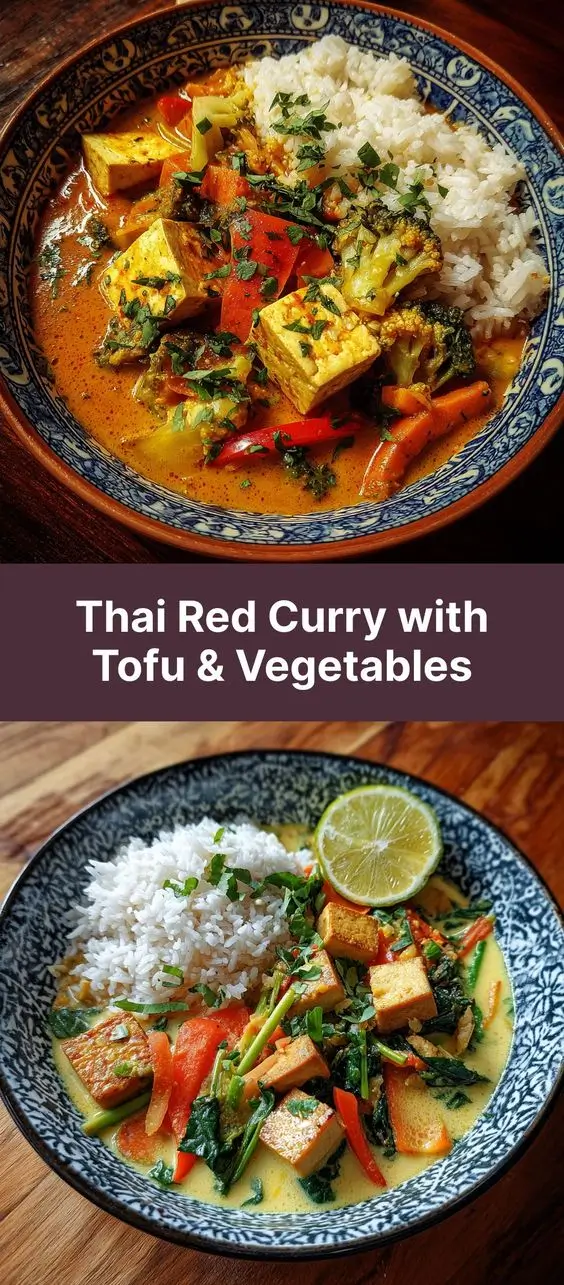
Thai Red Curry with Tofu & Vegetables: A Flavorful Journey Through Spices and Tradition
The History of Thai Red Curry
Thai Red Curry, known in Thailand as Kaeng Phet, holds a distinguished place in the rich tapestry of Southeast Asian cuisine. Originating in central Thailand, this dish evolved over centuries through a blend of indigenous practices and foreign influences. The introduction of chili peppers by Portuguese traders in the 16th century revolutionized Thai cooking and laid the foundation for what we now recognize as red curry. Before chilies, curries were milder and based on turmeric or black pepper, but the fiery kick from red chilies quickly became a beloved hallmark.
The term “red” refers not to the color of the entire dish but specifically to the deep crimson hue of the curry paste, derived primarily from dried red chilies. Traditionally made using a mortar and pestle, the paste is an aromatic symphony of lemongrass, galangal, kaffir lime peel, garlic, shallots, shrimp paste (or its vegetarian alternative), and coriander root. Over time, regional variations emerged—coastal areas incorporated more seafood, while inland regions favored chicken, duck, or tofu for vegetarians.
In Buddhist-influenced households, especially among monks and devout families, plant-based versions of red curry have long existed, making tofu a natural protein substitute. Today, Thai Red Curry with Tofu & Vegetables is celebrated globally as a harmonious balance of spicy, sweet, salty, and creamy flavors—a testament to Thailand’s culinary philosophy of achieving perfect flavor equilibrium.
Ingredients Breakdown: What Makes This Dish Shine?
The magic of Thai Red Curry lies in the complexity and quality of its ingredients. Each component plays a vital role in building layers of aroma, heat, texture, and umami. Here’s a detailed look at what goes into this vibrant dish:
Curry Paste Components
- Dried Red Chilies: Provide the signature heat and red color. Soaked in warm water before blending to soften.
- Lemongrass: Adds bright citrus notes. Only the tender lower third is used, finely sliced.
- Galangal: A cousin to ginger but sharper and more floral. Never substituted with ginger for authenticity.
- Kaffir Lime Peel: Intensely fragrant, contributing a unique perfumed zest.
- Garlic & Shallots: Form the aromatic base, enhancing depth when sautéed.
- Coriander Root: Earthy and pungent, often replaced with stems if roots are unavailable.
- Shrimp Paste (or Miso/Tamari for Vegan): Delivers savory umami. For vegan versions, white miso or gluten-free tamari works well.
Main Ingredients
- Firm or Extra-Firm Tofu: Pressed and cubed for optimal texture. Can be pan-fried for crispiness.
- Coconut Milk: Full-fat canned coconut milk is essential for creaminess. The first thick pour creates the curry base.
- Vegetables: Typically includes bell peppers, bamboo shoots, Thai eggplant, baby corn, mushrooms, and green beans. Seasonal vegetables like zucchini or spinach can also be added.
- Palm Sugar or Brown Sugar: Balances the heat with subtle sweetness.
- Fish Sauce (or Soy Sauce/Tamari): Salty seasoning. Use light soy sauce or tamari for a vegetarian version.
- Kaffir Lime Leaves: Torn and added whole; release fragrance during simmering.
- Basil (Thai Holy Basil or Sweet Basil): Added at the end for freshness and herbal pop.
Step-by-Step Recipe: How to Make Authentic Thai Red Curry with Tofu & Vegetables
Follow these detailed steps to create a restaurant-quality Thai Red Curry at home. This recipe serves 4 and takes about 45 minutes from prep to plate.
Ingredients
- ½ cup Thai red curry paste (store-bought or homemade)
- 1 block (14 oz) extra-firm tofu, pressed and cut into 1-inch cubes
- 2 cans (13.5 oz each) full-fat coconut milk
- 2 cups mixed vegetables (bell peppers, broccoli, baby corn, mushrooms, green beans)
- 3–4 kaffir lime leaves, torn
- 1 tbsp palm sugar (or brown sugar)
- 2–3 tbsp soy sauce or tamari (adjust to taste)
- 1 red chili, sliced (optional, for extra heat)
- ½ cup fresh Thai basil or sweet basil leaves
- 1 tbsp vegetable oil (if stir-frying tofu)
- Cooked jasmine rice, for serving
- Lime wedges, for garnish
Directions
- Prepare the Tofu: Press tofu between paper towels or a clean kitchen cloth for 20 minutes to remove excess water. Cut into cubes. For crispier tofu, heat 1 tablespoon of oil in a non-stick skillet over medium-high heat. Pan-fry tofu until golden on all sides, about 6–8 minutes. Set aside.
- Start the Curry Base: In a large pot or wok, pour in about ½ can of coconut milk (the thick cream that has risen to the top). Heat over medium flame until it begins to sizzle and separate slightly, about 3–5 minutes.
- Bloom the Curry Paste: Add ½ cup red curry paste to the hot coconut cream. Stir constantly for 2–3 minutes until the oil starts to rise and the paste becomes highly aromatic. This step unlocks the full flavor potential of the spices.
- Add Remaining Coconut Milk: Pour in the rest of both cans of coconut milk, stirring well to combine with the paste. Bring to a gentle simmer (do not boil vigorously).
- Incorporate Aromatics: Add torn kaffir lime leaves and palm sugar. Stir until sugar dissolves completely.
- Add Vegetables: Add harder vegetables first (like carrots, broccoli, green beans) and simmer for 5 minutes. Then add softer vegetables (bell peppers, mushrooms, baby corn) and cook another 3–4 minutes until tender-crisp.
- Add Tofu: Gently fold in the cooked tofu cubes. Simmer for 2–3 minutes to allow flavors to absorb.
- Season the Curry: Stir in soy sauce (or tamari) one tablespoon at a time, tasting after each addition. Adjust saltiness and sweetness as needed. Add sliced red chili if you prefer more heat.
- Finish with Herbs: Remove from heat and stir in fresh basil leaves. The residual heat will wilt them perfectly, releasing their fragrance.
- Serve Hot: Ladle the curry over steamed jasmine rice. Garnish with additional basil, lime wedges, and a sprinkle of red chili flakes if desired.
Tips for the Perfect Thai Red Curry
- Use High-Quality Curry Paste: Homemade paste offers superior flavor, but reputable brands like Maesri, Mae Ploy, or Thai Kitchen work well if you’re short on time.
- Don’t Boil Coconut Milk: Keep the heat at a gentle simmer to prevent the coconut milk from curdling or separating too much.
- Layer Your Vegetables: Add firmer veggies earlier and delicate ones later to avoid mushiness.
- Press Tofu Well: Removing moisture ensures better texture and allows it to absorb more flavor.
- To Fry or Not to Fry: Frying tofu adds crunch, but you can skip it for a quicker version—just add raw pressed tofu directly to the curry to simmer.
- Balance Flavors: Taste and adjust the trio of salt (soy sauce), sweet (sugar), and sour (lime juice) to achieve harmony.
- Add Lime Juice at the End: A small squeeze just before serving brightens the entire dish.
- Let It Rest: Allow the curry to sit for 5–10 minutes after cooking—the flavors deepen as it cools slightly.
Variations and Customizations
One of the greatest strengths of Thai Red Curry is its adaptability. Whether you’re catering to dietary needs, seasonal produce, or personal taste, here are some delicious variations:
Protein Swaps
- Tempeh: Nutty and hearty, great when marinated and pan-seared.
- Seitan: Chewy texture mimics meat well; slice thin and brown before adding.
- Chickpeas: For a legume-based option, add canned or cooked chickpeas with vegetables.
- Edamame: Young soybeans add protein and a pop of green.
Vegetable Ideas
- Swap in seasonal vegetables: asparagus in spring, pumpkin in fall, bok choy or napa cabbage in winter.
- Add leafy greens like spinach or kale at the very end—they wilt quickly.
- For authenticity, use Thai eggplants (small, round, and green), available in Asian markets.
Dietary Adaptations
- Gluten-Free: Ensure curry paste and soy sauce are certified gluten-free (tamari is naturally GF).
- Low-Sodium: Use reduced-sodium soy sauce and limit added salt; boost flavor with extra herbs and lime.
- Keto-Friendly: Replace sugar with erythritol or monk fruit, and serve over cauliflower rice.
- Oil-Free: Skip frying tofu; instead, bake or air-fry it without oil.
Flavor Twists
- Coconut Milk Alternatives: While not traditional, cashew or almond milk can be used sparingly—but expect less richness.
- Add Fruit: Pineapple or mango chunks introduce a tropical sweetness that pairs beautifully with spice.
- Spice Level Control: Reduce curry paste amount for mild curry, or add fresh bird’s eye chilies for extreme heat.
- Herb Variations: Try cilantro stems in the curry base and mint as a garnish for a refreshing twist.
Health Considerations and Nutritional Value
Thai Red Curry with Tofu & Vegetables is not only delicious but also nutritionally balanced when prepared mindfully. Let’s break down its health profile:
Nutritional Highlights (Per Serving, Approximate)
- Calories: 380–450 kcal (depends on coconut milk usage and tofu preparation)
- Protein: 15–20g (from tofu and vegetables)
- Fat: 25–30g (mostly healthy saturated fats from coconut, plus unsaturated fats)
- Carbohydrates: 25–30g (including fiber and natural sugars)
- Fiber: 5–7g (from vegetables and tofu)
- Sodium: 800–1200mg (can be reduced with low-sodium soy sauce)
Health Benefits
- Tofu: A complete plant-based protein rich in iron, calcium, and magnesium. Contains isoflavones linked to heart health and hormonal balance.
- Coconut Milk: Provides medium-chain triglycerides (MCTs), which may support metabolism and energy levels. Best consumed in moderation due to high saturated fat content.
- Vegetables: Deliver essential vitamins (A, C, K), antioxidants, and phytonutrients that support immunity and digestion.
- Herbs & Spices: Lemongrass has anti-inflammatory properties; garlic supports cardiovascular health; chilies contain capsaicin, known for boosting metabolism.
Considerations
- Saturated Fat: Coconut milk is high in saturated fat. Those managing cholesterol should consume in moderation or opt for “light” coconut milk (though flavor and texture suffer).
- Sodium Content: Store-bought curry pastes and soy sauce can be very high in sodium. Making your own paste and choosing low-sodium alternatives helps control intake.
- Allergens: Contains coconut (tree nut allergen) and soy (common allergen). Always check labels if serving others.
- Digestive Sensitivity: Spicy curries may aggravate acid reflux or IBS in sensitive individuals. Reduce chili content or serve with cooling side dishes like cucumber salad.
Frequently Asked Questions (FAQ)
Can I make Thai Red Curry ahead of time?
Yes! This curry tastes even better the next day as flavors meld. Store in an airtight container in the refrigerator for up to 4 days. Reheat gently on the stove with a splash of water or coconut milk to restore consistency.
Can I freeze Thai Red Curry with tofu?
Yes, but note that tofu may become slightly spongy after freezing and thawing. Freeze for up to 3 months. Thaw overnight in the fridge and reheat slowly.
Is Thai Red Curry spicy?
Traditionally, yes—it ranges from moderately to very spicy depending on the amount of curry paste and chilies used. You can control the heat by reducing the paste quantity or deseeding fresh chilies.
What’s the difference between red, green, and yellow curry?
Red curry uses dried red chilies and is typically spicier and richer. Green curry uses fresh green chilies and has a brighter, more herbal profile. Yellow curry is milder, often containing turmeric and cumin, with Indian influences.
Can I use light coconut milk?
You can, but the curry will be thinner and less creamy. For best results, use full-fat coconut milk and reserve the lighter version for soups or smoothies.
Where can I find kaffir lime leaves?
Available in Asian grocery stores, frozen or fresh. Also sold dried online or in specialty spice shops. If unavailable, substitute with a strip of regular lime peel and a few drops of lime juice—but flavor won’t be identical.
Can I make this curry without sugar?
While possible, a touch of sweetness balances the heat and salt. Omitting sugar may result in a harsher taste. Try a tiny bit of date paste or apple sauce as a natural alternative.
Is store-bought curry paste healthy?
Some contain preservatives, MSG, or excessive salt. Read labels carefully. Making your own allows full control over ingredients and is fresher in flavor.
Can I add noodles instead of rice?
Absolutely! Turn it into a curry noodle bowl by serving over rice noodles, udon, or glass noodles. Add noodles directly to the curry during the last few minutes of cooking to absorb flavors.
Why did my coconut milk separate?
This is normal when heated and indicates proper blooming of the curry paste. Just stir well before adding other ingredients. Avoid boiling too hard, which can cause graininess.
Summary
Thai Red Curry with Tofu & Vegetables is a vibrant, aromatic dish that combines creamy coconut milk, bold red curry paste, tender tofu, and colorful vegetables into a harmonious meal rich in flavor and nutrition. Easy to customize and deeply satisfying, it brings the essence of Thai cuisine to your kitchen with every spoonful.