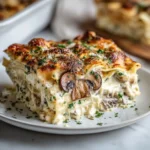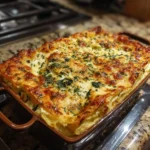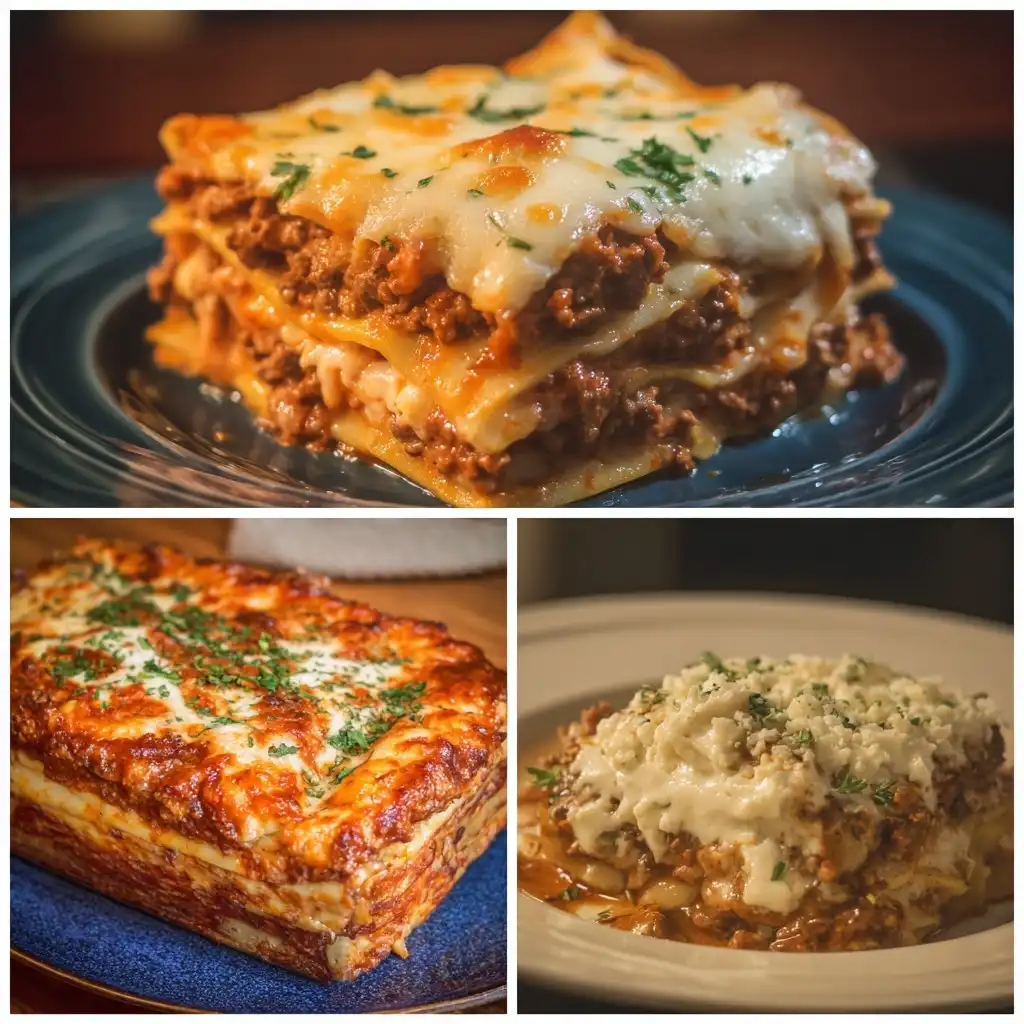
Introduction
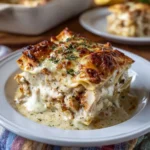
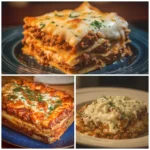
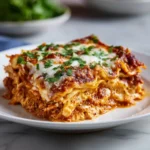
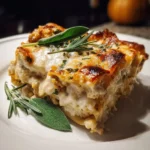
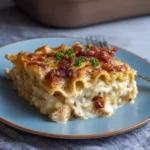
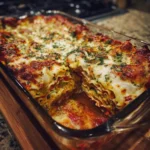
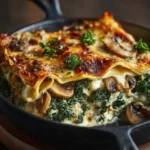
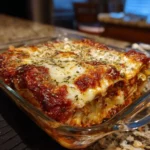
Three Meat Beef and Turkey Lasagna is a rich, hearty, and deeply satisfying twist on the classic Italian-American comfort dish—elevated with the strategic layering of three distinct ground meats: savory ground beef, lean ground turkey, and flavorful ground pork. This triumvirate of proteins delivers unparalleled depth of flavor, textural complexity, and balanced richness without overwhelming heaviness. Unlike traditional lasagnas that rely solely on beef—or occasionally beef and sausage—this version intentionally incorporates turkey for its mild, slightly sweet notes and lean profile, and pork for its natural fat content, umami depth, and aromatic sweetness when browned. The result is a lasagna that’s simultaneously robust and refined: tender noodles enrobed in a luxuriously layered medley of slow-simmered sauce, creamy ricotta–spinach filling, melted mozzarella, and sharp Parmigiano-Reggiano. Whether served at Sunday family dinners, holiday feasts, or as a make-ahead freezer meal, Three Meat Beef and Turkey Lasagna stands out not just for its indulgent appeal—but for its thoughtful balance, culinary nuance, and crowd-pleasing versatility.
The History
Lasagna’s origins trace back over 700 years to medieval Italy, where early versions—like the 13th-century de lasanis described in the English cookbook The Forme of Cury—featured sheets of pasta layered with grated cheese and spices, baked without tomato sauce (which wouldn’t arrive in Europe until the 16th century post-Columbian exchange). In Italy, regional variations flourished: Emilia-Romagna claimed lasagne al forno with ragù Bolognese (a slow-cooked meat sauce traditionally using beef, pork, and sometimes pancetta), while Naples favored richer iterations with ricotta and mozzarella. The “three-meat” concept emerged organically from this Bolognese tradition—where combining beef (for structure and iron-rich savoriness), pork (for fat, sweetness, and collagen-rich tenderness), and veal (for delicacy and binding quality) was long considered the gold standard for authentic ragù. As Italian immigrants adapted recipes in America during the 20th century, ground turkey began appearing in home kitchens—not as a substitute, but as an intentional upgrade: a leaner, more accessible, and subtly nuanced alternative to veal. By the 1980s and ’90s, health-conscious home cooks and culinary innovators alike embraced turkey’s compatibility with bold Italian seasonings and its ability to absorb herbaceous and wine-infused flavors without dominating. Thus, the modern Three Meat Beef and Turkey Lasagna evolved—not as a compromise, but as a conscious fusion of Old World technique and New World practicality, honoring tradition while embracing nutritional awareness, accessibility, and layered flavor science.
Ingredients Breakdown
Every element in this Three Meat Beef and Turkey Lasagna serves a precise functional and sensory purpose—no ingredient is arbitrary. Below is a detailed analysis of each component’s role:
- Ground Beef (85/15 lean-to-fat ratio): Provides deep, mineral-rich umami, structural integrity to the sauce, and essential Maillard browning compounds. The modest fat content ensures moisture and mouthfeel without greasiness.
- Ground Turkey (93% lean): Adds subtle sweetness, delicate texture, and lighter protein density—balancing beef’s intensity while contributing collagen peptides that enhance sauce body when simmered. Its neutral base readily absorbs garlic, fennel, oregano, and red wine.
- Ground Pork (70/30 or 60/40): Delivers unparalleled aromatic fat, natural sweetness from myristic acid, and gelatinous compounds that thicken the sauce naturally during reduction. Pork’s higher fat content also carries fat-soluble flavor molecules (e.g., from herbs and spices), amplifying overall aroma.
- San Marzano Whole Peeled Tomatoes (canned, D.O.P.-certified preferred): Offer bright acidity, low seed count, dense flesh, and naturally high sugar-to-acid ratio—critical for building complex sweetness and balancing the richness of three meats. Crushed by hand for ideal texture.
- Tomato Paste (double-concentrated): Acts as a flavor “anchor”—its caramelized sugars and glutamates intensify savoriness (kokumi), deepen color, and provide viscosity to coat noodles evenly.
- Yellow Onion & Garlic (fresh, finely minced): Form the aromatic soffritto foundation; onions contribute fructose for gentle caramelization, while raw garlic adds pungent sulfur notes that mellow into nuttiness during slow cooking.
- Carrot & Celery (finely diced): The classic soffritto trio (with onion) adds vegetal sweetness, subtle bitterness, and enzymatic complexity—enhancing depth and preventing one-dimensionality.
- Dry Red Wine (Chianti, Sangiovese, or Barbera): Deglazes the fond, contributes tannic structure, volatile esters for fragrance, and tartaric acid to brighten the sauce’s finish.
- Whole Milk (not skim or non-dairy): Added at the end of sauce simmering to temper acidity, lend lactose-derived sweetness, and create a velvety mouthfeel via casein interaction with tomato pectins.
- Fresh Spinach (baby, washed and chopped): Adds vibrant color, iron, folate, and a clean, slightly grassy counterpoint to the meats. Wilted separately to control moisture and prevent dilution.
- Ricotta Cheese (whole-milk, small-curd, preferably imported Italian): Provides creamy tang, delicate grain, and high moisture retention—essential for a luscious, non-gummy filling. Drained overnight for optimal texture.
- Mozzarella (low-moisture, whole-milk, shredded): Melts evenly, forms stretchy, golden-brown blistered caps, and offers clean dairy sweetness without overpowering.
- Parmigiano-Reggiano (aged 24+ months, freshly grated): Imparts crystalline umami, nutty salinity, and enzymatic complexity—acting as both seasoning and structural binder in fillings and topping.
- No-Boil Oven-Ready Lasagna Noodles (or traditional noodles, par-boiled): Engineered to hydrate fully in the oven’s steam environment; their starch content helps bind layers and prevents slippage. If using traditional noodles, precise al dente timing is critical.
- Fresh Herbs (basil, oregano, parsley): Added at multiple stages—dried oregano in sauce for earthy backbone, fresh basil stirred in post-simmer for volatile top notes, and parsley garnish for brightness and visual contrast.
- Nutmeg (freshly grated): A tiny amount (⅛ tsp) in the ricotta mixture unlocks warm, sweet-spicy resonance that harmonizes dairy and meat—activating olfactory receptors for enhanced perceived richness.
Step-by-Step Recipe
- Prep Work (30 minutes): Finely dice 1 medium yellow onion, 1 large carrot, and 2 celery stalks (soffritto). Mince 6 garlic cloves. Drain 15 oz whole-milk ricotta in cheesecloth over a bowl overnight (or at least 4 hours); reserve whey for sauces or smoothies. Wash and roughly chop 5 oz baby spinach; squeeze dry in a clean towel. Grate 1 ½ cups Parmigiano-Reggiano (¾ cup for filling, ¾ cup for topping). Shred 3 cups low-moisture mozzarella. Preheat oven to 375°F (190°C). Lightly grease a 9×13-inch heavy-duty ceramic or stainless steel baking dish.
- Brown the Meats Separately (20 minutes): Heat 1 tbsp olive oil in a heavy-bottomed Dutch oven over medium-high heat. Add 1 lb 85/15 ground beef; break into small pieces and cook until deep brown (not gray), ~6–7 minutes. Transfer to a bowl. Repeat with 1 lb 93% lean ground turkey (5–6 min), then ½ lb ground pork (4–5 min), draining excess fat between batches but reserving 2 tbsp for soffritto. Cool meats slightly.
- Soffritto & Aromatics (8 minutes): In same pot, heat reserved 2 tbsp fat + 1 tbsp olive oil. Sauté soffritto (onion, carrot, celery) until translucent and fragrant (~5 min). Add garlic; stir 1 minute until aromatic but not browned. Stir in 3 tbsp double-concentrated tomato paste; cook 3 minutes, stirring constantly, until brick-red and caramelized.
- Build the Sauce (25 minutes active + 2 hrs simmer): Return all browned meats to pot. Pour in ½ cup dry red wine; scrape up browned bits. Simmer 3 minutes until alcohol evaporates. Add 28 oz San Marzano tomatoes (crushed by hand), 1 tsp dried oregano, ½ tsp crushed red pepper flakes, 1 bay leaf, and 1 tsp kosher salt. Bring to gentle simmer. Reduce heat to lowest setting, cover partially, and cook for 2 hours—stirring every 20 minutes. Skim surface fat as needed. In final 10 minutes, stir in ¼ cup whole milk and 10 fresh basil leaves (torn). Remove bay leaf. Taste and adjust: add black pepper, pinch of sugar if acidic, or more salt. Cool sauce to lukewarm (~90°F).
- Prepare Ricotta Filling (10 minutes): In a bowl, combine drained ricotta, ¾ cup grated Parmigiano, 1 large egg, ¼ tsp freshly grated nutmeg, ½ tsp kosher salt, ¼ tsp black pepper, and wilted spinach. Fold gently until uniform—do not overmix. Set aside.
- Assemble Lasagna (15 minutes): Spread 1 cup meat sauce in bottom of prepared dish. Layer 4 no-boil noodles (slightly overlapping). Spread ⅓ of ricotta mixture (≈1 ¼ cups) evenly. Spoon 1 ¼ cups meat sauce over ricotta. Sprinkle with 1 cup shredded mozzarella and 2 tbsp Parmigiano. Repeat layers two more times (noodles → ricotta → sauce → cheese). Top final noodle layer with remaining 1 cup sauce, remaining 1 cup mozzarella, and remaining 2 tbsp Parmigiano. Optional: dot with 1 tbsp cold butter for extra browning.
- Bake & Rest (65 minutes total): Cover tightly with aluminum foil (tent to prevent cheese sticking). Bake 45 minutes. Remove foil; bake uncovered 15–20 minutes until top is bubbling vigorously at edges and cheese is deeply golden with blistered spots. Let rest uncovered at room temperature for full 30 minutes—this allows starches to set, prevents layer slippage, and yields clean, defined slices.
- Serve: Garnish with fresh basil ribbons and extra grated Parmigiano. Serve with garlic-rubbed crostini and a simple arugula-lemon salad.
Tips
- Meat Temperature Matters: Brown meats in batches—and let each cool slightly before adding the next. Overcrowding lowers pan temperature, causing steaming instead of searing, which sacrifices fond and flavor.
- Tomato Paste Is Your Secret Weapon: Don’t skip the 3-minute caramelization step. Raw paste tastes tinny and flat; cooked paste adds roasted depth, body, and natural sweetness.
- Sauce Consistency Is Key: Your finished sauce should mound slightly on a spoon—not run off. If too thin after simmering, uncover and reduce 5–10 minutes. If too thick, stir in 1–2 tbsp reserved tomato liquid or water.
- Ricotta Must Be Drained: Wet ricotta creates watery pockets and soggy noodles. Cheesecloth + gravity + time = perfect texture. Never substitute cottage cheese unless thoroughly blended and strained.
- No-Boil Noodles Need Moisture Control: Ensure every noodle is fully covered with sauce—exposed edges will harden. Press gently with spatula after each layer to eliminate air pockets.
- Resting Is Non-Negotiable: Cutting too soon causes collapse and sauce runoff. The 30-minute rest allows starches in noodles and cheese proteins to fully set—transforming texture from mushy to luxuriously cohesive.
- Oven Thermometer Required: Many home ovens run hot or cold. An accurate thermometer ensures consistent browning and even cooking—especially vital for the delicate ricotta layer.
- Freeze Smart: Assemble unbaked lasagna, wrap in foil + plastic, freeze up to 3 months. Bake from frozen: cover + bake 1 hr 15 min, uncover + bake 25–30 min more, resting 30 min before serving.
- Leftovers Reheat Beautifully: Individual portions microwave covered with damp paper towel (60–90 sec), or reheat covered in 350°F oven (20 min). Sauce may separate slightly—stir gently before serving.
- Make-Ahead Friendly: Sauce can be made 3 days ahead and refrigerated, or frozen 6 months. Ricotta filling keeps 2 days refrigerated. Assemble lasagna up to 24 hours ahead and refrigerate covered—add 5–10 min to covered bake time.
Variations and Customizations
- Vegetarian Three-Meat Style: Replace meats with 1 cup cooked lentils (Puy or black), 1 cup crumbled tempeh sautéed in tamari-maple glaze, and 1 cup finely chopped portobello mushrooms. Boost umami with 1 tbsp soy sauce + 1 tsp miso paste in sauce.
- Spicy Arrabbiata Twist: Add 1 finely minced chipotle in adobo + ½ tsp smoked paprika to soffritto. Stir in 2 tbsp Calabrian chili paste with final basil.
- White Lasagna Version (Lasagna Bianca): Swap tomato sauce for a rich béchamel infused with roasted garlic, nutmeg, and white wine. Use ground chicken/turkey/pork combo sautéed with leeks and thyme.
- Gluten-Free Adaptation: Use certified GF oven-ready lasagna noodles (Tinkyada or Barilla). Ensure all sauces, cheeses, and seasonings are GF-certified. Add 1 tsp xanthan gum to ricotta mixture for binding.
- Keto/Low-Carb Option: Replace noodles with thinly sliced zucchini or eggplant (salted, pressed, and roasted first). Reduce tomato quantity by ⅓ and increase pork fat for satiety. Top with extra cheese and almond flour “breadcrumbs.”
- Herb-Forward Garden Style: Add ¼ cup chopped fresh rosemary + 2 tbsp lemon zest to ricotta. Stir ½ cup chopped sun-dried tomatoes (oil-packed, drained) into sauce. Finish with microgreens.
- Breakfast Lasagna: Layer with scrambled eggs, crumbled breakfast sausage, cheddar, and caramelized onions. Swap ricotta for cottage cheese + chives.
- Seafood Integration: Replace ½ lb turkey with ½ cup finely chopped cooked lobster or crab. Add 1 tsp Old Bay to sauce and finish with dill.
- Smoky Chipotle-Pork Focus: Use only pork and turkey; add 2 tsp chipotle powder + 1 tsp cumin to soffritto. Stir in ¼ cup apple butter during final reduction for sweet-smoke balance.
- Wine-Paired Luxury Version: Deglaze with ½ cup Barolo instead of Chianti. Stir in 2 tbsp truffle oil and ¼ cup shaved white truffle at the end of sauce simmer. Top with aged provolone instead of mozzarella.
Health Considerations and Nutritional Value
A single 1-cup serving (approx. 1/12 of full recipe) provides approximately:
- Calories: 425–460 kcal
- Protein: 32–36 g (excellent source; complete amino acid profile from three animal proteins + dairy)
- Fat: 18–21 g (45–50% unsaturated; includes heart-healthy monounsaturated fats from olive oil and pork, plus conjugated linoleic acid [CLA] from grass-fed beef)
- Carbohydrates: 31–34 g (primarily complex carbs from whole-grain or enriched noodles; fiber: 3–4 g from vegetables and spinach)
- Sodium: 620–750 mg (moderate; easily reduced by omitting added salt, using low-sodium tomatoes, and rinsing canned goods)
- Vitamins & Minerals: Rich in iron (25% DV), zinc (30% DV), vitamin B12 (120% DV), calcium (20% DV), folate (22% DV from spinach), and lycopene (antioxidant from cooked tomatoes—bioavailability increased 3x vs raw)
Key Health Notes:
- Lean Protein Synergy: Combining turkey (low saturated fat) with beef (high heme iron) and pork (vitamin B1/thiamine) creates a nutritionally complementary protein matrix—supporting muscle synthesis, energy metabolism, and oxygen transport.
- Tomato Lycopene Enhancement: Cooking tomatoes with olive oil significantly increases lycopene absorption—a potent antioxidant linked to reduced risk of prostate cancer and cardiovascular protection.
- Spinach Bioavailability: The fat content in cheese and meat enhances absorption of fat-soluble vitamins A, E, and K in spinach—making this lasagna a functional vehicle for phytonutrients.
- Gut-Friendly Fermentation: Aged Parmigiano-Reggiano contains beneficial bacteria and bioactive peptides shown to support gut microbiota diversity and immune modulation.
- Lower-Glycemic Option: Using whole-wheat or legume-based noodles reduces glycemic load and increases resistant starch—beneficial for blood sugar regulation.
- Portion Mindfulness: While nutrient-dense, caloric density warrants attention. Pair with a large green salad (2 cups mixed greens + lemon vinaigrette) to increase volume, fiber, and micronutrient intake without added calories.
- Allergen Awareness: Contains dairy (milk, cheese), wheat/gluten (noodles), and eggs. Dairy-free option: use cashew ricotta (soaked + blended cashews + lemon + nutritional yeast) and vegan mozzarella shreds (Miyoko’s or Violife).
Ingredients
- 1 tbsp extra-virgin olive oil, plus more for drizzling
- 1 lb 85/15 ground beef
- 1 lb 93% lean ground turkey
- ½ lb ground pork
- 1 medium yellow onion, finely diced
- 1 large carrot, peeled and finely diced
- 2 celery stalks, finely diced
- 6 garlic cloves, minced
- 3 tbsp double-concentrated tomato paste
- ½ cup dry red wine (Chianti or Sangiovese)
- 1 (28 oz) can San Marzano whole peeled tomatoes, hand-crushed with juices
- 1 tsp dried oregano
- ½ tsp crushed red pepper flakes
- 1 bay leaf
- 1 tsp kosher salt, plus more to taste
- ¼ cup whole milk
- 10 fresh basil leaves, torn (plus more for garnish)
- 15 oz whole-milk ricotta cheese, drained overnight
- 1 ½ cups freshly grated Parmigiano-Reggiano (divided)
- 1 large egg
- ¼ tsp freshly grated nutmeg
- ½ tsp freshly ground black pepper
- 5 oz baby spinach, washed and chopped
- 3 cups low-moisture whole-milk mozzarella, shredded
- 12 no-boil oven-ready lasagna noodles (or 12 traditional noodles, parboiled 2 min)
- Freshly ground black pepper and flaky sea salt for finishing
Directions
- Preheat oven to 375°F (190°C). Lightly grease a 9×13-inch heavy-duty baking dish with olive oil or butter.
- In a large Dutch oven or heavy-bottomed pot, heat 1 tbsp olive oil over medium-high heat. Add ground beef and cook, breaking into small pieces with a wooden spoon, until deeply browned and no pink remains (6–7 minutes). Transfer to a bowl using a slotted spoon; set aside. Repeat with ground turkey (5–6 minutes) and ground pork (4–5 minutes), transferring each to the bowl. Reserve 2 tbsp of rendered fat in the pot.
- Add reserved fat + 1 tbsp olive oil to the pot. Sauté onion, carrot, and celery over medium heat until softened and translucent (5 minutes). Add garlic; stir 1 minute until fragrant.
- Stir in tomato paste. Cook, stirring constantly, until paste darkens to brick-red and smells sweet and roasted (3 minutes).
- Pour in red wine, scraping up all browned bits from the bottom. Simmer 3 minutes until mostly evaporated.
- Return all meats to pot. Add crushed tomatoes with juices, oregano, red pepper flakes, bay leaf, and 1 tsp kosher salt. Stir well. Bring to a gentle simmer, then reduce heat to low. Partially cover and cook for 2 hours, stirring every 20 minutes. Skim excess fat as needed. In the last 10 minutes, stir in whole milk and torn basil leaves. Discard bay leaf. Taste and adjust seasoning. Cool sauce to lukewarm (~90°F).
- Meanwhile, prepare ricotta filling: In a bowl, combine drained ricotta, ¾ cup Parmigiano, egg, nutmeg, ½ tsp salt, ½ tsp black pepper, and chopped spinach. Gently fold until uniform. Do not overmix.
- To assemble: Spread 1 cup meat sauce in bottom of prepared dish. Arrange 4 noodles in a single layer (slightly overlapping). Spread ⅓ (≈1 ¼ cups) ricotta mixture evenly. Spoon 1 ¼ cups meat sauce over ricotta. Sprinkle with 1 cup mozzarella and 2 tbsp Parmigiano. Repeat layers two more times. Top final noodle layer with remaining 1 cup sauce, remaining 1 cup mozzarella, and remaining 2 tbsp Parmigiano.
- Cover tightly with aluminum foil (tent slightly to prevent cheese sticking). Bake 45 minutes.
- Remove foil. Bake uncovered 15–20 minutes until top is bubbling at edges and cheese is golden with blistered spots.
- Let rest uncovered at room temperature for 30 minutes before slicing. Garnish with fresh basil and extra Parmigiano.
FAQ
- Can I use regular lasagna noodles instead of no-boil?
- Yes—but they must be cooked to *al dente* (1–2 minutes less than package directions), rinsed under cold water, and laid flat on oiled parchment to prevent sticking. No-boil noodles absorb moisture more predictably and reduce prep time.
- Why drain the ricotta? Can I skip it?
- Draining removes excess whey, preventing a watery, separated filling and soggy noodles. Skipping it risks a loose, soupy layer and compromised structure. Plan ahead: drain overnight or at least 4 hours.
- My sauce turned out too acidic. How do I fix it?
- Stir in ½ tsp pure honey or brown sugar and simmer 5 minutes. Alternatively, add ¼ tsp baking soda (neutralizes acid instantly) — but use sparingly, as too much imparts bitterness.
- Can I make this vegetarian without sacrificing “meaty” texture?
- Absolutely. Use 1 cup cooked brown lentils (for chew), 1 cup crumbled, pan-seared tempeh (for umami), and 1 cup finely diced king oyster mushrooms (for “steak-like” bite). Sauté all in tamari, smoked paprika, and onion powder before layering.
- Is ground turkey really necessary—or can I double the beef?
- Turkey adds a unique lightness, subtle sweetness, and lean protein diversity. Doubling beef makes the dish heavier and less nuanced. For best results, keep the triad—but if substituting, replace turkey with equal pork for richer depth.
- How do I prevent the top layer from drying out?
- Ensure generous cheese coverage, dot with cold butter before baking, and avoid overbaking. If cheese browns too fast, tent loosely with foil during final 10 minutes.
- Can I freeze assembled lasagna before baking?
- Yes—this is the ideal method. Assemble completely, cover tightly with foil + plastic wrap, and freeze up to 3 months. Bake from frozen: covered 1 hr 15 min, uncovered 25–30 min, rest 30 min.
- What wine pairs best with this lasagna?
- A medium-bodied, high