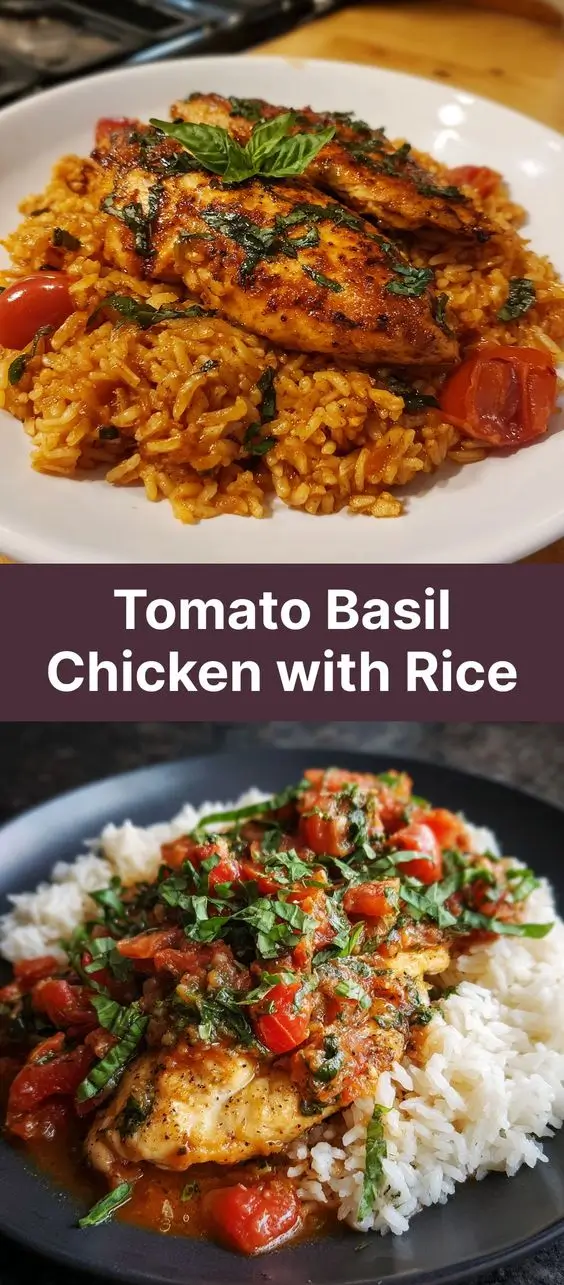
Tomato Basil Chicken with Rice: A Flavorful One-Pan Wonder
The History of Tomato Basil Chicken with Rice
The dish we now know as Tomato Basil Chicken with Rice draws its roots from a rich tapestry of culinary traditions spanning across the Mediterranean, particularly Italy and Southern Europe. While it’s not a traditional recipe passed down through centuries in any one specific culture, its components are deeply rooted in classic European cooking. Tomatoes, originally native to South America, were introduced to Europe in the 16th century and gradually became a cornerstone of Italian cuisine. Paired with fragrant basil—a staple herb in Genovese pesto and Caprese salads—and tender chicken, this combination reflects the essence of rustic Italian home cooking.
Over time, as global palates embraced fusion and convenience, dishes like Tomato Basil Chicken with Rice evolved into modern comfort food classics. The addition of rice transforms it from a simple sautéed protein into a hearty, complete meal. This evolution was further fueled by American and Canadian home cooks in the late 20th century who sought quick, nutritious weeknight dinners. As such, today’s version often combines elements of Italian flavor profiles with American-style ease and efficiency—making it a beloved staple in family kitchens, meal-prep routines, and even upscale bistro menus.
The one-pan preparation method echoes French and Spanish techniques where proteins are seared and simmered alongside vegetables and starches for deep flavor integration. Whether served in a cozy farmhouse kitchen or plated in a contemporary urban apartment, Tomato Basil Chicken with Rice stands as a testament to how timeless ingredients can be reimagined into something both comforting and elegant.
Ingredients Breakdown: What Goes Into Tomato Basil Chicken with Rice?
The beauty of this dish lies in its simplicity and balance. Each ingredient plays a crucial role in building layers of savory, tangy, and aromatic flavors. Here’s an in-depth look at what makes this recipe so satisfying:
- Chicken Breast or Thighs: Boneless, skin-on or skinless chicken breasts are most commonly used for their lean texture and ability to absorb flavors. However, boneless chicken thighs can also be substituted for a juicier, more flavorful result due to their higher fat content.
- Fresh Basil: A defining component of this dish, fresh basil adds a sweet, slightly peppery note that brightens the entire meal. Dried basil can work in a pinch, but fresh leaves added at the end preserve their volatile oils and vibrant aroma.
- Ripe Tomatoes or Canned Diced Tomatoes: Fresh Roma or vine-ripened tomatoes provide natural sweetness and acidity. Alternatively, high-quality canned diced tomatoes (preferably fire-roasted) offer consistent flavor year-round and deeper umami notes.
- Garlic: Minced fresh garlic is non-negotiable—it forms the aromatic backbone of the sauce, releasing its pungency when sautéed and mellowing into richness during simmering.
- Onion: Yellow or white onions add depth and subtle sweetness. Some variations use shallots for a more delicate flavor profile.
- Rice: Long-grain white rice like jasmine or basmati works best because it stays fluffy and doesn’t clump. Brown rice can be used for a healthier twist, though it requires longer cooking and more liquid.
- Chicken Broth or Stock: Far superior to water, broth enhances the overall savoriness of the dish. Low-sodium versions allow better control over salt levels.
- Olive Oil: Extra virgin olive oil is preferred for searing the chicken and sautéing aromatics, contributing heart-healthy fats and a fruity finish.
- Dry White Wine (optional): A splash of white wine such as Sauvignon Blanc or Pinot Grigio deglazes the pan and intensifies the sauce’s complexity.
- Sun-Dried Tomatoes (optional): Chopped sun-dried tomatoes introduce a chewy texture and concentrated tomato flavor, elevating the dish’s intensity.
- Heavy Cream or Half-and-Half (optional): For a creamy variation, a small amount of cream can be stirred in at the end to create a luscious, velvety sauce.
- Red Pepper Flakes: Just a pinch adds gentle heat without overpowering the other flavors.
- Salt and Black Pepper: Essential seasonings applied throughout the cooking process to layer flavor effectively.
- Parmesan Cheese (optional): Grated Parmesan stirred in at the end or sprinkled on top adds nuttiness and umami depth.
Step-by-Step Recipe: How to Make Tomato Basil Chicken with Rice
Follow these detailed instructions to prepare a restaurant-quality Tomato Basil Chicken with Rice right in your own kitchen—all in one pan for minimal cleanup!
- Prepare Ingredients: Dice the onion, mince the garlic, chop the tomatoes (if using fresh), slice the basil into ribbons (chiffonade), and pat the chicken dry with paper towels. Measure out the rice, broth, and other seasonings.
- Season the Chicken: Generously season both sides of the chicken breasts with salt, black pepper, and a touch of garlic powder or paprika for extra flavor.
- Sear the Chicken: Heat 2 tablespoons of olive oil in a large oven-safe skillet or Dutch oven over medium-high heat. Once hot, add the chicken and cook for 5–6 minutes per side until golden brown. Remove and set aside on a plate. (Note: If you’re finishing the dish in the oven, preheat it to 375°F/190°C now.)
- Sauté Aromatics: In the same skillet, reduce heat to medium and add another drizzle of olive oil if needed. Add the diced onion and sauté for 3–4 minutes until translucent. Stir in the minced garlic and red pepper flakes; cook for 30 seconds until fragrant.
- Add Tomatoes: Pour in the diced tomatoes (with juices) or crushed canned tomatoes. If using sun-dried tomatoes, add them here. Cook for 5 minutes, allowing the mixture to begin breaking down and forming a thick base.
- Incorporate Rice: Stir in 1 cup of uncooked rice, coating it well with the tomato-onion mixture. Toast for 1–2 minutes to enhance its nutty flavor.
- Deglaze (Optional): Pour in ¼ cup of dry white wine, scraping up any browned bits from the bottom of the pan. Let it simmer until mostly evaporated—about 2 minutes.
- Add Liquid: Slowly pour in 2 cups of chicken broth (or enough to follow rice package instructions). Bring the mixture to a gentle boil.
- Nestle in Chicken: Return the seared chicken breasts to the skillet, placing them gently on top of the rice-tomato mixture. Spoon some sauce over the top of each piece.
- Cook Until Done: Cover the skillet with a tight-fitting lid. Reduce heat to low and simmer on the stovetop for 20–25 minutes, or transfer to the preheated oven and bake covered for the same duration. The rice should be tender, the liquid absorbed, and the chicken cooked through with an internal temperature of 165°F (74°C).
- Finish with Fresh Basil: Remove from heat. Let rest for 5 minutes. Then, stir in half the fresh basil and adjust seasoning with additional salt and pepper if needed.
- Garnish and Serve: Top with remaining basil, grated Parmesan cheese, and a final drizzle of olive oil for shine. Serve immediately while warm and fragrant.
Pro Tips for Perfect Tomato Basil Chicken with Rice
- Use Uniform Chicken Pieces: Cut chicken breasts horizontally to ensure even thickness, preventing undercooked centers or dry edges.
- Don’t Skip the Sear: Browning the chicken creates fond—the caramelized bits stuck to the pan—which infuses incredible flavor into the sauce.
- Toast the Rice: Toasting the rice before adding liquid enhances its flavor and helps prevent mushiness.
- Resist Stirring Too Much: After adding the broth and nesting in the chicken, avoid stirring to prevent the rice from becoming gummy.
- Check Doneness Early: Ovens and burners vary. Start checking the rice at 18 minutes to avoid overcooking.
- Let It Rest: Allowing the dish to sit covered for 5 minutes after cooking lets the rice finish steaming and absorb any residual moisture evenly.
- Keep Basil Raw: Add fresh basil off the heat to preserve its bright color and essential oils—cooking it too long dulls its flavor.
- Double the Batch: This dish reheats beautifully and is excellent for meal prep. Store portions in airtight containers for up to 4 days.
Variations and Customizations
This versatile recipe welcomes creativity! Try these delicious twists to suit different tastes and dietary needs:
- Creamy Version: Stir in ½ cup of heavy cream, coconut milk (for dairy-free), or Greek yogurt at the end for a luxurious texture. Add a tablespoon of cream cheese for extra richness.
- Spicy Kick: Increase red pepper flakes or add sliced jalapeños or Calabrian chiles for bold heat.
- Mediterranean Style: Add kalamata olives, artichoke hearts, and capers for a briny, tangy twist reminiscent of Greek flavors.
- Vegetarian Option: Replace chicken with chickpeas, white beans, or tofu. Use vegetable broth instead of chicken stock.
- Gluten-Free Friendly: Naturally gluten-free as written—just confirm all packaged ingredients (like broth) are certified GF.
- Keto/Low-Carb Adaptation: Swap rice for cauliflower rice. Sauté the “rice” separately and fold into the finished tomato-chicken mixture at the end.
- Herb Variations: Substitute or complement basil with oregano, thyme, marjoram, or parsley for different herbal notes.
- Lemon Zest Boost: Add grated lemon zest at the end for a citrusy lift that cuts through richness.
- Wine-Free Version: Replace wine with extra broth and a splash of apple cider vinegar or lemon juice for acidity.
- Air Fryer Method: Sear chicken in air fryer basket, then combine all ingredients in a compatible pan and finish in the oven.
- Instant Pot/Pressure Cooker: Use sauté function to sear chicken and cook aromatics, then add rice, broth, and return chicken. Seal and pressure cook on high for 8 minutes, followed by a natural release.
Health Considerations and Nutritional Value
Tomato Basil Chicken with Rice isn’t just delicious—it can be part of a balanced diet when prepared thoughtfully. Here’s a nutritional breakdown per serving (assuming 4 servings, using skinless chicken breast and white rice):
| Nutrient | Amount (Approximate) |
|---|---|
| Calories | 380–420 kcal |
| Protein | 30–35g |
| Carbohydrates | 40–45g |
| Dietary Fiber | 3–5g |
| Fat | 10–14g (mostly unsaturated from olive oil) |
| Saturated Fat | 2–3g |
| Sodium | 600–800mg (lower if using low-sodium broth) |
| Vitamin C | High (from tomatoes and basil) |
| Vitamin A | Good source (from tomatoes and herbs) |
| Iron & B Vitamins | Present (especially from chicken and enriched rice) |
Health Benefits:
- Lycopene-Rich: Tomatoes are high in lycopene, a powerful antioxidant linked to reduced risk of heart disease and certain cancers.
- Lean Protein Source: Chicken breast provides high-quality protein essential for muscle repair and satiety.
- Heart-Healthy Fats: Olive oil contains monounsaturated fats known to support cardiovascular health.
- Low in Added Sugar: Unlike many processed meals, this dish uses natural sweetness from vegetables.
- Basil’s Anti-Inflammatory Properties: Contains eugenol, which may help reduce inflammation.
For Health-Conscious Cooks:
- Choose brown rice or quinoa to increase fiber and lower glycemic index.
- Limit added salt by using homemade broth and enhancing flavor with herbs, citrus, and umami-rich ingredients like sun-dried tomatoes.
- Control portion sizes—stick to ¾ cup of rice per serving if managing carbohydrate intake.
- Reduce fat by removing chicken skin before cooking and using less oil during searing.
Full Ingredient List
- 4 boneless, skinless chicken breasts (about 1.5 lbs / 700g)
- 1 tbsp salt (divided)
- 1 tsp black pepper (divided)
- 2 tbsp olive oil (plus more if needed)
- 1 medium yellow onion, finely diced
- 4 cloves garlic, minced
- ¼ tsp red pepper flakes (adjust to taste)
- 1 can (14.5 oz / 400g) diced tomatoes (fire-roasted recommended)
- 1 cup uncooked long-grain white rice (e.g., jasmine or basmati)
- ¼ cup dry white wine (optional)
- 2 cups low-sodium chicken broth
- ½ cup fresh basil, thinly sliced (chiffonade)
- ¼ cup grated Parmesan cheese (optional)
- 1 tbsp butter (optional, for richness)
Directions Recap
- Season chicken with ½ tsp salt and ½ tsp pepper.
- Sear chicken in olive oil over medium-high heat, 5–6 minutes per side. Set aside.
- In same pan, sauté onion until soft (~4 min). Add garlic and red pepper flakes; cook 30 seconds.
- Add tomatoes and simmer 5 minutes. Stir in rice and toast 1–2 minutes.
- Optional: Deglaze with white wine, simmer until reduced.
- Pour in chicken broth and bring to a boil.
- Nestle chicken back into the mixture. Cover and cook on low heat for 20–25 minutes.
- Remove from heat. Stir in fresh basil, Parmesan, and butter (if using).
- Taste and adjust seasoning. Garnish and serve warm.
Frequently Asked Questions (FAQ)
Can I make this ahead of time?
Yes! Prepare the entire dish and store it in an airtight container in the refrigerator for up to 4 days. Reheat gently in the microwave or on the stovetop with a splash of broth to refresh the moisture.
Can I freeze Tomato Basil Chicken with Rice?
Yes, though rice may become slightly softer upon thawing. Freeze in individual portions for up to 3 months. Thaw overnight in the fridge before reheating.
Why is my rice mushy?
Too much liquid or over-stirring can cause mushiness. Always measure liquids precisely and avoid stirring after adding the broth.
Can I use frozen chicken?
It’s not recommended. Frozen chicken releases excess water and won’t sear properly. Always thaw completely before cooking.
Is this dish gluten-free?
Yes, provided you use gluten-free broth and check labels on all ingredients (especially canned goods and Parmesan).
What can I serve with this dish?
It’s a complete meal on its own, but pairs wonderfully with a crisp green salad, garlic bread, roasted asparagus, or steamed broccoli.
Can I use brown rice?
Yes, but increase the broth to 2.5–3 cups and extend cooking time to 40–45 minutes. You may need to cover with foil if baking to prevent drying.
How do I prevent dry chicken?
Don’t overcook! Use a meat thermometer—remove at 165°F. Also, letting the dish rest covered helps retain juices.
Can I use dried basil instead of fresh?
You can, but use only 1 teaspoon (dried herbs are more concentrated). Add it earlier during cooking. However, fresh basil is strongly recommended for authentic flavor.
Can I make this vegan?
Absolutely! Replace chicken with plant-based alternatives like jackfruit, mushrooms, or lentils. Use vegetable broth and skip cheese or use a vegan alternative.
Summary
Tomato Basil Chicken with Rice is a harmonious blend of tender chicken, fluffy rice, and a vibrant tomato-basil sauce that brings the taste of the Mediterranean to your table. Easy to make, endlessly customizable, and packed with nutrition, it’s the ultimate comfort dinner for busy weeknights or relaxed weekends.