Introduction
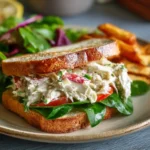
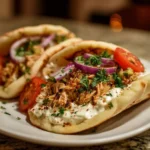
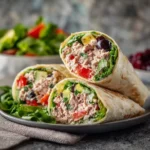
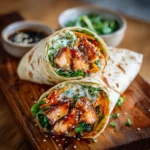
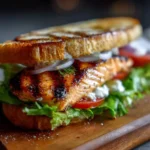
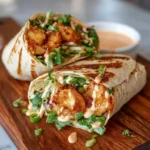
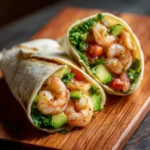
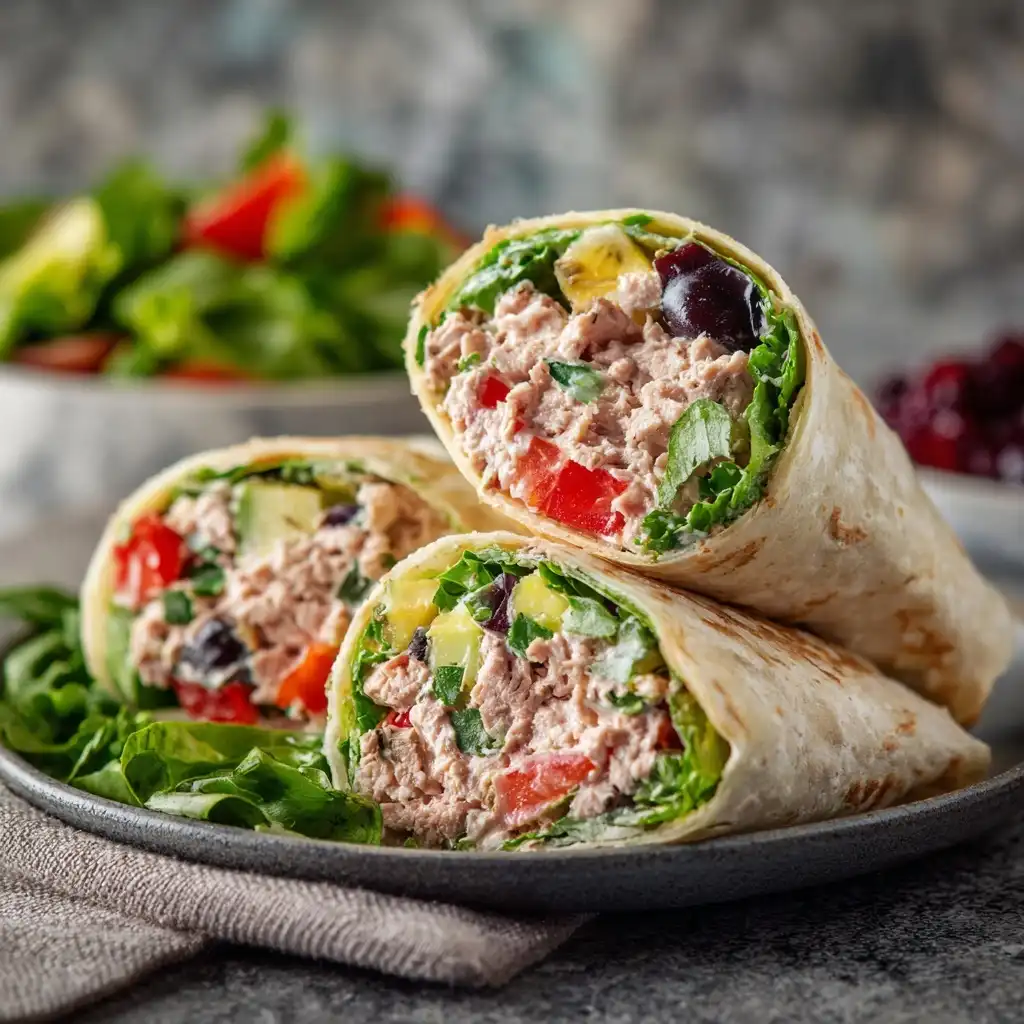
The Tuna Salad Wrap is a beloved, versatile, and nutritionally balanced meal that bridges the gap between convenience and wholesome eating. Whether enjoyed as a quick lunch on-the-go, a post-workout refuel, or a light yet satisfying dinner, this dish combines the rich, savory flavor of tuna with crisp vegetables, creamy dressing, and the soft, pliable embrace of a whole-grain or low-carb wrap. Its adaptability makes it endlessly customizable—suitable for keto dieters, Mediterranean diet followers, gluten-free eaters, plant-based flexitarians (with chickpea or lentil substitutions), and busy professionals alike. More than just a sandwich alternative, the tuna salad wrap embodies modern culinary pragmatism: minimal prep time, maximum flavor, and built-in portability—no plates, no forks, no fuss.
The History
While tuna as a preserved protein source dates back centuries—originating with ancient Mediterranean civilizations who salted and packed tuna in olive oil—the modern tuna salad emerged in the early 20th century in the United States. Canned tuna became widely accessible after the invention of the tin can in 1810 and its commercialization by companies like Chicken of the Sea (founded in 1914) and Starkist (1917). By the 1920s and ’30s, tuna salad appeared in American cookbooks as a chilled, mayonnaise-bound mixture served on lettuce-lined plates or tucked into simple bread slices. The “wrap” iteration didn’t gain mainstream traction until the 1980s and ’90s, coinciding with the rise of health-conscious dining, the proliferation of soft flour tortillas in supermarkets, and the growing popularity of Mexican-inspired and California-style cuisine. Chefs and home cooks began replacing traditional bread with large, flexible tortillas—not only to reduce refined carbs but also to enhance texture contrast and visual appeal. Over time, gourmet variations featuring avocado, capers, dill, Greek yogurt, and even nori-wrapped versions entered food blogs, meal-prep guides, and dietitian-recommended menus—solidifying the tuna salad wrap’s status as an enduring, evolution-ready classic.
Ingredients Breakdown
Understanding each ingredient’s role elevates both flavor and function:
- Canned Tuna (5 oz / ~140g): Opt for sustainably caught, wild-caught skipjack or albacore tuna packed in water (for lower sodium and fat) or olive oil (for richer mouthfeel and added monounsaturated fats). Drain thoroughly—but reserve ½ tsp of liquid if using oil-packed tuna to boost moisture without greasiness.
- Base Binder (¼–⅓ cup): Traditional mayonnaise offers creaminess and emulsification, but healthier swaps include plain nonfat Greek yogurt (high-protein, tangy, lower-calorie), mashed avocado (fiber-rich, potassium-dense, naturally creamy), or a blend of both for optimal texture and nutrition.
- Aromatic Vegetables (½ cup total, finely diced): Celery adds crunch and subtle bitterness; red onion contributes sharp-sweet complexity; pickled red onion or shallots can add brightness and digestive-friendly probiotics. Optional additions: finely minced fennel bulb (anise-tinged crunch), jicama (crisp, slightly sweet), or radish (peppery zing).
- Herbs & Fresh Accents (2–3 tbsp): Dill is quintessential—fresh or dried—for its bright, grassy notes; parsley adds freshness and chlorophyll; chives lend mild onion essence; tarragon offers subtle licorice depth. Always add herbs just before assembling to preserve volatile oils and vibrant color.
- Acid & Brightness (1–2 tsp): Fresh lemon juice or apple cider vinegar balances richness, enhances tuna’s natural savoriness (umami), and acts as a natural preservative. A splash of white wine vinegar or yuzu juice introduces nuanced acidity.
- Umami & Texture Boosters (optional but recommended): 1 tsp Dijon mustard (emulsifies, adds depth); 1 tbsp capers (briny pop); 1–2 tsp chopped Kalamata olives (Mediterranean richness); 1 tbsp toasted sunflower or pumpkin seeds (nutty crunch, vitamin E); 1 tsp nutritional yeast (vegan B12 + cheesy savoriness).
- Salt & Pepper (to taste): Use flaky sea salt or Himalayan pink salt for mineral complexity; freshly cracked black pepper unlocks aromatic terpenes. Avoid oversalting—tuna and capers/olives already contribute sodium.
- The Wrap (1 large 10–12 inch tortilla): Choose 100% whole-wheat, sprouted grain, spinach-infused, almond-flour, coconut-flour, or collard green “wraps” for gluten-free, low-carb, or paleo adaptations. Look for wraps with ≤5g added sugar, ≥4g fiber, and minimal preservatives. Warm wraps gently (5–8 seconds per side in a dry skillet) to improve pliability and prevent tearing.
- Layering Greens & Extras (for assembly): Butter lettuce, romaine hearts, or baby spinach provide hydration and structure; microgreens add enzymatic vitality; sliced cucumber ribbons or avocado fans enhance creaminess and visual elegance.
Step-by-Step Recipe
- Drain & Flake Tuna: Open the tuna can, drain completely using a fine-mesh strainer—press gently with a paper towel to remove excess moisture. Transfer to a medium mixing bowl and break apart with a fork into uniform, bite-sized flakes—no large clumps.
- Prep Aromatics: Finely dice ¼ cup celery and 2 tbsp red onion (soak onion in cold water for 5 minutes to mellow sharpness, then drain). Pat dry. Chop 1 tbsp fresh dill and 1 tbsp flat-leaf parsley.
- Combine Base Ingredients: In the bowl with tuna, add ⅓ cup Greek yogurt (or preferred binder), 1 tsp lemon juice, 1 tsp Dijon mustard, 1 tbsp capers, and a pinch of black pepper. Gently fold with a silicone spatula—do not overmix, or the tuna will become pasty.
- Incorporate Veggies & Herbs: Add the drained celery, red onion, dill, and parsley. Fold once more until evenly distributed. Taste and adjust: more lemon for brightness, mustard for tang, salt only if needed.
- Chill & Rest (Critical Step): Cover bowl and refrigerate for at least 20 minutes—or up to 4 hours. This allows flavors to meld, the binder to hydrate the tuna, and the mixture to firm up for easier wrapping.
- Prepare the Wrap: Lay tortilla on a clean, dry surface. Lightly warm in a nonstick skillet over medium-low heat for 5 seconds per side—just until pliable and fragrant. Avoid browning.
- Layer Strategically: Spread 1 tbsp hummus or mashed avocado in a horizontal band across the center third of the wrap. Top with a generous handful of butter lettuce (leaves oriented horizontally to prevent vertical slippage). Spoon chilled tuna salad in a tight, centered log—leave 1.5 inches bare at top and bottom edges.
- Add Final Touches: Arrange 3–4 thin avocado slices or cucumber ribbons lengthwise over tuna. Sprinkle with 1 tsp toasted pumpkin seeds and a few microgreens.
- Roll with Precision: Fold the bottom edge up over the filling, then fold in both sides snugly (like an envelope). Continue rolling forward firmly but gently—applying even pressure to compact layers without squeezing out filling. Seal seam-side down.
- Rest Before Slicing: Let rest seam-side down for 2 minutes—this helps the wrap set. For clean slices, use a serrated knife and cut diagonally at a 45° angle with a gentle sawing motion.
Tips
- Texture Control: For ultra-creamy tuna salad, mash 1 tsp of the drained tuna with your binder first—this creates a natural “glue” that prevents graininess.
- No-Sog Factor: Always pat dry all vegetables and greens—even pre-washed spinach—using a salad spinner or triple-layered paper towels. Excess water = soggy wrap.
- Make-Ahead Mastery: Prepare tuna salad up to 3 days ahead (store airtight in fridge), but assemble wraps no more than 1 hour before serving to maintain structural integrity.
- Freeze-Friendly Filling: Portion tuna salad into silicone muffin cups, freeze solid, then transfer to freezer bags. Thaw overnight in fridge—ideal for weekly meal prep.
- Wrap Warming Hack: Place tortillas between two damp (not dripping) paper towels and microwave for 10 seconds—steam softens without drying.
- Leak-Proof Packing: Wrap finished rolls tightly in parchment paper, then foil—or use reusable beeswax wraps. Store upright in a container to prevent flattening.
- Knife Sharpness Matters: A dull knife compresses rather than cuts, causing fillings to spill. Hone your blade before slicing.
- Flavor Layering Secret: Toast spices (cumin, smoked paprika) in a dry pan for 30 seconds, cool, then whisk ¼ tsp into the binder for warmth and complexity.
- Kid-Friendly Tweaks: Replace red onion with sweet yellow onion, omit capers, add 1 tsp honey or maple syrup for subtle sweetness, and shape into mini “tuna bites” inside lettuce cups.
- Restaurant-Quality Finish: Brush outer wrap lightly with olive oil and sprinkle with everything bagel seasoning or za’atar before serving—adds aroma, crunch, and visual polish.
Variations and Customizations
By Dietary Need
- Keto/Low-Carb: Swap tortilla for large butter lettuce leaves, nori sheets, or grilled eggplant rounds. Increase healthy fats: add 1 tbsp chopped macadamia nuts, ½ sliced hard-boiled egg, and extra olive oil in binder.
- Gluten-Free: Use certified GF wraps (e.g., Siete Almond Flour Tortillas or Mission Gluten-Free). Ensure mustard, capers, and seasonings are GF-certified (watch for malt vinegar).
- Vegan/Vegetarian: Replace tuna with 1 cup mashed chickpeas + 1 tbsp nori flakes (for oceanic umami) + 1 tsp kelp powder + ½ tsp smoked paprika. Add crumbled tempeh bacon for chew.
- Paleo/Whole30: Skip dairy-based binders—use mashed avocado + lemon juice + Dijon (check label for no sugar/additives). Wrap in collard green leaves (blanched 10 seconds in boiling water to soften).
- High-Protein Boost: Stir in 2 tbsp crumbled feta or goat cheese, 1 tbsp hemp hearts, or 1 scoop unflavored collagen peptides (dissolves seamlessly).
By Global Flavor Profile
- Mediterranean: Add chopped kalamata olives, roasted red peppers, oregano, and crumbled feta. Bind with lemon-tahini sauce (2 tbsp tahini + 1 tbsp lemon + 1 tsp maple syrup + water to thin).
- Asian-Inspired: Replace mayo/yogurt with 2 tbsp spicy mayo (sriracha + mayo) or miso-ginger dressing (1 tbsp white miso + 1 tsp grated ginger + 1 tsp rice vinegar + ½ tsp sesame oil). Top with pickled daikon, scallions, and toasted sesame seeds.
- Southwest: Mix in black beans, corn kernels, chipotle in adobo (minced), lime juice, and cilantro. Wrap in spinach tortilla and top with avocado crema (avocado + lime + Greek yogurt + garlic powder).
- Curry Fusion: Whisk 1 tsp curry powder + ½ tsp turmeric + 1 tsp mango chutney into binder. Add golden raisins, toasted cashews, and fresh mint.
- Smoky & Bold: Use oil-packed tuna, add ½ tsp smoked sea salt, 1 tsp liquid smoke (food-grade), and crispy fried onions. Serve with chipotle aioli on the side.
By Occasion & Format
- Appetizer Style: Spoon tuna salad onto endive spears, cucumber boats, or bell pepper strips for elegant, handheld bites.
- Meal-Prep Jars: Layer dressing at bottom, then quinoa or shredded cabbage, tuna salad, and top with microgreens—shake to combine at lunchtime.
- Bento Box Friendly: Pack tuna salad separately in a small container alongside whole-wheat pita wedges, veggie sticks, and lemon wedges for DIY assembly.
- Grilled Wrap: After rolling, grill seam-side down in a panini press or cast-iron skillet for 2–3 minutes per side—creates golden crust and melds flavors.
- Dessert-Wrap Adjacent: For a playful twist: swap tuna for spiced apple-pecan “salad” (diced apples + cinnamon + maple + pecans + Greek yogurt) wrapped in a cinnamon-sugar tortilla.
Health Considerations and Nutritional Value
A well-constructed tuna salad wrap delivers exceptional macro- and micronutrient synergy. A standard version (made with water-packed tuna, Greek yogurt, whole-wheat wrap, and veggies) typically provides ~380–450 calories, 28–35g protein, 12–18g healthy fats (mostly omega-3s from tuna + monounsaturated fats from avocado/oil), and 30–40g complex carbohydrates with 6–9g dietary fiber. Key highlights include:
- Omega-3 Powerhouse: Albacore tuna contains ~700–1,200mg EPA+DHA per 5oz serving—supporting cardiovascular health, cognitive function, and anti-inflammatory pathways. Pairing with flax or chia seeds further boosts ALA conversion.
- Protein Efficiency: Tuna’s complete amino acid profile (including high leucine) promotes muscle protein synthesis—especially beneficial post-exercise or during aging. Greek yogurt adds casein for sustained release.
- Fiber & Gut Health: Whole-grain wraps provide resistant starch and arabinoxylan; vegetables supply prebiotic fibers (inulin, pectin) that feed beneficial gut microbiota—linked to improved immunity and mood regulation.
- Vitamin & Mineral Density: Rich in selenium (supports thyroid & antioxidant enzymes), vitamin D (immune modulation), B12 (nerve health), potassium (blood pressure control), and folate (cellular repair). Lemon juice enhances non-heme iron absorption from greens.
- Considerations & Mitigations:
- Mercury Awareness: Limit albacore to 1–2 servings/week; choose light tuna (skipjack) for daily consumption. Pregnant/nursing individuals should follow FDA guidelines (max 12 oz light tuna/week).
- Sodium Management: Rinse canned tuna, use low-sodium capers/olives, and avoid adding table salt. Flavor with herbs, citrus zest, smoked paprika, or nutritional yeast instead.
- Food Safety: Keep tuna salad below 40°F (4°C); discard after 2 hours at room temperature. Never freeze assembled wraps—condensation ruins texture.
- Allergen Notes: Check labels for soy, egg, or mustard derivatives in condiments. Sunflower seed butter can replace mayo for nut-free environments.
For those managing diabetes, the wrap’s balanced macros (protein + fiber + healthy fat) support steady glucose response—opt for low-glycemic wraps (coconut or almond flour) and monitor carb counts. Heart-health seekers benefit from replacing saturated fats (regular mayo) with unsaturated alternatives (avocado, olive oil, nuts).
Ingredients
- 1 (5-ounce) can wild-caught light tuna in water, drained and flaked
- ⅓ cup plain nonfat Greek yogurt (or avocado or vegan mayo)
- ¼ cup finely diced celery (about 1 medium stalk)
- 2 tablespoons finely diced red onion, soaked in cold water for 5 minutes then drained
- 1 tablespoon chopped fresh dill
- 1 tablespoon chopped fresh flat-leaf parsley
- 1 teaspoon fresh lemon juice (plus more to taste)
- 1 teaspoon Dijon mustard (certified gluten-free if needed)
- 1 tablespoon rinsed capers
- ¼ teaspoon freshly ground black pepper
- Pinch of flaky sea salt (optional—taste first)
- 1 (10-inch) whole-grain or sprouted grain tortilla
- 1 tablespoon mashed avocado or hummus (for spread layer)
- 1 cup butter lettuce leaves, washed and dried thoroughly
- 4–5 thin slices ripe avocado or cucumber ribbons
- 1 teaspoon toasted pumpkin seeds or sunflower seeds
- Small handful of pea shoots or broccoli sprouts (optional garnish)
Directions
- In a medium mixing bowl, combine the flaked tuna, Greek yogurt, lemon juice, Dijon mustard, capers, black pepper, and optional salt. Stir gently with a fork until just combined—avoid overmixing.
- Add the diced celery, drained red onion, dill, and parsley. Fold together with a silicone spatula until evenly distributed.
- Cover the bowl and refrigerate for at least 20 minutes (up to 4 hours) to allow flavors to develop and mixture to chill and firm.
- While tuna salad chills, prepare the wrap: Warm the tortilla in a dry skillet over medium-low heat for 5 seconds per side until soft and pliable. Alternatively, wrap in a damp paper towel and microwave for 10 seconds.
- Spread the mashed avocado or hummus in a horizontal stripe across the center of the warmed tortilla, leaving 1.5-inch margins at top and bottom.
- Arrange the butter lettuce leaves horizontally over the spread, overlapping slightly to create a sturdy base.
- Scoop the chilled tuna salad onto the lettuce in a compact, centered log—about ¾ inch thick and 7 inches long.
- Top evenly with avocado or cucumber slices, then sprinkle with pumpkin seeds and microgreens.
- To roll: Fold the bottom edge up and over the filling, tucking snugly. Fold in both side flaps like an envelope. Continue rolling forward firmly but gently, applying even pressure to seal.
- Place seam-side down and let rest for 2 minutes. Using a sharp serrated knife, cut diagonally into two halves. Serve immediately—or wrap tightly for portable enjoyment.
FAQ
- Can I make tuna salad wrap ahead of time?
- Yes—but separate components for best results. Prepare tuna salad up to 3 days ahead and store airtight in the refrigerator. Assemble wraps no more than 1 hour before eating to prevent sogginess and structural failure.
- What’s the best wrap to use for weight loss?
- Sprouted grain or 100% whole-wheat wraps offer superior fiber and satiety versus refined flour. For lowest-calorie options, try large butter lettuce leaves (≈5 calories each) or coconut wraps (≈60 calories, grain-free, high-fiber). Avoid wraps with added sugars or hydrogenated oils.
- How do I keep my wrap from falling apart?
- Key tactics: (1) Chill tuna salad before assembling, (2) Use a pliable, slightly warmed wrap, (3) Layer greens *under* tuna (not on top) for grip, (4) Don’t overfill—aim for ¾ cup filling max, (5) Roll tightly and rest seam-down before cutting.
- Is canned tuna healthy despite mercury concerns?
- Yes—when consumed mindfully. Light tuna (skipjack) has about 1/3 the mercury of albacore. The FDA recommends 2–3 servings (8–12 oz) of low-mercury fish weekly for most adults. Benefits of omega-3s, selenium, and protein far outweigh risks when intake is varied and moderate.
- Can I freeze tuna salad?
- Yes—without the binder if using mayo (which separates when frozen). Best success: Use Greek yogurt or avocado as binder, portion into ice cube trays, freeze solid, then transfer to freezer bags. Thaw overnight in fridge. Do not freeze assembled wraps.
- Why does my tuna salad taste bland?
- Blandness usually stems from under-seasoning or missing acidity. Always taste *after* chilling—cold dulls perception. Add lemon juice or vinegar in ½-teaspoon increments. Enhance umami with Dijon, capers, tamari, or a dash of Worcestershire (vegan if needed). Fresh herbs added at the end revive brightness dramatically.
- What can I use instead of mayo to keep it creamy but healthy?
- Top options: plain nonfat Greek yogurt (highest protein), mashed ripe avocado (fiber + potassium), silken tofu blended with lemon and garlic (vegan, neutral), or cashew cream (soaked raw cashews + water + lemon, blended smooth).
- How can I make this kid-friendly?
- Omit strong flavors (onion, capers, dill); use sweet yellow onion or roasted garlic. Add 1 tsp honey or maple syrup for gentle sweetness. Shape into fun forms: “tuna boats” in bell pepper halves, “pinwheels” with reduced filling, or serve deconstructed with dippable veggie sticks and tuna “dip.”
- Can I add eggs to tuna salad?
- Absolutely—and highly recommended! 1 chopped hard-boiled egg adds richness, extra protein, and binding power. For a “tuna-egg salad” hybrid, reduce binder by 1 tbsp and add ¼ tsp mustard powder for depth.
- Is this suitable for diabetics?
- Yes—with smart modifications: choose low-glycemic wraps (almond/coconut flour), increase non-starchy veggies (zucchini ribbons, shredded cabbage), add healthy fats (avocado, olive oil), and pair with apple cider vinegar dressing to support glycemic control. Monitor total carb count per serving (ideally <35g net carbs).
Summary
The Tuna Salad Wrap is a nutritionally dense, endlessly adaptable, and chef-worthy meal that marries convenience with culinary intention—offering robust omega-3s, high-quality protein, fiber-rich whole grains, and vibrant phytonutrients in every bite. From its humble mid-century origins to today’s globally inspired, diet-specific iterations, it remains a timeless solution for nourishing bodies, minds, and schedules without compromise.