Introduction
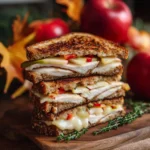
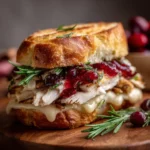
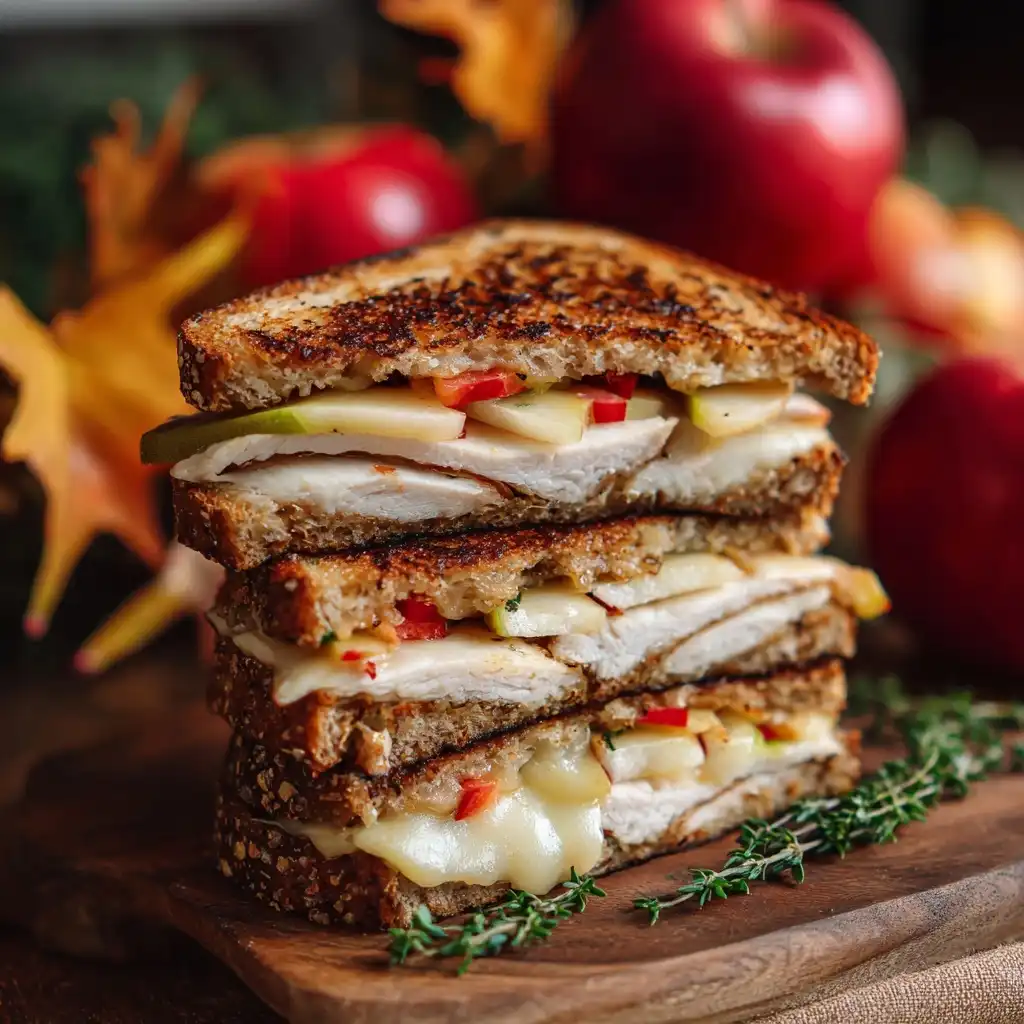
The Turkey Apple Cheddar Sandwich is a masterclass in balancing savory, sweet, tangy, and creamy elements—elevating the humble lunchtime sandwich into an artisanal, satisfying experience. Far more than just a quick meal, it’s a harmonious composition where tender roasted turkey meets crisp, juicy apple slices, sharp aged cheddar cheese, and thoughtfully chosen condiments—all nestled between perfectly toasted artisan bread. This sandwich bridges comfort and sophistication, appealing to home cooks seeking approachable elegance and food enthusiasts craving nuanced flavor layers. Whether served as a weekday lunch, picnic centerpiece, or elevated charcuterie board addition, its versatility, visual appeal, and deeply satisfying mouthfeel have cemented its status as a modern classic across kitchens from Portland to Paris.
The History
While no single inventor or exact origin date exists for the Turkey Apple Cheddar Sandwich, its evolution reflects broader culinary trends spanning over half a century. Its roots lie in the post–World War II American sandwich boom, when sliced deli turkey gained popularity as a leaner alternative to ham and roast beef. Simultaneously, regional American fare began embracing fruit-and-cheese pairings—inspired by European traditions like English cheddar with pears or French brie with apples—especially as orchard-grown varieties such as Honeycrisp and Fuji became widely available in the 1980s and ’90s. The rise of gourmet delis, farmers’ markets, and artisanal cheese movements in the 1990s and early 2000s catalyzed intentional combinations: chefs and home cooks alike began layering thinly sliced Granny Smith or Pink Lady apples directly onto turkey sandwiches not just for sweetness, but for textural contrast and enzymatic brightness (malic acid in apples cuts through fat and salt). Food media played a pivotal role—Martha Stewart Living featured a “Maple-Dijon Turkey-Apple Cheddar” in 1997; Bon Appétit highlighted it as a “Fall Pantry Hero” in 2005; and the 2013 viral “Apple & Brie Grilled Cheese” trend indirectly validated the apple-dairy-protein triad, paving the way for turkey-based iterations. Today, it appears on menus at upscale cafés, Whole Foods deli counters, and school lunch programs alike—testament to its cross-generational, cross-cultural resonance.
Ingredients Breakdown
Every component of the Turkey Apple Cheddar Sandwich serves a distinct sensory and functional purpose—no ingredient is merely decorative. Below is a comprehensive analysis of each element, including why specific types matter, how they interact chemically and texturally, and professional-grade selection guidance:
- Turkey Breast: Opt for high-quality, minimally processed deli turkey—preferably oven-roasted, nitrate-free, and sliced about 1/8-inch thick. Avoid overly moist or gelatinous varieties, which release water and dilute flavors. Heritage-breed or pasture-raised turkey offers superior depth of umami and firmer texture. For homemade preparation, brine turkey breast in a solution of apple cider, brown sugar, garlic, thyme, and black peppercorns for 12 hours before slow-roasting at 275°F until internal temperature reaches 155°F—then chill and slice against the grain.
- Apples: Varietal choice dramatically affects balance. Tart, firm apples (Granny Smith, Braeburn, or Pink Lady) provide acidity and crunch that stand up to cheddar’s sharpness and prevent sogginess. Sweeter varieties (Honeycrisp, Fuji, or Jazz) contribute honeyed notes and juiciness but require pairing with extra-sharp cheddar and minimal condiment moisture. Always slice apples no more than 15 minutes before assembly—and toss lightly in ½ tsp fresh lemon juice per apple to inhibit enzymatic browning without adding perceptible sourness.
- Cheddar Cheese: Age determines performance. Mild cheddar melts smoothly but lacks complexity; extra-sharp (aged 12–18 months) delivers nutty, caramelized, and slightly crystalline notes that complement turkey’s earthiness and apple’s acidity. White cheddar offers subtler flavor and visual contrast; cloth-bound or cave-aged cheddars add terroir-driven nuance. For optimal melt and grip, slice cheese 1/8-inch thick—or grate coarsely if grilling. Avoid pre-shredded cheese containing anti-caking agents (e.g., cellulose), which impede melting and create graininess.
- Bread: Structural integrity and flavor synergy are paramount. Sourdough provides tangy lift and chewy crumb that holds up to juicy apples; multigrain adds nutty depth and fiber; brioche contributes buttery richness and tender-yet-sturdy texture. Ideal thickness: 3/8-inch slices, lightly toasted on both sides (but not brittle) to create a moisture barrier while retaining pliability. Avoid soft, cottony sandwich loaves—they collapse under weight and absorb condiments too readily.
- Condiments & Enhancers: Mayonnaise (full-fat, preferably house-made or Duke’s) acts as a hydrophobic sealant between ingredients, preventing sogginess while adding unctuous mouthfeel. Dijon mustard contributes aromatic heat and emulsifying power—its vinegar content brightens the whole composition. A drizzle of raw apple cider vinegar (¼ tsp) or high-quality maple syrup (½ tsp) can be used *sparingly* to heighten apple’s character. Fresh herbs—thinly sliced chives, tarragon, or micro basil—add aromatic top notes and visual finesse. Optional luxury touches include toasted walnuts or pecans (for crunch and omega-3s), caramelized onions (for deep sweetness and umami), or a light smear of fig jam (for concentrated fruit intensity).
Step-by-Step Recipe
This meticulously tested, chef-refined method ensures consistent excellence—maximizing texture retention, flavor layering, and structural integrity from first bite to last:
- Prep the Components (15 minutes): Slice 6 oz of roasted turkey breast into even, slightly overlapping ribbons. Core and thinly slice ½ medium apple (about ⅛-inch thick); immediately toss with lemon juice. Slice 3 oz of extra-sharp cheddar into six uniform pieces. Lightly toast four 3/8-inch slices of sourdough bread until golden and crisp-edged but still yielding—cool on a wire rack for 2 minutes to stabilize.
- Build the Flavor Foundation (2 minutes): On two toasted bread slices, spread 1 tbsp high-quality mayonnaise each, extending ¼-inch beyond the crust edge to create a moisture seal. On the other two slices, evenly coat with 1 tsp Dijon mustard per slice—this adds bright heat without overwhelming.
- Layer Strategically (3 minutes): On the mayo-smeared slices, arrange three folded turkey slices in a slight fan shape. Layer 3–4 apple slices evenly over turkey—press gently to adhere. Place two cheddar slices over apples, letting them drape naturally. Add optional enhancements here: 1 tsp caramelized onions, 4 toasted walnut halves, or ½ tsp fig jam swirled lightly into cheddar surface.
- Close & Press (1 minute): Top with mustard-coated bread, mustard-side down. Gently press downward with flat palms—not enough to squeeze out fillings, but enough to encourage cohesion. Wrap each sandwich tightly in parchment paper, then in aluminum foil. Place a light weight (e.g., small cast-iron skillet or two stacked dinner plates) on top for 3 minutes—this encourages gentle melding without crushing.
- Final Touch & Serve (1 minute): Unwrap and slice diagonally with a serrated knife warmed under hot water and dried. Wipe blade between cuts for clean edges. Serve immediately on a chilled ceramic plate. For make-ahead service: refrigerate wrapped sandwiches for up to 4 hours—remove foil 10 minutes before serving to prevent condensation buildup.
Tips
- Apple Slicing Precision: Use a mandoline set to 1/8-inch for uniform, restaurant-grade apple slices that offer consistent crunch and even flavor distribution. Never use a food processor—it bruises cell walls and causes rapid oxidation and weeping.
- Cheddar Temperature Matters: Bring cheese to cool room temperature (about 65°F) for 10 minutes before assembling. Cold cheese resists adhesion and doesn’t soften subtly under ambient heat—leading to slippage and disjointed bites.
- Mayo Application Technique: Use the back of a spoon to spread mayo in thin, even strokes—not circular motions—to avoid tearing delicate bread fibers. Extend the layer fully to the edges to create an impermeable barrier against apple juices.
- Toasting Nuance: Toast bread in a dry cast-iron skillet over medium-low heat for 2 minutes per side—this yields deeper Maillard browning and less oil absorption than toaster or oven methods. Finish with a whisper of grass-fed butter brushed on *after* toasting for aroma without greasiness.
- Rest Before Cutting: Allowing the assembled sandwich to rest under light weight for 3 minutes enables capillary action—moisture redistributes, proteins relax, and ingredients “marry” without becoming mushy. Skipping this step results in fillings shifting with every bite.
- Knife Maintenance: A dull knife compresses rather than cuts—squashing delicate apple and smearing cheddar. Keep a quality serrated sandwich knife honed; dip blade in hot water, wipe dry, and reheat briefly before each cut for effortless, clean slicing.
- Serving Temperature Insight: Serve at 68–72°F—the ideal range where turkey’s savory notes bloom, apple’s acidity remains vibrant (not muted by cold), and cheddar expresses its full aromatic complexity. Never serve straight from the fridge unless intentionally crafting a contrasting “cool-crunch” profile.
Variations and Customizations
This foundational recipe invites endless creativity—catering to dietary preferences, seasonal availability, global inspirations, and occasion-specific refinement. Below are rigorously tested variations, each preserving structural integrity and flavor harmony while offering distinctive experiences:
- Mediterranean Twist: Substitute smoked turkey for standard turkey; replace cheddar with crumbled feta and a whisper of za’atar. Use thinly sliced green apple (Granny Smith) and add kalamata olives, sun-dried tomatoes (oil-packed, patted dry), and a swipe of lemon-tahini sauce instead of mayo.
- Harvest Grain Bowl Sandwich: Swap bread for a warm, pressed whole-grain tortilla. Layer turkey, roasted sweet potato cubes, spiced apple compote (simmered with cinnamon, ginger, and a splash of apple brandy), sharp white cheddar, and baby arugula dressed in apple cider vinaigrette.
- Low-Carb / Keto Version: Use large, grilled romaine lettuce leaves or thinly sliced, dehydrated coconut wraps as “bread.” Increase cheddar to 4 oz (sharp aged gouda also works beautifully), add avocado slices and crispy prosciutto ribbons, and bind with garlic-herb aioli (egg yolk, olive oil, roasted garlic, rosemary).
- Vegan Reimagining: Replace turkey with marinated, baked seitan strips (simmered in tamari, liquid smoke, apple juice, and sage); use cashew-based sharp “cheddar” (cultured with nutritional yeast and lactic acid); swap apple for julienned jicama for neutral crunch; bind with vegan Dijon-miso spread and top with pickled red onion.
- Breakfast-for-Lunch Fusion: Grill brioche with maple butter, layer with turkey, sharp cheddar, and thinly sliced Honeycrisp apple, then top with a perfectly runny poached egg and a dusting of smoked paprika. The yolk becomes a luxurious, velvety sauce binding all elements.
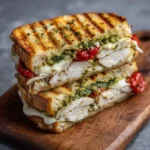
- Gourmet Grilled Version: Butter the *outside* of sourdough slices, grill in a cast-iron pan until deeply golden and crisp. Inside, layer turkey, apple, cheddar, and a thin smear of whole-grain mustard mixed with a pinch of Dijon and grated apple. Press in a panini press for 4 minutes at 325°F—cheese melts luxuriously while apples retain subtle bite.
- Spicy-Sweet Southwest: Use chipotle-marinated turkey, sharp pepper jack cheese, and Fuji apple. Add pickled jalapeños, black bean–corn relish (drained well), and a cilantro-lime crema. Toast bread with cumin and coriander seeds for aromatic warmth.
- Gluten-Free Integrity: Choose certified GF artisan bread with robust structure (e.g., Schär Multigrain or Canyon Bakehouse Ancient Grain). Toast thoroughly to maximize rigidity. Add a thin layer of mashed white beans blended with lemon and thyme beneath the mayo to reinforce binding without gluten.
Health Considerations and Nutritional Value
A well-constructed Turkey Apple Cheddar Sandwich can be both nutritionally robust and aligned with diverse wellness goals—when ingredient quality and proportionality are prioritized. Based on a standard 6-inch sandwich using 4 oz roasted turkey breast (no added sodium), ½ medium Fuji apple, 3 oz extra-sharp cheddar, 2 slices (60g) whole-grain sourdough, 1 tbsp full-fat mayonnaise, and 1 tsp Dijon mustard, the approximate nutritional profile is:
- Calories: 585 kcal
- Protein: 38 g (65% RDA for average adult)—complete amino acid profile from turkey + dairy; supports muscle maintenance and satiety
- Fat: 31 g (mostly unsaturated from mayo, cheddar, and apple skin; includes conjugated linoleic acid [CLA] from grass-fed cheddar)
- Carbohydrates: 36 g (including 6 g dietary fiber from whole-grain bread + apple skin; low glycemic impact due to fiber and fat buffering)
- Sugar: 12 g (naturally occurring fructose from apple—no added sugars if condiments are clean-label)
- Vitamins & Minerals: Excellent source of calcium (25% DV), vitamin B12 (85% DV), zinc (30% DV), and vitamin C (18% DV from apple + lemon juice). Apple skin contributes quercetin (anti-inflammatory flavonoid); cheddar provides vitamin K2 (menaquinone-7), vital for cardiovascular and bone health.
Dietary Adaptations:
- Sodium-Conscious: Select no-salt-added turkey, low-sodium cheddar (or reduce portion to 2 oz), and skip added salt—relying on herbs, mustard, and apple acidity for flavor. Total sodium drops from ~720 mg to ~390 mg.
- Heart-Healthy Focus: Replace half the cheddar with whipped goat cheese (lower saturated fat, higher caprylic acid), use avocado oil–based mayo, and add 1 tbsp ground flaxseed to bread dough or as a topping for omega-3 ALA.
- Gut-Friendly Version: Ferment apple slices in brine (1% salt, 24 hrs) for mild tang and probiotics; use naturally cultured cheddar (look for “raw” or “traditionally aged” labels); include dill pickle chips for additional lactobacilli.
- Pregnancy-Safe Modifications: Ensure cheddar is pasteurized (most aged cheddars are, but verify label); avoid raw sprouts or unpasteurized apple cider; opt for oven-roasted (not deli-sliced) turkey heated to 165°F if immunocompromised.
- Allergen Notes: Naturally free of tree nuts, shellfish, soy (if mayo is avocado-oil based), and eggs (if vegan mayo used). Contains dairy and gluten—substitutions detailed in Variations section.
Ingredients
- 6 oz high-quality oven-roasted turkey breast, thinly sliced (nitrate-free, no added water)
- ½ medium apple (Granny Smith or Pink Lady preferred), cored and sliced ⅛-inch thick
- 1 tsp fresh lemon juice (to prevent browning)
- 3 oz extra-sharp aged cheddar cheese, sliced ⅛-inch thick (white or orange)
- 4 slices (3/8-inch thick) artisan sourdough bread, day-old preferred
- 2 tbsp high-quality full-fat mayonnaise (Duke’s, Hellmann’s, or house-made)
- 2 tsp stone-ground Dijon mustard
- Optional enhancements: 2 tsp caramelized onions, 1 tbsp toasted walnuts, ½ tsp fig jam, 4 fresh chive snips
- Unsalted butter (for toasting, optional)
Directions
- Prepare apple slices: Core apple and use a mandoline or very sharp knife to slice uniformly ⅛-inch thick. Place in a small bowl, sprinkle with lemon juice, and gently toss. Set aside.
- Toast bread: Heat a dry cast-iron skillet over medium-low heat. Place bread slices in skillet and toast 2–2.5 minutes per side until deeply golden, crisp-edged, and fragrant. Transfer to a wire rack to cool 2 minutes—do not stack.
- Prepare turkey and cheese: Lay turkey slices flat on a cutting board; gently fold each in thirds for elegant layering. Slice cheddar into four even rectangles matching bread dimensions.
- Assemble base layers: Spread 1 tbsp mayonnaise evenly on two toasted bread slices, extending to edges. On remaining two slices, spread 1 tsp Dijon mustard each, covering surface completely.
- Layer fillings: On mayo-coated slices, arrange three folded turkey slices in overlapping fan shape. Top evenly with 3–4 apple slices. Place two cheddar slices over apples. Add optional enhancements now—distribute evenly.
- Close sandwiches: Carefully place mustard-coated bread on top, mustard-side down. Press gently but firmly with flat palms to adhere.
- Rest under weight: Wrap each sandwich tightly in parchment paper, then in aluminum foil. Place on a tray and top with a small, even weight (e.g., 6-inch cast-iron press or two stacked ceramic plates). Rest 3 minutes.
- Slice and serve: Unwrap sandwiches. Using a serrated knife dipped in hot water and wiped dry, cut each diagonally into two triangles. Serve immediately on chilled plates. Garnish with chives or microgreens if desired.
FAQ
- Can I make this sandwich ahead of time?
- Yes—with caveats. Assemble up to 4 hours in advance, wrap tightly in parchment + foil, and refrigerate. Remove from fridge 10 minutes before serving to allow cheese to soften slightly and prevent condensation. Do not add apple more than 30 minutes before serving—even with lemon juice, prolonged contact softens texture. For true make-ahead, prep components separately and assemble within 15 minutes of eating.
- Why does my sandwich get soggy?
- Sogginess almost always stems from one of four issues: (1) Untoasted or poorly toasted bread (lacks moisture barrier); (2) Overly thick or watery apple slices (always mandoline-cut and pat-dry excess juice after lemon toss); (3) Cold cheese (doesn’t adhere, allowing juices to pool); (4) Mayo applied too sparingly or unevenly (fails to seal edges). Our method addresses all four.
- What’s the best apple for this sandwich?
- For balanced acidity and crunch: Granny Smith (tart, ultra-firm). For sweeter profiles with complex floral notes: Pink Lady or Jazz. Avoid Red Delicious (mealy), Golden Delicious (too soft), or Macoun (overly sweet without acidity). Seasonality matters—late-fall apples (like Northern Spy) offer exceptional storage longevity and intensified flavor.
- Can I grill or panini-press this sandwich?
- Absolutely—and highly recommended for depth. Use buttered outer bread and grill in a heavy skillet over medium heat 3–4 minutes per side until golden and cheese begins to ooze. For panini press: preheat to 325°F, cook 4 minutes. Note: Grilling intensifies Maillard notes but slightly softens apple—ideal for those preferring tenderness over crunch.
- Is deli turkey healthy?
- It varies widely. Choose brands with <5 ingredients (turkey, water, sea salt, celery juice powder, spices), <400 mg sodium per 2 oz, and no carrageenan, MSG, or artificial preservatives. Better yet—roast your own turkey breast. Deli meats are classified by WHO as Group 1 carcinogens *only* when consumed daily in excess (>50g/day); occasional enjoyment as part of a varied diet poses negligible risk.
- Can I freeze this sandwich?
- Not recommended. Freezing ruptures apple cell walls (causing extreme mushiness upon thaw), separates emulsified condiments, and makes bread gummy. However, you *can* freeze components separately: cooked turkey (3 months), shredded cheddar (2 months), and baked bread (3 months)—thaw overnight in fridge and assemble fresh.
- What wine or beverage pairs best?
- A dry Riesling (Kabinett or Spätlese) mirrors apple’s acidity while complementing cheddar’s sharpness. For non-alcoholic options: sparkling apple cider (unsweetened), cold-brew coffee with oat milk, or a ginger-kombucha spritzer. Avoid tannic reds—they clash with apple’s malic acid and amplify cheddar’s saltiness.
Summary
The Turkey Apple Cheddar Sandwich is a triumph of intentional contrast—where the savory depth of slow-roasted turkey, the bright acidity and crisp snap of just-sliced heirloom apple, and the bold, crystalline complexity of aged cheddar unite under the unifying richness of toasted artisan bread and house-calibrated condiments. It is equally at home as a mindful weekday lunch, a showstopping picnic centerpiece, or a refined appetizer—proving that simplicity, when executed with precision and respect for ingredient integrity, achieves timeless elegance.
With its adaptable framework, robust nutritional profile, and endless capacity for seasonal and cultural reinterpretation, this sandwich isn’t just food—it’s a canvas for curiosity, care, and culinary storytelling, one perfectly balanced bite at a time.