Introduction
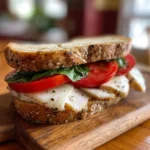
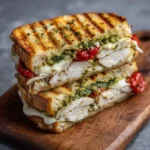
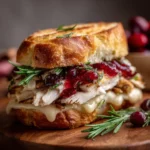
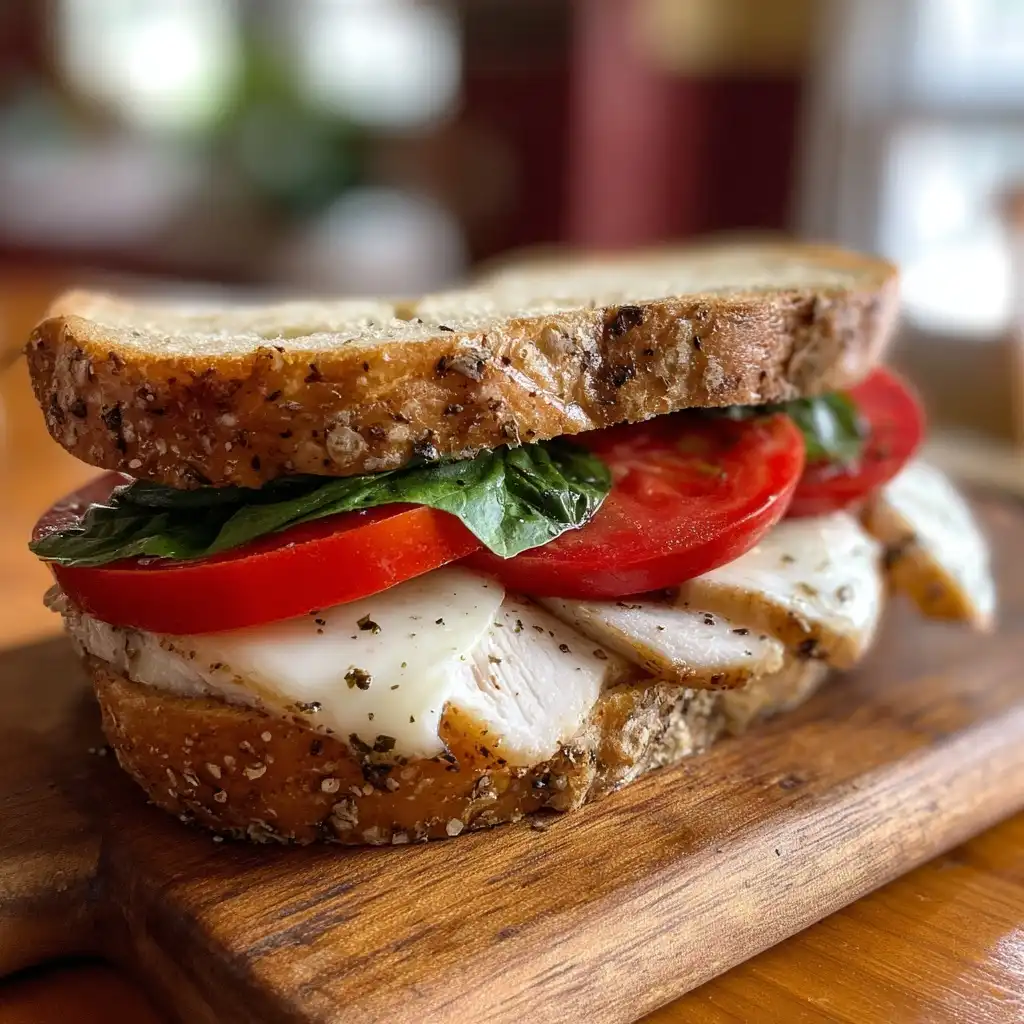
The Turkey Caprese Sandwich is a masterful fusion of Italian elegance and American deli practicality—a refreshing, vibrant, and deeply satisfying handheld meal that reimagines the classic Caprese salad as a hearty, protein-packed lunch staple. Far more than just sliced turkey and mozzarella between bread, this sandwich celebrates balance: the clean sweetness of ripe tomatoes, the creamy richness of fresh mozzarella, the herbal brightness of basil, the subtle tang of balsamic glaze, and the savory depth of high-quality roasted turkey breast—all anchored by artisanal bread with just the right texture and structure. Whether served chilled for a picnic, toasted for cozy comfort, or deconstructed as a gourmet lunch bowl, the Turkey Caprese Sandwich bridges tradition and innovation, offering both nostalgic familiarity and contemporary culinary flair. Its growing popularity across cafes, meal-prep communities, and health-conscious households speaks to its versatility, visual appeal, and ability to deliver restaurant-quality flavor with accessible ingredients and minimal effort.
The History
While no single chef or café can claim definitive authorship, the Turkey Caprese Sandwich emerged organically in the early 2000s as part of a broader culinary movement toward “deconstructed classics” and cross-cultural ingredient synergy. Its lineage traces back to two iconic sources: the Insalata Caprese, a centuries-old Southern Italian antipasto from Capri—traditionally composed of thick slices of San Marzano tomatoes, buffalo mozzarella di bufala, fresh basil leaves, extra-virgin olive oil, flaky sea salt, and sometimes a whisper of black pepper—and the American cold-cut sandwich culture, epitomized by the humble turkey-and-cheese lunchbox staple. As artisanal food trends gained momentum—fueled by the Slow Food movement, the rise of farmers’ markets, and increased availability of premium deli meats and fresh mozzarella—the natural pairing of roasted turkey (a lean, mild-flavored protein) with Caprese components became an intuitive evolution. Early iterations appeared in boutique cafés in Portland, Austin, and Brooklyn, where chefs began layering thinly sliced oven-roasted turkey over warm ciabatta brushed with garlic-infused olive oil, then topping it with heirloom tomato ribbons, house-pulled mozzarella, and basil chiffonade. The addition of balsamic reduction—popularized in U.S. fine dining in the late 1990s—elevated the sandwich from rustic to refined. By the mid-2010s, food bloggers and registered dietitians championed it as a “clean-eating lunch hero,” cementing its status as a modern pantry essential. Today, it’s a menu mainstay at Whole Foods Market delis, featured in Martha Stewart Living spreads, and routinely adapted by home cooks seeking flavor without compromise.
Ingredients Breakdown
Every exceptional Turkey Caprese Sandwich begins not with technique—but with intentionality behind each ingredient. Below is a comprehensive, chef-level breakdown—including why each component matters, ideal varietals, sourcing tips, and functional roles:
- Roasted Turkey Breast: Opt for nitrate-free, minimally processed, slow-roasted turkey breast—preferably sliced thin (⅛-inch) for tenderness and even distribution. Look for brands that brine naturally (with sea salt, rosemary, and black pepper) rather than injecting phosphates. Organic or pasture-raised options offer superior moisture retention and richer umami notes. Avoid pre-sliced deli turkey packed in liquid—it tends to be waterlogged and bland. Roasting your own turkey breast (herb-rubbed, roasted at 325°F until 165°F internal temp, then chilled and sliced) yields unmatched depth and control over sodium and seasoning.
- Fresh Mozzarella: Use mozzarella di bufala (buffalo milk) for luxurious creaminess and subtle tang—or high-quality fior di latte (cow’s milk) for milder, milky sweetness and firmer sliceability. It must be packed in whey or spring water and consumed within 48–72 hours of opening. Never substitute low-moisture shredded mozzarella—it lacks the delicate curd structure and lactic brightness essential to the Caprese profile. For optimal melting when toasted, pat slices dry with paper towels before assembly.
- Tomatoes: Heirloom varieties (Brandywine, Cherokee Purple, Green Zebra) offer complex sugar-acid balance and aromatic intensity—but peak-season Beefsteak or vine-ripened Roma tomatoes work beautifully too. Key criteria: deep red (or varietal-appropriate) hue, taut but slightly yielding skin, fragrant stem end, and heavy-for-size weight indicating juice density. Always slice tomatoes at room temperature and season immediately with flaky sea salt to draw out excess moisture and concentrate flavor.
- Fresh Basil: Genovese basil is non-negotiable—its large, tender leaves boast sweet anise and clove notes without bitterness. Thai or lemon basil lack the floral nuance required. Pick leaves just before assembly; avoid washing until seconds before use (excess water dilutes flavor and encourages sogginess). Stack whole leaves or chiffonade finely for even herb distribution.
- Artisan Bread: A sturdy-yet-supple vehicle is critical. Ciabatta (with open crumb and crisp, blistered crust), sourdough boule (medium acidity, chewy interior), or a seeded multigrain with sunflower and flax provide structural integrity without overwhelming the fillings. Avoid soft, cottony sandwich loaves—they collapse under moisture. For toasting, lightly brush cut sides with extra-virgin olive oil or garlic-infused oil before griddling or pan-toasting to golden crispness.
- Balsamic Glaze (Reduction): Not vinegar—this is a slow-simmered, syrupy condiment made from authentic Modena DOP balsamic vinegar (aged ≥12 years) reduced by 60–70% until viscous and glossy. It delivers sweet-tart complexity, glossy sheen, and a velvety mouthfeel. Store-bought glazes often contain caramel color, corn syrup, and thickeners—opt instead for small-batch brands like Villa Manodori or make your own (simmer 1 cup aged balsamic + 2 tbsp honey 18–22 min until coats spoon).
- Extra-Virgin Olive Oil: A finishing-grade oil—fruity, peppery, and grassy—is essential. Look for harvest-date labels (within 12 months) and certifications like COOC (California Olive Oil Council) or DOP (Italy). Drizzle sparingly over tomatoes and mozzarella to emulsify flavors and enhance fat-soluble aromatics.
- Finishing Salt & Freshly Cracked Black Pepper: Maldon sea salt flakes provide delicate crunch and clean salinity; avoid iodized table salt. Tellicherry or Lampong black peppercorns, cracked just before serving, contribute warm, resinous spice that complements basil’s anise.
Step-by-Step Recipe
- Prep the Components (15 minutes): Remove turkey and mozzarella from refrigerator 10 minutes before assembly to temper. Slice tomatoes ¼-inch thick on a sharp, serrated knife—place on triple-layered paper towels, sprinkle generously with flaky sea salt, and let drain 5 minutes. Pat dry thoroughly. Slice mozzarella into ⅛-inch rounds; blot gently with paper towel. Wash and dry basil leaves individually using a salad spinner lined with cloth napkin. Toast bread (optional but recommended): heat cast-iron skillet over medium-low, brush cut sides with olive oil, toast 2–3 minutes per side until golden and crisp-edged.
- Build the Foundation (3 minutes): Lay bottom bread slice on cutting board. Lightly drizzle with ½ tsp high-quality EVOO. Arrange half the turkey slices in overlapping, slightly ruffled layer—cover entire surface without gaps. Season turkey lightly with black pepper only (salt is added later via tomatoes and finishing salt).
- Add the Caprese Trio (4 minutes): Layer tomato slices tightly over turkey, slightly overlapping in a circular or linear pattern. Sprinkle each tomato slice with a tiny pinch of flaky salt (this enhances natural sweetness and balances acidity). Nestle mozzarella rounds directly over tomatoes, ensuring full coverage—press gently to adhere. Tuck whole basil leaves between mozzarella and tomato or scatter chiffonade evenly across the top.
- Finish with Elegance (2 minutes): Drizzle 1 tsp balsamic glaze in zigzag pattern over mozzarella and basil. Follow with another light, even drizzle of EVOO (¼ tsp). Finish with a final flourish of flaky sea salt and 3–4 turns of freshly cracked black pepper. Optional luxury touch: microplaned lemon zest or a few drops of lemon-infused olive oil.
- Cap and Serve (1 minute): Place top bread slice gently over filling. Press down *very* lightly with palm—just enough to unify layers without squeezing out juices. Slice diagonally with a serrated knife using gentle sawing motion. Serve immediately on chilled ceramic plate with side of mixed greens tossed in lemon-Dijon vinaigrette—or wrap tightly in parchment paper for portable enjoyment.
Tips
- Temperature Harmony: Never assemble cold turkey with cold mozzarella and room-temp tomatoes—it creates textural dissonance. Bring all components within 5–10°F of each other (ideally 62–68°F) for cohesive mouthfeel.
- Slice Thickness Science: Tomato slices thicker than ¼-inch release too much juice; thinner than ⅛-inch lack structural integrity and flavor concentration. Invest in a mandoline for uniformity (use guard!).
- Moisture Management Mastery: Excess tomato water is the #1 sandwich saboteur. Salting-and-draining is non-negotiable. For make-ahead prep, store sliced tomatoes in a single layer on paper towels in airtight container—refrigerate up to 8 hours.
- Toasting Transformation: Toasting isn’t just about crunch—it seals the bread’s pores, creating a moisture barrier. For maximum effect, toast *after* assembling (open-faced), then close and serve warm—or use a panini press set to medium for 90 seconds (no oil needed).
- Balsamic Timing: Add glaze *only* after mozzarella and basil are layered—not before. If applied too early, it can cause mozzarella to weep or basil to darken.
- Knife Discipline: Use a long, thin, serrated bread knife (e.g., Wüsthof Classic 10″) and cut with slow, steady strokes—not downward pressure. Wipe blade clean between cuts for pristine presentation.
- Rest Before Serving: Let assembled sandwich rest 2 minutes at room temperature before slicing. This allows flavors to marry and EVOO/balsamic to permeate subtly—without making bread soggy.
- Visual Storytelling: For photography or special occasions, arrange tomato-mozzarella-basil stacks vertically on plate, drizzle glaze artistically, and garnish with edible flowers (nasturtiums, pansies) or basil blossoms.
Variations and Customizations
The Turkey Caprese Sandwich is gloriously adaptable—serving as a canvas for seasonal produce, dietary needs, global accents, and culinary experimentation. Below are thoughtfully curated variations, each preserving the core Caprese essence while expanding its expressive range:
- Heritage Grain & Roasted Veggie: Substitute multigrain levain for ciabatta. Add 2–3 thin slices of roasted zucchini, eggplant, or bell pepper (tossed in rosemary-infused olive oil, roasted at 425°F for 15 min). Swap basil for marjoram or oregano for earthy depth.
- Avocado-Enhanced Creaminess: Layer ¼-inch slices of Hass avocado beneath mozzarella. Adds buttery richness and healthy fats—balance with extra black pepper and a squeeze of lime instead of balsamic.
- Spicy Arugula Twist: Replace half the basil with baby arugula (peppery, nutty) and add 1–2 thin slices of pickled jalapeño or Calabrian chili paste. Drizzle with lemon-thyme vinaigrette instead of balsamic.
- Mediterranean Mezze Style: Incorporate kalamata olives (pitted, halved), crumbled feta (in place of half the mozzarella), and a swipe of roasted red pepper hummus on the bottom bread. Garnish with dried oregano and lemon zest.
- Breakfast Caprese Croissant: Use warm, buttery almond croissant. Add a soft-scrambled egg or fried egg (runny yolk encouraged), swap turkey for smoked turkey or prosciutto, and finish with chive blossoms.
- Vegan “Caprese” Reimagining: Replace turkey with marinated tempeh or grilled portobello caps; mozzarella with house-made cashew mozzarella (blended raw cashews, lemon juice, nutritional yeast, tapioca starch, set with agar); tomatoes and basil remain star players. Balsamic glaze stays—add hemp seed “parmesan” for umami crunch.
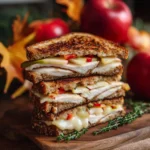
- Apple & Walnut Autumnal: Feature paper-thin Honeycrisp apple slices, toasted walnut halves, and a smear of fig jam on the bottom bread. Use aged provolone instead of mozzarella for sharper contrast. Basil becomes thyme or sage.
- Deconstructed Caprese Bowl: Skip bread entirely. Layer quinoa or farro base, fan turkey slices, scatter tomato-mozzarella-basil “nests,” top with balsamic pearls, toasted pine nuts, and a lemon-tahini drizzle. Perfect for gluten-free or low-carb lifestyles.
- Smoked Gouda & Pear: Swap mozzarella for smoked gouda (creamy, caramelized notes) and tomatoes for ripe Bartlett pear slices. Add whole-grain mustard aioli and frisée lettuce for bitter counterpoint.
- Everything Bagel Crunch: Use everything bagel-seasoned focaccia. Top finished sandwich with everything bagel seasoning, sesame seeds, and a schmear of whipped goat cheese blended with chives.
Health Considerations and Nutritional Value
A thoughtfully constructed Turkey Caprese Sandwich is not only delicious—it’s a nutrient-dense, balanced meal aligned with evidence-based wellness principles. Here’s a detailed analysis based on a standard 6-inch sandwich (using 4 oz nitrate-free turkey, 3 oz fresh mozzarella, 1 medium heirloom tomato, 10 basil leaves, 1.5 oz ciabatta, 1 tsp EVOO, 1 tsp balsamic glaze):
- Calories & Macronutrients: ~485 kcal | Protein: 34g (excellent complete source—turkey provides all 9 essential amino acids; mozzarella adds casein and whey) | Total Fat: 22g (mostly monounsaturated from EVOO and mozzarella—supports heart health and satiety) | Carbs: 36g (complex carbs from whole-grain bread; natural sugars from tomato and balsamic; fiber: ~4g)
- Vitamins & Minerals: Exceptionally rich in Vitamin K (from basil and tomato—supports bone metabolism and blood clotting), Vitamin C (tomato—immune support and collagen synthesis), Calcium (mozzarella—90% DV per serving), Zinc (turkey—wound healing and immune function), and Lycopene (tomato—potent antioxidant linked to reduced risk of prostate cancer and cardiovascular disease). Basil contributes magnesium and iron; EVOO offers polyphenols like oleocanthal (natural anti-inflammatory).
- Glycemic Impact: Low-to-moderate glycemic load (~12) due to high protein/fat content slowing carb absorption—ideal for sustained energy and blood sugar stability. Choose sprouted grain or sourdough bread to further lower glycemic response.
- Dietary Accommodations: Naturally gluten-free if served on gluten-free artisan loaf or lettuce wrap; dairy-free options available (see Vegan variation); low-FODMAP compliant when using lactose-free mozzarella and limiting tomato to 1/3 cup; keto-friendly with cloud bread or portobello “buns” and increased healthy fats.
- Considerations & Modifications: Sodium content (~620mg) is moderate—reduce by omitting added salt and choosing low-sodium turkey (check labels: aim for <350mg per 2 oz serving). For hypertension management, boost potassium with spinach or avocado. Those with histamine sensitivity should consume fresh mozzarella within 24 hours and avoid aged cheeses. Individuals managing cholesterol can enjoy freely—recent research confirms dietary cholesterol has minimal impact on serum levels for most people; focus remains on saturated fat moderation (mozzarella contains only 5g sat fat per 3 oz).
- Functional Benefits: The synergistic combination supports gut health (polyphenols + prebiotic fiber), reduces oxidative stress (lycopene + vitamin C + olive oil phenolics), and promotes satiety (high-protein, high-fiber, high-volume vegetables)—making it a powerful tool for mindful eating and weight-neutral nutrition.
Ingredients
- 4 ounces nitrate-free, slow-roasted turkey breast, thinly sliced (about 8–10 slices)
- 3 ounces fresh mozzarella di bufala or fior di latte, sliced ⅛-inch thick (about 6–8 rounds)
- 1 large, ripe heirloom or beefsteak tomato (approx. 8 oz), sliced ¼-inch thick
- 10–12 large, fresh Genovese basil leaves (or 1 tbsp finely chiffonaded)
- 2 slices artisan ciabatta, sourdough boule, or seeded multigrain bread (each approx. 3.5 oz)
- 1 teaspoon premium extra-virgin olive oil (fruity, peppery profile)
- 1 teaspoon aged balsamic glaze (not vinegar—thick, syrupy, naturally sweetened)
- ¼ teaspoon flaky sea salt (e.g., Maldon), plus additional for tomatoes
- 10 turns freshly cracked black pepper (Tellicherry preferred)
- Optional enhancements: microplaned lemon zest, toasted pine nuts, arugula, balsamic pearls
Directions
- Prepare all ingredients: Remove turkey and mozzarella from refrigerator 10 minutes before assembly. Slice tomato and place on triple-layered paper towels. Sprinkle each slice generously with flaky sea salt and let drain 5 minutes. Pat dry thoroughly with fresh paper towels. Slice mozzarella and blot gently. Wash and spin-dry basil leaves. Preheat cast-iron skillet or panini press if toasting.
- Toast the bread: Brush cut sides of bread lightly with olive oil. Heat skillet over medium-low heat. Toast bread 2–3 minutes per side until golden brown and crisp-edged. Transfer to wire rack to cool slightly (1 minute).
- Build the base: Place one toasted bread slice on a clean work surface. Drizzle with ½ tsp olive oil. Layer turkey slices evenly across surface, slightly overlapping.
- Layer the Caprese: Arrange tomato slices over turkey in tight, overlapping formation. Sprinkle each tomato slice with a tiny pinch of flaky salt. Place mozzarella rounds directly over tomatoes, covering completely. Tuck whole basil leaves between layers or scatter chiffonade over top.
- Finish elegantly: Drizzle balsamic glaze in a zigzag pattern. Add remaining ½ tsp olive oil in thin stream. Finish with flaky sea salt and freshly cracked black pepper.
- Cap and serve: Gently place second toasted bread slice on top. Press down very lightly with palm. Using a long serrated knife, cut sandwich diagonally. Serve immediately on chilled plate—or wrap in parchment paper for transport. Best enjoyed within 30 minutes of assembly for optimal texture and freshness.
FAQ
- Can I make this sandwich ahead of time?
- For best quality, assemble no more than 30 minutes before serving. However, you can prep components separately up to 1 day ahead: slice and salt-drain tomatoes (store on paper towels in airtight container, refrigerated); slice turkey and mozzarella (layer between parchment, refrigerate); wash and dry basil (store wrapped in damp cloth in sealed container). Assemble fresh.
- What’s the best bread for a Turkey Caprese Sandwich?
- Ciabatta is ideal—its open crumb absorbs dressings without disintegrating, while the crisp crust provides structural integrity. Sourdough offers superior tang and chew; seeded multigrain adds nutty complexity and fiber. Avoid soft, enriched white breads—they become mushy.
- Can I toast this sandwich in a panini press?
- Absolutely—and highly recommended! Preheat press to medium. Assemble open-faced (bottom bread + turkey + tomatoes + mozzarella + basil), close press gently, and cook 90–120 seconds until bread is deeply golden and cheese is just beginning to soften. Add glaze and oil *after* pressing, then cap with top bread.
- Is fresh mozzarella the same as mozzarella balls in water?
- Yes—if labeled “fresh mozzarella,” “mozzarella di bufala,” or “fior di latte” and packed in whey or water. Avoid “shredded mozzarella,” “low-moisture mozzarella,” or “pizza mozzarella”—these are dried, aged, and lack the delicate, milky flavor and tender texture essential to Caprese.
- Why does my sandwich get soggy?
- Sogginess almost always stems from unmanaged tomato moisture. Always salt-and-drain tomatoes, then pat *thoroughly* dry. Also ensure mozzarella is blotted and bread is properly toasted—creating a moisture barrier. Never assemble with cold, wet ingredients.
- Can I use dried basil?
- No. Dried basil lacks volatile oils responsible for the signature anise-clove aroma and cannot replicate the textural freshness vital to Caprese. Frozen basil loses flavor and turns slimy. Fresh is non-negotiable.
- What wine pairs best with this sandwich?
- A chilled, high-acid Italian white: Vermentino (Sardinia) for citrusy lift; Falanghina (Campania) for floral notes and minerality; or a light, unoaked Pinot Grigio. For red lovers, choose a chilled Barbera d’Asti—bright cherry, low tannins, vibrant acidity.
- How do I keep the basil from turning black?
- Wash basil only seconds before use—never soak. Dry completely in a salad spinner lined with lint-free cloth. Store unwashed, stems in water like flowers, covered loosely with plastic, in fridge (up to 5 days). Never refrigerate washed, wet leaves.
- Can I grill the turkey first for extra flavor?
- Yes! Lightly sear thin turkey slices in olive oil over medium-high heat for 45 seconds per side—just until marked and warmed through. Cool slightly before assembling. Adds smoky depth without drying.
- Is this sandwich suitable for kids?
- Yes—with simple modifications: omit black pepper, reduce balsamic glaze to ½ tsp (or skip), use mild cow’s milk mozzarella, and consider fun shapes (use cookie cutters on toasted bread). Many children love the mild, creamy, juicy profile—especially when presented with colorful heirloom tomatoes.
Summary
The Turkey Caprese Sandwich is a harmonious celebration of simplicity, seasonality, and sophisticated flavor layering—where premium roasted turkey meets sun-ripened tomatoes, creamy fresh mozzarella, fragrant basil, and luscious balsamic glaze on artisanal toasted bread.
It’s nutritionally balanced, endlessly customizable, steeped in culinary tradition yet vibrantly modern, and delivers gourmet satisfaction with approachable technique—making it a timeless, versatile, and deeply rewarding addition to any meal repertoire.