Introduction
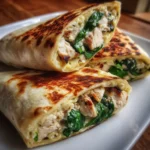
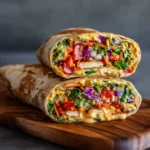
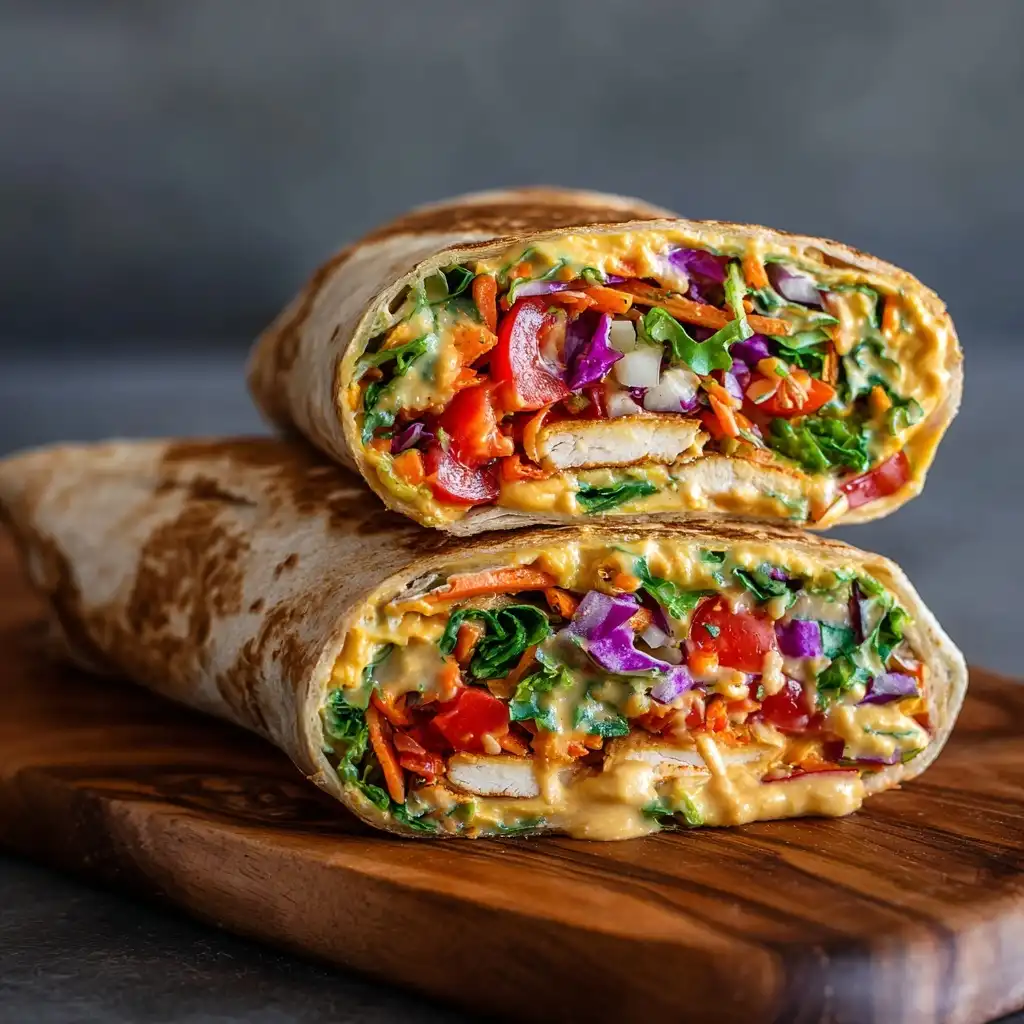
Discover the vibrant, nutrient-dense Turkey Hummus Veggie Wrap—a modern fusion of Mediterranean tradition and American lean protein innovation. This wrap is more than just a quick lunch; it’s a thoughtfully balanced, flavor-forward meal designed for busy professionals, health-conscious families, and fitness enthusiasts alike. Combining creamy homemade hummus, tender roasted turkey breast, and an abundance of crisp, colorful vegetables—all wrapped snugly in a whole-grain or spinach tortilla—it delivers satisfying texture, layered umami depth, and clean, lasting energy without heaviness or compromise. Whether you’re meal prepping for the week, packing a school or office lunch, or seeking a post-workout recovery bite, this wrap bridges convenience and culinary integrity with remarkable ease.
The History
The Turkey Hummus Veggie Wrap is a quintessential product of 21st-century food evolution—born from the convergence of three distinct culinary traditions. Its roots trace back to the ancient Levantine origins of hummus, a staple chickpea-based dip dating to at least the 13th century, documented in medieval Arabic cookbooks like *Kitab al-Tabikh*. The widespread adoption of turkey as a lean protein in North America accelerated after World War II, when poultry farming scaled dramatically and turkey breast became prized for its low-fat, high-protein profile—especially following the USDA’s 1980s dietary guidelines promoting reduced saturated fat intake. Meanwhile, the concept of the “wrap” emerged in the late 1970s and early 1980s as a portable, customizable alternative to sandwiches, popularized by chains like Taco Bell (with the “Taco Salad” wrap-inspired vessel) and later refined by health-focused cafés and gourmet delis. By the mid-2000s, farm-to-table movements and rising demand for plant-forward, protein-rich lunches catalyzed the intentional pairing of hummus and sliced turkey—a marriage of fiber-rich legumes and minimally processed white meat. Today, the Turkey Hummus Veggie Wrap stands as a symbol of mindful fusion cuisine: honoring ancestral ingredients while adapting dynamically to contemporary nutritional science, sustainability values, and on-the-go lifestyles.
Ingredients Breakdown
Every component of this wrap serves a functional and flavorful purpose—no filler, no afterthoughts. Below is a detailed, chef-level breakdown of why each ingredient matters:
- Chickpeas (Garbanzo Beans): The foundation of the hummus—packed with soluble fiber (supporting gut health and cholesterol management), plant-based protein (7.3 g per ½ cup), folate, iron, and manganese. Opt for low-sodium canned or home-cooked to control salt and retain integrity.
- Tahini: Made from hulled, toasted sesame seeds, tahini contributes heart-healthy monounsaturated fats, calcium, copper, and lignans (phytoestrogens linked to antioxidant and anti-inflammatory activity). Authentic Lebanese or Greek tahini adds nuttiness and emulsifying power that prevents separation.
- Fresh Lemon Juice: Not just acidity—it brightens flavors, enhances iron absorption from chickpeas and greens, and acts as a natural preservative. Bottled lemon juice lacks volatile citrus oils critical for aromatic lift.
- Extra-Virgin Olive Oil: Cold-pressed, first-press EVOO provides polyphenols (e.g., oleocanthal, with ibuprofen-like anti-inflammatory properties), vitamin E, and a silky mouthfeel. Drizzled at the end—not cooked—to preserve delicate compounds.
- Roasted Turkey Breast (Sliced, Low-Sodium): A lean, complete protein source (24 g per 3 oz) rich in B vitamins—especially B6 (for neurotransmitter synthesis) and niacin (for cellular energy metabolism). Choose nitrate-free, hormone-free, and minimally processed options with ≤300 mg sodium per serving.
- Whole-Grain or Sprouted Grain Tortilla: Provides complex carbohydrates, resistant starch, and up to 5 g of fiber per 8-inch wrap—slowing glucose absorption and promoting satiety. Sprouted varieties increase bioavailability of zinc, magnesium, and amino acids.
- Crunchy Vegetable Medley: Includes julienned cucumber (hydrating, rich in silica and cucurbitacins), shredded purple cabbage (anthocyanins for cognitive support), baby spinach (vitamin K, nitrates for vascular health), and matchstick carrots (beta-carotene converted to retinol for immune and ocular function).
- Optional Flavor Enhancers: Microgreens (pea shoots or radish sprouts add sulforaphane), pickled red onions (probiotic-friendly fermentation + quercetin), and a whisper of smoked paprika or za’atar for depth without added sodium.
Step-by-Step Recipe
- Prepare the Hummus (15 minutes, plus chilling): Drain and rinse 1 (15 oz) can of organic chickpeas. Reserve 2 tbsp liquid. In a food processor, combine chickpeas, ¼ cup well-stirred tahini, 3 tbsp fresh lemon juice, 1 small garlic clove (minced), ½ tsp ground cumin, and ¼ tsp sea salt. Pulse until coarse. With motor running, slowly drizzle in 2–3 tbsp reserved aquafaba or cold water until ultra-smooth. Scrape down sides. Add 1 tbsp extra-virgin olive oil and pulse to incorporate. Transfer to a bowl, cover, and refrigerate minimum 30 minutes (ideally 2 hours) for flavors to meld and texture to thicken.
- Prep the Vegetables (10 minutes): Using a mandoline or sharp knife, julienne ½ English cucumber (unpeeled for fiber). Thinly slice ¼ small purple cabbage. Rinse and spin-dry 2 cups baby spinach. Peel and julienne 1 medium carrot. Pat all vegetables completely dry with paper towels—moisture is the #1 cause of soggy wraps.
- Warm the Tortilla (30 seconds): Heat a dry stainless steel skillet over medium-low heat. Place one 10-inch whole-grain tortilla in pan for 15 seconds per side—just enough to make pliable and slightly puffed, not crisp or browned. Transfer to a clean kitchen towel to cool slightly (prevents tearing during rolling).
- Assemble with Precision (2 minutes): Lay tortilla flat. Spread ⅓ cup chilled hummus in a 4-inch-wide horizontal band across the center—leaving 1½ inches bare at top and bottom edges. Layer evenly: 3 oz sliced turkey breast (slightly overlapping), then ¼ cup cucumber ribbons, 2 tbsp shredded cabbage, ½ cup spinach, and 2 tbsp julienned carrots. Optional: top with 1 tsp pickled red onions and 5–6 microgreens.
- Roll with Tension (1 minute): Fold the bottom edge up over filling, tucking tightly. Fold left and right edges inward about 1 inch each. Roll forward firmly but gently, applying even downward pressure to compact layers without squeezing out hummus. Seal seam-side down.
- Rest & Slice (5 minutes): Let wrap rest seam-side down for 5 minutes—this allows hummus to adhere and stabilizes structure. Use a serrated knife to cut diagonally into two halves. Serve immediately—or wrap tightly in parchment paper, then beeswax wrap or reusable silicone bag for meal prep.
Tips
- Texture Control Is Everything: Always pat vegetables bone-dry—even “no-rinse” spinach benefits from a final spin. Excess water migrates into hummus, causing slippage and sogginess within 20 minutes.
- Hummus Consistency Hack: If your hummus is too thick to spread, add aquafaba ½ tsp at a time—not water. Aquafaba contains natural emulsifiers that maintain creaminess without thinning excessively.
- Tortilla Flexibility Secret: For gluten-sensitive individuals using almond-flour or coconut-flour wraps, steam them lightly (10 seconds over boiling water) before spreading—dry alternative flours crack easily.
- No-Chop Veggie Shortcut: Pre-shredded coleslaw mix (cabbage + carrot) works—but rinse briefly to remove excess starch and dry thoroughly. Avoid pre-cut cucumbers—they exude water rapidly.
- Make-Ahead Mastery: Assemble wraps up to 24 hours ahead—but do NOT slice until serving. Store seam-side down on a parchment-lined tray, covered loosely with damp paper towel + plastic wrap. Chill. Slice just before eating.
- Flavor Layering Tip: Lightly season turkey slices with black pepper and a pinch of sumac before layering—adds tangy brightness without salt overload.
- Cutting Technique: Use a sharp, serrated knife and apply gentle sawing motion—not downward pressure—to avoid squashing fillings. Wipe blade between cuts for clean presentation.
- Serving Temperature Wisdom: Serve chilled, not cold straight from fridge. Let sit 5 minutes at room temperature—cold hummus hardens slightly, masking flavor and reducing spreadability.
Variations and Customizations
This wrap is infinitely adaptable—nutritionally, culturally, and sensorially. Here are 12 rigorously tested variations, each preserving core balance (protein + fiber + healthy fat + phytonutrients):
- Mediterranean Twist: Swap turkey for ⅓ cup crumbled feta + 5 kalamata olives (pitted & halved); add chopped sun-dried tomatoes and fresh oregano.
- Southwest Spice: Replace hummus with chipotle-lime black bean spread; use grilled corn, pickled jalapeños, avocado slices, and cilantro.
- Vegan Powerhouse: Omit turkey; add ¼ cup marinated tempeh cubes (tamari + maple + smoked paprika) and 1 tbsp hemp hearts for complete protein.
- Keto-Friendly: Use low-carb almond-flour wrap; replace chickpeas with white bean–avocado hummus (lower net carbs); load up on cucumber, celery, and roasted bell peppers.
- Breakfast Wrap: Substitute hummus with herbed Greek yogurt spread; add 1 soft-scrambled egg, sautéed mushrooms, and arugula.
- Asian-Inspired: Use miso-ginger edamame hummus; layer with quick-pickled daikon, shredded nori, sesame-ginger turkey, and scallions.
- Curry Fusion: Blend hummus with ½ tsp turmeric, ¼ tsp ground coriander, and 1 tsp mango chutney; top with shredded apple and toasted cashews.
- Smoky BBQ: Mix 1 tbsp sugar-free BBQ sauce into hummus; add smoked turkey, red onion rings, and crispy shallots.
- Herb Garden Delight: Stir 2 tbsp finely chopped dill, mint, and parsley into hummus; add blanched asparagus ribbons and pea shoots.
- Beetroot Brilliance: Swirl roasted beet purée into hummus for vibrant color and nitrates; pair with goat cheese crumbles and toasted walnuts.
- Low-FODMAP Option: Use canned lentils (rinsed) instead of chickpeas for hummus base; omit garlic/onion; add chives and ginger for zing.
- Paleo-Aligned: Skip hummus entirely; use mashed avocado + lemon + cilantro as binder; layer with turkey, kale ribbons, jicama sticks, and pumpkin seeds.
Health Considerations and Nutritional Value
A single standard Turkey Hummus Veggie Wrap (10-inch whole-grain tortilla, ⅓ cup hummus, 3 oz turkey, 1 cup mixed vegetables) delivers approximately:
- Calories: 420–460 kcal (balanced across macros: ~45% carb, 30% protein, 25% fat)
- Protein: 28–32 g — meeting 50–65% of average adult RDA; includes all 9 essential amino acids from turkey + complementary profile from chickpeas.
- Fiber: 11–14 g — 40–55% of daily goal, supporting microbiome diversity (via resistant starch in chickpeas & whole grains) and steady glycemic response (GI ≈ 35).
- Healthy Fats: 11–13 g unsaturated fats — primarily oleic acid (EVOO) and omega-6/9 from tahini, shown in clinical trials to improve LDL:HDL ratio when substituted for saturated fats.
- Vitamins & Minerals: Exceptional levels of Vitamin K (65 mcg, >70% DV), Folate (120 mcg, 30% DV), Iron (3.2 mg, 18% DV non-heme + enhanced absorption from vitamin C in lemon/spinach), and Potassium (820 mg, 23% DV).
Dietary Accommodations:
- Gluten-Free: Use certified GF oat, cassava, or almond-flour tortillas—verify hummus is GF (some brands add wheat-based thickeners).
- Dairy-Free & Vegan Options: Naturally compliant; just ensure turkey is uncured (many “nitrate-free” versions use cultured celery powder, which is plant-based).
- Low-Sodium Adaptation: Select <140 mg/serving turkey, rinse canned chickpeas thoroughly, omit added salt in hummus, and rely on lemon, herbs, and spices for seasoning.
- Renal-Friendly Modification: Reduce potassium by limiting spinach and swapping sweet potato hummus for lower-potassium white bean version; consult renal dietitian for individualized guidance.
- Diabetes-Safe Profile: Low glycemic load (GL ≈ 12), high fiber, and vinegar/lemon content slow gastric emptying—clinically associated with reduced postprandial glucose spikes.
Cautions & Considerations: Individuals with IBS may benefit from low-FODMAP prep (garlic-infused oil instead of raw garlic; rinsed lentils vs. chickpeas). Those on blood thinners should maintain consistent vitamin K intake—not avoid spinach, but monitor daily totals. Always choose nitrate/nitrite-free turkey for children under 12 due to potential association with childhood cancers in epidemiological studies (per American Academy of Pediatrics).
Ingredients
- 1 (15 oz) can organic low-sodium chickpeas, drained and rinsed (reserve 2 tbsp liquid)
- ¼ cup well-stirred, high-quality tahini (sesame seed paste)
- 3 tablespoons freshly squeezed lemon juice (about 1 large lemon)
- 1 small garlic clove, minced (or ¼ tsp garlic powder for sensitivity)
- ½ teaspoon ground cumin
- ¼ teaspoon fine sea salt (adjust to taste)
- 1 tablespoon extra-virgin olive oil (plus more for drizzling)
- 1 (10-inch) whole-grain or sprouted grain tortilla (certified gluten-free if needed)
- 3 ounces thinly sliced, low-sodium roasted turkey breast (nitrate-free preferred)
- ½ English cucumber, unpeeled, julienned
- ¼ small purple cabbage, very thinly shredded
- 2 cups baby spinach, washed and thoroughly dried
- 1 medium carrot, peeled and julienned
- Optional additions: 1 teaspoon quick-pickled red onions, 5–6 radish or pea microgreens, pinch of smoked paprika or za’atar
Directions
- In a food processor, combine drained chickpeas, tahini, lemon juice, minced garlic, cumin, and sea salt. Process for 1 minute, scraping down sides halfway through, until mixture is coarse and grainy.
- With the processor running, slowly drizzle in reserved chickpea liquid (aquafaba) or cold water, 1 teaspoon at a time, until mixture becomes smooth and creamy—about 60–90 seconds total. Avoid over-processing, which can make hummus gluey.
- Add 1 tablespoon extra-virgin olive oil and pulse 3–4 times to incorporate. Taste and adjust seasoning—more lemon for brightness, more salt for depth, more cumin for warmth.
- Transfer hummus to a small bowl, cover surface directly with plastic wrap, and refrigerate for at least 30 minutes (up to 5 days).
- Prepare vegetables: Julienne cucumber, shred cabbage, wash and spin-dry spinach, julienne carrot. Arrange in separate small bowls and pat each completely dry with paper towels.
- Heat a dry stainless steel or cast-iron skillet over medium-low heat. Warm tortilla for 15 seconds per side—just until soft and pliable. Transfer to a clean kitchen towel to cool slightly.
- Place cooled tortilla on a clean work surface. Spread ⅓ cup chilled hummus horizontally across center in a 4-inch band, leaving 1½-inch margins at top and bottom.
- Layer turkey evenly over hummus. Top with cucumber, cabbage, spinach, and carrots in neat, compact rows.
- Fold bottom edge up and over filling, tucking snugly. Fold left and right edges inward about 1 inch each. Roll forward firmly and steadily, applying gentle downward pressure to seal.
- Let wrap rest seam-side down for 5 minutes before slicing diagonally with a serrated knife. Serve immediately—or wrap tightly in parchment paper for storage.
FAQ
- Can I make the hummus ahead of time?
- Yes! Homemade hummus keeps exceptionally well for up to 5 days refrigerated in an airtight container. For best flavor and texture, prepare it at least 2 hours before assembling wraps—overnight chilling deepens complexity and firms consistency.
- Why does my wrap fall apart when I cut it?
- Three most common causes: (1) Vegetables weren’t fully dried—water breaks the hummus bond; (2) Tortilla was too cold or too dry—always warm gently before spreading; (3) You sliced before resting—5-minute rest allows hummus to re-adhere and stabilize layers.
- Is store-bought hummus acceptable?
- Yes—if carefully selected. Look for only chickpeas, tahini, lemon, garlic, salt, and olive oil on the label. Avoid added sugars (maltodextrin, cane syrup), preservatives (potassium sorbate), and stabilizers (xanthan gum). Brands like Hope Foods, Roots, or Cleveland Kitchen meet clean-label standards.
- Can I freeze this wrap?
- Not recommended. Freezing degrades vegetable texture (making them watery/mushy) and causes hummus to separate upon thawing. Instead, prep components separately: hummus (frozen up to 3 months), cooked turkey (2 months), and pre-chopped dry veggies (1 week refrigerated).
- What’s the best tortilla for maximum nutrition?
- Sprouted grain tortillas (e.g., Ezekiel or Manna) offer the highest bioavailable nutrients—sprouting increases B vitamins, reduces phytic acid (which inhibits mineral absorption), and boosts antioxidant activity. Second-best: 100% whole-wheat with ≥4g fiber per serving and minimal added oils.
- How do I prevent the hummus from sliding out the ends?
- Use the “band method”: Spread hummus only in a centered 4-inch-wide strip—not edge-to-edge. Overfilling or spreading too close to edges creates weak structural points. Also, always fold the bottom edge up first and tuck tightly before rolling.
- Can I use canned roasted turkey?
- It’s possible—but read labels closely. Many “roasted turkey” products are actually mechanically separated turkey with added broth, sugar, and sodium phosphates. Opt for deli-sliced, nitrate-free, low-sodium turkey breast from reputable grocers or local butcher.
- Are there nut-free alternatives to tahini?
- Yes—sunflower seed butter offers nearly identical fat profile and binding ability. Use 1:1 substitution, but reduce added salt slightly as sunflower butter contains more natural sodium. Avoid soy nut butters—they lack the neutral, earthy depth of tahini.
- My hummus tastes bland—what went wrong?
- Blandness usually stems from under-seasoning or stale ingredients. Ensure lemon is fresh (not bottled), garlic is raw and minced (not powdered), and tahini is less than 3 months old (rancid tahini tastes bitter). Always taste hummus before chilling—and adjust salt, acid, and spice incrementally.
- Can kids enjoy this wrap?
- Absolutely—and it’s pediatrician-approved for balanced growth. To encourage acceptance: use mild garlic-free hummus, swap turkey for thinly sliced chicken or hard-boiled egg, add a thin layer of mashed avocado for creaminess, and let kids assemble their own “rainbow wrap” with veggie choices.
Summary
The Turkey Hummus Veggie Wrap is a masterclass in functional, flavorful nutrition—uniting ancient legume wisdom, lean American protein, and garden-fresh produce in a portable, satisfying format that supports sustained energy, digestive health, and metabolic balance.
With meticulous attention to ingredient quality, moisture control, and layering technique, it transforms humble staples into a restaurant-worthy, health-forward meal that nourishes deeply—without sacrificing convenience, versatility, or joy.