Vanilla Almond Flour Sugar Cookies: A Soft, Chewy, Gluten-Free Delight
The History of Sugar Cookies and the Rise of Almond Flour Baking
Sugar cookies have a rich and sweet history that dates back to the 1700s, originating in Pennsylvania Dutch communities. These early versions were known as “Nazareth Cookies,” named after the town where Moravian settlers first baked them. The original sugar cookies were simple—made with flour, sugar, butter, eggs, and flavorings like vanilla or almond extract—and were prized for their ability to hold shapes, making them perfect for holiday cutouts.
Over time, sugar cookies evolved into a beloved staple during festive seasons, especially Christmas, when families would gather to roll, cut, and decorate them. Their versatility made them ideal for creativity, from simple rounds to elaborate scenes using icing and sprinkles.
The modern twist on this classic comes with dietary awareness and health-conscious baking trends. As gluten-free diets gained popularity—driven by celiac disease, gluten sensitivity, and wellness lifestyles—bakers began experimenting with alternative flours. Among these, almond flour emerged as a superstar. Made from finely ground blanched almonds, it offers a tender crumb, nutty richness, and higher protein and healthy fat content compared to traditional all-purpose flour.
Vanilla almond flour sugar cookies are a delicious fusion of old-world charm and contemporary wellness. They maintain the soft, buttery essence of traditional sugar cookies while offering a grain-free, lower-carb option suitable for paleo, keto (in moderation), and gluten-free eaters. This recipe honors the past while embracing innovation in home baking.
Ingredients Breakdown: What Makes These Cookies Special
Every great cookie starts with quality ingredients. In this almond flour-based version, each component plays a crucial role in texture, flavor, and structure:
- Almond Flour (Blanched): Use super-fine, blanched almond flour—not almond meal—for the best texture. Blanched flour has the skins removed, resulting in a lighter color and smoother consistency. It provides moisture, density, and a subtle nuttiness. Avoid sifting unless your flour is clumpy, as it can dry out the dough.
- Butter (Unsalted): High-fat European-style butter enhances richness and promotes browning. It should be softened to room temperature for easy creaming. For a dairy-free version, use high-quality vegan butter or refined coconut oil (though texture may vary slightly).
- Granulated Sweetener: Since we’re keeping this low-carb friendly, erythritol or monk fruit blend works perfectly. Brands like Swerve or Lakanto offer 1:1 sugar substitutes that don’t spike blood sugar. If you’re not concerned about carbs, regular cane sugar delivers classic sweetness and better browning.
- Egg: One large egg binds the ingredients and adds structure. It also contributes to chewiness and rise. For an egg-free version, a flax egg (1 tbsp ground flaxseed + 3 tbsp water) can work, though results may be more fragile.
- Pure Vanilla Extract: This is non-negotiable. Real vanilla—not imitation—adds depth and warmth. Use at least 1–2 teaspoons; even consider adding a scraped vanilla bean for gourmet flair.
- Baking Soda: A small amount helps the cookies lift slightly and develop a soft center. Too much can leave a metallic taste, so measure precisely.
- Salt: Fine sea salt balances sweetness and enhances overall flavor. Don’t skip it—even in sweet recipes, salt is essential.
- Optional Add-ins: While the base recipe is pure vanilla bliss, you can fold in sugar-free white chocolate chips, chopped toasted almonds, or lemon zest for a twist.
Step-by-Step Recipe: How to Make Perfect Vanilla Almond Flour Sugar Cookies
Making these cookies is simple, but attention to detail ensures bakery-quality results every time.
- Preheat Oven & Prepare Baking Sheets: Preheat your oven to 350°F (175°C). Line two large baking sheets with parchment paper or silicone baking mats. This prevents sticking and ensures even baking.
- Cream Butter and Sweetener: In a large mixing bowl, beat ½ cup (1 stick / 113g) softened unsalted butter with ⅓ cup (65g) granulated sweetener (erythritol/monk fruit blend or cane sugar) using a hand mixer or stand mixer. Cream on medium speed for 2–3 minutes until light, fluffy, and pale yellow. Scrape down the sides as needed.
- Add Egg and Vanilla: Beat in one large egg until fully incorporated. Then mix in 2 teaspoons pure vanilla extract. The mixture should be smooth and emulsified.
- Combine Dry Ingredients: In a separate bowl, whisk together 2 cups (200g) blanched almond flour, ¼ teaspoon baking soda, and ¼ teaspoon fine sea salt. Whisk thoroughly to distribute leavening and salt evenly.
- Gradually Add Dry Mixture: Slowly add the dry ingredients to the wet ingredients, mixing on low speed or folding by hand until just combined. Do not overmix—this can cause the dough to become dense. The dough will be soft, slightly sticky, and resemble playdough.
- Chill the Dough (Optional but Recommended): Cover the bowl and refrigerate for 30–60 minutes. Chilling firms up the butter, prevents excessive spreading, and enhances flavor development. If you’re in a hurry, proceed—but expect slightly flatter cookies.
- Shape the Cookies: Scoop tablespoon-sized portions (about 18–20g each) and roll into smooth balls using your palms. Place them 2 inches apart on the prepared baking sheet. Gently flatten each ball with the palm of your hand or the bottom of a glass dipped in sugar or sweetener to prevent sticking.
- Bake: Bake for 10–12 minutes. The edges should be lightly golden, and the centers set but still soft. They will firm up as they cool. Do not overbake—almond flour cookies go from perfect to dry quickly.
- Cool Completely: Let cookies cool on the baking sheet for 5 minutes before transferring to a wire rack. This allows them to finish setting without breaking.
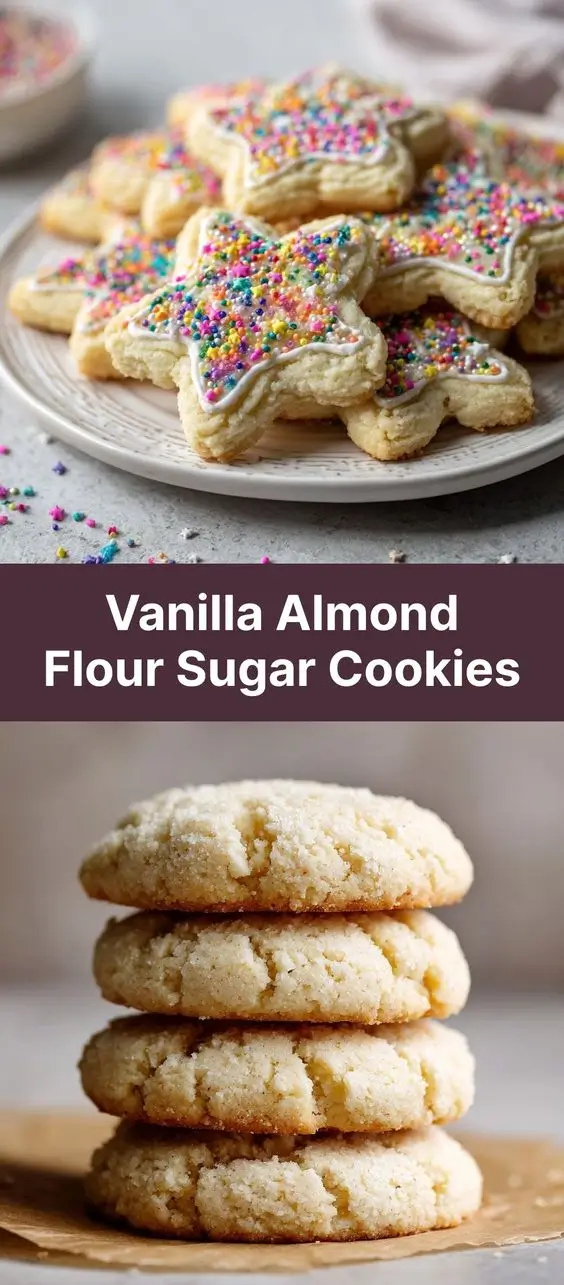
- Optional Glaze or Decoration: Once cooled, drizzle with a simple powdered sugar glaze (mix ½ cup powdered erythritol with 1–2 tsp milk or almond milk and ½ tsp vanilla) or decorate with royal icing for holidays.
Tips for Success: Baking Like a Pro
- Use Room Temperature Ingredients: Cold butter or egg can lead to uneven mixing and dense cookies.
- Don’t Overbake: Almond flour browns faster than wheat flour. Remove cookies when centers look just set—they’ll continue cooking on the tray.
- Weigh Your Almond Flour: Spoon flour into the measuring cup and level off, or better yet, use a kitchen scale. Packed flour leads to dry, gritty cookies.
- Uniform Size = Even Baking: Use a cookie scoop for consistent size and shape.
- Rotate Baking Sheets: Halfway through baking, rotate the pan front-to-back for even heat distribution, especially if your oven has hot spots.
- Double Batch? You can easily double the recipe, but bake in batches to avoid overcrowding the oven.
- Storage Tip: Keep cookies in an airtight container at room temperature for up to 5 days. For longer storage, freeze dough balls and bake as needed.
Variations and Customizations
One of the joys of sugar cookies is their adaptability. Here’s how to make them your own:
- Lemon Vanilla: Add 1 tablespoon finely grated lemon zest and ½ teaspoon lemon extract for a bright, citrusy twist.
- Almond Flavor: Replace half the vanilla extract with pure almond extract for a marzipan-like depth.
- Chocolate Drizzle: Melt sugar-free dark chocolate and drizzle over cooled cookies.
- Spiced Version: Add ¼ teaspoon ground cinnamon, nutmeg, or pumpkin spice for a warm fall flavor.
- Stained Glass Cookies: Press crushed sugar-free hard candies into the center of flattened dough balls before baking—the candy melts into a colorful “window.”
- Holiday Cutouts: Roll chilled dough between parchment sheets and use cookie cutters. Note: Almond flour dough is more delicate, so handle gently and chill again before baking.
- Mini Cookies: Make smaller 1-teaspoon cookies for parties or cookie platters—reduce baking time to 8–9 minutes.
- Protein Boost: Add 1–2 tablespoons unflavored collagen peptides or almond flour-based protein powder (not whey, which may curdle).
Health Considerations and Nutritional Value
These vanilla almond flour sugar cookies are a smarter choice for many diets:
- Gluten-Free: Naturally free from gluten, making them safe for celiacs and gluten-sensitive individuals—just ensure all ingredients (especially vanilla and baking soda) are certified GF.
- Lower in Carbs: Using erythritol instead of sugar reduces net carbs significantly. Each cookie contains approximately 2–3g net carbs (vs. 10–15g in traditional versions).
- Higher in Healthy Fats: Almond flour is rich in monounsaturated fats, which support heart health and satiety.
- Protein-Packed: With about 2–3g protein per cookie, they’re more filling than standard sugar cookies.
- No Refined Flour: Eliminating white flour avoids blood sugar spikes and supports balanced energy levels.
- Dairy-Free Option: Substitute butter with plant-based alternatives to make them vegan-friendly.
Nutrition Estimate (per cookie, makes ~18 cookies):
| Calories | 95 kcal |
|---|---|
| Total Fat | 8g |
| Saturated Fat | 3g |
| Cholesterol | 18mg |
| Carbohydrates | 4g |
| Dietary Fiber | 1.5g |
| Sugars (Net) | 1.5g (with erythritol) |
| Protein | 2.5g |
Note: Values vary based on sweetener and butter used. Always check labels if managing specific conditions like diabetes or nut allergies.
Ingredients
- ½ cup (113g) unsalted butter, softened
- ⅓ cup (65g) granulated erythritol, monk fruit blend, or cane sugar
- 1 large egg
- 2 teaspoons pure vanilla extract
- 2 cups (200g) super-fine blanched almond flour
- ¼ teaspoon baking soda
- ¼ teaspoon fine sea salt
Directions
- Preheat oven to 350°F (175°C). Line baking sheets with parchment paper.
- In a large bowl, cream butter and sweetener until light and fluffy (2–3 minutes).
- Beat in egg and vanilla extract until smooth.
- In a separate bowl, whisk almond flour, baking soda, and salt.
- Gradually mix dry ingredients into wet until a soft dough forms.
- Chill dough for 30–60 minutes (optional but recommended).
- Roll dough into 1-tablespoon balls and place on baking sheet, 2 inches apart.
- Flatten gently with your hand or glass bottom.
- Bake 10–12 minutes until edges are golden and centers set.
- Cool on sheet for 5 minutes, then transfer to wire rack.
- Decorate if desired and store in an airtight container.
FAQ
Can I use almond meal instead of almond flour?
It’s not recommended. Almond meal is coarser and includes skins, which can result in a grainy texture and darker color. Stick with blanched, super-fine almond flour for best results.
Why did my cookies spread too much?
Common causes include warm dough, melted butter, or skipping the chill step. Also, too much egg or sweetener can increase moisture. Always measure accurately and chill if needed.
Can I freeze the dough?
Absolutely! Portion into balls and freeze on a tray, then transfer to a bag. Bake straight from frozen—add 1–2 minutes to baking time.
Are these cookies keto-friendly?
Yes, when made with low-carb sweeteners and without added sugars. At ~2–3g net carbs per cookie, they fit well in a ketogenic lifestyle in moderation.
How do I make them puffier?
For thicker cookies, chill the dough overnight and avoid flattening too much before baking. You can also add an extra tablespoon of almond flour if the dough feels too soft.
Can I use honey or maple syrup?
Not recommended. Liquid sweeteners change the dough’s moisture balance and may cause spreading or gumminess. Stick to dry granulated options.
Why are my cookies dry or crumbly?
Overmeasuring almond flour or overbaking are the usual culprits. Use a scale, don’t pack the flour, and watch baking time closely.
Summary
Indulge in soft, buttery vanilla almond flour sugar cookies—gluten-free, low-carb, and bursting with classic flavor. Perfect for holidays, snacks, or sharing with loved ones.
Easy to customize, wholesome, and irresistibly chewy, these cookies prove healthy baking can be just as delicious as the original.