Vanilla Bean Panna Cotta: A Silky Italian Dessert Perfection
Introduction
Vanilla Bean Panna Cotta is a luxurious, velvety dessert that hails from the northern regions of Italy. Revered for its smooth texture and delicate flavor, this no-bake treat has become a favorite in fine dining restaurants and home kitchens alike. Unlike heavier custards or puddings, panna cotta—whose name literally means “cooked cream” in Italian—is light yet rich, with an elegant simplicity that lets high-quality ingredients shine. When made with real vanilla beans, the result is a dessert that’s both fragrant and sophisticated, perfect for special occasions or as an indulgent weeknight treat.
The History
Panna cotta’s origins trace back to the Piedmont region of Italy, nestled in the foothills of the Alps. Traditionally made by farmers using fresh cream, sugar, and gelatin, it was a way to preserve dairy and create a sweet finish to hearty meals. The dessert didn’t gain international fame until the late 20th century, when Italian cuisine began captivating global palates. Originally flavored simply with vanilla or sometimes coffee, modern variations now include fruits, liqueurs, and herbs. Despite its evolution, the essence of panna cotta remains unchanged—a celebration of minimalism, where technique and ingredient quality take center stage.
Cultural Significance
In Italy, panna cotta is often served with seasonal fruit sauces, such as raspberry coulis or caramelized figs. It’s especially popular during summer months, thanks to its cool, refreshing nature. Regional pride surrounds its preparation, with families guarding their own versions passed down through generations. In culinary circles, it’s admired for its technical precision—achieving the perfect wobble without curdling or separating requires patience and attention to detail.
Ingredients Breakdown
The magic of vanilla bean panna cotta lies in its simplicity. Each ingredient plays a crucial role in creating the final texture and flavor profile. Here’s a deep dive into what goes into this exquisite dessert:
- Heavy Cream (Double Cream): The foundation of panna cotta, heavy cream provides richness and body. With a fat content of around 36–40%, it emulsifies beautifully and gives the dessert its signature silkiness. Opt for organic or grass-fed cream if possible for superior taste.
- Whole Milk: While some recipes use only cream, adding a small amount of whole milk helps balance the intensity and adds a subtle softness to the texture. It also makes the dessert slightly lighter without sacrificing creaminess.
- Granulated Sugar: Sweetens the mixture and enhances mouthfeel. The sugar dissolves during heating and contributes to the smooth consistency. Adjust to taste depending on your preference or the sweetness of accompanying sauces.
- Real Vanilla Bean: This is the star. One split vanilla bean pod imparts aromatic vanillin compounds far beyond extract. Scraping the tiny black seeds ensures flecks throughout the panna cotta, delivering bursts of floral, earthy sweetness. Always use Grade A plump beans for best results.
- Unflavored Gelatin: Acts as the setting agent. Derived from animal collagen, it’s essential for achieving the delicate jiggle. Available in powder or sheet (leaf) form, gelatin must be properly bloomed to avoid lumps.
- Water (for blooming gelatin): Used to hydrate powdered or sheet gelatin before incorporation. Cold water prevents premature melting and ensures even dispersion.
- Optional – Vanilla Extract: Can be used in addition to the vanilla bean for deeper flavor, though not necessary if you’re using a premium pod.
- Pinch of Salt: Enhances all flavors and cuts through the sweetness, providing balance.
Step-by-Step Recipe
Ingredients
- 2 cups (480 ml) heavy cream
- ½ cup (120 ml) whole milk
- ⅔ cup (130 g) granulated sugar
- 1 whole vanilla bean (or 1 tbsp pure vanilla extract)
- 2¼ tsp (1 packet / 7g) unflavored powdered gelatin
- 3 tbsp (45 ml) cold water
- Pinch of sea salt
Directions
- Bloom the Gelatin: Pour the cold water into a small bowl. Sprinkle the gelatin evenly over the surface. Let it sit undisturbed for 5–10 minutes until it becomes spongy and opaque. This step rehydrates the gelatin so it dissolves smoothly later.
- Prepare the Vanilla Infusion: Slice the vanilla bean in half lengthwise using a sharp knife. Use the back of the knife to scrape out the seeds. Place both the seeds and the empty pod into a medium-sized saucepan.
- Heat the Dairy Mixture: Add the heavy cream, milk, sugar, and pinch of salt to the saucepan. Warm over medium heat, stirring gently until the sugar dissolves completely. Do not boil yet—just bring it to a gentle simmer (around 180°F/82°C), allowing the vanilla flavor to infuse for about 5–7 minutes. Keep the pod in during heating for maximum extraction.
- Remove from Heat & Add Gelatin: Once infused, remove the saucepan from heat. Discard the vanilla pod (or reserve for making vanilla sugar). Stir the bloomed gelatin into the warm cream mixture until fully dissolved—this should take about 1–2 minutes. Ensure there are no lumps.
- Cool Slightly: Let the mixture cool for 5–10 minutes at room temperature. You want it warm but not hot when pouring into molds to prevent premature setting or skin formation.
- Strain (Optional but Recommended): For ultra-smooth texture, strain the mixture through a fine-mesh sieve into a large measuring cup or spouted bowl. This removes any undissolved particles or stray gelatin bits.
- Pour Into Molds: Carefully pour the liquid into ramekins, glasses, or silicone molds. Traditional serving is in stemmed glassware or small coupes for elegance. Fill to the top—about 4–6 servings depending on size.
- Chill to Set: Transfer the filled containers to the refrigerator. Let them set uncovered for at least 4 hours, preferably overnight. The panna cotta should be firm to the touch and cleanly release when lightly shaken.
- Unmold (Optional): If serving unmolded, dip the bottom of each ramekin briefly in warm water (5–10 seconds). Place a flat plate on top and invert quickly. Gently wiggle if needed—the panna cotta should slide out with a glossy finish.
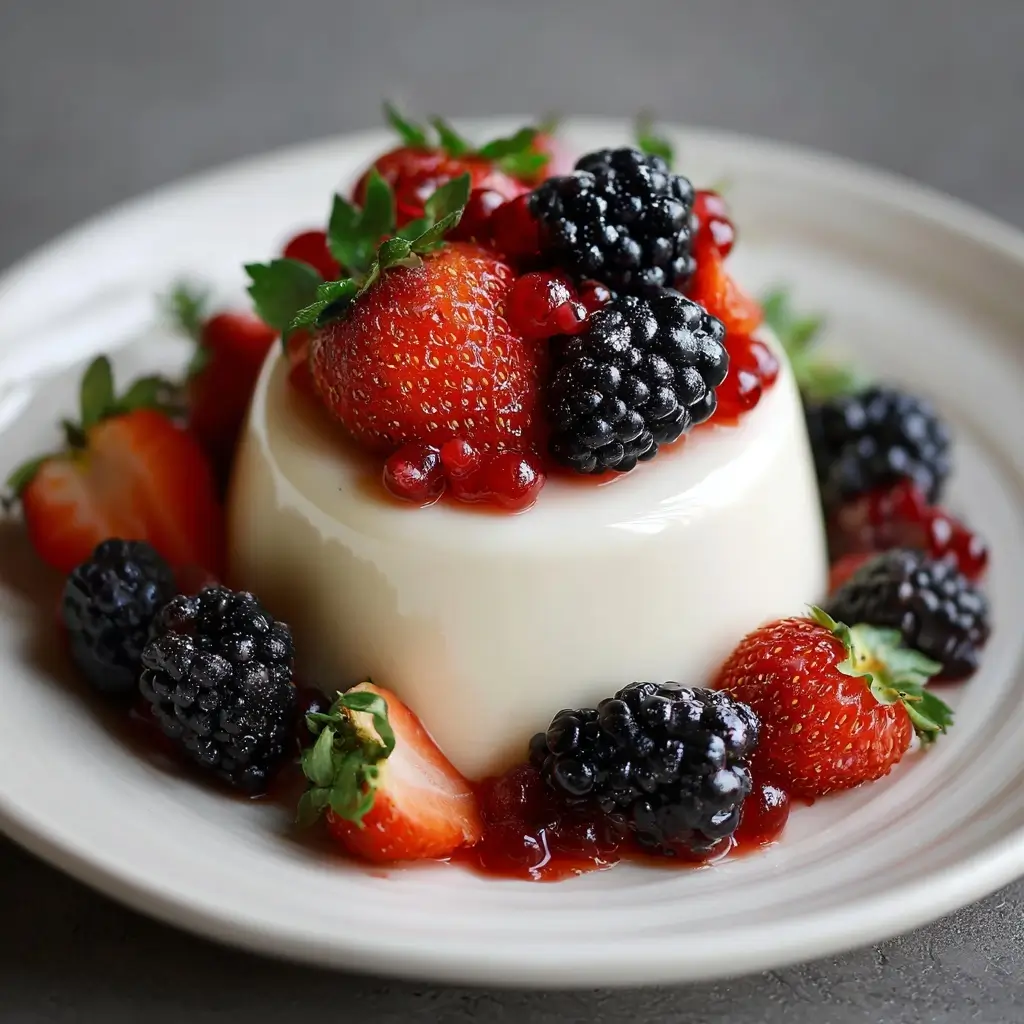
- Serve: Garnish with fresh berries, fruit compote, chocolate shavings, or a drizzle of caramel. Serve chilled.
Tips for Perfect Vanilla Bean Panna Cotta
- Don’t Boil the Cream Mixture: Excessive heat can cause the cream to separate or scorch. Maintain a gentle simmer only.
- Bloom Gelatin Properly: Skipping this step leads to grainy texture or clumping. Never add dry gelatin directly to hot liquid.
- Use Fresh Gelatin: Old or expired gelatin loses its gelling power. Check the expiration date before starting.
- Avoid Overmixing After Adding Gelatin: Once gelatin is incorporated, stir just enough to blend. Aggressive whisking can introduce air bubbles that mar the surface.
- Chill Without Covering Initially: Leaving uncovered for the first 30 minutes prevents condensation, which can create a watery film on top.
- Room Temperature Serving Vessels: Cold ramekins may cause the mixture to start setting too fast upon contact, leading to uneven texture.
- Wipe Rims Clean: After pouring, use a damp cloth to wipe any spills from the edges for a polished presentation.
- Test Set Before Serving: Lightly shake one mold—if it jiggles like Jell-O but holds shape, it’s ready.
Variations and Customizations
While classic vanilla bean panna cotta is timeless, its neutral base welcomes endless creativity. Try these inspired twists:
Flavor Variations
- Lavender Honey Panna Cotta: Infuse cream with 1 tsp culinary lavender buds and substitute honey for half the sugar.
- Chocolate Panna Cotta: Melt 3 oz dark chocolate into the warm cream mixture after removing from heat.
- Coffee Panna Cotta: Replace ¼ cup cream with strong brewed espresso or add 1 tbsp instant coffee granules.
- Rosewater & Pistachio: Add ½ tsp food-grade rosewater and garnish with crushed pistachios.
- Lemon or Orange Zest: Add citrus zest while heating cream for a bright, refreshing twist.
- Coconut Panna Cotta: Substitute coconut milk for all or part of the dairy for a tropical flair.
Dietary Modifications
- Dairy-Free: Use full-fat coconut milk and dairy-free whipping cream alternatives. Note: texture may be softer.
- Sugar-Free: Replace sugar with erythritol or monk fruit sweetener (ensure it dissolves fully).
- Vegetarian/Vegan Option: Replace gelatin with agar-agar (use 1 tsp agar powder per cup of liquid; requires boiling for activation).
Layered & Swirled Creations
- Create stunning parfaits by layering different flavors (e.g., vanilla and berry-swirled).
- Swirl in raspberry coulis before chilling for a marbled effect.
- Make two-tone panna cotta by partially setting one layer before adding another.
Health Considerations and Nutritional Value
Per serving (based on 1 of 4 servings):
- Calories: ~380 kcal
- Fat: 35g (mostly saturated from cream)
- Carbohydrates: 18g (primarily from sugar)
- Protein: 3g
- Calcium: Moderate source from dairy
- Gelatin Benefits: Contains amino acids like glycine and proline, which support joint and gut health.
Nutrition Notes
- This dessert is high in saturated fat and sugar, so enjoy in moderation, especially for those managing cholesterol, diabetes, or weight.
- Not suitable for lactose-intolerant individuals unless modified with plant-based alternatives.
- Gluten-free as written.
- Low in fiber and micronutrients—pair with fresh fruit to boost vitamin content.
FAQ
Can I make panna cotta without gelatin?
Yes, but the texture will differ. Agar-agar is the most reliable vegan substitute, though it sets firmer and less creamy. Arrowroot or cornstarch can work but often result in a pudding-like consistency rather than the clean cut of gelatin-based versions.
Why did my panna cotta not set?
Common causes include expired gelatin, insufficient blooming, too much liquid, or acidic additions (like citrus juice) weakening the gelatin structure. Ensure accurate measurements and proper technique.
How long does panna cotta last in the fridge?
Up to 5 days when stored covered. However, best quality is within the first 2–3 days.
Can I freeze panna cotta?
Not recommended. Freezing disrupts the emulsion and gelatin network, resulting in separation and grainy texture upon thawing.
Can I use vanilla extract instead of a vanilla bean?
Absolutely. Use 1–2 teaspoons of pure vanilla extract added after removing from heat to preserve flavor. However, real beans offer visual appeal and a more complex aroma.
Why do some recipes use egg whites?
Rarely, chefs use whipped egg whites for extra lightness, but traditional panna cotta relies solely on gelatin. Eggs change the character and are not authentic.
Can I double the recipe?
Yes, easily scalable. Just maintain the same ratios and ensure even distribution among molds.
Is panna cotta safe during pregnancy?
Yes, since it contains no raw eggs and is made with pasteurized dairy and cooked components. Just confirm all ingredients meet dietary guidelines advised by your healthcare provider.
Summary
Vanilla Bean Panna Cotta is a sumptuous Italian dessert known for its silky texture and aromatic vanilla flavor, achieved through a simple blend of cream, sugar, and gelatin infused with real vanilla beans. Elegant yet easy to prepare, it’s a show-stopping treat that impresses guests and satisfies cravings with every spoonful.