Vanilla Bean Panna Cotta: A Silken Italian Dessert Delight
The History of Panna Cotta
Panna cotta, which translates to “cooked cream” in Italian, originated in the Piedmont region of Northern Italy during the early 20th century. Though dairy-based desserts have long been part of European culinary traditions, panna cotta as we know it today is a relatively modern creation, believed to have been developed by Alpine farmers who used readily available cream, sugar, and gelatin to create a rich, set custard without eggs. The dessert gained popularity across Italy in the mid-1900s and eventually made its way into international cuisine, especially after Italian restaurants began spreading globally in the post-war era.
Unlike traditional custards that rely on egg yolks for thickening, panna cotta uses gelatin as its setting agent, giving it a smooth, jiggly texture that melts luxuriously on the tongue. Its simplicity and elegance quickly earned it a place on fine dining menus worldwide. Today, panna cotta is celebrated not only in its classic vanilla form but also in an array of flavors—from berry swirls to matcha and lavender-infused versions—making it a versatile staple in both home and professional kitchens.
Ingredients Breakdown: What Makes Vanilla Bean Panna Cotta So Luxurious?
The magic of vanilla bean panna cotta lies in the quality and harmony of its few ingredients. Each component plays a crucial role in achieving that signature silky-smooth texture and delicate flavor profile.
- Heavy Cream: The foundation of panna cotta, heavy cream provides the luxurious mouthfeel and richness. With a fat content typically around 36–40%, it ensures the dessert sets firmly while maintaining a creamy consistency. For an even richer result, some chefs use whipping cream or a blend of heavy cream and half-and-half.
- Whole Milk (Optional): While traditional recipes may use only cream, some variations include a small amount of whole milk to lighten the texture slightly without sacrificing creaminess.
- Granulated Sugar: Adds sweetness and helps balance the richness of the cream. It dissolves easily when heated and contributes to the smoothness of the final product. Some bakers prefer caster sugar for faster dissolution.
- Vanilla Bean: The star ingredient. Using a real vanilla bean—rather than extract—gives panna cotta its aromatic depth and speckled elegance. The tiny black seeds scraped from the pod infuse the cream with floral, sweet, and slightly woody notes that are unmistakably luxurious. One whole bean is usually sufficient for 4 servings.
- Vanilla Extract (Optional): Can be added alongside the vanilla bean for an extra layer of flavor, though purists argue that the bean alone is more than enough.
- Gelatin: Unflavored powdered gelatin is essential for setting the panna cotta. It’s derived from collagen and forms a soft gel when cooled. Typically, 2–2.5 teaspoons (about 7–8 grams) are used for every 2 cups of liquid. Vegetarian alternatives like agar-agar can be substituted, though they behave differently and require adjustments in quantity and technique.
- Water (for blooming gelatin): Cold water is used to “bloom” the gelatin—allowing it to hydrate and dissolve smoothly into the warm cream mixture without forming lumps.
- Salt (Pinch): A tiny pinch enhances all the other flavors, making the sweetness and vanilla aroma more pronounced without tasting salty.
Step-by-Step Recipe: How to Make Perfect Vanilla Bean Panna Cotta at Home
Follow this detailed guide to create restaurant-quality vanilla bean panna cotta in your own kitchen. Patience and precision are key—especially when handling gelatin—but the results are well worth the effort.
Ingredients
- 2 cups (480 ml) heavy cream
- 1/3 cup (65 g) granulated sugar (adjust to taste)
- 1 whole vanilla bean (or 1 tablespoon pure vanilla extract as substitute)
- 2.5 teaspoons (about 7 grams) unflavored powdered gelatin
- 3 tablespoons (45 ml) cold water
- Pinch of sea salt
- Optional: 1/4 cup whole milk (to lighten texture)
Directions
- Bloom the Gelatin: In a small bowl, sprinkle the gelatin over the cold water. Let it sit undisturbed for 5–10 minutes until it becomes spongy and opaque. This step is critical for ensuring smooth integration into the cream.
- Split the Vanilla Bean: Using a sharp knife, split the vanilla bean lengthwise. Scrape out the tiny black seeds with the back of the knife and set both the seeds and the pod aside.
- Heat the Cream Mixture: In a medium saucepan, combine the heavy cream, sugar, scraped vanilla seeds, the empty vanilla pod, and a pinch of salt. If using milk, add it here as well. Warm over medium heat, stirring gently until the sugar dissolves completely—do not let it boil. Once steam begins to rise and small bubbles form around the edges (around 175°F / 80°C), remove from heat.
- Infuse the Flavor: Cover the saucepan and let the mixture steep for 15–20 minutes to allow the vanilla flavor to fully infuse into the cream. This step deepens the aroma and ensures a robust vanilla presence.
- Remove the Pod: After steeping, carefully remove the vanilla pod from the cream. You can rinse and dry it for later use in sugar or alcohol infusions.
- Melt the Gelatin: Return the cream mixture to low heat just long enough to warm it slightly (if cooled too much). Then, add the bloomed gelatin and whisk continuously until it has completely dissolved—about 1–2 minutes. Do not let the mixture boil, as high heat can weaken gelatin’s setting power.
- Strain (Optional but Recommended): For ultra-smooth results, strain the mixture through a fine-mesh sieve into a large measuring cup or spouted bowl to catch any undissolved gelatin bits or flecks.
- Portion Into Molds: Lightly grease ramekins, glasses, or silicone molds with neutral oil (like grapeseed) if you plan to unmold. Pour the mixture evenly into 4–6 serving vessels, depending on size.
- Chill Until Set: Refrigerate uncovered for at least 4 hours, preferably overnight. The panna cotta should be completely firm to the touch and cleanly release from the mold when inverted (if unmolding).
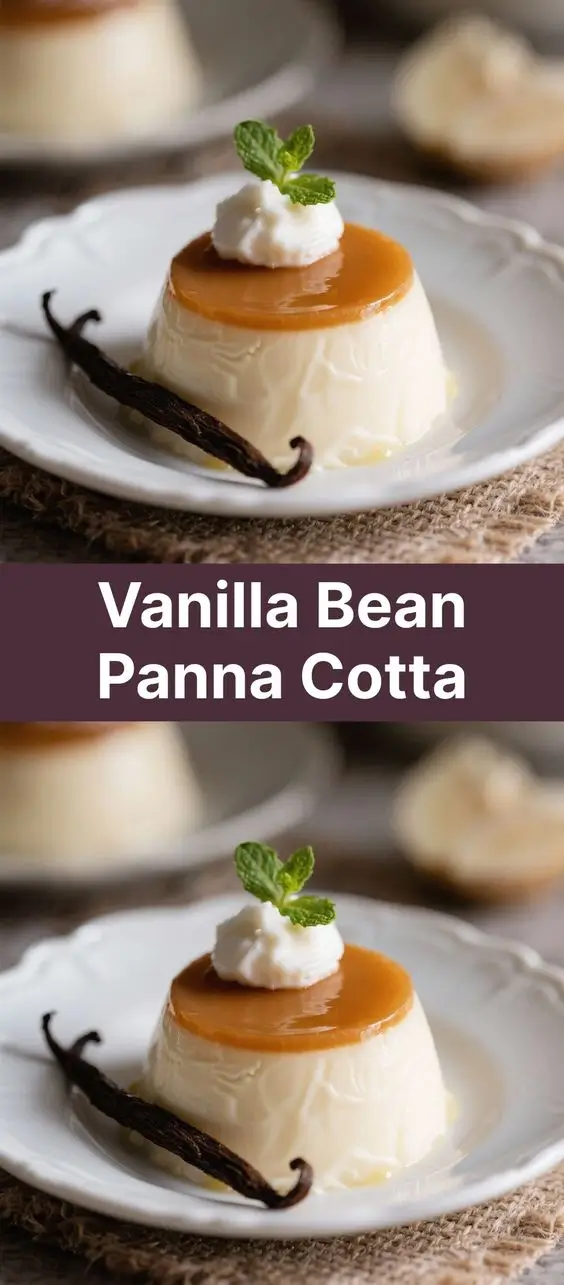
- Serve: To unmold, dip each ramekin briefly in warm water for 5–10 seconds, then place a plate on top and flip. Gently wiggle to release. Alternatively, serve directly in elegant glassware with toppings drizzled over the top.
Tips for Flawless Vanilla Bean Panna Cotta
- Use Real Vanilla Beans: Always opt for Madagascar Bourbon vanilla beans for their rich, creamy profile. Avoid imitation vanilla, which lacks depth and can taste artificial.
- Don’t Boil the Mixture After Adding Gelatin: High temperatures degrade gelatin, reducing its ability to set properly. Keep the heat low and gentle.
- Avoid Stirring Too Vigorously: Once gelatin is added, minimize agitation to prevent air bubbles from forming in the final dessert.
- Chill Without Disturbance: Place the panna cotta in the back of the refrigerator where it won’t be jostled. Vibrations can affect the smooth surface.
- For Crystal-Clear Release: Wipe the rim of the mold before flipping to avoid smudging. Serve on chilled plates for visual appeal.
- Test Set Before Serving: Gently shake one ramekin—if it jiggles like a still lake, it’s ready. If liquid sloshes, chill longer.
- Make Ahead Friendly: Panna cotta can be made up to 3 days in advance, covered lightly with plastic wrap. Store upright if not unmolding.
Variations and Customizations
While classic vanilla bean panna cotta is timeless, its neutral base makes it perfect for creative adaptations.
- Fruit-Infused Swirls: Swirl raspberry coulis, mango purée, or passionfruit curd into the cream before chilling for a vibrant twist.
- Layered Panna Cotta: Create stunning layers by partially setting one flavor (e.g., chocolate or coffee), then pouring another on top.
- Matcha Green Tea: Replace 1 tsp gelatin with 1 tbsp sifted matcha powder mixed into warm cream for an earthy, vibrant green version.
- Lavender or Rose: Infuse ½ tsp culinary-grade dried lavender or rose petals into the cream for a floral note—remove after steeping.
- Chocolate Panna Cotta: Melt 2 oz dark chocolate into the warm cream for a decadent variation.
- Coffee or Espresso: Add 1–2 tsp instant espresso powder or ¼ cup strong brewed coffee for a mocha-inspired treat.
- Alcohol-Infused: Stir in 1–2 tablespoons of liqueur like Grand Marnier, Amaretto, or Kahlúa after dissolving gelatin. Reduce cream slightly to maintain consistency.
- Dairy-Free Option: Use full-fat coconut milk instead of cream. Note: Coconut milk may impart a slight tropical flavor and requires agar-agar as a vegan setting agent.
- Low-Sugar Version: Substitute sugar with erythritol or monk fruit sweetener suitable for baking. Adjust to taste and ensure compatibility with gelatin setting.
Health Considerations and Nutritional Value
Vanilla bean panna cotta is undeniably indulgent, so understanding its nutritional profile helps in mindful consumption.
Nutrition Facts (Per Serving, Based on 4 Servings):
| Calories: | 320 kcal |
| Total Fat: | 28g |
| Saturated Fat: | 17g |
| Cholesterol: | 95mg |
| Carbohydrates: | 15g |
| Sugars: | 14g |
| Protein: | 4g |
| Sodium: | 30mg |
Key Considerations:
- High in Saturated Fat: Due to heavy cream, this dessert is rich in saturated fats. Those monitoring heart health may want to enjoy it occasionally.
- Low Protein: Not a significant source of protein; best paired with nuts or berries for balance.
- Gelatin Benefits: Gelatin contains collagen, which supports joint and skin health. However, the amount per serving is minimal.
- Lactose Content: Contains dairy; not suitable for those with lactose intolerance unless substitutes are used.
- Allergens: Contains dairy and possible traces of gluten if served with certain garnishes. Vegan and allergen-free versions require careful reformulation.
- Digestive Sensitivity: Gelatin is generally well-tolerated, but excessive amounts may cause mild digestive discomfort in sensitive individuals.
Frequently Asked Questions (FAQ)
Can I make panna cotta without gelatin?
Yes, though the texture will differ. Agar-agar, derived from seaweed, is a plant-based alternative. Use 1 teaspoon agar-agar powder per cup of liquid, bring to a full boil, and simmer for 1–2 minutes to activate. It sets firmer and less wobbly than gelatin.
Why didn’t my panna cotta set?
Common causes include expired gelatin, insufficient blooming, boiling after adding gelatin (which breaks it down), or inaccurate measurements. Ensure your gelatin is fresh and follow temperature guidelines carefully.
Can I freeze panna cotta?
Not recommended. Freezing alters the creamy texture, causing separation and graininess upon thawing. It’s best stored refrigerated for up to 3 days.
How do I prevent bubbles on the surface?
Pour the mixture slowly and let it settle before chilling. Straining also removes air pockets. Avoid whisking vigorously after adding gelatin.
Can I use vanilla extract instead of a vanilla bean?
Yes. Substitute 1 tablespoon of pure vanilla extract for one vanilla bean. Add it after removing from heat to preserve volatile aromatics. The visual appeal of the speckles will be lost.
What can I serve with panna cotta?
Classic pairings include fresh berries, caramel sauce, chocolate ganache, poached pears, or a crisp biscotti. A mint leaf adds a refreshing finish.
Can I double the recipe?
Absolutely. Just maintain the same ratios. Use a larger container or more molds and chill as usual.
Is panna cotta safe during pregnancy?
Yes, since it contains no raw eggs and is made with pasteurized dairy when using store-bought cream. Just ensure all ingredients are fresh and handled properly.
Summary
Vanilla bean panna cotta is a sumptuous Italian dessert that marries simplicity with sophistication, featuring velvety cream infused with real vanilla and set with gelatin for a delicate wobble.
Elegant yet easy to prepare ahead, it serves as a perfect canvas for endless flavor variations and pairs beautifully with fruits, sauces, and gourmet presentations.