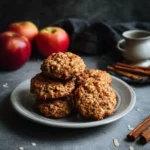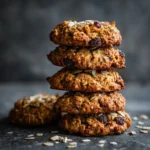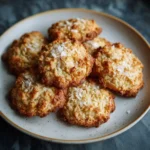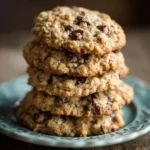
Introduction
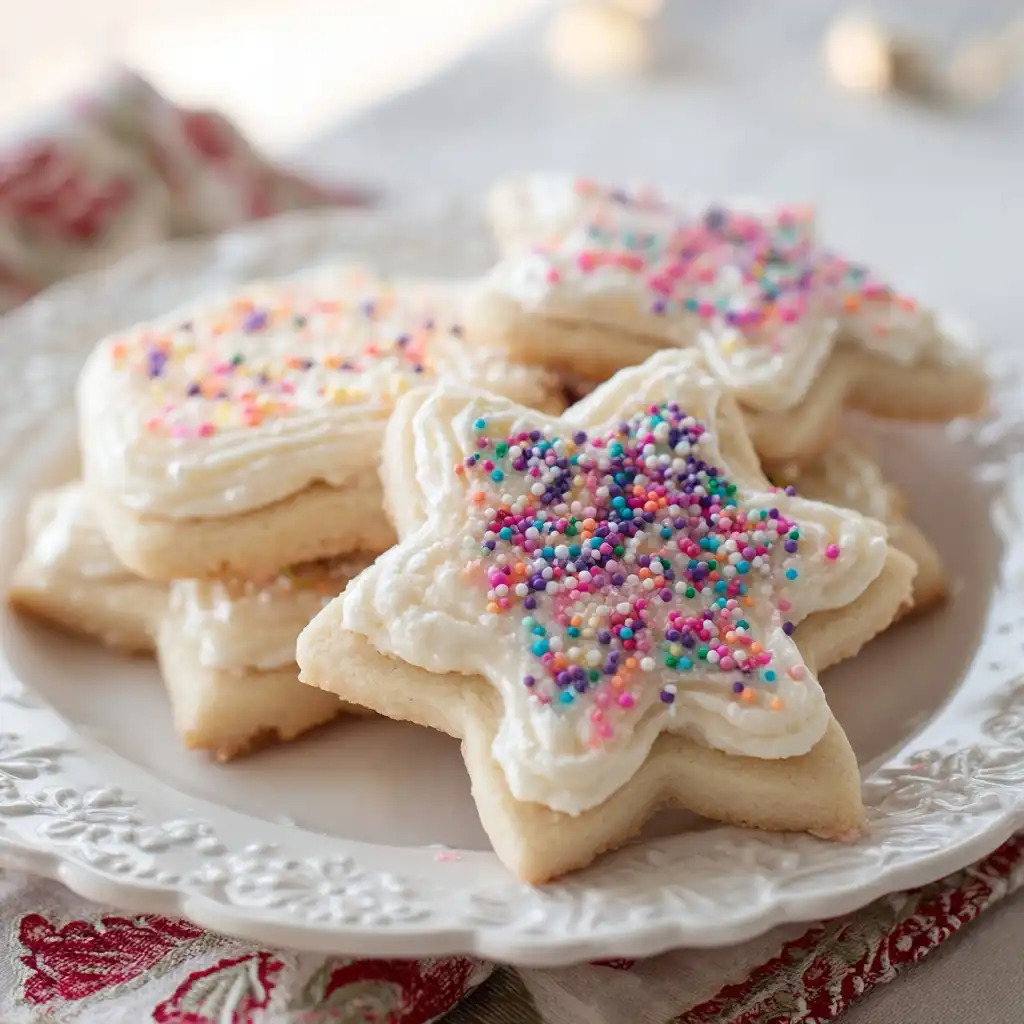
Vanilla bean sugar cookies are the epitome of timeless, buttery elegance—soft yet slightly crisp at the edges, delicately fragrant with real vanilla bean specks, and imbued with a subtle floral sweetness that store-bought extract simply cannot replicate. Unlike standard sugar cookies that rely solely on vanilla extract, these cookies celebrate the whole vanilla bean: its delicate pod, its tiny black seeds (often called “caviar”), and its complex aromatic compounds—vanillin, p-hydroxybenzaldehyde, vanillic acid, and over 200 additional volatile constituents—that lend depth, warmth, and an almost creamy, orchid-like nuance. Whether served alongside afternoon tea, stacked in festive holiday tins, or used as a refined base for gourmet sandwich cookies and elegant ice cream sandwiches, vanilla bean sugar cookies elevate everyday moments into sensory experiences. This comprehensive guide is meticulously crafted for bakers who appreciate authenticity, precision, and the quiet luxury of real ingredients—and who understand that a truly exceptional sugar cookie begins not with a bottle, but with a plump, supple, moisture-rich Madagascar Bourbon or Tahitian vanilla bean.
The History
The lineage of the sugar cookie stretches back centuries—to 17th-century Europe, where “jumbles” (spiced, anise-scented doughs shaped by hand or mold) were popular across England and the Netherlands. Early American colonists adapted these recipes using locally available sweeteners like maple syrup and molasses, but it wasn’t until the mid-1800s, with the widespread availability of granulated cane sugar and the advent of chemical leaveners like baking soda and later baking powder, that the modern sugar cookie emerged: tender, lightly leavened, and prized for its clean sweetness and sculptural versatility. Vanilla, however, had a far more circuitous journey to the cookie jar. Native to Mesoamerica, vanilla was cultivated by the Totonac people of present-day Veracruz, Mexico, long before the Aztecs incorporated it into chocolatl, their revered spiced chocolate beverage. Spanish conquistador Hernán Cortés encountered vanilla in 1519 and introduced it to Europe—but for over 300 years, successful pollination outside Mexico remained impossible due to the symbiotic relationship between the vanilla orchid (Vanilla planifolia) and its native Melipona bee. It wasn’t until 1841 that Edmond Albius, a 12-year-old enslaved botanist on Réunion Island, discovered the manual hand-pollination technique still used today—ushering in global cultivation across Madagascar, Indonesia, Uganda, Papua New Guinea, and beyond. By the late 19th century, whole vanilla beans began appearing in elite American kitchens, though they remained prohibitively expensive. It wasn’t until the 20th century—accelerated by postwar culinary democratization and the rise of specialty food movements—that home bakers began reclaiming the bean itself, rejecting imitation vanillin and embracing the nuanced, terroir-driven complexity of true vanilla. Today’s vanilla bean sugar cookie is thus both a nostalgic heirloom and a contemporary manifesto—a tribute to indigenous knowledge, colonial botany, enslaved genius, and the slow, reverent art of flavor extraction.
Ingredients Breakdown
Every ingredient in this vanilla bean sugar cookie recipe serves a precise functional and sensory role—no element is arbitrary, and substitutions should be approached with intentionality and understanding:
- Unsalted Butter (1 cup / 227g, cold but pliable): Provides richness, tenderness, and flakiness. Cold butter traps steam during baking, creating subtle lift and a delicate crumb structure. European-style butter (82–86% fat) yields superior flavor and texture due to higher fat content and cultured notes. Salted butter is avoided to control sodium precisely.
- Granulated Sugar (1 ¼ cups / 250g): Offers sweetness, aids in creaming for aeration, contributes to spread and browning (via caramelization), and adds textural crispness to the cookie’s perimeter.
- Brown Sugar (½ cup / 100g, light or dark, packed): Adds moisture retention (thanks to molasses), subtle caramel notes, and slight acidity that balances sweetness and enhances vanilla’s floral top notes. Dark brown sugar imparts deeper molasses complexity; light brown offers milder, more neutral support.
- Large Egg (1, room temperature): Acts as a binder, adds structure via proteins, contributes emulsification, and provides moisture. Room temperature ensures uniform incorporation and prevents re-hardening of butter.
- Pure Vanilla Extract (1 tsp): Complements and amplifies the vanilla bean—its alcohol-soluble vanillin and supporting compounds bridge the gap between the bean’s fat-soluble aromatics and the aqueous components of the dough. Use only high-quality, double-fold (or higher) extract made from real beans.
- Whole Vanilla Bean (1 plump, moist pod, preferably Grade A Madagascar Bourbon): The heart and soul of the recipe. Contains over 200 aromatic compounds, including vanillin (responsible for classic sweetness), p-hydroxybenzaldehyde (floral, lilac-like), guaiacol (smoky, spicy), and heliotropin (vanilla-tinged, powdery). The seeds impart visual appeal and intense, lingering fragrance; the scraped pod may be infused into the butter or sugar for maximum extraction.
- All-Purpose Flour (3 cups / 360g, spooned & leveled): Provides gluten-forming proteins (glutenin and gliadin) for structure. Spooning and leveling—not scooping—prevents compaction and over-flouring, which leads to toughness. For ultra-tender results, substitute up to ¼ cup with cake flour (lower protein) or add 1 tbsp cornstarch.
- Cornstarch (2 tbsp): A secret weapon for tenderness—it inhibits gluten development, softens the crumb, and promotes a melt-in-the-mouth quality without sacrificing shape integrity.
- Baking Soda (½ tsp): A fast-acting alkali that reacts with the natural acidity in brown sugar and egg to produce carbon dioxide, encouraging gentle lift and spread control. It also enhances browning (Maillard reaction) and deepens flavor complexity.
- Fine Sea Salt (¾ tsp): Not merely for seasoning—salt suppresses bitterness, heightens sweetness perception, balances richness, and strengthens gluten network for optimal dough cohesion. Avoid iodized table salt, which can impart a metallic aftertaste.
- Optional: Flaky Sea Salt (Maldon or Fleur de Sel, for finishing): A delicate sprinkle just before baking intensifies contrast—salinity makes vanilla taste sweeter and more dimensional, while the crunch juxtaposes the cookie’s soft interior.
Step-by-Step Recipe
- Prepare the Vanilla Bean: Split the vanilla bean lengthwise with a sharp paring knife. Using the back of the knife, scrape out every trace of the tiny black seeds into a small bowl. Reserve both seeds and pod. For maximum infusion, place the scraped pod into the measured cold butter and let sit at cool room temperature (65–68°F) for at least 2 hours—or refrigerate overnight. Alternatively, infuse the pod in the granulated sugar for 48 hours in an airtight jar (a technique known as “vanilla sugar”).
- Cream Butter & Sugars: In the bowl of a stand mixer fitted with the paddle attachment, combine the cold, infused butter (discard pod if infused separately, or retain it for step 3), granulated sugar, brown sugar, and vanilla bean seeds. Beat on medium speed for 3–4 minutes until pale, fluffy, and noticeably increased in volume—scraping down the bowl twice. Do not rush: proper creaming incorporates air, yielding cookies with delicate lift and even texture.
- Incorporate Wet Ingredients: Add the room-temperature egg and pure vanilla extract. Beat on medium-low for 1 minute until fully emulsified and glossy—no streaks of egg white should remain. Overmixing at this stage can lead to dense cookies.
- Whisk Dry Ingredients: In a separate large bowl, whisk together the flour, cornstarch, baking soda, and fine sea salt until completely homogeneous and aerated—no pockets of leavener or salt.
- Combine Dry & Wet: With the mixer on low speed, gradually add the dry ingredients in three equal additions, mixing only until each is *just* incorporated—about 15–20 seconds per addition. Stop immediately when no dry streaks remain. Overmixing develops excess gluten, resulting in tough, chewy cookies instead of tender, melt-away ones.
- Chill the Dough (Non-Negotiable): Divide the dough in half and shape each into a 1 ½-inch-thick disc. Wrap tightly in parchment paper, then in plastic wrap. Refrigerate for *at least 2 hours*, preferably 4–6 hours or overnight. Chilling solidifies the butter, prevents excessive spread, allows flour hydration to equalize (improving texture), and concentrates flavors—including vanilla, which deepens significantly during cold rest.
- Preheat & Prep: Position oven racks in upper and lower thirds. Preheat oven to 350°F (177°C). Line two half-sheet pans (13″x18″) with parchment paper or silicone baking mats—never grease directly, as it encourages spreading.
- Portion & Shape: Remove one dough disc from refrigerator. Let sit at room temperature for 5–7 minutes—just enough to soften slightly for easy scooping, but still cool to the touch. Using a 1.5-tablespoon cookie scoop (or a heaping tablespoon), portion dough into balls. Roll gently between palms to smooth—do not overwork. Place 2 inches apart on prepared sheets. For bakery-style uniformity, use a small offset spatula to gently flatten each ball to ¾-inch thickness—this ensures even baking and consistent edges.
- Finish & Bake: Lightly sprinkle each cookie with a pinch of flaky sea salt. Bake for 11–13 minutes, rotating pans top-to-bottom and front-to-back halfway through, until edges are set and faintly golden, and centers appear just barely matte—not shiny or wet—but still look soft and underdone. They will continue to set on the hot sheet.
- Cool Completely: Allow cookies to cool on the baking sheet for 5 minutes—this finishes the internal bake and sets the structure. Then, transfer carefully to a wire rack using a thin spatula. Cool completely (at least 30 minutes) before storing or serving. Warm cookies are fragile and lack full flavor development.
Tips
- Bean Selection Matters: Choose plump, oily, flexible pods—not brittle or dried-out. Madagascar Bourbon beans offer rich, creamy, sweet vanilla notes; Tahitian beans bring fruity, floral, cherry-anise complexity—ideal for a more adventurous twist. Avoid “vanilla powder” or “ground bean” unless freshly ground from whole beans; pre-ground versions lose volatile aromatics rapidly.
- Infusion Is Key: For profound depth, infuse the vanilla bean in the butter *before* creaming: slice the bean into ¼-inch pieces, submerge in cold butter, and refrigerate for 24–48 hours. Strain before use—or leave the pieces in for visible speckling and extra aroma.
- Temperature Discipline: Butter must be cold (55–60°F)—too warm = greasy, flat cookies; too cold = shattering, uneven creaming. Use an instant-read thermometer for precision. Likewise, eggs and dough must be at specified temperatures—room-temp eggs emulsify better; chilled dough spreads less.
- Weigh Your Ingredients: Volume measurements for flour vary wildly (up to 30% difference). A kitchen scale ensures consistency—especially critical for tender cookies where 10g of extra flour changes texture dramatically.
- Don’t Skip the Chill: Skipping chilling guarantees puddles—not cookies. If short on time, freeze dough portions for 45 minutes—but never bake straight from freezer unless adjusting time/temp (add 1–2 min, same temp).
- Oven Calibration Is Essential: Most home ovens run hot or cold. Use an independent oven thermometer. If cookies brown too fast, reduce temp by 10°F. If they spread excessively, your oven may be under-calibrated—verify accuracy.
- Rotate & Swap Racks: Home ovens have hot spots. Rotating pans halfway—and swapping top/bottom positions—ensures even browning and doneness. Check at 10 minutes—even 30 seconds can mean the difference between perfect and overbaked.
- Cooling Surface Matters: Wire racks allow airflow underneath, preventing trapped steam that softens the bottom crust. Never cool on towels or plates—they trap heat and moisture.
- Rest Before Serving: Flavor peaks after 2–4 hours at room temperature. The vanilla compounds continue to meld and bloom, and residual starch retrogradation enhances tenderness.
- Freezing for Freshness: Portion unbaked dough balls onto a parchment-lined tray; freeze until solid (1 hour), then transfer to an airtight freezer bag. Bake straight from frozen—add 1–2 minutes to bake time. Dough keeps beautifully for up to 3 months.
Variations and Customizations
While the classic vanilla bean sugar cookie is sublime in its purity, thoughtful variations honor its versatility without compromising integrity:
- Lemon-Vanilla Bean: Add 1 tbsp finely grated lemon zest (preferably organic) with the wet ingredients and 1 tsp fresh lemon juice with the egg. The bright citrus lifts vanilla’s richness and adds aromatic vibrancy—ideal for spring and summer.
- Vanilla Bean + Cardamom: Toast 1 tsp whole green cardamom pods, cool, then grind finely. Add ½ tsp ground cardamom with dry ingredients. Its eucalyptus-tinged warmth harmonizes exquisitely with vanilla’s sweetness—Scandinavian-inspired elegance.
- Earl Grey Infused: Steep 2 tsp loose-leaf Earl Grey tea (bergamot-scented black tea) in 2 tbsp hot milk for 5 minutes. Strain, cool completely, then substitute for the egg. Adds sophisticated, floral-citrus complexity—perfect with afternoon tea.
- Vanilla Bean Shortbread Style: Omit baking soda and cornstarch. Increase butter to 1 ¼ cups and reduce sugar to ¾ cup. Chill dough for 2+ hours, then roll to ¼-inch thick, cut with fluted or scalloped cutters, and bake at 325°F for 14–16 minutes. Yields crisper, more butter-forward, melt-in-the-mouth cookies.
- Gluten-Free Vanilla Bean: Substitute a 1:1 gluten-free all-purpose blend containing xanthan gum (e.g., King Arthur Measure for Measure or Bob’s Red Mill 1-to-1). Add 1 tsp psyllium husk powder for elasticity. Chill dough 3+ hours—GF dough benefits from longer hydration.
- Vegan Vanilla Bean: Replace butter with high-fat, cultured vegan butter (e.g., Miyoko’s or Forager); replace egg with 1 tbsp ground flaxseed + 2.5 tbsp warm water (let thicken 5 min). Use vanilla-infused coconut oil for part of the fat for added richness. Ensure sugars are vegan-certified (some bone char–processed).
- Spiced Holiday Bean: Add ¼ tsp ground cinnamon, ⅛ tsp ground ginger, and a pinch of freshly grated nutmeg with dry ingredients. Pair with a dusting of sanding sugar before baking for festive sparkle.
- Chocolate-Dipped Bean: After cooling completely, dip half of each cookie into tempered dark (70%), milk, or white chocolate. Sprinkle with fleur de sel or crushed toasted pistachios before chocolate sets. Store layered with parchment between tiers.
- Vanilla Bean Sandwich Cookies: Bake cookies 1–2 minutes less for extra softness. Fill with Madagascar bourbon vanilla bean Swiss meringue buttercream, lavender honey buttercream, or salted caramel ganache.
- “Bean-to-Bar” Collaboration: Fold in ¾ cup chopped single-origin dark chocolate (e.g., Domori Porcelana or Akesson’s Madagascar) for a luxurious, terroir-driven pairing that highlights both cacao and vanilla’s shared fruity, floral notes.
Health Considerations and Nutritional Value
A single vanilla bean sugar cookie (based on a 24-cookie yield) contains approximately:
- Calories: 185 kcal
- Total Fat: 10.2g (6.3g saturated)
- Carbohydrates: 21.8g (14.2g sugars)
- Protein: 2.1g
- Sodium: 135mg
- Fiber: 0.3g
While inherently indulgent, these cookies offer meaningful context within a balanced diet. Real vanilla beans contain antioxidants—including vanillin, which exhibits anti-inflammatory and neuroprotective properties in preliminary studies—and trace minerals like manganese and potassium. The butter provides fat-soluble vitamins A, D, E, and K2 (especially in grass-fed varieties), supporting immune function and bone health. Brown sugar contributes modest amounts of calcium, iron, and potassium via its molasses content. That said, moderation remains key: high saturated fat and added sugar intake, when habitual and unbalanced, correlates with increased cardiovascular risk and metabolic dysregulation. To enhance nutritional alignment:
- Reduce Added Sugar Thoughtfully: Decrease granulated sugar by 2 tbsp (not more) without sacrificing structure—brown sugar’s moisture helps compensate. Avoid artificial sweeteners, which disrupt gut microbiota and impair glucose regulation.
- Increase Whole Grain Gently: Substitute up to ⅓ cup of flour with white whole wheat flour—retains mild flavor and tender texture while adding B-vitamins, fiber, and phytonutrients.
- Boost Omega-3s: Replace 1 tbsp butter with 1 tbsp high-lignan flaxseed meal or chia seed gel (1 tsp seeds + 2 tsp water, rested 10 min).
- Pair Mindfully: Serve with antioxidant-rich berries, a cup of green tea (rich in EGCG), or unsweetened almond milk to balance glycemic load and enhance polyphenol absorption.
- Consider Functional Additions: Stir in 1 tsp culinary-grade matcha powder (for calm focus and catechins) or ½ tsp ground turmeric + pinch black pepper (for curcumin bioavailability) with dry ingredients—subtle earthy notes complement vanilla beautifully.
Importantly, the psychological nourishment of savoring a thoughtfully made, ingredient-respectful treat—free from artificial flavors, preservatives, or industrial processing—holds tangible value for mental well-being, stress reduction, and mindful eating practices.
Ingredients
- 1 cup (227g) unsalted butter, cold but pliable (55–60°F)
- 1 ¼ cups (250g) granulated sugar
- ½ cup (100g) light or dark brown sugar, firmly packed
- 1 large egg, room temperature
- 1 teaspoon pure vanilla extract (double-fold preferred)
- 1 whole Madagascar Bourbon vanilla bean, plump and moist
- 3 cups (360g) all-purpose flour, spooned and leveled
- 2 tablespoons cornstarch
- ½ teaspoon aluminum-free baking soda
- ¾ teaspoon fine sea salt
- Flaky sea salt (Maldon or Fleur de Sel), for finishing
Directions
- Split the vanilla bean lengthwise and scrape all seeds into a small bowl. Set seeds aside. Place the scraped pod into the cold butter and let infuse at cool room temperature for 2 hours—or refrigerate overnight. (Alternatively, infuse pod in granulated sugar for 48 hours.)
- In the bowl of a stand mixer fitted with the paddle attachment, combine the infused butter (discard pod if desired), granulated sugar, brown sugar, vanilla seeds, and vanilla extract. Beat on medium speed for 3–4 minutes until pale, fluffy, and voluminous, scraping down bowl twice.
- Add the room-temperature egg and beat on medium-low for 1 minute until fully emulsified and glossy.
- In a separate bowl, whisk together flour, cornstarch, baking soda, and fine sea salt until fully combined and aerated.
- With mixer on low speed, gradually add dry ingredients in three additions, mixing only until each is just incorporated—about 15–20 seconds per addition. Stop immediately when no dry streaks remain.
- Divide dough in half and shape each into a 1 ½-inch-thick disc. Wrap tightly in parchment, then plastic wrap. Refrigerate for at least 2 hours, preferably 4–6 hours or overnight.
- Preheat oven to 350°F (177°C) with racks in upper and lower thirds. Line two half-sheet pans with parchment or silicone mats.
- Let one dough disc sit at room temperature for 5–7 minutes. Scoop 1.5-tablespoon portions, roll gently, and place 2 inches apart on pans. Flatten each to ¾-inch thickness with an offset spatula.
- Lightly sprinkle each cookie with flaky sea salt. Bake 11–13 minutes, rotating and swapping pans halfway, until edges are set and golden and centers appear soft but matte.
- Cool cookies on pans for 5 minutes, then transfer to wire racks to cool completely—minimum 30 minutes—before serving or storing.
FAQ
- Can I use vanilla extract instead of a whole bean?
- Yes—but you’ll sacrifice complexity, visual appeal, and depth. For closest approximation: use 2 tsp high-quality double-fold extract *and* add ¼ tsp vanilla bean paste (which contains real seeds). True bean usage remains unmatched.
- Why does my dough spread too much?
- Most common causes: butter too warm, insufficient chilling (less than 2 hours), warm kitchen environment (>72°F), or inaccurate flour measurement (too little). Also check oven temperature—underheated ovens cause prolonged melting before set.
- Can I make these gluten-free?
- Absolutely—with caveats. Use a certified 1:1 GF blend *with xanthan gum*, add 1 tsp psyllium husk powder, chill dough ≥3 hours, and consider adding 1 tbsp sour cream or Greek yogurt for moisture and binding. Texture will be slightly more crumbly but still delicious.
- How do I store these cookies?
- Cool completely, then layer between parchment in an airtight container at room temperature for up to 1 week. For longer storage, freeze baked cookies in a single layer in freezer bags for up to 3 months—thaw at room temperature, 15 minutes.
- My cookies turned out tough/chewy—what went wrong?
- Overmixing after adding flour is the #1 culprit—gluten developed excessively. Also check: using bread flour by mistake, skipping cornstarch, overbaking, or substituting melted butter instead of cold.
- Can I prepare dough ahead?
- Yes—chilled dough keeps for 5 days refrigerated. For longer, freeze discs (wrapped in parchment + foil) up to 3 months. Thaw overnight in fridge before portioning.
- Why do you use both baking soda and cornstarch?
- Baking soda provides lift and browning; cornstarch inhibits gluten formation and softens crumb. Together, they create the ideal tender-yet-structured, slightly crisp-edged, melt-in-the-mouth texture signature to premium sugar cookies.
- What’s the best way to extract maximum flavor from the bean?
- Infuse the split, scraped pod directly into the cold butter for 24–48 hours. Or, grind the entire dried pod (post-scraping) into a fine powder in a spice grinder and add ¼ tsp with dry ingredients for intensified, lingering aroma.
- Can I add mix-ins like chocolate chips or nuts?
- You can—but it changes the cookie’s character. Fold in ¾ cup mini chocolate chips, toasted pecans, or crystallized ginger *after* final mixing, just before chilling. Reduce baking time by 30–60 seconds, as mix-ins conduct heat faster.
- Are these cookies suitable for decorating with royal icing?
- Yes—especially if baked 1–2 minutes less for a firmer, drier surface. Cool completely and let sit uncovered for 1 hour before icing to prevent smudging. Their neutral sweetness and smooth surface make them ideal canvases.
Summary
Vanilla bean sugar cookies are a masterclass in restrained luxury—where a single, thoughtfully sourced ingredient transforms humble pantry staples into an aromatic, tender, and deeply comforting experience rooted in centuries of global botanical history and culinary evolution.
By honoring the vanilla bean in its whole form—infusing, scraping, and respecting its fragile chemistry—these cookies transcend dessert to become edible heirlooms: elegant, nuanced, and quietly unforgettable.