Introduction
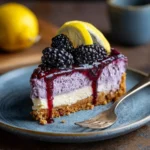
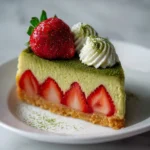
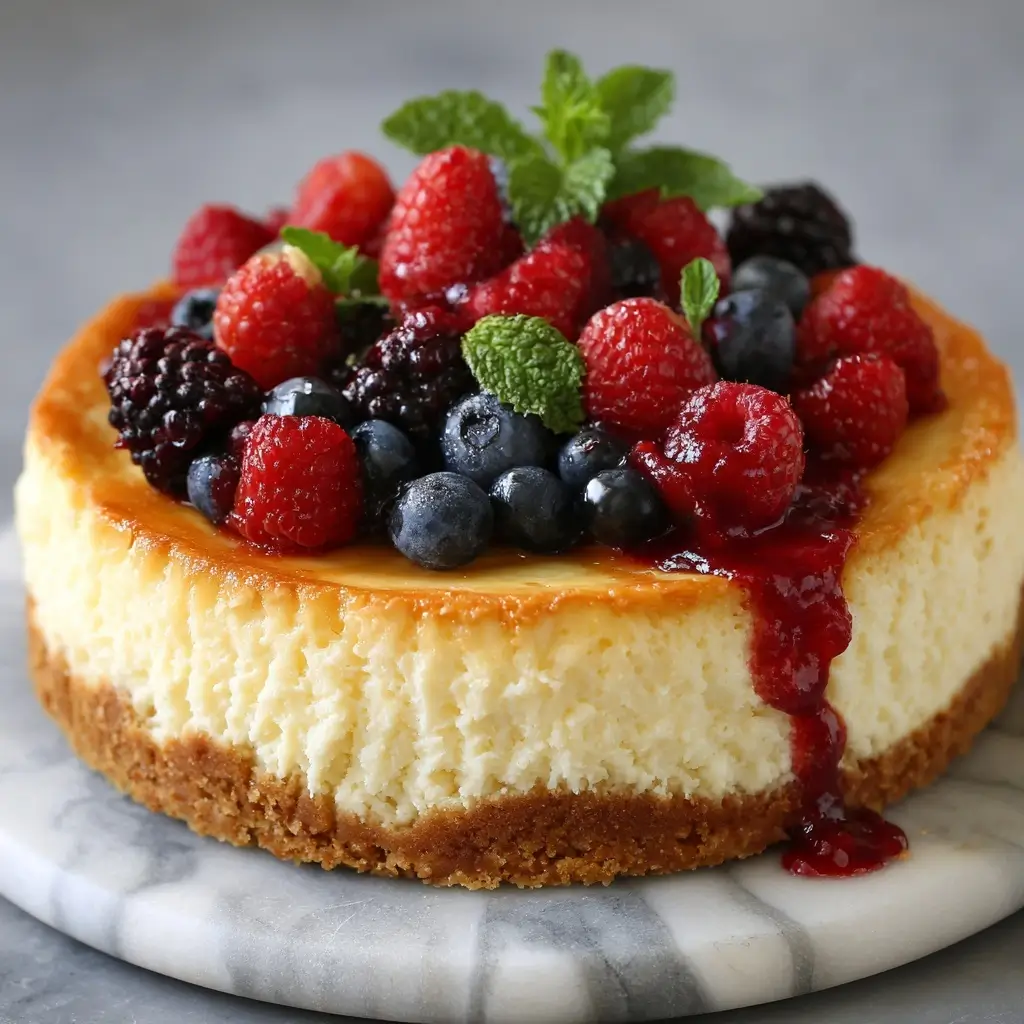
Vanilla Cheesecake with Fresh Berries is the quintessential dessert that marries creamy elegance with vibrant, natural sweetness. It’s a timeless classic reimagined with simplicity and freshness—where velvety, rich New York–style cheesecake meets the bright, juicy burst of seasonal berries. Whether served at an intimate dinner party, a summer garden gathering, or as a comforting weekend treat, this dessert strikes the perfect balance between indulgence and refinement. Its smooth, cloud-like texture, subtle vanilla perfume, and jewel-toned berry garnish make it as visually stunning as it is delicious—proving that sometimes, the most memorable desserts are those rooted in purity of flavor and thoughtful execution.
The History
The origins of cheesecake stretch back over 2,000 years—to ancient Greece, where early versions were made with fresh cheese, honey, and flour, often served to athletes during the first Olympic Games in 776 BCE as a source of energy and stamina. The Romans later adopted and adapted the recipe, adding crushed cheese, eggs, and savory herbs before eventually incorporating sweeteners like honey and dried fruits. When cheesecake migrated to America in the 18th century via European immigrants—particularly German and Jewish bakers—it underwent a transformative evolution. The introduction of cream cheese (invented in 1872 by William Lawrence in Chester, New York) became the cornerstone of the modern American cheesecake. By the early 20th century, the iconic “New York Cheesecake” emerged: dense, ultra-creamy, and baked in a water bath for unparalleled smoothness. Vanilla, long revered as the world’s most beloved and versatile flavoring, was naturally embraced as the ideal aromatic counterpart—its floral, woody, and custard-like notes enhancing rather than overpowering the cheese’s richness. The addition of fresh berries—strawberries, raspberries, blueberries, blackberries—grew popular in the mid-to-late 20th century as home bakers sought lighter, more colorful, and nutritionally balanced finishes. Today, Vanilla Cheesecake with Fresh Berries stands as a harmonious bridge between centuries-old tradition and contemporary culinary values: artisanal technique, seasonal awareness, and mindful indulgence.
Ingredients Breakdown
Every exceptional cheesecake begins with intentionality—not just in measurement, but in selection. Here’s why each ingredient matters:
- Graham Cracker Crust Base: Whole-grain graham crackers provide structure, subtle molasses sweetness, and a gentle crunch that contrasts beautifully with the lush filling. Opt for honey-sweetened or organic varieties to avoid artificial preservatives and refined sugars.
- Unsalted Butter (melted): Acts as the binding agent for the crust and contributes a rich, golden depth. Unsalted butter gives you full control over sodium content and ensures consistent flavor.
- Cream Cheese (full-fat, room temperature): The soul of the cheesecake. Use high-quality, brick-style cream cheese—not spreadable or low-fat versions—which contain stabilizers and excess moisture that compromise texture. Full-fat ensures density, gloss, and proper emulsification.
- Granulated Sugar: Not only sweetens but also aids in aeration during mixing and helps stabilize the protein matrix in the cheese. Fine granulation dissolves evenly without graininess.
- Full-Fat Sour Cream: Adds tang, moisture, and tenderness while preventing cracking. Its acidity balances the richness and contributes to a silkier, more spoonable crumb.
- Heavy Cream (36–40% fat): Enhances fluidity and richness without thinning the batter excessively. It improves mouthfeel and promotes even baking—especially critical in the delicate thermal transition from raw to set.
- Large Eggs (room temperature): Act as natural emulsifiers and leaveners. Room temperature eggs integrate seamlessly, minimizing air bubbles and ensuring uniform texture. Overmixing after adding eggs is the #1 cause of cracks—so fold gently and stop as soon as incorporated.
- Pure Vanilla Extract (or Vanilla Bean Paste): Real Madagascar bourbon vanilla adds complex floral, caramel, and woody notes far beyond imitation vanillin. For maximum impact, scrape seeds from one whole vanilla bean into the batter—or use 2 tsp high-grade extract + ½ tsp paste for layered depth.
- Fresh Lemon Juice & Zest: A small amount brightens the entire profile, cutting through fat and amplifying aroma without detectable tartness. Zest contains essential oils that carry intense citrus fragrance.
- Fine Sea Salt: A pinch doesn’t make it “salty”—it heightens all other flavors, rounds out sweetness, and deepens umami perception in dairy.
- Fresh Berries (seasonal & mixed): Strawberries (hulled & quartered), raspberries, blueberries, blackberries, and red currants offer complementary textures (juicy, tender, poppy, seedy) and a phytonutrient-rich rainbow of anthocyanins, vitamin C, and fiber. Avoid frozen berries unless fully thawed and drained—they release too much water and bleed color into the cake.
- Optional Glaze Elements: A light berry coulis (simmered & strained), honey-vanilla syrup, or lightly whipped crème fraîche drizzle can elevate presentation and add nuanced acidity or floral finish—but never at the expense of the cheesecake’s pristine simplicity.
Step-by-Step Recipe
- Prepare the Crust: Preheat oven to 325°F (163°C). Lightly grease a 9-inch springform pan and wrap the *outside bottom and sides* tightly with two layers of heavy-duty aluminum foil (to prevent water bath leakage). In a food processor, pulse 1 ½ cups graham cracker crumbs (about 12 full sheets), ¼ cup granulated sugar, and ¼ tsp fine sea salt until uniform. Add 6 tbsp melted unsalted butter and pulse until moistened clumps form. Press firmly and evenly into the bottom and 1 inch up the sides of the pan using the back of a measuring cup or flat-bottomed glass. Bake for 10 minutes. Cool completely on a wire rack—this prevents steam buildup and soggy bottoms.
- Softening & Prepping Cream Cheese: At least 2 hours before mixing, remove full-fat cream cheese blocks from the refrigerator. Let them sit, unopened, at room temperature (68–72°F) until yielding to gentle pressure—no cold lumps should remain. Cold cheese causes overmixing and curdling.
- Mix the Filling (Low & Slow): Using a stand mixer fitted with the paddle attachment (or hand mixer on medium-low), beat softened cream cheese on medium speed for 1 minute until smooth and glossy—scrape bowl thoroughly. Gradually add ¾ cup granulated sugar in three additions, beating 20 seconds after each until fully dissolved and lump-free. Scrape bowl and beater. Add 1 cup full-fat sour cream and ½ cup heavy cream; mix on low for 30 seconds, then medium for 30 seconds—just until homogenous. Add 3 large room-temperature eggs, one at a time, mixing on *low* for 15 seconds after each, scraping bowl meticulously. Stir in 2 tsp pure vanilla extract (or seeds from 1 split bean), 1 tsp lemon juice, 1 tsp finely grated lemon zest, and ¼ tsp fine sea salt—fold with a silicone spatula until just combined. Do not overmix—batter should be thick, pourable, and free of streaks or air pockets.
- Water Bath Setup: Place the cooled crust-filled springform pan inside a larger roasting pan. Carefully pour hot (not boiling) water into the roasting pan until it reaches halfway up the springform’s sides (~1 ½ inches). This gentle, ambient heat prevents surface fissures, ensures even rise, and yields that signature satiny crumb.
- Bake with Precision: Carefully transfer the nested pans to the center rack of the preheated oven. Bake for 1 hour 15 minutes to 1 hour 25 minutes. The cheesecake is done when the outer 2–3 inches look puffed and set, while the center 2 inches still jiggle *slightly* like firm Jell-O (not liquid). A thermometer inserted 1 inch from center should read 150–155°F (65–68°C)—this is the ideal internal temp for clean slicing and no cracking.
- Cool Gradually (Non-Negotiable): Turn off the oven. Crack the oven door open 1 inch with a wooden spoon handle and let cheesecake cool inside for 1 full hour. Then carefully lift it out of the water bath, remove foil, and cool on a wire rack for another 2 hours at room temperature. This slow thermal transition prevents dramatic contraction and separation.
- Chill & Set Overnight: Cover loosely with plastic wrap (touching surface to prevent condensation) and refrigerate *uncovered* for at least 12 hours—and ideally 24–48 hours. This allows starches and proteins to fully relax, flavors to meld, and texture to achieve its ultimate creaminess and clean slice.
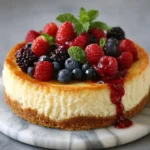
- Prepare Berries: Within 2 hours of serving, rinse berries gently under cool water, pat *thoroughly* dry with paper towels (wet berries dilute flavor and slide off cake), hull strawberries, and sort for peak ripeness. Arrange artfully—cluster raspberries in the center, fan strawberry quarters around the perimeter, tuck blueberries in gaps, and scatter blackberries for contrast.
- Unmold with Confidence: Run a thin, flexible offset spatula or warm knife around the inner edge of the pan. Release the springform collar. For clean transfer, place cake on a parchment-lined cardboard round, then slide onto serving platter. Wipe any stray crumbs from base with damp paper towel.
Tips
- Room Temperature Is Non-Negotiable: Every dairy ingredient—cream cheese, sour cream, eggs, even heavy cream—must be truly room temperature (68–72°F). Cold ingredients cause uneven emulsification, leading to lumps, air pockets, and structural weakness.
- Scrape Relentlessly: Scrape the paddle, bowl, and spatula after *every single step*. Residual unmixed cheese or sugar creates dense streaks and inconsistent baking.
- Low Speed Saves Lives (and Cheesecakes): Always mix filling on low or medium-low. High speeds trap air, which expands and collapses in the oven—causing cracks and a coarse crumb.
- Water Bath Water Must Be Hot—Not Boiling: Boiling water causes violent steam bursts and rapid temperature swings. Use freshly boiled water that’s cooled 2 minutes—just hot enough to maintain ambient heat without shocking the cake.
- Don’t Peek Before the 1-Hour Mark: Opening the oven early drops temperature dramatically and invites sinking and cracking. Resist! Set a timer and trust the process.
- Thermometer > Visual Cues: While jiggle tests work, an instant-read thermometer removes guesswork. Target 150–155°F at the center for perfect doneness—underbaked cakes weep; overbaked ones crumble.
- Pat Berries Dry—Twice: After rinsing and again after arranging. Excess moisture creates a slippery surface and dulls flavor intensity. A microfiber cloth works wonders for delicate raspberries.
- Use a Hot Knife for Clean Slices: Dip a thin, sharp chef’s knife in hot water, wipe dry, cut, repeat. This prevents dragging, smearing, or compressing the delicate crumb.
- Chill Your Serving Plate: A chilled marble slab or refrigerated ceramic plate keeps slices cool longer and prevents berry juices from immediately soaking into the crust.
- Freeze for Future Joy: Unfrosted, fully chilled cheesecake (without berries) freezes beautifully for up to 3 months. Wrap *tightly* in plastic + foil, thaw overnight in fridge, then top with fresh berries just before serving.
Variations and Customizations
This recipe is a canvas—elegant in its simplicity, yet endlessly adaptable to seasons, dietary needs, and personal flair:
- Gluten-Free Crust: Substitute gluten-free graham crackers or almond flour–coconut shortbread crust (1 ¼ cups almond flour, ¼ cup shredded coconut, 3 tbsp maple syrup, 3 tbsp melted butter, pinch salt).
- Lighter Dairy Options: Replace sour cream with full-fat Greek yogurt (strained overnight) and heavy cream with cold, full-fat coconut cream (chilled, solid part only)—results are slightly tangier and earthier, but remarkably creamy.
- Vegan Adaptation: Use soaked cashews (1 ½ cups), silken tofu (½ cup), coconut cream (½ cup), maple syrup (⅔ cup), lemon juice (1 tbsp), vanilla bean, and agar-agar (1 tsp bloomed in 2 tbsp water) blended until ultra-smooth. Set in a chilled water bath at 325°F for 60–70 minutes.
- Flavor Infusions: Steep 1 cinnamon stick or 2 cardamom pods in warmed cream for 15 minutes before adding to batter. Or stir in 2 tbsp finely chopped toasted white chocolate or Tahitian vanilla bean paste for floral luxury.
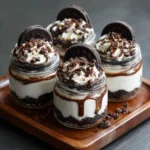
- Crust Twists: Swap graham for ginger snap (spiced warmth), speculoos (caramelized spice), Oreo (chocolate depth), or brown butter–toasted oat (nutty, rustic).
- Berry Swirl: Before baking, dollop ¼ cup seedless raspberry coulis over batter and gently drag a toothpick through in figure-eights for a marbled effect.
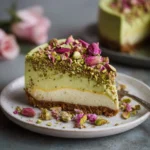
- Herbal Accent: Garnish with edible lavender buds, lemon balm leaves, or mint sprigs alongside berries for aromatic sophistication.
- Decadent Drizzles: Serve with warm white chocolate–vanilla ganache, blackberry–balsamic reduction, or toasted almond–honey brittle crumble.
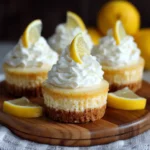
- Mini Individual Versions: Bake in lined muffin tins (lined with parchment collars) for 25–30 minutes—perfect for portion control and elegant presentation.
- Boozy Elegance: Fold 1 tbsp orange liqueur (Cointreau) or aged rum into batter for a subtle, warming complexity—best paired with blood orange segments and blackberries.
Health Considerations and Nutritional Value
While undeniably indulgent, Vanilla Cheesecake with Fresh Berries can be appreciated as part of a balanced, joyful eating pattern—especially when thoughtfully prepared and mindfully enjoyed. A standard slice (1/12 of a 9-inch cake, ~180g) contains approximately:
- Calories: 380–420 kcal (varies with crust thickness and berry load)
- Total Fat: 26–29g (16–18g saturated)—primarily from dairy fats, which contain conjugated linoleic acid (CLA) and fat-soluble vitamins A, D, E, and K2 (especially in grass-fed sources).
- Protein: 7–9g—high-quality complete protein from eggs and dairy supports satiety and muscle maintenance.
- Carbohydrates: 32–36g (24–27g sugars)—mostly from added sugar in crust and filling, plus natural fructose in berries.
- Fiber: 1.5–2g (primarily from graham cracker crust and berries)—enhanced significantly with GF oat or almond crusts (up to 4g/slice).
- Vitamins & Minerals: Notable amounts of calcium (15% DV), phosphorus (12% DV), riboflavin (B2), and vitamin B12—all vital for bone health, energy metabolism, and neurological function.
- Phytonutrients: Fresh berries deliver potent antioxidants—including anthocyanins (anti-inflammatory), ellagic acid (cell-protective), and quercetin (immune-supportive)—which research links to reduced oxidative stress and improved vascular health.
Dietary Notes: Naturally low in sodium (<200mg/slice); contains no trans fats when made with real butter and unhydrogenated oils; free of artificial colors or preservatives when using whole-food ingredients. For those managing blood sugar, pairing with a small portion of nuts or serving after a protein-rich meal slows glucose response. Lactose-intolerant individuals may tolerate small servings due to fermentation in sour cream and aging in cream cheese—but lactase enzyme supplementation or dairy-free alternatives are recommended for sensitivity. Always consult a registered dietitian for personalized guidance.
Ingredients
Makes one 9-inch cheesecake (12 servings)
- For the Crust:
– 1 ½ cups (150g) graham cracker crumbs (about 12 full 2.5″x5″ rectangles)
– ¼ cup (50g) granulated sugar
– ¼ tsp fine sea salt
– 6 tbsp (85g) unsalted butter, melted and cooled - For the Filling:
– 24 oz (680g) full-fat brick-style cream cheese, room temperature (cut into 1-inch cubes)
– ¾ cup (150g) granulated sugar
– 1 cup (240g) full-fat sour cream, room temperature
– ½ cup (120ml) heavy cream (36–40% fat), room temperature
– 3 large eggs, room temperature
– 2 tsp pure Madagascar bourbon vanilla extract (or seeds from 1 whole bean)
– 1 tsp fresh lemon juice
– 1 tsp finely grated lemon zest
– ¼ tsp fine sea salt - For the Topping:
– 1 ½ cups mixed fresh berries (strawberries, raspberries, blueberries, blackberries)
– Optional: 2 tbsp honey or maple syrup, warmed, for gentle glaze
– Optional: 2 tbsp crème fraîche or mascarpone, lightly whipped, for garnish
Directions
- Preheat oven to 325°F (163°C). Prepare a 9-inch springform pan: grease bottom and sides with butter, then wrap exterior tightly with two overlapping layers of heavy-duty aluminum foil.
- Make crust: In a medium bowl, combine graham cracker crumbs, ¼ cup sugar, and ¼ tsp salt. Stir in melted butter until mixture resembles wet sand. Press firmly and evenly into bottom and 1 inch up sides of pan. Bake 10 minutes. Cool completely on wire rack.
- In stand mixer with paddle attachment, beat cream cheese on medium speed 1 minute until smooth. Add sugar gradually in 3 parts, beating 20 sec after each. Scrape bowl thoroughly.
- Add sour cream and heavy cream; mix on low 30 sec, then medium 30 sec until combined. Add eggs one at a time on low speed, beating 15 sec each, scraping bowl after each addition.
- Fold in vanilla, lemon juice, zest, and salt with silicone spatula until *just* combined—do not overmix.
- Place springform pan inside large roasting pan. Pour batter into crust. Carefully pour hot water into roasting pan until halfway up springform sides.
- Bake 1 hr 15 min–1 hr 25 min, until edges are set and center jiggles slightly. Internal temp should read 150–155°F (65–68°C).
- Turn off oven. Crack door open 1 inch with spoon handle. Cool cheesecake in oven 1 hour.
- Remove from water bath. Carefully peel off foil. Cool on wire rack 2 hours at room temperature.
- Cover loosely with plastic wrap (touching surface) and refrigerate minimum 12 hours—preferably 24–48 hours.
- Within 2 hours of serving, prepare berries: rinse gently, pat *completely* dry, hull and quarter strawberries. Arrange artistically over chilled cheesecake.
- Run warm knife around edge, release springform collar, and serve with chilled plates and hot-knife slices.
FAQ
- Can I skip the water bath?
- No—especially for this recipe. Without it, the cheesecake bakes too rapidly, causing severe cracking, dry edges, and a rubbery texture. The water bath provides gentle, even heat essential for the custard-like structure.
- Why did my cheesecake crack?
- Most common causes: overmixing after adding eggs, cooling too quickly (oven door opened too soon or refrigerated while warm), or overbaking. Ensure gradual cooling and precise internal temperature.
- Can I use low-fat cream cheese or sour cream?
- Not recommended. Reduced-fat versions contain stabilizers, gums, and extra water that prevent proper emulsification—resulting in grainy, watery, or collapsed cheesecake.
- How do I store leftovers?
- Keep covered tightly in refrigerator for up to 5 days. Do not freeze *with berries*—they’ll discolor and turn mushy. Freeze plain cheesecake only.
- Can I make this ahead?
- Absolutely—and it’s encouraged! Cheesecake tastes best after 24–48 hours of chilling. Prepare crust and batter up to 1 day ahead; bake and chill as directed.
- What if I don’t have a springform pan?
- You can use a regular 9-inch cake pan lined with *overhanging parchment* (for lifting), but unmolding will be less clean. Springform is strongly recommended for integrity and presentation.
- Can I substitute lemon juice with vinegar?
- No. Lemon juice contributes essential brightness and volatile aromatics. White vinegar lacks nuance and may impart harshness. Lime or orange juice are acceptable substitutes in equal measure.
- Why does my crust crumble when I cut?
- Either it wasn’t pressed firmly enough into the pan, or it wasn’t pre-baked long enough. Also, ensure cheesecake is fully chilled—warm cake melts the butter in the crust, causing disintegration.
- Can I add fruit directly into the batter?
- Not recommended. Fresh fruit adds excess moisture and acidity, interfering with setting. Swirling coulis *on top* before baking is safer—but fresh berries belong strictly as a final, uncooked garnish.
- Is there a way to reduce sugar without sacrificing texture?
- Yes—reduce sugar in filling by up to 2 tbsp (to ⅔ cup) without major impact. Never reduce crust sugar below 2 tbsp—it’s needed for binding. Consider using monk fruit–erythritol blend (1:1 ratio) for keto-friendly version—but test first, as bulking agents vary.
Summary
Vanilla Cheesecake with Fresh Berries is a masterclass in balance—rich yet refreshing, traditional yet vibrant, labor-intensive in method but effortless in elegance. Its success lies not in complexity, but in reverence for quality ingredients, patience in technique, and celebration of nature’s seasonal abundance.
From the buttery graham cracker foundation to the cloud-soft, vanilla-kissed filling and the jewel-toned mosaic of sun-ripened berries, every bite delivers harmony—proof that the most unforgettable desserts honor both craft and joy, one perfectly chilled slice at a time.