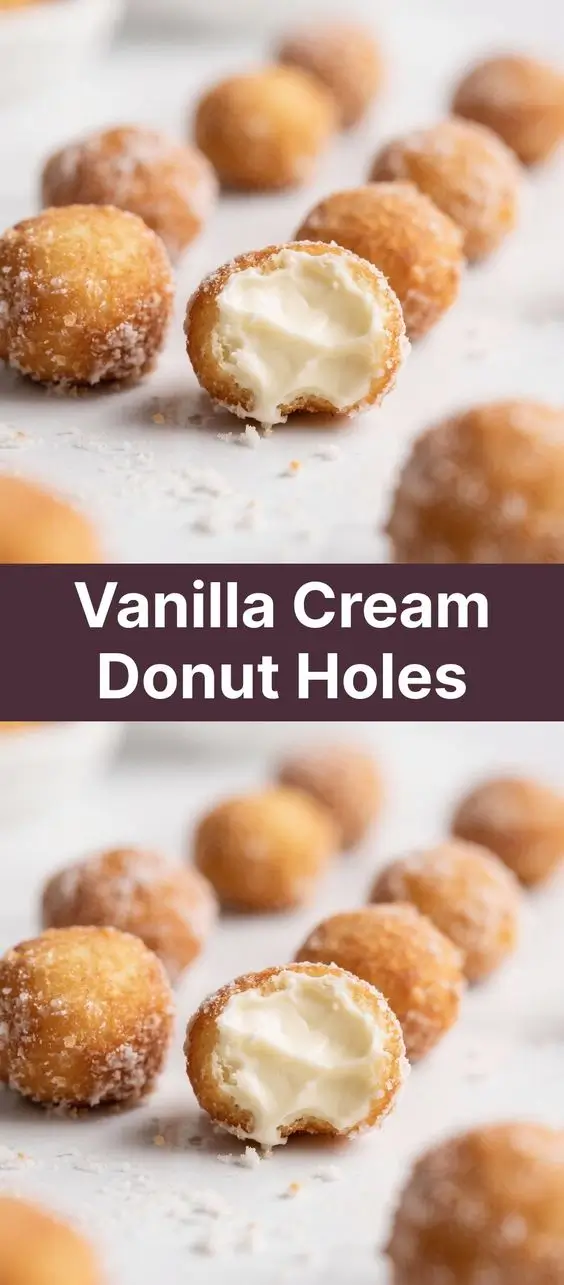
Vanilla Cream Donut Holes: A Decadent Bite-Sized Delight
The History of Donut Holes and the Rise of the Vanilla Cream Variety
The origin of donut holes traces back to the early 20th century when doughnuts were traditionally made by cutting round shapes out of rolled dough using a cutter. The center plug—initially considered a byproduct—was discovered to be just as delicious when fried, leading to the birth of the “donut hole.” While originally named after their shape and function in the frying process, these bite-sized treats soon gained popularity for their portability and satisfying texture.
Over time, bakers began experimenting with flavors, fillings, and glazes, transforming the humble donut hole into a gourmet indulgence. The vanilla cream donut hole emerged as a favorite among those who prefer a rich, creamy interior with a soft, cake-like exterior. Inspired by classic filled doughnuts like Boston creams, the vanilla cream variation incorporates a smooth, sweet custard or pastry cream filling that oozes with every bite. Today, from neighborhood bakeries to national chains, vanilla cream donut holes are celebrated as a beloved treat across the United States and beyond.
Ingredients Breakdown: What Makes Vanilla Cream Donut Holes Irresistible?
The magic of vanilla cream donut holes lies in the harmony between their tender, fluffy exterior and luscious, aromatic filling. Each ingredient plays a crucial role in creating the perfect balance of sweetness, moisture, and structure. Here’s a detailed look at the components:
- All-Purpose Flour: Provides the foundational structure. It contains gluten-forming proteins that give the donut holes their slight chewiness while remaining light.
- Granulated Sugar: Adds sweetness and helps create a delicate crumb. It also contributes to browning during frying, giving the exterior a golden hue.
- Baking Powder & Baking Soda: Leavening agents that ensure the donuts rise properly, resulting in an airy and soft texture.
- Salt: Enhances flavor and balances the sweetness, preventing the final product from tasting flat or overly sugary.
- Butter (Unsalted): Imparts richness and a buttery flavor. When creamed with sugar, it traps air, contributing to fluffiness.
- Eggs: Act as binders and add moisture, protein, and emulsifying properties, improving texture and helping the batter hold together.
- Milk: Adds liquid content for hydration and tenderness. Whole milk is preferred for its fat content, which enhances mouthfeel.
- Vanilla Extract: The star flavoring agent. Pure vanilla extract delivers a warm, floral aroma essential to the signature taste.
- Heavy Cream (for filling): Used to make the pastry cream, providing thickness and silkiness. Its high fat content ensures a luxurious mouthfeel.
- Cornstarch: Thickens the vanilla cream filling, preventing it from being runny and ensuring it stays inside the donut when piped.
- Powdered Sugar (for glaze): Creates a smooth, glossy glaze that sets slightly but remains soft. It dissolves easily and adds sweetness without graininess.
- Vegetable Oil (for frying): Neutral in flavor and has a high smoke point, making it ideal for deep frying without imparting off-flavors.
Step-by-Step Recipe: How to Make Perfect Vanilla Cream Donut Holes at Home
Creating bakery-quality vanilla cream donut holes in your own kitchen is easier than you think! Follow this detailed guide for consistent results every time.
Ingredients
For the Donut Holes:
- 2 cups (250g) all-purpose flour
- 1/2 cup (100g) granulated sugar
- 2 teaspoons baking powder
- 1/2 teaspoon baking soda
- 1/4 teaspoon salt
- 1/2 cup (113g) unsalted butter, softened
- 2 large eggs
- 1/2 cup (120ml) whole milk
- 2 teaspoons pure vanilla extract
- Vegetable oil, for frying (enough to fill a pot 2–3 inches deep)
For the Vanilla Cream Filling:
- 1 cup (240ml) heavy cream
- 1/2 cup (100g) granulated sugar
- 3 large egg yolks
- 2 tablespoons cornstarch
- 1 teaspoon pure vanilla extract
- 2 tablespoons unsalted butter (optional, for extra richness)
For the Glaze:
- 1 cup (120g) powdered sugar
- 2–3 tablespoons milk or cream
- 1/2 teaspoon vanilla extract
- Pinch of salt
Directions
Step 1: Prepare the Vanilla Cream Filling
- In a medium saucepan, heat the heavy cream over medium heat until it begins to simmer. Do not boil.
- In a separate bowl, whisk together sugar, egg yolks, and cornstarch until smooth and pale yellow.
- Slowly pour the hot cream into the egg mixture, whisking constantly to temper the yolks and prevent scrambling.
- Pour the mixture back into the saucepan and cook over medium-low heat, stirring constantly with a wooden spoon or silicone spatula, until it thickens into a custard (about 5–7 minutes).
- Remove from heat and stir in vanilla extract and butter (if using). Transfer to a bowl, press plastic wrap directly onto the surface to prevent a skin from forming, and refrigerate for at least 2 hours or until completely chilled and firm.
Step 2: Make the Donut Batter
- In a large mixing bowl, cream together softened butter and granulated sugar until light and fluffy (about 2–3 minutes).
- Add eggs one at a time, beating well after each addition.
- Stir in vanilla extract and milk until combined.
- In a separate bowl, sift together flour, baking powder, baking soda, and salt.
- Gradually add the dry ingredients to the wet mixture, mixing on low speed or by hand until just combined. Do not overmix; a few small lumps are okay.
- Cover the bowl and refrigerate the batter for 30 minutes. This helps it firm up and makes scooping easier.
Step 3: Fry the Donut Holes
- Heat vegetable oil in a heavy-bottomed pot or Dutch oven to 350°F (175°C). Use a candy thermometer to monitor temperature accurately.
- Using a small cookie scoop or two spoons, form tablespoon-sized balls of batter and gently drop them into the hot oil. Do not overcrowd—fry 4–5 at a time.
- Fry for 2–3 minutes per side, turning occasionally, until golden brown and cooked through.
- Remove with a slotted spoon or spider strainer and drain on a wire rack set over paper towels. Allow to cool completely before filling.
Step 4: Fill with Vanilla Cream
- Fit a piping bag with a small round tip (like Wilton #230) or use a squeeze bottle.
- Fill the bag with chilled vanilla cream.
- Insert the tip about halfway into the side of each cooled donut hole and gently squeeze to inject 1–2 teaspoons of filling. You should feel the donut expand slightly.
- Wipe the tip clean between donuts to avoid clogging.
Step 5: Glaze and Serve
- In a small bowl, whisk together powdered sugar, 2 tablespoons of milk, vanilla extract, and salt. Add more milk if needed to reach a smooth, pourable consistency.
- Dip the top of each filled donut hole into the glaze, allowing excess to drip off.
- Place on a wire rack to let the glaze set for 10–15 minutes before serving.
Expert Tips for Flawless Vanilla Cream Donut Holes
- Maintain Oil Temperature: Keep the oil between 350°F and 360°F. Too hot, and the outsides will burn before the insides cook; too cool, and the donuts will absorb excess oil and become greasy.
- Chill the Batter: Refrigerating the batter helps prevent spreading during frying and improves texture.
- Don’t Overfill: Inject just enough cream to feel the donut plump up. Overfilling can cause bursting or messy leakage.
- Use Fresh Baking Powder: Old leavening agents lose potency. Test yours by mixing a teaspoon with hot water—if it doesn’t bubble vigorously, replace it.
- Sift Dry Ingredients: Prevents clumps and ensures even distribution of leaveners and salt.
- Work Quickly with Custard: Stir constantly when cooking the vanilla cream to avoid scorching on the bottom.
- Store Properly: Keep unfilled donut holes at room temperature for up to 1 day or freeze for longer storage. Fill just before serving for best texture.
Variations and Customizations: Make It Your Own
While classic vanilla cream donut holes are timeless, there’s plenty of room for creativity. Try these variations to suit different tastes and occasions:
- Chocolate Glaze: Replace the vanilla glaze with melted chocolate or a chocolate ganache for a decadent twist.
- Strawberry-Filled: Swap the vanilla cream for fresh strawberry compote or seedless jam.
- Lemon Cream: Add lemon zest and a splash of juice to the custard for a bright, citrusy version.
- Coconut Crusted: Roll glazed donut holes in shredded coconut for added texture and tropical flair.
- Espresso Cream: Infuse the cream with instant espresso powder or strong brewed coffee for a mocha-inspired treat.
- Gluten-Free: Substitute all-purpose flour with a 1:1 gluten-free flour blend. Add 1/4 teaspoon xanthan gum if not included.
- Vegan Option: Use plant-based butter, flax eggs (1 tbsp ground flax + 3 tbsp water per egg), almond milk, and a vegan pastry cream made with cornstarch and coconut cream.
- Mini Munchkins Style: Make smaller, unfilled versions baked instead of fried—perfect for snacking.
- Sprinkle Topped: Add rainbow or chocolate sprinkles to the glaze for a festive look, great for birthdays.
- Bacon & Maple Glaze: For a sweet-savory combo, drizzle with maple glaze and crumbled candied bacon bits.
Health Considerations and Nutritional Value
While vanilla cream donut holes are undeniably indulgent, understanding their nutritional profile can help with mindful enjoyment.
Nutritional Breakdown (Per Donut Hole, Approximate):
- Calories: ~180–220
- Total Fat: 10–14g (Saturated Fat: 5–7g)
- Cholesterol: 45–60mg
- Sodium: 80–120mg
- Total Carbohydrates: 22–28g (Sugars: 14–18g)
- Protein: 2–3g
Health Notes:
- High in Sugar: These treats contain significant added sugars from both the batter and glaze. Enjoy in moderation, especially for those managing blood sugar levels.
- Saturated Fat Content: Butter, eggs, and cream contribute saturated fats. Those with heart concerns may consider limiting intake.
- Gluten and Allergens: Contains gluten, dairy, and eggs—common allergens. Always label accordingly when serving others.
- Portion Control: Their small size can lead to overeating. Stick to 2–3 per serving to balance enjoyment with health.
- Healthier Swaps: To reduce guilt, try baking instead of frying, using low-fat milk, reducing sugar slightly, or filling with Greek yogurt-based cream.
Frequently Asked Questions (FAQ)
Can I bake vanilla cream donut holes instead of frying?
Yes! For a lighter version, pipe batter into a greased or lined mini muffin tin and bake at 350°F for 10–12 minutes. Note: they won’t have the same crisp outer layer, and the texture will be more cake-like.
How do I store vanilla cream donut holes?
Unfilled donut holes can be stored in an airtight container at room temperature for 1 day or frozen for up to 2 months. Fill with cream only when ready to serve to prevent sogginess.
Can I make the filling ahead of time?
Absolutely. The vanilla cream can be made 2–3 days in advance and kept covered in the refrigerator. Re-whisk briefly before piping if separation occurs.
Why did my donut holes come out dense?
Overmixing the batter develops gluten, leading to toughness. Mix just until ingredients are incorporated. Also, check that your baking powder is fresh and active.
Can I use store-bought custard for the filling?
Yes, though homemade offers better flavor and control over ingredients. If using pre-made, opt for pastry cream or vanilla pudding, and thicken with a bit of cornstarch if needed.
What oil is best for frying donut holes?
Neutral oils with high smoke points work best—canola, vegetable, peanut, or sunflower oil. Avoid olive oil due to its strong flavor and low smoke point.
How many donut holes does this recipe make?
Approximately 24–28, depending on size. Use a 1-tablespoon scoop for uniform portions.
Can I freeze filled donut holes?
Not recommended. The filling may weep or alter texture upon thawing. Freeze unfilled donuts, then fry, fill, and glaze after reheating.
Summary
Vanilla cream donut holes combine a tender, golden-fried exterior with a luxuriously smooth vanilla custard center, topped with a sweet glaze for a complete dessert experience.
Easy to customize, perfect for parties, and irresistibly delicious, these bite-sized treats bring bakery-level joy straight to your kitchen.