Introduction
The Vegan Chickpea Salad Sandwich is a beloved plant-based staple—creamy, hearty, protein-rich, and endlessly adaptable. Unlike traditional tuna or egg salads, this vibrant, fiber-packed alternative delivers satisfying texture and depth of flavor without animal products, making it a go-to for lunchboxes, picnics, potlucks, meal prep, and quick weekday meals. Its simplicity belies its sophistication: humble pantry staples transform into something nourishing, flavorful, and deeply comforting—proof that ethical eating need never compromise on taste, texture, or satisfaction. Whether you’re a longtime vegan, a curious flexitarian, or simply seeking a lighter, more sustainable midday meal, this chickpea salad sandwich offers versatility, nutrition, and soul-warming appeal—all in one delicious, no-cook (or minimal-cook) package.
The History
Chickpeas—also known as garbanzo beans—have been cultivated for over 7,500 years, with archaeological evidence tracing their domestication to the Fertile Crescent (modern-day Turkey, Syria, and Iraq). Revered across Mediterranean, Middle Eastern, Indian, and North African cuisines, they appeared in ancient Roman stews, Persian khoresh, Indian chana masala, and Levantine hummus. The modern “chickpea salad” iteration, however, emerged more recently in Western vegetarian and vegan movements of the late 20th century. As health-conscious eaters sought accessible, affordable, and allergen-friendly alternatives to mayonnaise-laden tuna or egg salads, mashed or chopped chickpeas became a natural foundation. Early versions appeared in seminal vegan cookbooks like *Laurel’s Kitchen* (1976) and *The Moosewood Cookbook* (1977), where cooks experimented with binding agents like mashed avocado, tahini, or silken tofu instead of eggs. By the 2000s, food blogs and social media accelerated its evolution—introducing Dijon mustard, capers, dill pickles, nutritional yeast, and even turmeric for “egg-like” color and umami. Today, the Vegan Chickpea Salad Sandwich stands not just as a substitute, but as a culturally resonant, globally inspired dish with deep roots and bright, contemporary expression.
Ingredients Breakdown
Every ingredient in this recipe serves a distinct functional and sensory purpose—balancing creaminess, acidity, crunch, salt, umami, and aroma. Understanding their roles empowers customization and troubleshooting:
- Chickpeas (canned or cooked from dry): The structural backbone—providing plant-based protein (≈7.3g per ½ cup), dietary fiber (≈6g), folate, iron, and resistant starch. Canned are convenient (just rinse well to reduce sodium and remove excess starch); dried offer superior texture and lower sodium when cooked with aromatics like bay leaf and garlic.
- Plant-Based Mayo: The primary binder and source of richness. Look for certified vegan brands free of eggs, dairy, and honey. Options include soy-, avocado-, or olive oil–based varieties. Homemade versions (blended silken tofu + lemon + mustard + oil) add extra protein and avoid preservatives.
- Dijon Mustard: Adds tang, depth, and emulsifying power—helping bind oil and water components while contributing subtle heat and complexity. Grainy mustard adds delightful textural contrast.
- Lemon Juice (freshly squeezed): Brightens flavor, balances richness, prevents browning, and enhances mineral absorption (especially non-heme iron from chickpeas). Bottled juice lacks volatile aromatic compounds and often contains preservatives.
- Red Onion (finely minced): Offers sharp, sweet-allium bite and vibrant color. Soaking in cold water for 5–10 minutes mellows pungency for sensitive palates.
- Celery (finely diced): Provides essential crispness and vegetal freshness—its high water content and dietary fiber contribute to mouthfeel and satiety.
- Dill Pickle Relish or Finely Chopped Cornichons: Delivers briny acidity and fermented funk—mimicking the oceanic depth of tuna salad. Low-sugar or no-sugar-added versions prevent unwanted sweetness.
- Nutritional Yeast (“nooch”): A deactivated yeast rich in B-vitamins (especially B12 if fortified), with a naturally cheesy, nutty, umami-forward profile. It deepens savoriness and adds a subtle “eggy” resonance without cholesterol or allergens.
- Garlic (minced or pressed): Adds pungent warmth and antimicrobial benefits. Roasted garlic offers mellow sweetness; garlic powder works in a pinch but lacks enzymatic benefits.
- Sea Salt & Freshly Ground Black Pepper: Essential for flavor layering—salt amplifies other tastes and improves texture perception; pepper adds gentle heat and volatile oils.
- Optional Enhancers: Capers (briny pop), kelp granules (iodine + oceanic nuance), smoked paprika (warmth and depth), fresh dill or parsley (herbal brightness), nori flakes (umami + sea minerals), turmeric (golden hue + anti-inflammatory curcumin).
Step-by-Step Recipe
- Drain & Rinse Thoroughly: Place 2 (15-oz) cans of chickpeas (or 3 cups cooked) in a fine-mesh strainer. Rinse under cold running water for at least 45 seconds, gently rubbing beans with fingers to remove residual canning liquid (which contains sodium and polysaccharides that cause mushiness). Shake well to remove excess water—this step is critical for ideal texture.
- Mash Thoughtfully: Transfer chickpeas to a medium mixing bowl. Using a potato masher, fork, or pastry cutter, mash *only ⅔ of the batch* until mostly broken down but still slightly chunky—reserve ⅓ whole for texture contrast. Avoid over-mashing into paste (which yields gluey results) or leaving all whole (which causes salad to fall apart).
- Sauté Aromatics (Optional but Recommended): In a small nonstick skillet over medium-low heat, warm 1 tsp neutral oil. Add 2 tbsp finely minced red onion and 1 clove minced garlic. Sauté 2–3 minutes until softened and fragrant—but not browned—to mellow sharpness and deepen sweetness. Cool completely before adding to bowl.
- Combine Wet Ingredients: In a small bowl, whisk together ⅓ cup vegan mayo, 1½ tbsp Dijon mustard, 2 tbsp fresh lemon juice, 1 tsp nutritional yeast, ¼ tsp sea salt, and ¼ tsp freshly ground black pepper until smooth and emulsified.
- Integrate Dry & Crunchy Elements: To the mashed chickpea mixture, add the cooled sautéed aromatics (if using), 2 tbsp finely diced celery, 2 tbsp finely chopped dill pickle or relish, and any optional add-ins (e.g., 1 tsp capers, ¼ tsp smoked paprika, 1 tbsp chopped fresh dill). Gently fold with a silicone spatula.
- Emulsify Gradually: Pour wet dressing over chickpea mixture in 3 additions, folding gently after each addition—just until combined. Overmixing warms ingredients and breaks down texture. Stop as soon as no dry streaks remain.
- Chill & Marry Flavors: Cover bowl tightly with beeswax wrap or lid and refrigerate for *at least 1 hour*, ideally 2–4 hours or overnight. This allows flavors to harmonize, starches to hydrate, and texture to firm up—resulting in cleaner slices and enhanced depth.
- Taste & Adjust: Before assembling, taste and adjust: need more brightness? Add ½ tsp lemon. Too mild? A pinch more salt or mustard. Flat? A dash of apple cider vinegar or tamari. Too thick? A teaspoon of unsweetened plant milk or aquafaba (chickpea brine).
Tips
- Texture Is Everything: For optimal mouthfeel, aim for a 60/40 ratio of mashed-to-whole chickpeas. Use a potato masher—not a food processor—unless pulsing for 2 seconds only (over-processing creates gummy, dense results).
- Aquafaba Magic: Reserve 2–3 tbsp of rinsed chickpea liquid (aquafaba) to replace part of the mayo for added creaminess, binding power, and zero-waste nutrition (rich in saponins and soluble fiber).
- Temperature Matters: Keep all ingredients cold—especially mayo and lemon juice—to prevent separation and ensure a clean, cohesive mix. Chill your mixing bowl for 10 minutes beforehand in hot climates.
- No-Sog Method for Sandwiches: Lightly toast bread to create a moisture barrier. Spread a thin layer of vegan butter or mashed avocado on *both* inner slices before adding salad—this seals pores and prevents sogginess for up to 4 hours.
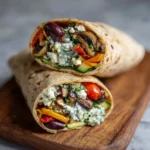
- Wrap Wisdom: For wraps, use pliable, high-fiber tortillas (sprouted grain, lentil, or almond-flour based). Warm briefly in a dry skillet (10 sec/side) to increase flexibility and reduce tearing. Lay flat, spread salad in center third, leave 1-inch borders, fold sides inward, then roll tightly from bottom—tuck seam side down and wrap snugly in parchment + foil for portable meals.
- Meal Prep Friendly: Store undressed salad base (without celery/pickle/onion) for up to 5 days; add fresh crunchy elements *just before serving* to preserve texture. Portion into ½-cup containers for grab-and-go lunches.
- Bread Pairing Guide: Whole-grain sourdough adds tang and chew; seeded rye offers earthy depth; gluten-free buckwheat or teff bread provides nuttiness and structure; lettuce cups or collard green wraps deliver ultra-low-carb freshness.
- Make-Ahead Dressing: Whisk wet ingredients separately and store in a small jar for up to 1 week—allows rapid assembly and avoids overdressing when scaling recipes.
Variations and Customizations
This recipe is a canvas—not a contract. Below are globally inspired, dietary-specific, and seasonally attuned adaptations—each tested for balance, texture, and nutrition:
- Mediterranean Style: Replace pickle with 2 tbsp chopped Kalamata olives + 1 tsp lemon zest + 1 tbsp chopped fresh oregano + ¼ tsp crumbled dried mint. Serve on pita with cucumber ribbons and tomato slices.
- Curried Chickpea Salad: Omit mustard & pickle; add 1½ tsp Madras curry powder, ½ tsp ground cumin, ¼ tsp ground ginger, 1 tbsp golden raisins, 2 tbsp toasted slivered almonds, and a swirl of coconut yogurt instead of mayo.
- Southwest Fiesta: Swap lemon for lime juice; add ½ tsp chipotle powder, ¼ tsp cumin, 2 tbsp corn kernels (fresh, frozen/thawed, or roasted), 2 tbsp black beans, 1 tbsp chopped cilantro, and 1 tsp adobo sauce.
- “Everything Bagel” Chickpea Salad: Fold in 1 tbsp everything bagel seasoning + 1 tbsp finely chopped scallions + 1 tsp capers + ½ tsp white miso paste for fermented depth.
- Avocado-Boosted (Oil-Free & Whole-Food Plant-Based): Replace all mayo with 1 ripe mashed avocado + 1 tbsp lemon juice + 1 tsp Dijon + pinch of salt. Add 1 tbsp hemp hearts for omega-3s and creaminess.
- Protein-Packed Power Version: Stir in 2 tbsp hulled hemp seeds, 1 tbsp ground flaxseed, and 1 scoop unflavored pea protein isolate (blended with 1 tsp water first to prevent grittiness).
- Kid-Friendly Mild: Skip raw onion/garlic; use sweet relish instead of dill; add 1 tsp maple syrup and 1 tbsp sunflower seed butter for gentle sweetness and creaminess.
- Low-Sodium Adaptation: Use no-salt-added canned chickpeas, omit added salt, rely on lemon, herbs, nutritional yeast, and umami boosters (miso, tamari, mushroom powder) for flavor.
- Winter Root Veggie Twist: Add ¼ cup grated roasted beet (for color and earthiness) + 2 tbsp grated raw parsnip + 1 tsp orange zest + 1 tbsp chopped toasted walnuts.
- Spring Herb Garden: Fold in 3 tbsp mixed fresh herbs (dill, chives, tarragon, parsley), 1 tbsp edible flowers (nasturtiums or chive blossoms), and 1 tsp lemon thyme.
Health Considerations and Nutritional Value
A single standard serving (¾ cup chickpea salad on two slices of whole-grain bread ≈ 420–480 kcal) delivers exceptional macro- and micronutrient density with thoughtful formulation:
- Protein Powerhouse: ≈15–18g complete-ish protein (enhanced by nutritional yeast and complementary grains)—supports muscle maintenance, satiety, and blood sugar regulation. Chickpeas contain all nine essential amino acids, though methionine is lower; pairing with whole grains (bread, quinoa, or wraps) achieves full complementarity.
- Fiber Champion: ≈12–16g total fiber (soluble + insoluble)—slows glucose absorption, feeds beneficial gut microbiota (producing butyrate), reduces LDL cholesterol, and promotes regularity. Far exceeds the FDA’s Daily Value (28g), helping mitigate risks of diverticulosis, IBS, and colorectal cancer.
- Heart-Healthy Fats: Monounsaturated fats (from olive oil–based mayo or avocado) + omega-3 ALA (from flax/hemp seeds in variations) support endothelial function, reduce arterial inflammation, and improve triglyceride profiles.
- Vitamin & Mineral Synergy: Rich in folate (crucial for DNA synthesis and neural tube development), iron (non-heme—boost absorption with vitamin C from lemon), magnesium (muscle/nerve function), potassium (blood pressure regulation), and zinc (immune resilience). Fortified nutritional yeast adds bioavailable B12—an essential nutrient absent in unfortified plant foods.
- Glycemic Intelligence: Low glycemic load (GL ≈ 8–10) due to high fiber, protein, and healthy fat content—ideal for prediabetes, insulin resistance, and sustained energy without crashes.
- Allergen-Conscious Design: Naturally free of dairy, eggs, fish, shellfish, tree nuts (unless added), and gluten (when served on GF bread or lettuce cups). Soy-free options available using avocado or tahini-based dressings.
- Phytonutrient Bonus: Contains saponins (anti-inflammatory, cholesterol-modulating), polyphenols (antioxidant), and resistant starch (prebiotic fermentation fuel)—all preserved through minimal processing.
- Considerations: Those with IBS may benefit from low-FODMAP prep: use well-rinsed canned chickpeas (limit to ¼ cup per serving), swap onion/garlic for garlic-infused oil and green onion tops, and omit apple/pear-based relishes. Monitor sodium intake if using conventional mayo or pickles—opt for low-sodium versions or homemade alternatives.
Ingredients
- 2 (15-ounce) cans organic chickpeas, drained and thoroughly rinsed (or 3 cups cooked dried chickpeas)
- ⅓ cup high-quality vegan mayonnaise (soy-free or avocado oil–based preferred)
- 1½ tablespoons Dijon mustard (grainy for texture, smooth for uniformity)
- 2 tablespoons freshly squeezed lemon juice (plus zest of ½ lemon for brightness)
- 2 tablespoons finely minced red onion (soaked in cold water 5 minutes, then drained)
- 2 tablespoons finely diced celery (rib and leaf for maximum flavor)
- 2 tablespoons finely chopped dill pickle or low-sugar dill pickle relish
- 1 tablespoon nutritional yeast (fortified with B12)
- 1 small clove garlic, finely minced or pressed (optional; sautéed for milder flavor)
- ¼ teaspoon fine sea salt (adjust to taste)
- ¼ teaspoon freshly ground black pepper
- Optional enhancements: 1 teaspoon capers, ¼ teaspoon smoked paprika, 1 tablespoon chopped fresh dill or parsley, pinch of turmeric for color
- For serving: 4 slices whole-grain sourdough, seeded rye, or sprouted grain bread—or large whole-food tortillas for wraps
Directions
- Thoroughly drain and rinse chickpeas in a fine-mesh strainer under cold running water for 45–60 seconds. Shake vigorously to remove excess moisture. Transfer to a medium mixing bowl.
- Using a potato masher or sturdy fork, mash approximately two-thirds of the chickpeas until mostly broken down but still retaining some texture—avoid creating a smooth paste. Leave one-third fully intact for pleasant chew.
- In a small bowl, whisk together vegan mayonnaise, Dijon mustard, lemon juice, nutritional yeast, salt, and pepper until smooth and emulsified.
- Add minced red onion, diced celery, chopped dill pickle, and any optional enhancements (capers, paprika, herbs) to the mashed chickpeas. If using raw garlic, add now. Gently fold to combine.
- Pour the wet dressing over the chickpea mixture in three separate additions, folding gently with a silicone spatula after each addition—just until evenly distributed. Do not overmix.
- Cover bowl tightly and refrigerate for a minimum of 1 hour—and ideally 2–4 hours or overnight—to allow flavors to meld and texture to set.
- Before serving, taste and adjust seasoning: add more lemon for brightness, salt for balance, mustard for tang, or a splash of aquafaba if too thick.
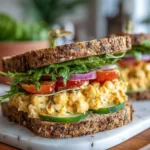
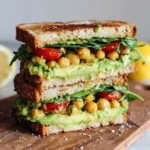
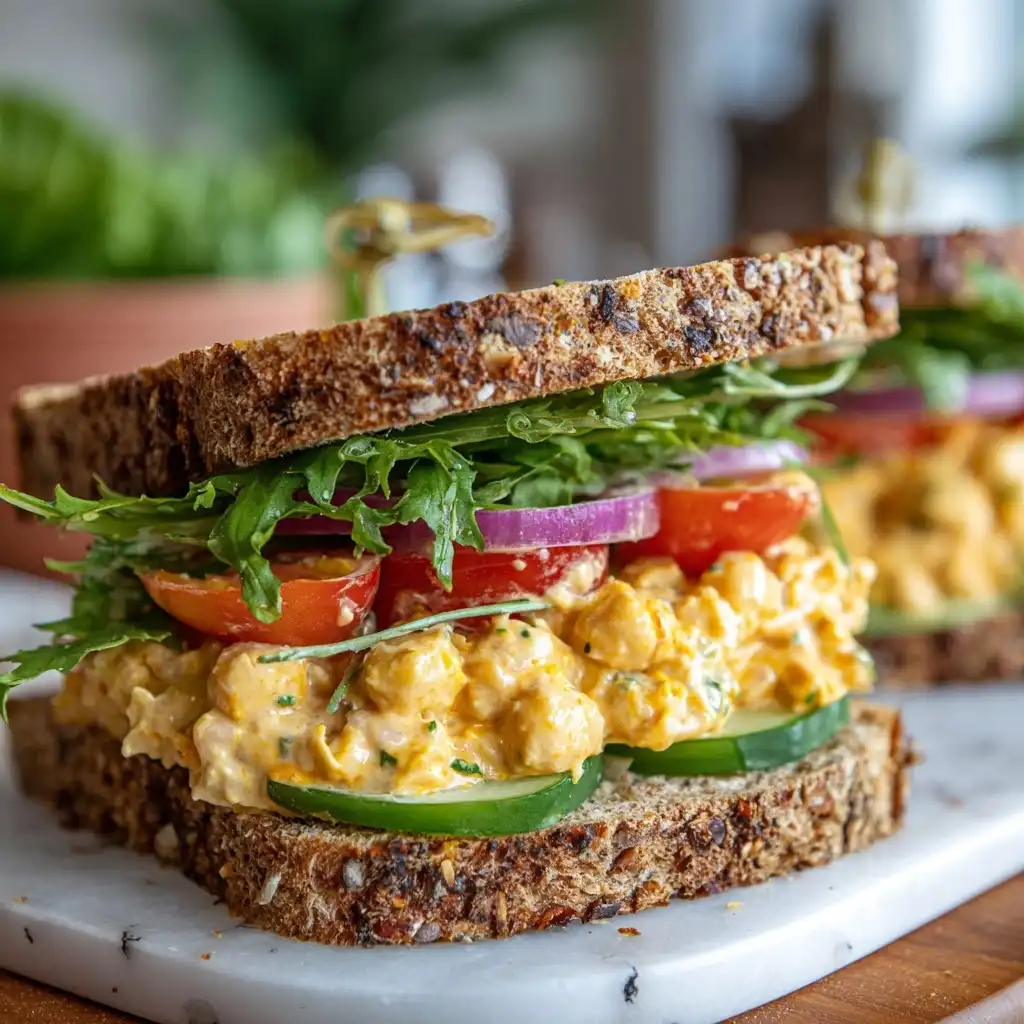
- For sandwiches: Toast bread lightly, spread a thin layer of vegan butter or mashed avocado on both inner slices, then generously fill with chilled chickpea salad. Top with sprouts, sliced tomato, arugula, or red onion rings.
- For wraps: Warm a large whole-grain or sprouted tortilla in a dry skillet for 10 seconds per side. Spread ½ cup salad down the center, leaving 1-inch margins. Fold in sides, then roll tightly from bottom upward. Wrap snugly in parchment paper, then foil for transport.
- Store leftovers in an airtight container in the refrigerator for up to 5 days. Best enjoyed within 3 days for peak texture and flavor.
FAQ
- Can I make this oil-free?
- Yes! Replace vegan mayo with 1 ripe mashed avocado + 1 tbsp lemon juice + 1 tsp Dijon + pinch of salt. For extra creaminess, blend in 1 tbsp silken tofu or 2 tbsp cooked white beans. Note: texture will be denser and shelf-life shorter (consume within 3 days).
- Why does my chickpea salad get watery?
- Excess moisture typically comes from insufficient rinsing (canning liquid), un-drained vegetables (celery, onion, pickle), or using high-water-content substitutes like unthickened plant yogurt. Always rinse chickpeas thoroughly, pat-dry veggies, and opt for well-drained relishes. Chilling also helps firm the mixture.
- Can I freeze chickpea salad?
- Not recommended—the high water and emulsion content causes separation, graininess, and texture breakdown upon thawing. However, you *can* freeze plain mashed chickpeas (without dressing or veggies) for up to 3 months—thaw overnight and remix with fresh dressing.
- How do I keep it from turning brown or gray?
- Lemon juice prevents oxidation—but if color dulls, stir in ¼ tsp turmeric or 1 tsp beet powder (for natural pink hue) before chilling. Avoid aluminum bowls, which react with acids.
- Is this safe for pregnancy?
- Yes—chickpeas provide folate critical for fetal development, and the recipe contains no raw eggs, unpasteurized dairy, or high-mercury seafood. Ensure all ingredients are fresh and refrigerated properly. Consult your provider before consuming large amounts of nutritional yeast if on certain medications (e.g., levodopa).
- Can I use dried chickpeas instead of canned?
- Absolutely—and highly encouraged for superior flavor and lower sodium. Cook 1 cup dried chickpeas with 3 cups water, 1 bay leaf, 1 garlic clove, and ½ tsp kombu (for digestibility) until tender (45–60 mins). Cool completely before using. Yield: ~3 cups cooked.
- What’s the best bread for gluten-free folks?
- Look for certified GF sprouted brown rice or teff tortillas (like Siete or Food for Life), or sturdy GF sandwich loaves with xanthan gum for cohesion. Toasting improves structure dramatically.
- How can I add more protein without changing flavor?
- Stir in 1–2 tablespoons of shelled hemp hearts or ground flaxseed—they’re neutral in taste, rich in omega-3s, and add 3–5g protein per tablespoon. Pea protein isolate (unflavored) also works when pre-blended with water.
- My salad tastes bland—what should I fix first?
- Layer flavor systematically: 1) Boost acid (add ½ tsp lemon or apple cider vinegar), 2) Enhance salt (a pinch of flaky sea salt), 3) Add umami (1 tsp white miso or tamari), 4) Introduce aromatic freshness (extra dill, chives, or lemon zest).
- Can kids eat this safely?
- Yes—with modifications: omit raw garlic/onion, use mild relish, add a touch of maple syrup (½ tsp), and include fun textures like toasted sunflower seeds or finely diced apple. Always supervise young children with whole-grain bread to prevent choking.
Summary
The Vegan Chickpea Salad Sandwich is a nutrient-dense, ethically grounded, and culinarily versatile masterpiece—transforming pantry-staple legumes into a creamy, crunchy, deeply satisfying meal that nourishes body and spirit alike. With endless customizations, robust health benefits, and effortless preparation, it redefines plant-based convenience without sacrificing flavor, tradition, or joy.