Vegan Lentil Bolognese over Zucchini Noodles: A Hearty, Healthy Plant-Based Twist on an Italian Classic
Introduction
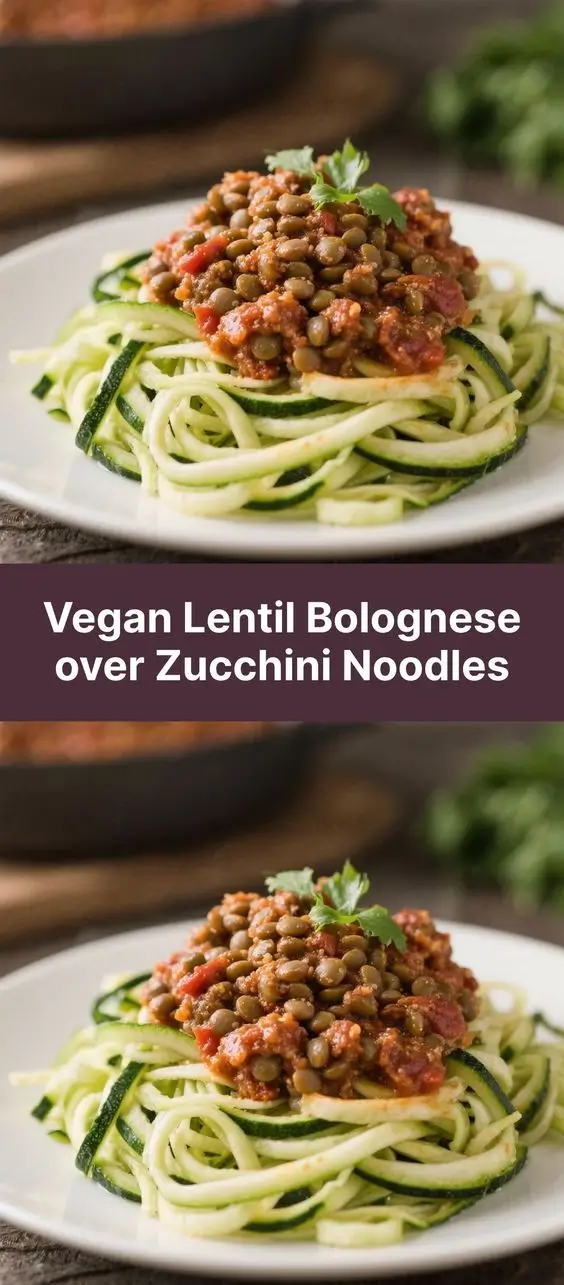
If you’re craving the rich, savory depth of traditional Italian Bolognese but want a plant-based, nutrient-dense alternative, this Vegan Lentil Bolognese over Zucchini Noodles is your answer. This dish beautifully reimagines a classic comfort food by replacing meat with protein-rich lentils and swapping out refined pasta for spiralized zucchini noodles—also known as “zoodles.” The result is a satisfying, low-carb, high-fiber meal that’s bursting with flavor, color, and wholesome goodness. Whether you’re fully vegan, reducing meat consumption, or simply exploring healthier ways to enjoy your favorite dishes, this recipe delivers on every front—taste, texture, nutrition, and ease of preparation.
The History
Bolognese sauce, or Ragù alla Bolognese, originates from Bologna, Italy, and has long been cherished as a cornerstone of Emilia-Romagna cuisine. Traditionally, it’s a slow-cooked meat-based sauce made with ground beef or pork, pancetta, tomatoes, wine, and aromatic vegetables like carrots, celery, and onions. Over centuries, it evolved into a Sunday family staple, typically served with tagliatelle rather than spaghetti in authentic Italian households.
As global awareness around health, sustainability, and animal welfare has grown, chefs and home cooks alike have sought plant-based alternatives to classic meat dishes. Enter the vegan version of Bolognese—first popularized in the late 20th century within vegetarian communities and now widely embraced across modern plant-based kitchens. Lentils emerged as an ideal substitute due to their earthy flavor, meaty texture when cooked, and impressive nutritional profile. Meanwhile, zucchini noodles gained popularity during the low-carb and clean-eating movements of the 2010s, offering a fresh, light base that complements bold sauces without overwhelming them. Together, they form a harmonious fusion of tradition and innovation—one that respects culinary roots while embracing contemporary values.
Ingredients Breakdown
Every ingredient in this recipe plays a vital role in building layers of umami, richness, and balance:
- Dry Brown or Green Lentils (1 cup): These provide the hearty, meaty texture essential to mimicking traditional Bolognese. They hold their shape well during cooking and absorb flavors beautifully. Avoid red lentils, as they tend to turn mushy.
- Olive Oil (2 tbsp): Used for sautéing, extra virgin olive oil adds richness and helps unlock fat-soluble nutrients in vegetables. It also contributes a subtle fruitiness to the overall flavor.
- Yellow Onion (1 medium, finely diced): Forms the aromatic base, adding sweetness and depth when caramelized.
- Carrots (2 medium, finely diced): Contribute natural sugars and earthy notes, enhancing the sauce’s complexity.
- Celery (2 stalks, finely diced): Part of the classic Italian “soffritto,” celery brings a crisp, herbal bitterness that balances the other ingredients.
- Garlic (4 cloves, minced): Imparts pungency and warmth, elevating the aroma and taste profile significantly.
- Fresh Mushrooms (8 oz, finely chopped): Cremini or white button mushrooms add umami and a chewy texture that closely resembles ground meat. Their glutamates enhance savoriness naturally.
- Tomato Paste (3 tbsp): Concentrated tomato flavor that deepens the sauce’s richness. Cooking it briefly in oil (“blooming”) intensifies its sweetness and reduces acidity.
- Dry Red Wine (½ cup): Adds acidity, fruitiness, and complexity. It deglazes the pan and lifts browned bits, incorporating maximum flavor. Use a bold variety like Cabernet Sauvignon or Merlot. (Omit if avoiding alcohol; substitute with vegetable broth and 1 tsp balsamic vinegar.)
- Canned Crushed Tomatoes (28 oz): Provide body and tangy sweetness. Opt for no-salt-added varieties to control sodium levels.
- Vegetable Broth (2 cups): Keeps the sauce moist during simmering and allows lentils to cook evenly. Choose low-sodium versions if needed.
- Dried Oregano (1 tsp), Dried Thyme (1 tsp), Bay Leaf (1 leaf): Earthy herbs that evoke Mediterranean warmth and round out the flavor profile.
- Smoked Paprika (½ tsp): Introduces a hint of smokiness, mimicking the charred notes found in meat-based ragùs.
- Nutritional Yeast (3 tbsp): A vegan staple that adds cheesy, nutty undertones and boosts B-vitamin content.
- Soy Sauce or Tamari (1 tbsp): Enhances umami and saltiness without overpowering. Gluten-free option: use tamari.
- Maple Syrup or Coconut Sugar (1 tsp): Counteracts tomato acidity subtly, balancing the overall taste.
- Black Pepper and Sea Salt (to taste): Essential seasonings to elevate all components.
- Zucchini (3–4 medium): Spiralized into noodles, these offer a tender-crisp texture and mild flavor that pairs perfectly with robust sauces. Look for firm, deep-green zucchinis.
- Fresh Basil and Parsley (¼ cup each, chopped): Added at the end for brightness and freshness.
- Optional Toppings: Vegan Parmesan cheese, toasted pine nuts, red pepper flakes, avocado slices, or hemp seeds for added texture and nutrition.
Step-by-Step Recipe
- Prepare the Lentils: Rinse 1 cup dry lentils under cold water. In a medium pot, combine lentils with 3 cups water. Bring to a boil, then reduce heat to a simmer. Cook uncovered for 20–25 minutes until tender but not mushy. Drain any excess liquid and set aside. (Note: Do not overcook—they’ll continue to soften in the sauce.)
- Spiralize the Zucchini: Wash and trim the ends off each zucchini. Using a spiralizer fitted with blade attachment #2 (spaghetti-style), spiralize each zucchini. Place zoodles in a colander, sprinkle lightly with salt, and let sit for 10–15 minutes to draw out excess moisture. Gently press with paper towels to remove water—this prevents a soggy final dish.
- Sauté the Aromatics: Heat olive oil in a large, heavy-bottomed skillet or Dutch oven over medium heat. Add onion, carrots, and celery. Cook for 7–8 minutes, stirring occasionally, until softened and slightly golden.
- Add Garlic and Mushrooms: Stir in minced garlic and chopped mushrooms. Cook for another 6–8 minutes until mushrooms release their liquid and begin to brown. This step is crucial for developing deep flavor.
- Bloom the Tomato Paste: Push vegetables to one side of the pan. Add tomato paste to the cleared space and let it cook undisturbed for 1–2 minutes, stirring occasionally. This concentrates its flavor and removes rawness.
- Deglaze with Wine: Pour in red wine, scraping the bottom of the pan to lift any browned bits. Simmer for 3–4 minutes until most of the alcohol evaporates and the mixture thickens slightly.
- Build the Sauce: Stir in crushed tomatoes, cooked lentils, vegetable broth, oregano, thyme, bay leaf, smoked paprika, nutritional yeast, soy sauce, maple syrup, black pepper, and a pinch of sea salt. Mix well.
- Simmer Low and Slow: Reduce heat to low. Cover partially and let the Bolognese simmer gently for 30–40 minutes, stirring occasionally. The longer it simmers, the richer the flavor becomes. If it thickens too much, add a splash of broth.
- Season and Finish: Remove bay leaf. Taste and adjust seasoning—add more salt, pepper, acid (a splash of balsamic), or sweetness as needed. Stir in fresh basil and parsley just before serving.
- Prepare the Zucchini Noodles: In a separate pan, quickly sauté zoodles over medium-high heat for 1–2 minutes, just until warmed through and slightly softened. Alternatively, serve raw for a crunchier texture. Do not overcook—they can become watery.
- Assemble the Dish: Divide zucchini noodles among plates or bowls. Top generously with warm lentil Bolognese. Garnish with optional toppings such as vegan Parmesan, pine nuts, red pepper flakes, or avocado slices.
Tips
- Don’t Skip the Soffritto: Taking time to slowly caramelize the onions, carrots, and celery builds a foundational flavor that cannot be rushed.
- Use a Heavy Pot: A Dutch oven or thick-bottomed saucepan ensures even heat distribution and prevents scorching during long simmers.
- Prevent Watery Zoodles: Salting and draining zucchini noodles is key. You can also pat them dry between layers of clean kitchen towels.
- Boost Umami Further: Add 1–2 rehydrated dried porcini mushrooms (finely chopped) or 1 tsp miso paste (dissolved in broth) for deeper savoriness.
- Make Ahead Friendly: The Bolognese sauce tastes even better the next day. Store it separately from zoodles to maintain texture.
- Freeze for Later: Cool completely and freeze the sauce in airtight containers for up to 3 months. Thaw overnight in the fridge before reheating.
- Serve Immediately: Zucchini noodles are best served fresh. If preparing ahead, keep components separate and assemble just before eating.
- Control Acidity: If tomatoes taste too sharp, add a bit more sweetener or swirl in ½ tsp baking soda to neutralize excess acid.
Variations and Customizations
This recipe is highly adaptable to different dietary needs, flavor preferences, and seasonal availability:
- Gluten-Free: Ensure tamari is used instead of soy sauce, and verify all packaged ingredients (like broth) are certified gluten-free.
- Oil-Free Version: Replace olive oil with water or vegetable broth for sautéing. Use caution to prevent sticking, and stir frequently.
- Spicy Kick: Add ½ tsp crushed red pepper flakes with the dried herbs, or top with sliced jalapeños.
- Protein Boost: Stir in ½ cup cooked quinoa or crumbled tempeh along with the lentils.
- Different Noodle Options: Swap zucchini for spiralized yellow squash, carrots, sweet potatoes (lightly steamed), or shirataki noodles. For a higher-protein base, use whole grain pasta or chickpea spaghetti.
- Root Vegetable Addition: Dice and sauté parsnips or turnips with the soffritto for a wintertime twist.
- Creamy Version: Stir in ¼ cup unsweetened plant-based cream (such as cashew or oat) at the end for a luxurious texture.
- Instant Pot Method: Sauté aromatics using the sauté function. Add all sauce ingredients including uncooked lentils. Seal and cook on high pressure for 12 minutes, then natural release for 10 minutes. Finish with fresh herbs.
- Slow Cooker Option: After sautéing veggies and blooming tomato paste, transfer everything to a slow cooker. Add remaining sauce ingredients (except fresh herbs). Cook on low for 6–8 hours or high for 3–4 hours.
- Herb Swaps: Try rosemary, marjoram, or herbes de Provence for a different aromatic note.
Health Considerations and Nutritional Value
This dish shines as a nutritionally balanced, whole-foods-based meal that supports heart health, digestive wellness, and sustainable energy levels.
Nutrient Highlights per Serving (approx. 1 cup sauce + 1.5 cups zoodles):
- Calories: ~320 kcal
- Protein: 18g (from lentils, mushrooms, and nutritional yeast)
- Fiber: 15g (supports gut health and satiety)
- Complex Carbohydrates: 45g (slow-releasing energy)
- Fat: 9g (mostly heart-healthy monounsaturated fats from olive oil)
- Sodium: Varies (~400–600mg if using low-sodium broth and minimal added salt)
Key Health Benefits:
- Lentils: High in plant-based protein, iron, folate, and resistant starch, which feeds beneficial gut bacteria.
- Zucchini: Low in calories, high in water content, and rich in vitamin C, potassium, and antioxidants like lutein.
- Mushrooms: Contain beta-glucans (immune-supportive compounds), selenium, and ergothioneine (a powerful antioxidant).
- Tomatoes: Loaded with lycopene, especially when cooked—linked to reduced risk of certain cancers and cardiovascular disease.
- Olive Oil: Rich in polyphenols and oleic acid, associated with reduced inflammation and improved cholesterol profiles.
- Nutritional Yeast: Often fortified with B12—a critical nutrient for vegans—supporting nerve function and energy metabolism.
Dietary Considerations:
- Diabetes-Friendly: Low glycemic load due to fiber-rich lentils and non-starchy zucchini.
- Weight Management: High volume, low energy density promotes fullness without excess calories.
- Heart Health: Naturally low in saturated fat and cholesterol, while rich in potassium and fiber.
- Allergen Notes: Free of dairy, eggs, nuts (unless using nut-based toppings), and soy (if substituting coconut aminos for soy sauce).
Ingredients
- 1 cup dry brown or green lentils, rinsed
- 2 tablespoons extra virgin olive oil
- 1 medium yellow onion, finely diced
- 2 medium carrots, finely diced
- 2 celery stalks, finely diced
- 4 garlic cloves, minced
- 8 oz fresh cremini or white mushrooms, finely chopped
- 3 tablespoons tomato paste
- ½ cup dry red wine (or substitute with veg broth + 1 tsp balsamic vinegar)
- 1 (28 oz) can crushed tomatoes (no salt added preferred)
- 2 cups low-sodium vegetable broth
- 1 teaspoon dried oregano
- 1 teaspoon dried thyme
- 1 bay leaf
- ½ teaspoon smoked paprika
- 3 tablespoons nutritional yeast
- 1 tablespoon soy sauce or tamari (gluten-free if needed)
- 1 teaspoon pure maple syrup or coconut sugar
- Sea salt and freshly ground black pepper, to taste
- 3–4 medium zucchinis, spiralized
- ¼ cup fresh basil, chopped
- ¼ cup fresh parsley, chopped
- Optional toppings: vegan Parmesan, toasted pine nuts, red pepper flakes, avocado
Directions
- In a medium pot, bring 3 cups of water to a boil. Add rinsed lentils and simmer uncovered for 20–25 minutes until tender but firm. Drain and set aside.
- While lentils cook, spiralize zucchinis. Place zoodles in a colander, sprinkle with a pinch of salt, and let drain for 10–15 minutes. Press gently with paper towels to remove excess moisture.
- Heat olive oil in a large skillet or Dutch oven over medium heat. Add onion, carrots, and celery. Sauté for 7–8 minutes until soft and fragrant.
- Add garlic and mushrooms. Cook for 6–8 minutes, stirring often, until mushrooms are browned and their liquid has evaporated.
- Push veggies to one side. Add tomato paste to the center and cook for 1–2 minutes, stirring occasionally, to deepen flavor.
- Pour in red wine, scraping up browned bits. Simmer 3–4 minutes until reduced.
- Stir in crushed tomatoes, cooked lentils, vegetable broth, oregano, thyme, bay leaf, smoked paprika, nutritional yeast, soy sauce, maple syrup, black pepper, and a pinch of salt.
- Reduce heat to low. Partially cover and simmer for 30–40 minutes, stirring occasionally. Adjust consistency with more broth if needed.
- Remove bay leaf. Stir in fresh basil and parsley. Taste and adjust seasoning with salt, pepper, or a splash of balsamic vinegar.
- In a separate pan, sauté zucchini noodles over medium-high heat for 1–2 minutes until just tender. Do not overcook.
- Divide zoodles among serving bowls. Top with warm lentil Bolognese. Garnish with optional toppings and serve immediately.
FAQ
Can I use canned lentils?
Yes! Use two 15-oz cans of lentils, drained and rinsed. Add them when you would normally add cooked lentils, but reduce simmer time to 20 minutes to avoid mushiness.
Why are my zucchini noodles soggy?
Excess water is the culprit. Always salt and drain them after spiralizing, and avoid overcooking. Sautéing briefly or eating raw yields the best texture.
Is this recipe freezer-friendly?
The Bolognese sauce freezes very well for up to 3 months. However, zucchini noodles do not freeze well due to their high water content. Freeze only the sauce and prepare fresh zoodles when ready to serve.
Can I make this in a blender or Instant Pot?
You can’t blend this into a sauce—it relies on texture. But yes, it works excellently in an Instant Pot (see variations above).
How long does leftovers last?
Store cooled sauce and zoodles separately in airtight containers in the refrigerator for up to 4 days. Reheat sauce gently on the stove or microwave. Refresh zoodles with a quick sauté.
What can I use instead of wine?
Replace with equal parts vegetable broth plus 1 teaspoon balsamic vinegar or apple cider vinegar for acidity and depth.
Are there legume alternatives to lentils?
You can try finely chopped young jackfruit, crumbled tempeh, or textured vegetable protein (TVP), though lentils remain the top choice for texture and nutrition.
Can I prep this ahead of time?
Absolutely! Chop all vegetables, cook lentils, and even start the sauce up to 2 days in advance. Reheat and finish with fresh herbs before serving.
Summary
Vegan Lentil Bolognese over Zucchini Noodles is a nourishing, flavorful reinvention of a beloved Italian classic—packed with plant-based protein, fiber, and garden-fresh ingredients. Wholesome, satisfying, and easy to customize, it’s a weeknight winner that doesn’t compromise on taste or health.