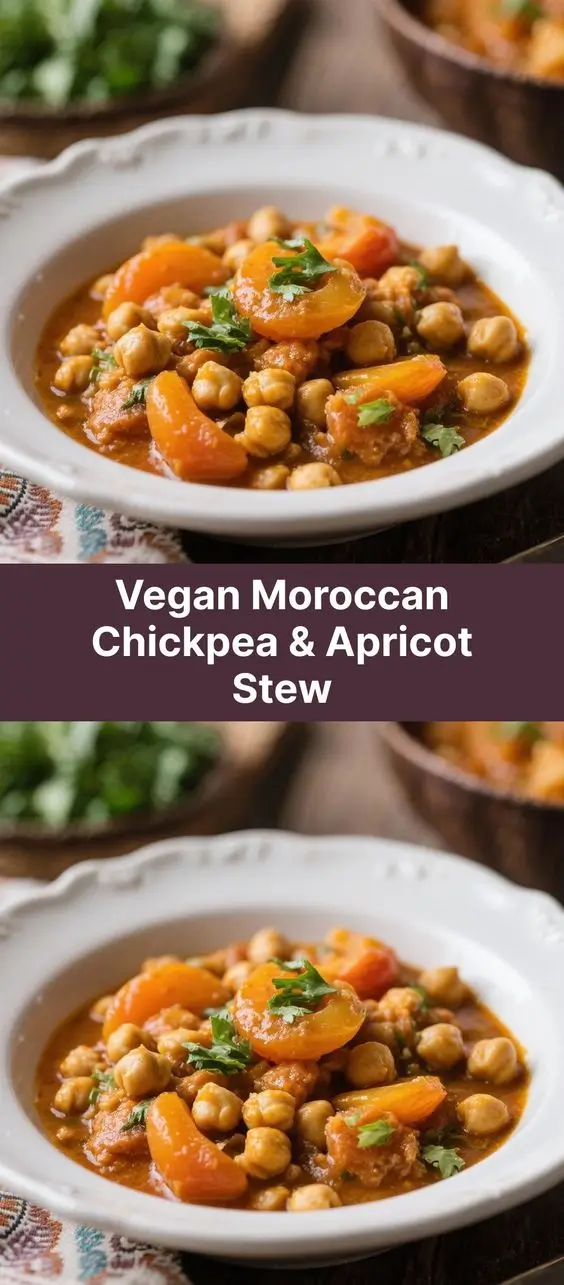
Vegan Moroccan Chickpea & Apricot Stew: A Flavorful Journey Through North African Cuisine
The History of Moroccan Stews and Their Cultural Significance
Moroccan cuisine, deeply rooted in centuries of cultural exchange, reflects a rich tapestry of Berber, Arab, Andalusian, and Mediterranean influences. Among its most beloved dishes are slow-cooked stews known as tagsines—named after the conical clay pot in which they are traditionally prepared. These hearty, aromatic stews have been served in Moroccan homes for generations, often during communal meals like Friday family gatherings or religious celebrations such as Ramadan and Eid.
Chickpeas have long been a staple in North African diets due to their abundance, nutritional value, and versatility. Combined with dried fruits like apricots, dates, and raisins, these legumes form the backbone of many plant-based dishes that predate modern veganism by centuries. The use of sweet and savory elements together—such as honey (or date syrup), saffron, and warm spices—is a hallmark of Moroccan cooking, creating complex flavor profiles that balance earthiness with brightness, warmth with sweetness.
The Vegan Moroccan Chickpea & Apricot Stew draws inspiration from this tradition while adapting it to contemporary ethical and dietary preferences. By eliminating animal products and focusing on whole, plant-based ingredients, this version honors ancestral techniques while aligning with modern sustainability and wellness values. It stands today not only as a tribute to Morocco’s culinary heritage but also as a symbol of how traditional recipes can evolve without losing their soul.
Ingredients Breakdown: What Makes This Stew So Special?
The magic of this stew lies in the harmony of its components—each ingredient playing a crucial role in building layers of flavor, texture, and nutrition. Let’s explore them one by one:
- Chickpeas (Garbanzo Beans): High in protein, fiber, and essential minerals like iron and folate, chickpeas provide the stew’s hearty base. Whether canned for convenience or cooked from dried for deeper flavor, they absorb spices beautifully and add satisfying chewiness.
- Dried Apricots: These bring natural sweetness and a soft, jammy texture when simmered. Rich in vitamin A, potassium, and antioxidants, apricots contrast perfectly with the warm spices, adding depth and complexity. Unsulfured apricots are preferred to avoid artificial preservatives and maintain a richer color.
- Onions and Garlic: The aromatic foundation of nearly all Moroccan dishes. Slowly caramelized onions build sweetness, while garlic adds pungency and depth.
- Fresh Ginger and Turmeric: Fresh ginger imparts a bright, zesty warmth, while turmeric contributes both earthy bitterness and vibrant golden color. Both are celebrated in traditional medicine for anti-inflammatory properties.
- Tomatoes (Fresh or Canned): Crushed tomatoes or tomato purée lend acidity and body, helping to emulsify the stew and carry flavors throughout.
- Olive Oil: Used generously in Moroccan cooking, extra virgin olive oil enhances mouthfeel and helps bloom fat-soluble spices like cumin and paprika.
- Vegetable Broth: A high-quality broth deepens umami notes. Homemade is ideal, but low-sodium store-bought works well too.
- Spices – The Heartbeat of the Dish:
- Ground Cumin: Earthy, nutty, slightly bitter—cumin is non-negotiable in Moroccan spice blends.
- Ground Coriander: Citrusy and floral, it complements cumin and lifts other flavors.
- Smoked Paprika: Adds a subtle smokiness that mimics the effect of cooking over wood fires.
- Cinnamon: Just a pinch brings warmth and ties together the sweet and savory elements.
- Ginger (ground): Reinforces the fresh ginger and rounds out the spicing.
- Paprika (sweet): For color and mild pepper flavor without heat.
- Cayenne Pepper (optional): For those who enjoy a gentle kick.
- Saffron Threads (optional but luxurious): Soaked in warm water, saffron infuses the stew with floral notes and a golden hue.
- Preserved Lemon Peel (Optional): A quintessential Moroccan ingredient, preserved lemons offer intense citrus salinity that cuts through richness. Only the rind is used; the pulp is discarded or reserved for other dishes.
- Fresh Herbs: Cilantro and parsley are stirred in at the end for freshness and color. In Morocco, cilantro is ubiquitous, while parsley adds a clean finish.
- Lemon Juice: A final splash brightens the entire dish, balancing sweetness and enhancing aroma.
Step-by-Step Recipe: How to Make Vegan Moroccan Chickpea & Apricot Stew
This comforting, one-pot stew comes together easily with simple kitchen tools and patience. Follow these detailed steps for an authentic-tasting result every time.
Ingredients
- 2 tablespoons extra virgin olive oil
- 1 large yellow onion, finely chopped
- 4 cloves garlic, minced
- 1 tablespoon fresh ginger, grated
- 1 teaspoon ground turmeric
- 1 teaspoon ground cumin
- 1 teaspoon ground coriander
- ½ teaspoon smoked paprika
- ½ teaspoon sweet paprika
- ¼ teaspoon ground cinnamon
- ⅛ teaspoon cayenne pepper (optional)
- 1 large carrot, diced
- 1 stalk celery, diced (optional, for added depth)
- 1 cup crushed tomatoes (canned or fresh)
- 4 cups low-sodium vegetable broth
- 2 cans (15 oz each) chickpeas, drained and rinsed (or 3 cups cooked dried chickpeas)
- 1 cup dried unsulfured apricots, halved or quartered
- Pinch of saffron threads (about 15–20), soaked in 2 tbsp warm water (optional)
- 1 tablespoon preserved lemon peel, finely chopped (optional)
- Sea salt and freshly ground black pepper, to taste
- Juice of ½ lemon
- ½ cup fresh cilantro, chopped
- ¼ cup fresh parsley, chopped
Directions
- Sauté Aromatics: In a large heavy-bottomed pot or Dutch oven, heat the olive oil over medium heat. Add the chopped onion and cook slowly for 8–10 minutes, stirring occasionally, until soft and golden. Do not rush—caramelization builds flavor.
- Add Garlic and Ginger: Stir in the minced garlic and grated ginger. Cook for 1 minute until fragrant, taking care not to burn.
- Bloom the Spices: Add all the ground spices—turmeric, cumin, coriander, smoked paprika, sweet paprika, cinnamon, and cayenne (if using). Stir constantly for 30–60 seconds until the mixture becomes highly aromatic. This step “blooms” the spices, releasing their essential oils and intensifying flavor.
- Add Vegetables: Toss in the diced carrot and celery (if using). Cook for another 4–5 minutes, allowing the vegetables to soften slightly and absorb the spiced oil.
- Incorporate Tomatoes: Pour in the crushed tomatoes and stir well, scraping any browned bits from the bottom of the pot. Let simmer for 3–4 minutes to reduce slightly and concentrate flavor.
- Pour in Broth: Gradually add the vegetable broth, stirring continuously. If using saffron, pour in both the liquid and threads now.
- Add Chickpeas and Apricots: Stir in the chickpeas and dried apricots. Bring the mixture to a gentle boil, then reduce the heat to low. Cover partially and let the stew simmer for 35–45 minutes, stirring occasionally. The longer it simmers, the more the flavors meld together.
- Season Thoughtfully: After 30 minutes, taste the stew. Add sea salt gradually—remember that preserved lemon adds saltiness. Adjust black pepper and lemon juice accordingly.
- Add Preserved Lemon (if using): Stir in the chopped preserved lemon peel during the last 10 minutes of cooking to preserve its bright, tangy character.
- Finish with Freshness: Remove the pot from heat. Stir in the fresh lemon juice, chopped cilantro, and parsley. Allow the stew to rest for 5–10 minutes before serving to let the herbs infuse.
Tips for Perfecting Your Stew
- Use Dried Chickpeas When Possible: While canned chickpeas are convenient, dried ones cooked with a piece of kombu seaweed yield creamier texture and better flavor absorption. Soak overnight, then cook until tender (about 1–1.5 hours).
- Don’t Skip the Spice Bloom: Cooking spices in oil unlocks their full potential. Burnt spices turn bitter, so keep the heat moderate and stir constantly.
- Balance Sweet and Sour: Taste carefully before serving. If the apricots make it too sweet, increase lemon juice. If too tart, add a tiny drizzle of maple syrup or date syrup.
- Thicken Naturally: For a thicker stew, mash a small portion of the chickpeas against the side of the pot with a spoon and stir back in. This creates a creamy consistency without flour or cornstarch.
- Make It Ahead: This stew tastes even better the next day! Store in the refrigerator for up to 5 days or freeze for up to 3 months.
- Serve Warm, Not Scalding: Moroccan dishes are meant to be savoried slowly. Letting the stew cool slightly after cooking allows flavors to settle and harmonize.
Variations and Customizations
This recipe is wonderfully adaptable. Here are some creative twists to suit different tastes and seasonal availability:
- Fruit Swaps: Replace apricots with dried figs, prunes, raisins, or dates. Each brings its own nuance—figs add elegance, prunes deepen richness, and dates contribute molasses-like sweetness.
- Add More Veggies: Include diced sweet potatoes, zucchini, eggplant, or bell peppers during the vegetable sauté stage for extra heartiness.
- Protein Boost: Add crumbled tempeh, seitan, or cooked lentils for additional protein. Marinated tofu cubes can also be gently folded in at the end.
- Nutty Crunch: Top servings with toasted slivered almonds, pistachios, or flaked coconut for contrasting texture and luxury.
- Spice Level Adjustment: Omit cayenne entirely for mildness, or add harissa paste (½–1 tsp) for fiery North African heat.
- Gluten-Free Grain Pairing: Serve over couscous (ensure it’s labeled gluten-free if needed), quinoa, millet, or cauliflower rice.
- Creamy Version: Stir in ¼–½ cup full-fat coconut milk at the end for a lusher, creamier texture—ideal for colder months.
- Instant Pot/Pressure Cooker Method: Sauté aromatics using the “Sauté” function, then add all ingredients except herbs and lemon juice. Seal and cook on high pressure for 10 minutes, followed by a natural release. Finish as directed.
- Slow Cooker Option: After sautéing onions, garlic, and spices, transfer everything to a slow cooker. Add remaining ingredients (except fresh herbs and lemon juice) and cook on low for 6–8 hours or high for 3–4 hours.
Health Considerations and Nutritional Value
This Vegan Moroccan Chickpea & Apricot Stew isn’t just delicious—it’s a powerhouse of nutrition aligned with plant-based wellness principles.
Nutritional Highlights (Per Serving, Approx. 1.5 cups):
- Calories: ~320 kcal
- Protein: 12g – Excellent plant-based source supporting muscle repair and satiety.
- Fiber: 10g – Promotes digestive health, regulates blood sugar, and supports gut microbiome diversity.
- Complex Carbohydrates: Slow-digesting carbs from chickpeas and vegetables provide sustained energy.
- Healthy Fats: Monounsaturated fats from olive oil support heart health and nutrient absorption.
- Iron: ~25% of daily needs – Vital for oxygen transport; enhance absorption by pairing with vitamin C-rich lemon juice.
- Folate: Supports cell function and is especially important during pregnancy.
- Potassium: Helps regulate blood pressure and fluid balance.
- Vitamin A (from apricots and carrots): Essential for vision, immune function, and skin health.
- Antioxidants: From turmeric (curcumin), tomatoes (lycopene), and apricots (beta-carotene), offering anti-inflammatory and cellular protection benefits.
Health Notes:
- Low Glycemic Index: Despite the dried fruit, the high fiber and protein content prevent blood sugar spikes.
- Heart-Healthy: No cholesterol, low saturated fat, and rich in heart-supportive nutrients.
- Anti-Inflammatory: Thanks to turmeric, ginger, and antioxidant-rich ingredients.
- Allergen-Friendly: Naturally free from dairy, eggs, nuts (unless added as topping), soy (if using soy-free broth), and gluten (with certified GF ingredients).
- Weight Management Support: High volume, nutrient-dense, and filling—ideal for those seeking sustainable satiety without excess calories.
Frequently Asked Questions (FAQ)
Can I make this stew oil-free?
Yes! Replace olive oil with ¼ cup water or vegetable broth when sautéing onions. Use a non-stick pan to prevent sticking. Note: blooming spices may be less potent without oil, so consider toasting dry spices briefly in a pan before adding.
Is this stew suitable for meal prep?
Absolutely. It reheats beautifully and improves in flavor over time. Store in airtight containers in the fridge for up to 5 days or freeze individual portions for up to 3 months. Reheat on the stove with a splash of water or broth to restore consistency.
Can I use fresh apricots instead of dried?
Fresh apricots can be used in season, but they won’t provide the same concentrated sweetness or chewy texture. If substituting, double the amount and add them in the last 15 minutes of cooking to prevent disintegration.
What should I serve with this stew?
Traditional pairings include:
- Couscous (regular or whole wheat)
- Quinoa or bulgur wheat
- Warm flatbread like pita or naan
- Simple green salad with lemon vinaigrette
- Olives and pickled vegetables
Why isn’t my stew thickening?
If the stew remains thin, uncover and simmer for an additional 10–15 minutes to reduce. Alternatively, blend 1 cup of the stew and stir it back in for instant thickness.
Where can I find preserved lemons?
Available at Middle Eastern markets, gourmet grocery stores, or online. You can also make your own at home by packing lemon quarters in salt and letting them ferment for 3–4 weeks.
Can I omit the tomatoes?
Yes, though they add acidity and body. Substitute with 1 cup pureed roasted red peppers or a splash of apple cider vinegar for brightness.
Is this stew kid-friendly?
Many children love the sweet-savory profile. Reduce or omit cayenne, and chop apricots finely. Serve with couscous for familiar comfort.
Summary
The Vegan Moroccan Chickpea & Apricot Stew is a celebration of ancient flavors reimagined for modern, compassionate living—a nourishing fusion of protein-rich legumes, sun-dried fruit, aromatic spices, and fresh herbs that warms the body and delights the senses.
Easy to customize, packed with nutrition, and perfect for meal prep, this stew brings the soul of North Africa into your kitchen with every fragrant spoonful.