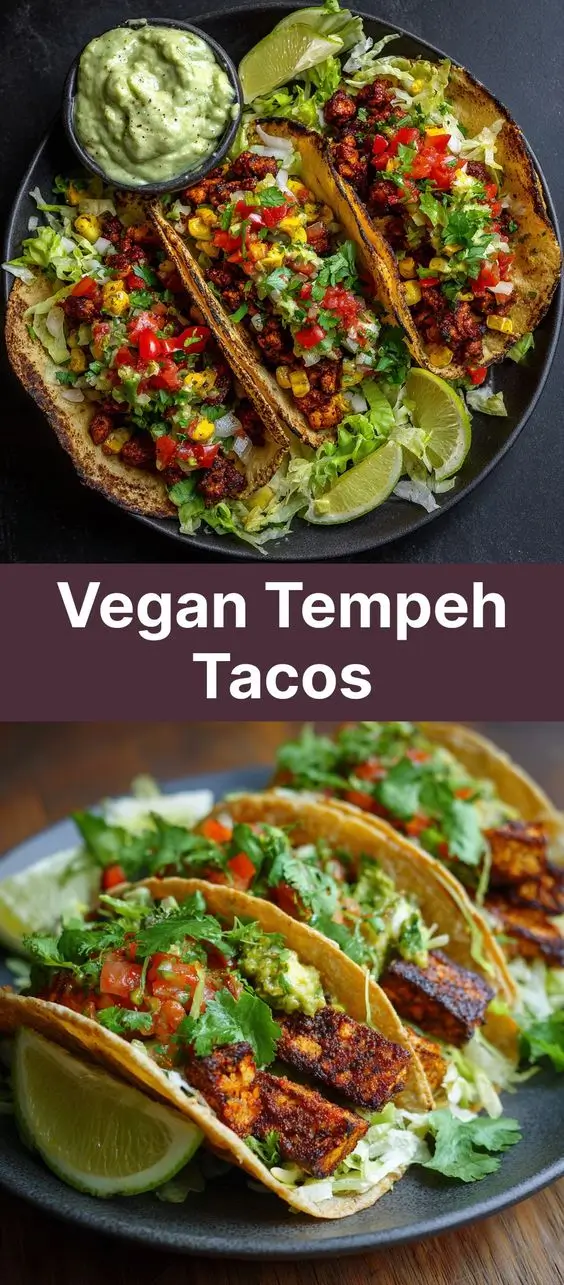
Vegan Tempeh Tacos: A Flavorful Plant-Powered Delight
The History of Vegan Tempeh Tacos
While tacos have deep roots in Mexican culinary tradition, dating back centuries to indigenous civilizations like the Aztecs and Mayans who used corn tortillas as edible utensils for various fillings, the modern fusion of plant-based ingredients into taco culture is a relatively recent evolution. The rise of veganism and plant-forward diets in the late 20th and early 21st centuries sparked creative adaptations of classic dishes, with tempeh emerging as a popular protein alternative due to its rich, nutty flavor and high nutritional value.
Tempeh itself originates from Indonesia, specifically the island of Java, where it has been consumed for over 800 years. Made from fermented whole soybeans pressed into a firm cake, tempeh was traditionally valued not only for its taste but also for its ability to preserve protein in tropical climates. As global food movements embraced fermentation and sustainable eating, tempeh found its way into Western kitchens—eventually landing in taco shells across North America.
The combination of tempeh and tacos represents a beautiful cross-cultural synthesis: the ancient wisdom of fermentation meeting the vibrant street food spirit of Mexico. Vegan tempeh tacos embody this fusion perfectly, offering bold flavors, satisfying textures, and a conscience-aligned meal that respects animals, the environment, and personal health. Today, these tacos are staples at vegan festivals, plant-based restaurants, and home kitchens worldwide, celebrated for their versatility and depth.
Ingredients Breakdown: Why Each Component Matters
Creating exceptional vegan tempeh tacos isn’t just about throwing ingredients together—it’s about understanding how each element contributes to flavor, texture, nutrition, and overall satisfaction. Let’s break down every component:
- Tempeh (8 oz block): The star of the show. This fermented soy product offers a dense, chewy texture and an earthy umami punch. It absorbs marinades beautifully and provides complete plant-based protein containing all nine essential amino acids.
- Apple Cider Vinegar (2 tbsp): Adds tanginess while helping tenderize the tempeh slightly during marination. Its mild acidity enhances other flavors without overpowering them.
- Lime Juice (1 lime, freshly squeezed): Brings brightness and citrus zest, balancing the richness of the tempeh. Fresh juice is always preferred over bottled for optimal aroma and taste.
- Maple Syrup or Agave Nectar (1 tbsp): A touch of sweetness rounds out the savory and spicy notes, creating a harmonious flavor profile reminiscent of barbecue-style glazes.
- Low-Sodium Soy Sauce or Tamari (3 tbsp): Provides saltiness and depth through fermented soy goodness. Tamari is gluten-free and often richer in flavor, making it ideal for those with sensitivities.
- Smoked Paprika (1 tsp): Imparts a smoky, almost grilled essence—perfect when you can’t fire up the grill. This spice gives the illusion of charred meat without any animal products.
- Ground Cumin (1 tsp): A cornerstone of Mexican and Southwestern cooking, cumin adds warmth, earthiness, and a slight bitterness that complements the sweetness in the marinade.
- Garlic Powder (½ tsp): Offers convenience and consistent flavor. While fresh garlic could be used, powder blends more evenly into the marinade and won’t burn during sautéing.
- Onion Powder (½ tsp): Enhances savoriness and builds a flavorful base layer beneath the more prominent spices.
- Cayenne Pepper (¼ tsp, optional): For heat lovers. Adjust according to your spice tolerance. You can substitute with chipotle powder for added smokiness and kick.
- Avocado Oil or Olive Oil (1 tbsp): Used for sautéing, oil ensures even browning and prevents sticking. Avocado oil has a higher smoke point, making it better suited for medium-high heat cooking.
- Corn Tortillas (8–10 small): Traditional choice for authentic texture and flavor. Corn tortillas are naturally gluten-free and provide a slightly sweet, grain-like backdrop that pairs well with bold fillings.
- Red Cabbage (1 cup, thinly sliced): Adds crunch, color, and fiber. Raw cabbage also brings enzymes that aid digestion and antioxidants like anthocyanins.
- Avocado or Guacamole (1 large avocado, sliced or mashed): Creamy, rich, and packed with heart-healthy monounsaturated fats. Avocado cools the palate if the tacos are spicy and boosts satiety.
- Fresh Cilantro (¼ cup chopped): Lends a bright, citrusy herbaceous note. Some people have a genetic predisposition to perceive cilantro as soapy, so feel free to omit or substitute parsley if needed.
- Lime Wedges (for serving): Essential for finishing touches. A final squeeze of lime juice just before eating elevates the entire dish.
- Optional Toppings: Include diced tomatoes, pickled red onions, jalapeños, vegan sour cream, cashew crema, black beans, mango salsa, or roasted corn. These add layers of flavor, temperature contrast, and visual appeal.
Step-by-Step Recipe: How to Make Perfect Vegan Tempeh Tacos
Making delicious vegan tempeh tacos involves four main stages: marinating, cooking, preparing toppings, and assembling. Follow these detailed steps for restaurant-quality results at home.
- Prepare the Tempeh: Begin by slicing the 8-ounce block of tempeh into thin strips, about ¼ inch thick. Then cut each strip into small cubes or matchsticks—this increases surface area for better marinade absorption and crispier edges when cooked.
- Create the Marinade: In a mixing bowl, whisk together apple cider vinegar, lime juice, maple syrup, soy sauce (or tamari), smoked paprika, cumin, garlic powder, onion powder, and cayenne pepper (if using). Stir until fully combined and aromatic.
- Marinate the Tempeh: Place the sliced tempeh into a shallow dish or resealable container. Pour the marinade over the tempeh, ensuring each piece is coated. Cover and refrigerate for at least 30 minutes—or ideally 1 to 2 hours—for maximum flavor infusion. Don’t skip this step; marinating transforms bland tempeh into something extraordinary.
- Sauté the Tempeh: Heat avocado oil in a large skillet over medium heat. Once shimmering, add the marinated tempeh along with the leftover marinade. Cook for 8–10 minutes, stirring occasionally, until the liquid reduces and coats the tempeh in a glossy glaze. The pieces should develop golden-brown edges and a slightly crispy exterior. Remove from heat and set aside.
- Warm the Tortillas: While the tempeh cooks, warm your corn tortillas. You can do this on a dry cast-iron skillet for 30 seconds per side, wrap them in foil and heat in the oven at 350°F for 10 minutes, or briefly pass them over an open gas flame using tongs for a charred, authentic street-taco effect. Keep them wrapped in a clean kitchen towel to stay soft and pliable.
- Prep the Toppings: Thinly slice red cabbage, chop cilantro, dice avocado, and prepare any additional toppings you’d like to include. If making pickled onions, combine thinly sliced red onion with ½ cup apple cider vinegar, ½ cup water, 1 tsp sugar, and ½ tsp salt. Let sit for at least 20 minutes.
- Assemble the Tacos: On each warm tortilla, place a generous spoonful of sautéed tempeh. Top with shredded red cabbage, avocado slices, fresh cilantro, and a drizzle of lime juice. Add extras like guacamole, salsa, or vegan crema as desired.
- Serve Immediately: Enjoy while hot! These tacos are best served fresh, though components can be prepped ahead and quickly assembled later.
Pro Tips for the Best Vegan Tempeh Tacos
- Steam Tempeh First (Optional but Recommended): To reduce bitterness and improve texture, steam the tempeh for 10 minutes before marinating. Simply slice it, place in a steamer basket over boiling water, cover, and steam. This step opens up the pores of the tempeh, allowing it to absorb marinade more effectively.
- Don’t Rush the Marinade: Even 30 minutes makes a difference, but longer marination (up to 24 hours) intensifies flavor. Store in the fridge and plan ahead for weekend meal prep.
- Use a Non-Stick or Well-Seasoned Skillet: Tempeh can stick easily, especially when the marinade contains sugar. A good non-stick pan or seasoned cast iron will prevent frustration and ensure even browning.
- Control the Heat: Cook over medium—not high—heat to avoid burning the sugars in the marinade. Lower heat allows the tempeh to caramelize slowly and develop complex flavors.
- Double the Batch: Cook extra tempeh filling and store it in the fridge for up to 5 days. Use it in salads, burrito bowls, wraps, or grain bowls throughout the week.
- Toast the Tortillas Slightly: Warming isn’t just for flexibility—light toasting adds a subtle nuttiness that enhances the overall taste experience.
- Balancing Textures: Aim for a mix of crunchy (cabbage), creamy (avocado), chewy (tempeh), and soft (tortilla). Texture contrast keeps each bite interesting.
- Serve with Lime on the Side: Always offer lime wedges at the table. Acid brightens heavy flavors and refreshes the palate between bites.
Variations and Customizations: Make It Your Own
One of the greatest strengths of vegan tempeh tacos is their adaptability. Whether you’re catering to different dietary needs, seasonal produce, or global flavor inspirations, here are some exciting ways to switch things up:
- Tropical Twist: Swap traditional spices for curry powder and coconut aminos. Top with pineapple salsa, shredded coconut, and fresh mint for a Southeast Asian-Mexican fusion.
- Korean-Inspired Bibimbap Tacos: Marinate tempeh in gochujang, rice vinegar, sesame oil, and ginger. Serve in lettuce cups or tortillas with kimchi, julienned vegetables, and a sprinkle of sesame seeds.
- Mediterranean Style: Use oregano, lemon juice, and olives in the marinade. Fill tacos with hummus, cucumber, tomato, and spinach for a Greek-inspired version.
- Buffalo Tempeh Tacos: Toss cooked tempeh in vegan buffalo sauce. Serve on whole wheat tortillas with celery slaw and dairy-free ranch dressing.
- Breakfast Tacos: Crumble tempeh and sauté with turmeric (for egg-like color), nutritional yeast, and black salt (kala namak) for a “vegan scramble” effect. Add bell peppers, onions, and serve with salsa and tortillas.
- Gluten-Free Option: Ensure tamari (not soy sauce) is used, and confirm that your tempeh brand doesn’t contain barley. Most traditional tempeh is gluten-free, but check labels carefully.
- Oil-Free Version: Skip the oil when sautéing. Instead, use a splash of water or vegetable broth to cook the tempeh, deglazing the pan frequently to prevent sticking.
- Low-FODMAP Adaptation: Omit garlic and onion powders, replace with chives or infused oils. Avoid cabbage if sensitive; use zucchini ribbons or baby spinach instead.
- Add Beans for Extra Protein: Mix black beans or pinto beans directly into the taco filling or layer them under the tempeh for a heartier meal.
- Make It Kid-Friendly: Reduce spice levels, increase sweetness slightly, and let kids build their own tacos with fun toppings like corn, cheese alternatives, and mild salsas.
Health Considerations and Nutritional Value
Vegan tempeh tacos aren’t just tasty—they’re a powerhouse of nutrition when prepared thoughtfully. Here’s why they deserve a regular spot in a balanced diet:
High-Quality Plant Protein: Tempeh delivers approximately 19 grams of protein per 3-ounce serving. Unlike many plant proteins, it’s complete—meaning it contains all nine essential amino acids necessary for muscle repair, enzyme production, and immune function.
Rich in Probiotics: Thanks to fermentation, tempeh supports gut health by introducing beneficial bacteria. A healthy microbiome is linked to improved digestion, enhanced immunity, and even mood regulation via the gut-brain axis.
Good Fats, No Cholesterol: Avocado and olive oil contribute monounsaturated fats, which help lower LDL (“bad”) cholesterol and support cardiovascular health. Being entirely plant-based, these tacos contain zero dietary cholesterol.
Fiber-Packed: Between corn tortillas, vegetables, and tempeh, one serving offers around 6–8 grams of fiber—important for digestive regularity, blood sugar control, and long-lasting fullness.
Vitamins and Minerals Galore: Cabbage provides vitamin K and C; avocado offers potassium (more than bananas!) and vitamin E; lime juice adds antioxidant vitamin C; and spices like cumin and paprika bring trace minerals and anti-inflammatory compounds.
Lower Environmental Impact: Choosing tempeh over animal meat significantly reduces your carbon footprint. Soy cultivation requires less land, water, and emits fewer greenhouse gases compared to beef or pork production.
Considerations: Some individuals may be concerned about soy consumption due to myths linking it to hormonal imbalances. However, numerous studies—including research from Harvard and the American Institute for Cancer Research—confirm that moderate intake of whole soy foods like tempeh is safe and potentially protective against certain cancers. Fermented soy, in particular, is easier to digest and more nutrient-dense.
For those managing sodium intake, opt for low-sodium tamari and rinse canned beans thoroughly. Also, watch portion sizes of high-calorie toppings like avocado and oils if weight management is a goal.
Complete Ingredients List
- 8 oz block of tempeh, sliced into thin strips or cubes
- 2 tbsp apple cider vinegar
- Juice of 1 fresh lime
- 1 tbsp pure maple syrup or agave nectar
- 3 tbsp low-sodium soy sauce or tamari (gluten-free if needed)
- 1 tsp smoked paprika
- 1 tsp ground cumin
- ½ tsp garlic powder
- ½ tsp onion powder
- ¼ tsp cayenne pepper (adjust to taste)
- 1 tbsp avocado oil or olive oil
- 8–10 small corn tortillas
- 1 cup thinly sliced red cabbage
- 1 large avocado, sliced or mashed into guacamole
- ¼ cup fresh cilantro, chopped
- Lime wedges, for serving
- Optional toppings: diced tomatoes, pickled red onions, jalapeños, vegan sour cream, mango salsa, black beans, roasted corn
Directions
- Slice the tempeh into ¼-inch thick strips, then cut into small cubes or matchsticks for even cooking and better marinade absorption.
- In a medium bowl, whisk together apple cider vinegar, lime juice, maple syrup, soy sauce (or tamari), smoked paprika, cumin, garlic powder, onion powder, and cayenne pepper until smooth and fragrant.
- Place the tempeh in a shallow dish and pour the marinade over it. Gently toss to coat all pieces. Cover and refrigerate for at least 30 minutes, or up to 24 hours for deeper flavor.
- (Optional) For milder flavor and better texture, steam the tempeh for 10 minutes before marinating.
- Heat avocado oil in a large skillet over medium heat. Add the marinated tempeh and marinade, spreading into a single layer.
- Cook for 8–10 minutes, stirring occasionally, until the liquid reduces into a sticky glaze and the tempeh turns golden brown and slightly crispy on the edges.
- While tempeh cooks, warm the corn tortillas on a dry skillet, in the oven, or over an open flame until soft and pliable. Wrap in a towel to keep warm.
- Prepare toppings: thinly slice red cabbage, chop cilantro, dice avocado, and arrange all desired garnishes in serving bowls.
- To assemble, place a scoop of sautéed tempeh onto each warm tortilla. Top with red cabbage, avocado, cilantro, and a generous squeeze of lime juice.
- Add any optional toppings such as pickled onions, salsa, or vegan crema.
- Serve immediately, with extra lime wedges on the side.
Frequently Asked Questions (FAQ)
Q: Can I bake the tempeh instead of sautéing?
A: Absolutely! Preheat oven to 375°F. Place marinated tempeh on a parchment-lined baking sheet and bake for 20–25 minutes, flipping halfway, until browned and crisp. Baking yields a drier, chewier texture—great for taco salads.
Q: Is tempeh gluten-free?
A: Most tempeh is made from soybeans and sometimes grains like rice or barley. Check the label—if it contains barley, it’s not gluten-free. Look for certified gluten-free tempeh if needed.
Q: Can I freeze tempeh tacos?
A: Fully assembled tacos don’t freeze well due to moisture from toppings. However, you can freeze the cooked tempeh filling for up to 3 months. Thaw and reheat before using in tacos, bowls, or sandwiches.
Q: What can I use instead of tempeh?
A: Try tofu (pressed and crumbled or cubed), seitan, jackfruit (for pulled “pork” style), mushrooms (especially king oyster), or commercial plant-based grounds like Beyond Meat or Impossible.
Q: Are corn tortillas healthier than flour?
A: Corn tortillas are typically lower in calories and fat, higher in fiber, and naturally gluten-free. They also have a lower glycemic index, meaning they cause a slower rise in blood sugar.
Q: How do I prevent soggy tacos?
A: Warm the tortillas first, drain excess liquid from toppings, and assemble just before eating. You can also lightly fry corn tortillas for crisp taco shells if preferred.
Q: Can I make this recipe oil-free?
A: Yes! Sauté the tempeh in a splash of water, vegetable broth, or tomato juice, deglazing the pan as needed to prevent sticking.
Q: Where can I find tempeh?
A: Most grocery stores carry tempeh in the refrigerated section near tofu and plant-based meats. Health food stores, co-ops, and online retailers offer wider varieties including organic, non-GMO, and flavored options.
Summary
Vegan tempeh tacos are a nutritious, flavorful, and sustainable twist on a beloved classic, combining Indonesian fermentation traditions with Mexican street food culture. Packed with plant-powered protein, vibrant veggies, and bold spices, they’re easy to customize and perfect for weeknight dinners or entertaining guests.