Introduction
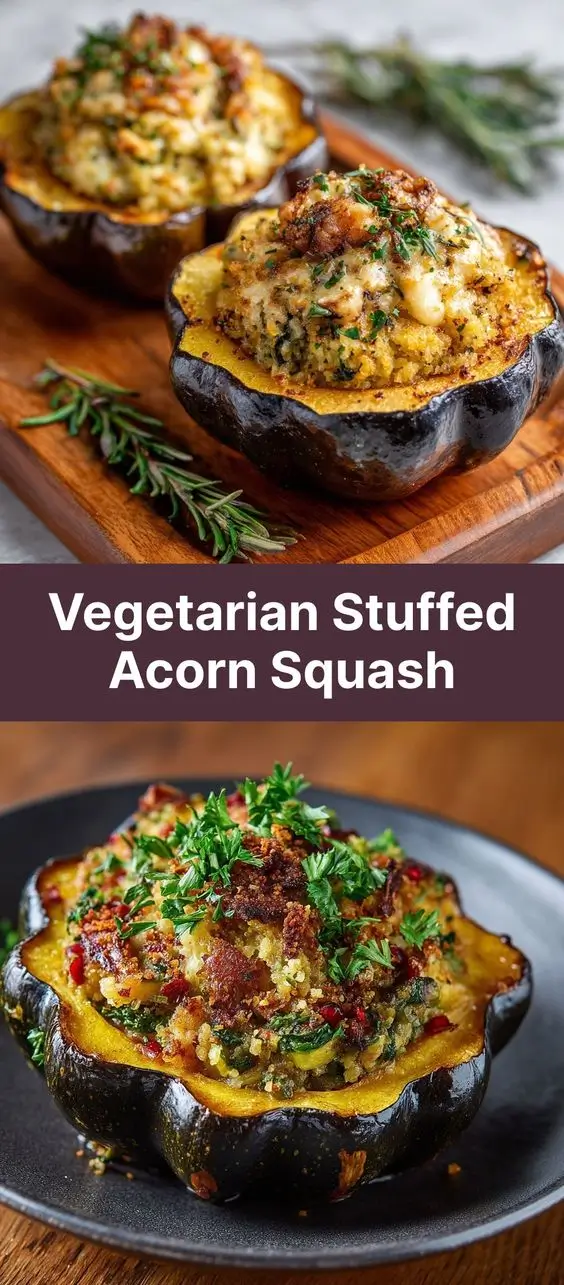
Vegetarian Stuffed Acorn Squash is a wholesome, comforting dish that brings together the natural sweetness of roasted acorn squash with a hearty, nutrient-dense filling. Perfect for fall and winter meals, this recipe celebrates seasonal produce while offering a satisfying plant-based option suitable for weeknight dinners or elegant holiday spreads. Packed with fiber, protein, and complex carbohydrates, it’s not only delicious but also nourishing for body and soul. Whether you’re a long-time vegetarian, exploring meatless meals, or simply looking to incorporate more vegetables into your diet, this stuffed squash recipe delivers bold flavors, vibrant colors, and a fulfilling texture in every bite.
The History
Acorn squash, named for its resemblance to an oversized acorn, is a cultivar of Cucurbita pepo, which also includes zucchini, yellow squash, and certain pumpkins. Native to North America, squash has been cultivated by Indigenous peoples for thousands of years as part of the “Three Sisters” agricultural system—alongside corn and beans—which supported sustainable farming and balanced nutrition. The use of stuffed vegetables dates back centuries across various cultures—from Mediterranean dolma to Middle Eastern kibbeh—and often involves hollowed vegetables filled with grains, herbs, and spices.
In the United States, stuffed squash became popular in the 20th century as home cooks sought creative ways to prepare seasonal harvests. With the rise of vegetarianism and plant-forward diets in recent decades, recipes like Vegetarian Stuffed Acorn Squash have gained renewed attention. Modern versions often incorporate quinoa, wild rice, mushrooms, nuts, dried fruits, and aromatic spices to create layered, restaurant-quality dishes at home. This recipe honors those traditions while embracing contemporary tastes and nutritional awareness.
Ingredients Breakdown
The beauty of Vegetarian Stuffed Acorn Squash lies in its balance of textures and flavors, achieved through thoughtfully selected ingredients:
- Acorn Squash: The star of the dish, prized for its mildly sweet, nutty flavor and tender flesh when roasted. Its edible skin becomes soft during cooking, adding fiber and nutrients.
- Olive Oil: Used to coat the squash halves before roasting, enhancing caramelization and richness.
- Onion and Garlic: Aromatics that form the flavor base of the stuffing, providing depth and savory complexity.
- Mushrooms: Cremini or button mushrooms add umami and a meaty texture, making the dish especially satisfying for those transitioning to plant-based eating.
- Celery and Carrot: These mirepoix ingredients contribute subtle sweetness and crunch, building a well-rounded vegetable profile.
- Quinoa: A complete protein containing all nine essential amino acids, quinoa adds fluffiness and sustenance to the stuffing. It’s gluten-free and rich in iron and magnesium.
- Vegetable Broth: Used to cook the quinoa and sauté the vegetables, it enhances moisture and infuses savory notes without animal products.
- Dried Cranberries or Cherries: Offer a pop of tartness and chewy texture, balancing the earthiness of the grains and mushrooms.
- Walnuts or Pecans: Toasted nuts provide healthy fats, crunch, and richness, mimicking the mouthfeel of ground meat.
- Maple Syrup: A touch complements the natural sugars in the squash and cranberries, deepening the autumnal flavor.
- Warm Spices (Cinnamon, Nutmeg, Sage, Thyme): These evoke cozy seasonal baking while enhancing the overall aroma and warmth of the dish.
- Spinach or Kale: Leafy greens boost the vitamin content and color contrast, wilting beautifully into the warm filling.
- Lemon Juice: Brightens the mixture and cuts through richness, lifting all the flavors.
- Salt and Pepper: Essential seasoners that bring everything into harmony.
- Optional Add-ins: Crumbled feta or goat cheese for creaminess (omit for vegan), fresh parsley for garnish, or pomegranate seeds for festive flair.
Step-by-Step Recipe
- Preheat Oven: Set your oven to 400°F (200°C). Line a large baking sheet with parchment paper or lightly grease it to prevent sticking.
- Prepare the Squash: Using a sharp chef’s knife, carefully cut each acorn squash in half from stem to end. Use a sturdy spoon to scoop out the seeds and fibrous strands from the center. You can save the seeds for roasting later if desired.
- Rub with Oil: Place the squash halves cut-side up on the prepared baking sheet. Drizzle each half with olive oil (about 1/2 tablespoon per half) and sprinkle lightly with salt and pepper. For extra sweetness, drizzle a small amount of maple syrup (½ tsp per half) over the inside.
- Roast Initially: Roast the squash cut-side down for 30 minutes. This allows the flesh to soften and caramelize slightly against the pan, intensifying flavor.
- Flip and Set Aside: After 30 minutes, remove the squash from the oven and gently flip them so the cavities face upward. Let them cool slightly while you prepare the stuffing. Keep the oven on.
- Cook Quinoa: While squash roasts, rinse 1 cup quinoa under cold water to remove saponins (which can cause bitterness). In a medium saucepan, combine quinoa with 2 cups vegetable broth. Bring to a boil, then reduce heat to low, cover, and simmer for 15 minutes or until liquid is absorbed and quinoa is fluffy. Remove from heat and let stand, covered, for 5 minutes. Fluff with a fork.
- Sauté Aromatics: In a large skillet over medium heat, warm 2 tablespoons olive oil. Add diced onion and cook until translucent (about 5 minutes). Stir in minced garlic, celery, and carrot; cook another 6–7 minutes until softened.
- Add Mushrooms: Increase heat slightly and add sliced mushrooms. Cook until they release their moisture and begin to brown (8–10 minutes), stirring occasionally.
- Incorporate Greens: Stir in chopped spinach or kale and cook just until wilted, about 2–3 minutes.
- Combine Filling: In a large mixing bowl, combine the cooked quinoa, sautéed vegetables, dried cranberries, toasted walnuts, maple syrup (1–2 tbsp), lemon juice (2 tbsp), and spices: ½ tsp dried thyme, ¼ tsp rubbed sage, pinch of cinnamon and nutmeg. Season generously with salt and pepper. Mix thoroughly until evenly blended.
- Stuff the Squash: Using a spoon, generously fill each roasted squash half with the quinoa mixture, mounding it slightly. Place back on the baking sheet.
- Final Bake: Return the stuffed squash to the oven and bake for an additional 15–20 minutes, allowing the filling to heat through and the edges of the squash to become even more tender.
- Garnish and Serve: Remove from oven. Optionally top with crumbled cheese, fresh parsley, pomegranate arils, or a drizzle of balsamic glaze. Serve warm.
Tips
- Choose Uniform Squash: Pick similarly sized acorn squash for even cooking. Medium-sized ones (about 1–1.5 pounds each) are ideal for individual servings.
- Sharp Knife Safety: Acorn squash can be tough to cut. Use a heavy-duty chef’s knife, place the squash on a stable surface, and apply steady pressure. Microwaving the whole squash for 2–3 minutes can soften it slightly and make cutting easier.
- Toast the Nuts: Lightly toast walnuts or pecans in a dry skillet over medium heat for 3–5 minutes until fragrant. This enhances their flavor dramatically.
- Make Ahead: Prepare the stuffing up to two days in advance and store in an airtight container in the refrigerator. Reheat before stuffing and baking.
- Double the Batch: Roast extra squash and freeze them for future meals. Simply reheat and stuff when needed.
- Browning Matters: Don’t rush the mushroom browning step—it develops deep umami flavor critical to the dish’s satisfaction factor.
- Moisture Control: If your filling seems too wet, spread it on a baking sheet and bake at 350°F for 10 minutes to dry it slightly before stuffing.
- Use Leftover Grains: Substitute quinoa with cooked brown rice, farro, bulgur, or couscous for variety.
Variations and Customizations
This recipe is highly adaptable to suit different dietary preferences, regional ingredients, and seasonal availability:
- Vegan Version: Ensure no dairy is added. Skip cheese or use a plant-based alternative like almond feta or cashew cream.
- Gluten-Free: Naturally gluten-free if using certified GF quinoa and broth. Always check labels on packaged ingredients.
- Mediterranean Twist: Replace cranberries with chopped sun-dried tomatoes and Kalamata olives. Add oregano and mint. Top with vegan feta.
- Mexican-Inspired: Use black beans, corn, cumin, chili powder, and cilantro in the filling. Top with avocado slices and lime crema.
- Curried Stuffed Squash: Sauté onions with curry powder or paste, add chickpeas and raisins, and mix with coconut milk-infused quinoa.
- Fall Harvest Style: Incorporate roasted apples or pears, sage, and pecans for a Thanksgiving-ready version.
- Protein Boost: Add lentils, tempeh crumbles, or hemp seeds to increase protein content.
- Nut-Free: Omit walnuts and replace with sunflower or pumpkin seeds for crunch.
- Low-Sugar Option: Skip maple syrup and dried fruit; use fresh apple or jicama for subtle sweetness.
- Spicy Kick: Add red pepper flakes or diced jalapeño to the sautéed veggies for heat.
- Different Squash: Try this method with delicata (no peeling needed!), buttercup, or carnival squash.
Health Considerations and Nutritional Value
Vegetarian Stuffed Acorn Squash is a nutritionally robust meal that supports overall health with a wide array of vitamins, minerals, and phytonutrients:
- Rich in Fiber: Both acorn squash and quinoa are excellent sources of dietary fiber, promoting digestive health, satiety, and stable blood sugar levels.
- Heart-Healthy Fats: Olive oil and walnuts provide monounsaturated and omega-3 fatty acids, which support cardiovascular function and reduce inflammation.
- Antioxidant Powerhouse: Acorn squash contains high levels of beta-carotene (vitamin A precursor), which supports vision, immune function, and skin health. Spinach and kale add lutein, zeaxanthin, and vitamin K.
- Plant-Based Protein: Quinoa and mushrooms deliver complete and incomplete proteins respectively, helping meet daily needs without animal products.
- Low Glycemic Index: Despite its sweetness, acorn squash has a moderate glycemic load, especially when paired with protein and fat, making it suitable for many blood sugar management plans.
- Iron and Magnesium: Quinoa and leafy greens contribute non-heme iron (pair with vitamin C-rich lemon juice for better absorption) and magnesium, important for energy metabolism and muscle function.
- Low Sodium Option: Control sodium by using low-sodium vegetable broth and minimizing added salt.
- Weight Management: High-volume, low-calorie density makes this dish ideal for those seeking to maintain or lose weight while staying full.
- Anti-Inflammatory Benefits: Herbs like thyme and sage contain compounds with antioxidant and anti-inflammatory properties.
- Allergen Notes: Contains tree nuts (if using walnuts/pecans); easily modified for common allergens as described above.
Nutrition Estimate (per serving, one stuffed squash half):
Calories: ~380 | Protein: 10g | Fat: 16g (mostly unsaturated) | Carbohydrates: 52g | Fiber: 11g | Sugar: 18g (naturally occurring) | Vitamin A: 210% DV | Vitamin C: 60% DV | Iron: 20% DV | Calcium: 8% DV
Ingredients
- 2 medium acorn squash
- 3 tablespoons olive oil, divided
- 1 tablespoon pure maple syrup, divided
- Salt and freshly ground black pepper, to taste
- 1 cup uncooked quinoa, rinsed
- 2 cups low-sodium vegetable broth
- 1 medium yellow onion, finely diced
- 3 cloves garlic, minced
- 2 stalks celery, diced
- 1 medium carrot, peeled and diced
- 8 oz cremini mushrooms, sliced
- 2 cups fresh baby spinach or chopped kale
- ½ cup dried cranberries or cherries
- ½ cup walnuts or pecans, toasted and roughly chopped
- 2 tablespoons fresh lemon juice
- ½ teaspoon dried thyme
- ¼ teaspoon rubbed sage
- Pinch of ground cinnamon
- Pinch of ground nutmeg
- Fresh parsley, for garnish (optional)
- Pomegranate seeds or crumbled feta/goat cheese (optional)
Directions
- Preheat oven to 400°F (200°C). Line a large baking sheet with parchment paper.
- Cut each acorn squash in half lengthwise and scoop out seeds and strings. Brush cut sides with 2 tablespoons olive oil, drizzle with 1 tablespoon maple syrup, and season with salt and pepper.
- Place squash cut-side down on the baking sheet and roast for 30 minutes.
- While squash roasts, prepare quinoa: In a saucepan, bring 2 cups vegetable broth to a boil. Add rinsed quinoa, reduce heat, cover, and simmer for 15 minutes. Remove from heat and let sit, covered, for 5 minutes. Fluff with a fork.
- After 30 minutes, remove squash from oven and flip so cavities face up. Set aside to cool slightly. Keep oven on.
- In a large skillet, heat remaining 1 tablespoon olive oil over medium heat. Add onion and cook until soft (5 minutes). Add garlic, celery, and carrot; cook 6–7 minutes more.
- Add mushrooms and cook until browned and most liquid has evaporated (8–10 minutes).
- Stir in spinach or kale and cook until wilted, about 2–3 minutes. Remove from heat.
- In a large bowl, combine cooked quinoa, sautéed vegetables, cranberries, walnuts, lemon juice, thyme, sage, cinnamon, nutmeg, and remaining ½ tablespoon maple syrup. Season with salt and pepper to taste. Mix well.
- Stuff each squash half generously with the quinoa mixture, mounding it slightly.
- Return stuffed squash to the baking sheet and bake for 15–20 minutes, until heated through and squash is fork-tender.
- Remove from oven. Garnish with fresh parsley, pomegranate seeds, or cheese if desired. Serve warm.
FAQ
Can I make this ahead of time?
Yes! Roast the squash and prepare the stuffing up to 2 days in advance. Store separately in the fridge. When ready to serve, stuff and bake for 20–25 minutes to reheat fully.
Can I freeze stuffed acorn squash?
Absolutely. Cool completely after baking, wrap tightly in foil or place in freezer-safe containers. Freeze for up to 3 months. Thaw overnight in the fridge and reheat at 350°F for 25–30 minutes.
What can I use instead of quinoa?
Brown rice, farro, barley, millet, or couscous work well. Adjust cooking times and liquid ratios accordingly.
Is acorn squash skin edible?
Yes! Once roasted, the skin becomes tender and nutritious. However, if you prefer, you can scoop out the flesh and remix it with the stuffing before serving.
How do I know when the squash is done?
The flesh should be easily pierced with a fork and feel soft and creamy, similar to baked potato texture.
Can I make this recipe oil-free?
Yes. Sauté vegetables using water or vegetable broth instead of oil, and omit oil when roasting squash. The result will be less rich but still flavorful.
Are there any common allergies in this recipe?
Tree nuts (walnuts/pecans) are included. To make nut-free, substitute with seeds like pumpkin or sunflower. Check broth for gluten or soy if needed.
Can I use frozen spinach?
Yes, but thaw and squeeze out excess water before adding to avoid a soggy filling.
Can I cook the quinoa in the same pot as the veggies?
You can try a one-pot version by adding uncooked quinoa and broth directly to the skillet after sautéing veggies, but monitor liquid levels closely.
Why did my stuffing turn out mushy?
Overcooked mushrooms or greens, too much liquid in the pan, or under-drained cooked ingredients can lead to sogginess. Make sure to cook off excess moisture and allow components to cool before mixing.
Summary
Vegetarian Stuffed Acorn Squash is a nourishing, flavorful dish that combines sweet roasted squash with a savory, protein-rich quinoa stuffing loaded with vegetables, herbs, and toasted nuts. Ideal for seasonal gatherings or healthy weeknight meals, it’s as beautiful on the table as it is beneficial for your body.