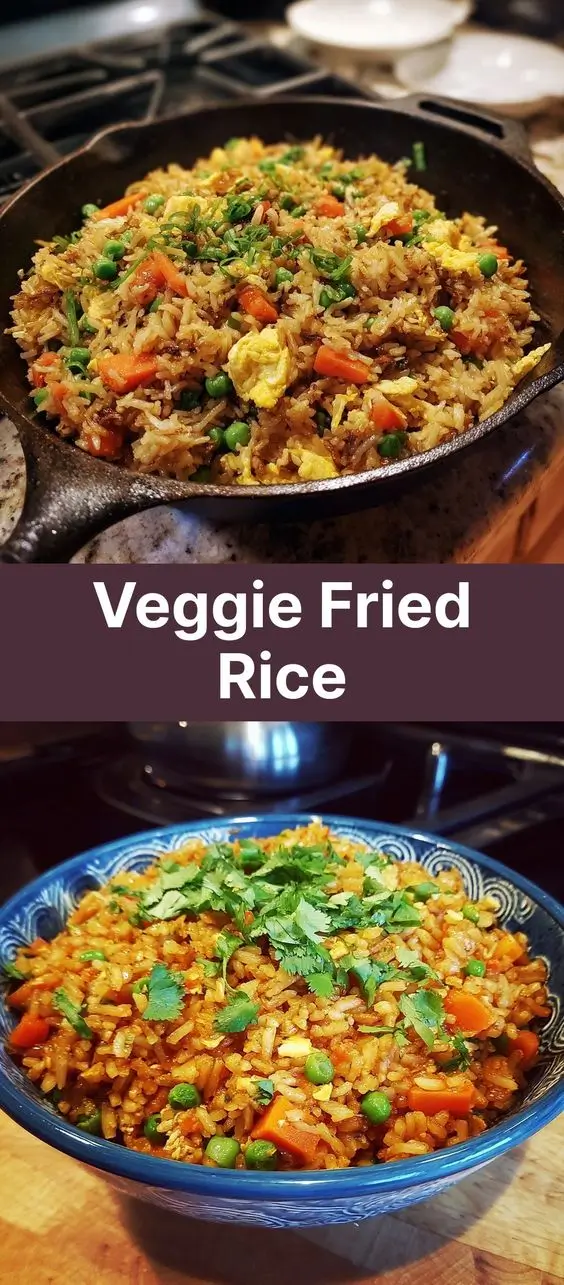
Veggie Fried Rice: A Flavorful and Nutritious Delight
The History of Veggie Fried Rice
Fried rice is a culinary staple with deep roots in Chinese cuisine, dating back over 1,500 years to the Sui Dynasty (589–618 AD). As a practical solution to repurpose leftover rice, early cooks discovered that cold, day-old rice fried with vegetables, eggs, and seasonings created a delicious and satisfying meal. This technique spread across Asia, adapting to regional tastes and ingredients. In Southeast Asia, it evolved with the addition of fish sauce, chili, and tropical vegetables; in Japan, it became “chahan,” often made with dashi and nori; while in Korea, it transformed into “bokkeumbap,” incorporating gochujang and kimchi.
With global migration and the rise of international cuisine, fried rice entered Western kitchens, where it was embraced for its versatility and ease. Veggie fried rice, as we know it today, emerged as a plant-forward adaptation, catering to vegetarians and health-conscious eaters. It embodies the fusion of traditional Asian cooking techniques with modern dietary preferences. Now, it’s a beloved dish found in homes, restaurants, and food trucks around the world—celebrated not just for its taste but for its sustainability, minimizing food waste by transforming leftovers into gourmet meals.
Ingredients Breakdown: What Goes Into the Perfect Veggie Fried Rice
The beauty of veggie fried rice lies in its balance of textures, colors, and flavors—all achieved through carefully selected ingredients. Each component plays a role in building depth and complexity.
- Cooked Rice: Preferably long-grain white rice like jasmine or basmati, chilled overnight. Cold rice has less moisture, preventing mushiness when stir-fried. Day-old rice is ideal because it fries better, producing distinct, fluffy grains.
- Vegetable Oil: A neutral oil with a high smoke point—such as peanut, canola, or avocado oil—is essential for achieving that signature wok hei (breath of the wok), a smoky aroma from high-heat cooking.
- Aromatics: Minced garlic, grated ginger, and finely chopped onions form the flavor foundation. These are sautéed first to release their essential oils and infuse the oil.
- Vegetables: A colorful mix ensures both nutrition and visual appeal. Common choices include diced carrots (for sweetness and crunch), peas (frozen or fresh), bell peppers (red, yellow, or green), corn, broccoli florets, mushrooms, zucchini, and green beans. Freshness is key—crisp vegetables retain texture after frying.
- Soy Sauce: The backbone of umami flavor. Use low-sodium soy sauce to control salt levels, or tamari for a gluten-free option. Some recipes blend light and dark soy sauces for complexity—light for saltiness, dark for color and richness.
- Toasted Sesame Oil: Added at the end, this fragrant oil enhances aroma without overpowering. Never cook with it at high heat—it burns easily and turns bitter.
- Green Onions: Both white and green parts are used—whites added early for pungency, greens tossed in at the end for freshness and color.
- Eggs (Optional): While traditionally included, vegans can skip this or use tofu scramble as a substitute. Eggs add protein and richness, forming ribbons throughout the rice.
- Optional Add-ins: Red pepper flakes for heat, rice vinegar for brightness, hoisin sauce for sweetness, or sriracha for a spicy kick. Cashews or edamame can be added for extra protein and crunch.
Step-by-Step Recipe: How to Make Authentic-Tasting Veggie Fried Rice at Home
Follow these detailed steps to achieve restaurant-quality veggie fried rice in your own kitchen. The key is preparation, high heat, and quick cooking.
- Prepare Ingredients Ahead of Time: Chop all vegetables uniformly for even cooking. Beat eggs (if using) and set aside. Measure out soy sauce, sesame oil, and any other sauces. Have everything within arm’s reach—this is crucial since the cooking process moves fast.
- Heat the Wok or Skillet: Place a large wok or non-stick skillet over high heat. Add 1–2 tablespoons of vegetable oil and swirl to coat the surface. Let it heat until shimmering or just starting to smoke—a sign it’s ready for stir-frying.
- Cook the Eggs (Optional): Push the oil to the center, pour in beaten eggs, and scramble gently. Once cooked, remove and set aside on a plate.
- Sauté Aromatics: Add another tablespoon of oil if needed. Toss in minced garlic, grated ginger, and chopped onion whites. Stir-fry for 30 seconds until fragrant but not browned.
- Stir-Fry Hard Vegetables: Add carrots, broccoli, and other dense vegetables. Cook for 2–3 minutes, stirring constantly, until slightly tender but still crisp.
- Add Softer Vegetables: Incorporate peas, corn, bell peppers, mushrooms, and zucchini. Stir-fry for another 2 minutes until vibrant and heated through.
- Incorporate the Rice: Break up clumps of cold rice with your fingers or a spoon. Add to the wok in batches, pressing down gently to make contact with the hot surface. Stir-fry for 3–4 minutes, tossing frequently to distribute heat evenly.
- Season the Dish: Drizzle soy sauce evenly over the rice. For more depth, add a splash of rice vinegar or a teaspoon of hoisin sauce. Continue tossing for another 2 minutes to ensure uniform color and flavor absorption.
- Reintroduce Eggs: Return scrambled eggs to the wok, breaking them into small pieces as you mix.
- Finish with Aromatics: Turn off the heat. Stir in green onion tops and a final drizzle (½ to 1 tsp) of toasted sesame oil. Toss well to combine.
- Taste and Adjust: Sample the fried rice. Adjust seasoning with more soy sauce, a pinch of salt, or a squeeze of lime juice if desired.
- Serve Immediately: Plate hot, garnished with extra green onions, sesame seeds, or cilantro. Serve alongside spring rolls, dumplings, or a simple miso soup.
Tips for Perfect Veggie Fried Rice Every Time
- Use Cold Rice: Freshly cooked rice is too moist and will steam instead of fry. Refrigerate it uncovered for at least 4 hours or overnight to dry it out.
- Don’t Overcrowd the Pan: Too many ingredients lower the temperature, leading to soggy rice. Cook in batches if necessary.
- High Heat is Key: Stir-frying requires intense heat to sear ingredients quickly and create that desirable smoky flavor. Use the highest setting on your stove.
- Keep Ingredients Moving: Constant stirring prevents burning and ensures even cooking. Use a wooden spatula or wok shovel for best results.
- Season Gradually: Add soy sauce in stages rather than all at once. You can always add more, but you can’t take it away.
- Pre-Cook Dense Veggies: If using raw broccoli or carrots, blanch them briefly in boiling water before frying to ensure tenderness.
- Wok Technique Matters: If you have a carbon steel wok, season it regularly. The seasoned surface enhances flavor and prevents sticking.
- Balance Flavors: Aim for a harmony of salty (soy sauce), umami (mushrooms, soy), sweet (corn, carrots), and aromatic (ginger, garlic).
Variations and Customizations: Making Veggie Fried Rice Your Own
Veggie fried rice is infinitely adaptable. Whether you’re catering to dietary needs, seasonal produce, or global flavor profiles, here are some creative twists:
- Thai-Style Veggie Fried Rice: Add curry paste, coconut milk, and fresh basil. Top with crushed peanuts and lime wedges.
- Korean-Inspired Bokkeumbap: Mix in gochujang (Korean chili paste), kimchi (vegetarian version), and top with a fried egg and seaweed flakes.
- Pineapple Fried Rice: Inspired by Thai street food, add diced pineapple, cashews, raisins, and turmeric for color and sweetness.
- Mediterranean Twist: Use quinoa instead of rice, add sun-dried tomatoes, olives, artichokes, and feta cheese (optional).
- Protein-Packed Version: Stir in cubed tofu (pan-seared), tempeh, edamame, or chickpeas for added plant-based protein.
- Low-Carb Option: Replace rice with cauliflower rice. Sauté it separately to remove excess moisture before combining.
- Gluten-Free Friendly: Use tamari instead of soy sauce and ensure all other ingredients are certified gluten-free.
- Spicy Version: Add sliced jalapeños, sriracha, or chili garlic sauce during cooking. Garnish with red pepper flakes.
- Herb-Forward: Mix in fresh cilantro, Thai basil, or mint at the end for a burst of freshness.
- Nutty Crunch: Top with toasted almonds, sesame seeds, or pumpkin seeds for texture contrast.
Health Considerations and Nutritional Value
Veggie fried rice can be a nutritious, balanced meal when prepared thoughtfully. Here’s what you need to know about its health profile:
- Calories: A typical 1-cup serving ranges from 200–300 calories, depending on oil and ingredient choices.
- Carbohydrates: Primarily from rice, which provides energy. Opt for brown rice to increase fiber content and improve satiety.
- Protein: Naturally moderate, but can be boosted with eggs, tofu, or legumes. A serving with tofu adds 8–10g of plant-based protein.
- Fats: Mostly unsaturated fats from oils and nuts. Limit oil to 1–2 tablespoons per batch to keep fat content in check.
- Fiber: High when loaded with vegetables and whole grains. A generous mix of peas, carrots, broccoli, and bell peppers can provide 4–6g of fiber per serving.
- Vitamins & Minerals: Rich in vitamin A (from carrots), vitamin C (bell peppers, broccoli), folate (leafy greens), and antioxidants from colorful produce.
- Sodium: Can be high due to soy sauce. Use low-sodium soy sauce and limit added salt. One tablespoon of regular soy sauce contains about 900mg sodium—opt for reduced versions to stay under daily limits.
- Glycemic Index: White rice has a higher GI; pairing it with fiber-rich vegetables and protein helps stabilize blood sugar.
- Dietary Benefits: When made with minimal oil and plenty of veggies, it supports heart health, digestion, and weight management. It’s naturally cholesterol-free and can be vegan-friendly.
- Portion Control: Serve in moderation, ideally with a side salad or steamed greens for a complete meal.
Ingredients
- 3 cups cooked and chilled white rice (preferably day-old)
- 2 tablespoons vegetable oil (peanut, canola, or avocado)
- 2 cloves garlic, minced
- 1 tablespoon fresh ginger, grated
- 1/2 cup yellow onion, finely chopped
- 1/2 cup carrots, diced
- 1/2 cup frozen peas, thawed
- 1/2 cup corn kernels (fresh or frozen)
- 1/2 cup bell pepper, diced (any color)
- 1/2 cup broccoli florets, small pieces
- 1/2 cup mushrooms, sliced
- 3 green onions, sliced (whites and greens separated)
- 2 large eggs, beaten (optional)
- 3 tablespoons low-sodium soy sauce (or tamari for gluten-free)
- 1 teaspoon toasted sesame oil
- Salt and pepper to taste
- Optional: 1/2 teaspoon rice vinegar, 1/4 teaspoon red pepper flakes, 1 tsp hoisin sauce
Directions
- Prepare all ingredients and have them ready near the stove.
- Heat a large wok or skillet over high heat. Add 1 tablespoon of oil and swirl to coat.
- If using eggs, push oil to center, pour in beaten eggs, and scramble until fully cooked. Remove and set aside.
- Add remaining oil. Sauté garlic, ginger, and onion whites for 30 seconds until fragrant.
- Add carrots and broccoli; stir-fry for 2 minutes.
- Add peas, corn, bell peppers, mushrooms, and the rest of the onions. Cook for 2 more minutes.
- Add cold rice in batches, breaking up clumps. Stir-fry for 3–4 minutes, pressing rice against the pan to toast lightly.
- Pour soy sauce (and optional sauces) over the rice. Toss continuously for even distribution.
- Return cooked eggs to the wok, mixing gently to combine.
- Turn off heat. Stir in green onion tops and sesame oil.
- Taste and adjust seasoning—add salt, pepper, or a splash of vinegar if needed.
- Serve immediately, garnished with extra green onions or sesame seeds.
FAQ (Frequently Asked Questions)
Can I make veggie fried rice with fresh rice?
While possible, it’s not recommended. Fresh rice contains too much moisture and will become mushy. Always use cold, day-old rice for best texture.
Is veggie fried rice healthy?
Yes, when made with minimal oil, lots of vegetables, and low-sodium soy sauce. It’s a great way to incorporate plant-based nutrients and fiber into your diet.
Can I freeze veggie fried rice?
Absolutely. Cool completely, store in airtight containers, and freeze for up to 3 months. Reheat in a skillet with a splash of water to restore moisture.
How do I prevent my fried rice from being soggy?
Use cold rice, avoid overcrowding the pan, cook on high heat, and don’t add too much sauce. Pre-cook watery vegetables like zucchini if needed.
What can I use instead of soy sauce?
Tamari (gluten-free), coconut aminos (low-sodium, soy-free), or liquid aminos are excellent substitutes.
Can I make it vegan?
Yes! Simply omit the eggs or replace them with crumbled tofu or chickpea flour scramble.
Why is my fried rice sticking to the pan?
Your pan may not be hot enough or well-oiled. Ensure proper preheating and use enough oil. Non-stick or well-seasoned woks work best.
Can I use brown rice?
Yes. Brown rice adds fiber and nutrients. Just ensure it’s well-cooked and chilled before frying.
Summary
Veggie fried rice is a versatile, flavorful, and nutritious dish that transforms simple leftovers into a vibrant, satisfying meal. Packed with colorful vegetables, aromatic spices, and umami-rich seasonings, it’s a testament to the beauty of resourceful cooking.
Whether you stick to classic flavors or experiment with global variations, this plant-powered staple deserves a permanent spot in your weekly rotation—for its taste, convenience, and endless possibilities.