Introduction
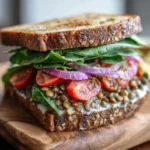
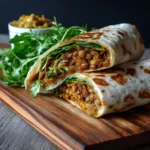
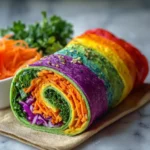
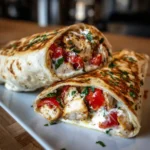
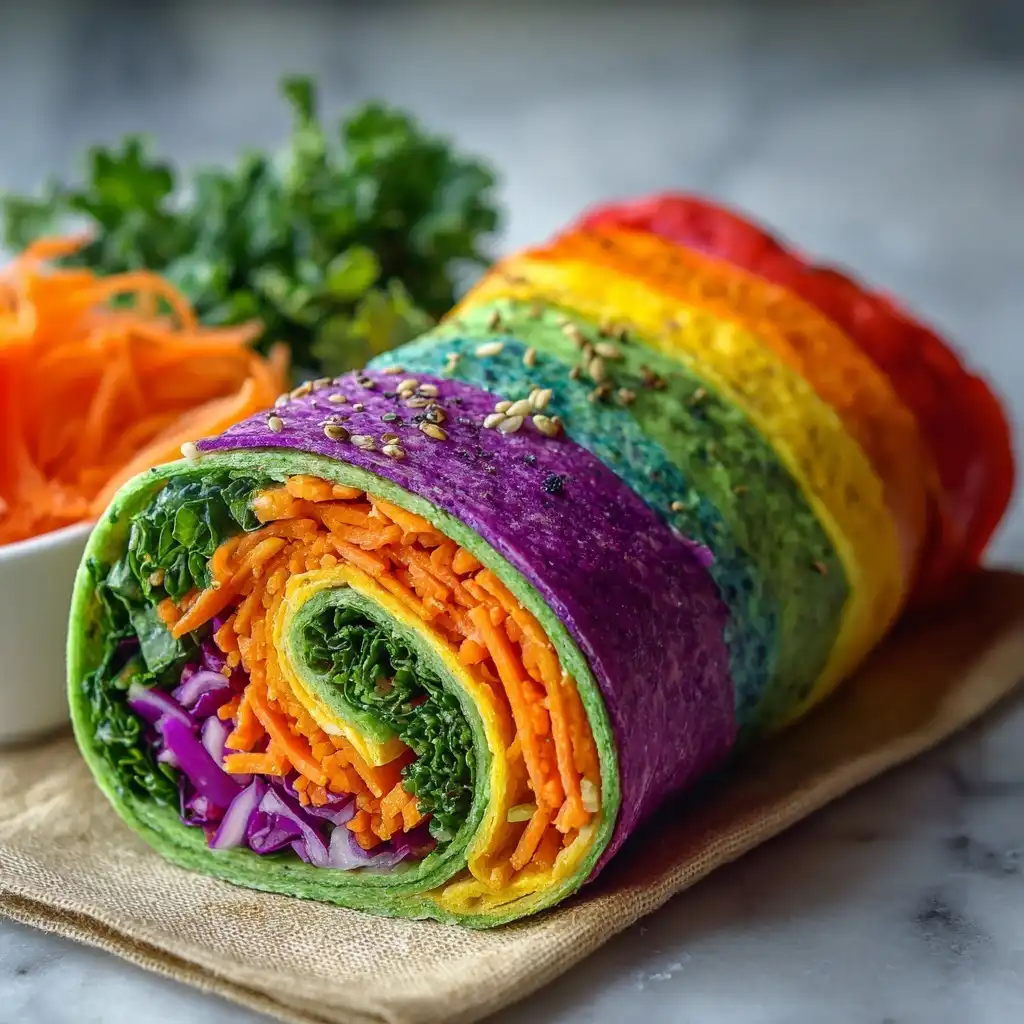
Welcome to the vibrant world of the Veggie Rainbow Wrap—a celebration of color, crunch, flavor, and nourishment wrapped elegantly in a soft, whole-grain tortilla. This isn’t just another lunch idea; it’s a mindful, joyful, and nutritionally intelligent meal that transforms everyday vegetables into a feast for the senses. Designed for busy professionals, health-conscious families, plant-based eaters, and curious food lovers alike, the Veggie Rainbow Wrap bridges convenience with culinary creativity—offering endless possibilities while honoring seasonal produce, global flavors, and sustainable eating habits. Whether you’re packing it for school, work, or a picnic in the park, this wrap delivers bold taste, satisfying texture, and visual delight—all without compromising on wellness or ethics.
The History
The concept of the wrap itself traces back centuries—to Middle Eastern flatbreads like lavash and laffa, Mexican sopes and gorditas, and Indian parathas—where grains were used as edible vessels for layered fillings. However, the modern “wrap” as we know it gained mainstream popularity in the United States during the 1980s and ’90s, spurred by the rise of fast-casual dining and the growing demand for portable, customizable meals. The *Veggie Rainbow Wrap*, though not tied to a single origin story, emerged organically from multiple converging food movements: the farm-to-table ethos of the early 2000s, the colorful “eat-the-rainbow” nutritional campaign championed by dietitians and public health advocates, and the plant-forward revolution of the 2010s. Chefs, nutritionists, and home cooks began intentionally curating wraps using red bell peppers, orange carrots, yellow squash, green spinach, blue-purple cabbage, and white jicama—not only for their phytonutrient diversity but also for their visual harmony and textural contrast. Today, it stands as a globally recognized symbol of balanced, joyful, and inclusive eating—one that honors tradition while boldly embracing innovation, sustainability, and inclusivity across dietary lifestyles (vegan, vegetarian, gluten-free, nut-free, low-sodium, etc.).
Ingredients Breakdown
Every ingredient in the Veggie Rainbow Wrap is chosen deliberately—not just for flavor and color, but for its functional role in building balance, texture, and nutrition:
- Whole-Grain or Sprouted Grain Tortilla: Serves as the structural foundation—providing complex carbohydrates, fiber, B vitamins, and sustained energy. Look for options with at least 3g fiber and ≤5g added sugar per serving.
- Red (Tomato & Red Bell Pepper): Lycopene-rich tomatoes support heart and skin health; vitamin C–packed red bell peppers enhance iron absorption and immune resilience.
- Orange (Carrots & Roasted Sweet Potato): Beta-carotene converts to vitamin A for eye health, immune function, and cellular repair. Shredded raw carrots add crunch; roasted sweet potato adds creamy sweetness and fiber.
- Yellow (Corn & Yellow Squash): Corn contributes lutein and zeaxanthin for macular protection; yellow squash provides potassium, magnesium, and mild, buttery flavor with tender-crisp bite.
- Green (Baby Spinach, Cucumber, Avocado, Fresh Herbs): Spinach offers folate, iron, and nitrates for vascular health; cucumber hydrates and cools; avocado supplies heart-healthy monounsaturated fats and creamy richness; cilantro or parsley adds enzymatic freshness and detox-supportive compounds.
- Blue/Purple (Red Cabbage & Purple Radish or Black Sesame Seeds): Anthocyanins in red cabbage fight oxidative stress and support cognitive longevity; purple radishes lend peppery zing and visual drama; black sesame seeds contribute calcium, zinc, and nutty depth.
- White (Jicama, Cauliflower Rice, or Pickled Daikon): Jicama brings prebiotic fiber (inulin) to feed beneficial gut bacteria; cauliflower rice adds volume and nutrients without heaviness; pickled daikon introduces probiotics and bright acidity.
- Signature Rainbow Dressing: A base of Greek yogurt or tahini blended with lemon juice, Dijon mustard, garlic, turmeric, and a touch of maple syrup creates a creamy, tangy, anti-inflammatory binder rich in protein, healthy fats, and bioactive compounds.
- Optional Boosters: Hemp hearts (omega-3s), sprouted lentils (plant protein + digestibility), nutritional yeast (vitamin B12 + umami), toasted pumpkin seeds (magnesium + zinc), or microgreens (concentrated enzymes and antioxidants).
Step-by-Step Recipe
- Prep Your Rainbow Components: Wash, dry, and prep all vegetables. Julienne red bell pepper and cucumber; shred carrots and red cabbage; slice tomatoes and avocado just before assembly to prevent browning; spiralize or thinly slice yellow squash; grill or roast sweet potato cubes until tender-crisp; lightly steam or quick-pickle cauliflower rice for enhanced digestibility.
- Make the Rainbow Dressing: In a small bowl, whisk together ½ cup plain unsweetened Greek yogurt (or tahini for vegan), 2 tbsp fresh lemon juice, 1 tsp Dijon mustard, 1 minced garlic clove, ¼ tsp ground turmeric, ½ tsp honey or maple syrup, and a pinch of sea salt and black pepper. Adjust acidity and creaminess to preference—add water (1 tsp at a time) if too thick.
- Warm the Tortilla Gently: Heat a dry skillet over medium-low heat. Warm each tortilla for ~15 seconds per side—just enough to make it pliable without drying or stiffening. Avoid microwaving unless covered with a damp paper towel (can cause sogginess).
- Layer Strategically: Spread 2–3 tbsp of dressing evenly across the center third of the tortilla, leaving a 1.5-inch border. Begin layering ingredients in order of moisture content: start with dry greens (spinach), then semi-moist (carrots, cabbage), followed by juicy items (tomatoes, cucumber), then creamy elements (avocado, sweet potato), finishing with crunchy accents (jicama, radish, seeds).
- Roll with Precision: Fold the bottom edge up over the filling, then fold in both sides snugly. Roll forward firmly but gently, tucking ingredients in as you go. Apply light, even pressure to seal—avoid overstuffing, which causes splitting.
- Rest & Set: Place seam-side down on parchment-lined plate. Let rest for 3–5 minutes—this allows dressing to slightly hydrate the tortilla and helps ingredients adhere. For meal prep, wrap tightly in parchment paper, then beeswax wrap or reusable silicone bag.
- Serve Thoughtfully: Slice diagonally with a serrated knife for clean presentation. Serve alongside a small ramekin of extra dressing, fermented hot sauce, or a citrus-dill yogurt dip. Garnish with edible flowers (nasturtiums, pansies) or microgreens for elevated visual appeal.
Tips
- Prevent Sogginess: Always pat vegetables dry after washing—even leafy greens benefit from a spin in a salad spinner. Consider massaging kale or Swiss chard with a bit of dressing first to soften fibers and reduce water release.
- Tortilla Wisdom: Opt for 100% whole-wheat, sprouted grain, or cassava-based wraps for higher fiber and lower glycemic impact. Gluten-free? Try brown rice or almond flour tortillas—but warm them longer (20–25 sec/side) for optimal pliability.
- Avocado Hack: To prevent browning, toss slices in lime juice *and* press plastic wrap directly onto the surface before storing. Or substitute mashed edamame or white bean spread for similar creaminess and protein.
- Meal-Prep Mastery: Assemble wraps up to 24 hours ahead—but keep wet ingredients (tomatoes, cucumbers) separate in small containers. Add them just before rolling. Store rolled wraps horizontally (not stacked) in airtight containers with parchment between layers.
- Cutting Technique: Chill assembled wraps for 15 minutes before slicing—firmness yields cleaner cuts. Use a sharp serrated knife and gentle sawing motion, not downward pressure.
- Flavor Layering Secret: Don’t skip the finishing touches: flaky sea salt, smoked paprika, toasted cumin seeds, or a drizzle of chili crisp can transform simplicity into sophistication.
- Kid-Friendly Adaptation: Involve children in choosing colors (“Which rainbow veggie do you want today?”), use fun-shaped cutters for veggies, or create “rainbow roll-ups” with mini tortillas and dips for easy self-feeding.
Variations and Customizations
The Veggie Rainbow Wrap is gloriously adaptable—here are 12 thoughtfully crafted variations, each tailored to distinct dietary needs, flavor profiles, cultural inspirations, and occasions:
- Mediterranean Rainbow: Swap dressing for lemon-tahini + oregano; add kalamata olives, roasted eggplant, cherry tomatoes, arugula, and crumbled feta (or vegan feta); finish with dried oregano and lemon zest.
- Asian-Inspired Umami Wrap: Use tamari-ginger miso dressing; include shiitake mushrooms (sautéed), shredded nori, pickled ginger, edamame, snow peas, and scallions; top with furikake and toasted sesame oil.
- Mexican Fiesta Wrap: Blend chipotle-lime crema; fill with black beans, corn, pico de gallo, shredded romaine, pickled red onions, and avocado; garnish with cilantro, lime wedge, and crushed pepitas.
- Indian Spice Fusion: Whisk turmeric-yogurt with mango chutney and cumin; layer with spiced roasted cauliflower, mint-cilantro chutney, shredded lettuce, cucumber ribbons, and golden raisins.
- Breakfast Rainbow Wrap: Scramble tofu or eggs with turmeric and black salt; add sautéed spinach, roasted sweet potato, cherry tomatoes, and sliced avocado; drizzle with sriracha-maple sauce.
- Protein-Powered Power Wrap: Add marinated tempeh strips, grilled chickpeas, or baked tofu cubes; boost with hemp hearts, sunflower seed butter dressing, and sprouted mung beans.
- Low-Carb/Keto Rainbow Lettuce Wrap: Replace tortilla with large butter lettuce or romaine leaves; use avocado-oil mayonnaise dressing; emphasize above-the-ground veggies (zucchini, broccoli slaw, asparagus ribbons) and healthy fats (macadamia nuts, avocado oil).
- Gluten-Free Rainbow Wrap: Use certified GF brown rice or coconut wraps; ensure all dressings and condiments are GF-tested; add buckwheat groats or quinoa for chewy texture and complete protein.
- Raw Rainbow Wrap: Skip cooking entirely—use spiralized beets, julienned apples, soaked almonds, shredded kale massaged with lemon, and fermented sauerkraut; bind with cashew-cheese dressing.
- Winter Rainbow Wrap: Feature roasted delicata squash, caramelized red onions, steamed Brussels sprouts, purple potatoes, pear slices, and walnut-rosemary dressing.
- Summer Garden Rainbow Wrap: Highlight heirloom tomatoes, grilled zucchini, fresh basil ribbons, blanched green beans, corn off the cob, and basil pesto–yogurt swirl.
- Global Rainbow Kids’ Wrap: Use fun-shaped veggie cutters (stars, hearts); incorporate naturally sweet elements (roasted beet hummus, banana “cream”); serve with rainbow fruit skewers and dippable sauces.
Health Considerations and Nutritional Value
A single standard Veggie Rainbow Wrap (12-inch whole-grain tortilla, 2 cups mixed raw + cooked vegetables, ¼ avocado, 3 tbsp rainbow dressing) delivers approximately:
- Calories: 380–450 kcal (adjustable based on tortilla size and fat additions)
- Protein: 12–18 g (enhanced significantly with legumes, seeds, or dairy alternatives)
- Fiber: 14–22 g (meeting 50–85% of daily adult recommendations)
- Healthy Fats: 16–24 g (primarily monounsaturated and omega-3s from avocado, seeds, and olive/tahini oils)
- Vitamins & Minerals: Exceptionally high in vitamins A, C, K, folate, potassium, magnesium, and manganese—plus notable levels of iron (non-heme, enhanced by vitamin C pairing), calcium (especially with fortified plant milks or tahini), and zinc (from seeds and legumes).
- Phytonutrients: Contains over 30 distinct plant compounds—including lycopene, beta-carotene, anthocyanins, lutein, quercetin, sulforaphane, and allicin—each supporting unique pathways in inflammation modulation, DNA repair, detoxification, and microbiome diversity.
Dietary Notes:
- Vegan/Vegetarian Friendly: Naturally plant-centric; easily made fully vegan with tahini or cashew-based dressings and no animal-derived cheeses or yogurts.
- Gluten Sensitivity: Easily adapted using GF-certified wraps or lettuce alternatives—always verify labels on dressings, mustards, and spice blends.
- Low-Sodium Option: Prepare dressing from scratch (no store-bought sauces); use herbs, citrus, vinegar, and spices instead of salt; rinse canned beans thoroughly.
- Diabetic-Friendly: Low glycemic load due to high fiber, healthy fats, and balanced carb distribution. Pair with vinegar-based dressings to further moderate glucose response.
- Pregnancy & Lactation Support: Rich in folate, iron, choline (from avocado/eggs), and omega-3s—critical for fetal neurodevelopment and maternal mood regulation.
- Gut Health Focus: Prebiotics (inulin from jicama, onions, garlic), probiotics (fermented veggies), polyphenols (berries, herbs), and diverse plant fibers collectively nurture microbial diversity and intestinal barrier integrity.
- Allergen Awareness: Naturally free of top 9 allergens when prepared carefully—substitute seeds for nuts, omit soy-based products if needed, and choose seed-based cheeses or nutritional yeast instead of dairy.
Ingredients
- 1 large (10–12 inch) whole-grain, sprouted, or gluten-free tortilla (look for minimal ingredients, no added sugars or preservatives)
- ¼ medium ripe avocado, thinly sliced or mashed
- ½ cup shredded raw red cabbage (purple for maximum anthocyanins)
- ½ cup shredded raw carrots (preferably organic, unpeeled for extra fiber)
- ½ cup thin julienne of English cucumber (seeds removed for less moisture)
- ½ cup diced vine-ripened tomato (seeds gently scooped out to reduce drip)
- ¼ cup finely julienned red bell pepper
- ¼ cup roasted or raw jicama matchsticks (crisp, slightly sweet, prebiotic-rich)
- 2 tbsp crumbled purple radish or daikon sprouts
- 1 cup baby spinach or mixed baby greens (arugula, mizuna, or mâche for complexity)
- 2 tbsp roasted sweet potato cubes (½-inch, tossed in olive oil, smoked paprika, and sea salt)
- 1 tbsp toasted black sesame seeds or hemp hearts
- 2–3 tbsp Rainbow Dressing (see below)
Rainbow Dressing Ingredients:
- ½ cup plain unsweetened Greek yogurt or raw tahini (for vegan option)
- 2 tbsp fresh lemon juice (or lime for tropical variation)
- 1 tsp Dijon mustard (or whole-grain for texture)
- 1 small garlic clove, finely grated or pressed
- ¼ tsp ground turmeric (plus pinch of black pepper for curcumin absorption)
- ½ tsp pure maple syrup or raw honey (optional, for balance)
- ¼ tsp fine sea salt, plus freshly ground black pepper to taste
- 1–2 tsp filtered water (as needed for consistency)
Directions
- Prepare the Rainbow Dressing: In a small mixing bowl, combine Greek yogurt (or tahini), lemon juice, Dijon mustard, grated garlic, turmeric, maple syrup (if using), salt, and pepper. Whisk vigorously until smooth and creamy. Add water, 1 tsp at a time, until desired consistency is reached—should coat the back of a spoon but still be pourable. Taste and adjust: more lemon for brightness, more salt for depth, more turmeric for earthiness. Refrigerate for at least 10 minutes to let flavors meld.
- Roast the Sweet Potato (if using): Preheat oven to 400°F (200°C). Toss ½ cup ½-inch sweet potato cubes with 1 tsp olive oil, ⅛ tsp smoked paprika, and a pinch of sea salt. Spread on parchment-lined baking sheet. Roast for 20–25 minutes, flipping halfway, until tender yet holding shape. Cool slightly before assembling.
- Prep All Vegetables: Wash and thoroughly dry each vegetable. Using a sharp knife or mandoline (with guard), julienne red bell pepper, cucumber, and radish. Shred carrots and red cabbage using a box grater or food processor. Core and deseed tomato; dice finely. Peel and slice avocado just before assembly—drizzle immediately with lemon or lime juice to prevent oxidation. Rinse and spin dry spinach or greens.
- Warm the Tortilla: Heat a cast-iron or nonstick skillet over medium-low heat. Place tortilla in pan and warm for 12–15 seconds per side—just until pliable and fragrant, not crispy or stiff. Transfer to a clean work surface.
- Assemble with Intention: Lay tortilla flat. Spread 2–3 tbsp Rainbow Dressing in a horizontal band across the center third, leaving 1.5 inches clear at the bottom (for folding) and sides (for sealing). Layer in this order: baby spinach (½ cup), shredded carrots (¼ cup), red cabbage (¼ cup), cucumber ribbons (¼ cup), tomato (¼ cup), avocado (¼ avocado), roasted sweet potato (2 tbsp), jicama (2 tbsp), radish (1 tbsp), and finish with black sesame seeds (1 tsp).
- Roll with Care: Lift the bottom edge of the tortilla and fold it up and over the filling. Fold in the left and right sides snugly toward the center. Then, roll forward firmly but gently—using your fingers to tuck in any stray ingredients as you go. Apply even, light pressure along the length to compact and seal.
- Rest and Set: Place wrap seam-side down on a cutting board or plate. Let sit undisturbed for 4–5 minutes—this allows the dressing to subtly soften the tortilla’s edge and bind the layers.
- Slice and Serve: Using a sharp serrated knife, cut wrap in half diagonally. Wipe blade between cuts for clean edges. Serve immediately—or wrap tightly in parchment paper and refrigerate for up to 24 hours (best enjoyed within 12 hours for peak texture).
FAQ
- Can I make Veggie Rainbow Wraps ahead of time?
- Yes—with smart prep! Chop and store vegetables separately in airtight containers lined with dry paper towels (to absorb excess moisture). Make dressing up to 5 days ahead. Assemble wraps no more than 1 hour before eating—or up to 24 hours ahead *if* you omit high-moisture items (tomatoes, cucumbers) and add them fresh before rolling. For true make-ahead success, prepare “Rainbow Veggie Kits” with labeled containers for each color group—kids and adults love building their own.
- What’s the best tortilla to use?
- Our top picks: Sprouted grain wraps (highest digestibility and nutrient density), 100% whole-wheat wraps with visible bran flecks, or cassava flour wraps (grain-free, neutral flavor, flexible texture). Avoid “multigrain” or “wheat” labeled wraps that are actually refined white flour-based. Always check ingredient lists—fewer than 5 recognizable ingredients is ideal.
- How do I keep the wrap from falling apart?
- Three keys: (1) Don’t overfill—aim for 1.5 cups total filling for a 10-inch wrap; (2) Warm the tortilla properly—it should bend without cracking; (3) Roll tightly but gently, tucking ingredients inward as you go. If wrapping for travel, secure with parchment paper and a reusable wrap band—or slice in half and pack in a divided bento box.
- Is this wrap suitable for weight management?
- Absolutely. Its high-volume, low-energy-density profile (thanks to water-rich vegetables and fiber) promotes satiety and reduces overall calorie intake without deprivation. The balance of fiber, protein, and healthy fats stabilizes blood sugar and curbs cravings. Portion control is intuitive—you feel full on fewer calories, naturally.
- Can I freeze Veggie Rainbow Wraps?
- We don’t recommend freezing fully assembled wraps—the texture of fresh vegetables, avocado, and tortilla degrades significantly upon thawing. However, you *can* freeze components: roasted sweet potatoes, cooked quinoa or lentils, and even pre-portioned dressing (in ice cube trays) for convenient future use.
- What can I use instead of avocado?
- Excellent alternatives include: mashed white beans + lemon juice, hummus, guacamole (with lime), edamame puree, sliced ripe pear (for sweetness and softness), or a thin smear of almond or sunflower seed butter (adds richness and protein).
- How do I introduce this to picky eaters or kids?
- Start with “Rainbow Challenges”: assign each color a fun fact (“Red foods help your heart sing!”) and let them choose one new veggie per week. Use cookie cutters for star-shaped cucumbers or heart-shaped bell peppers. Serve deconstructed “rainbow plates” with dipping sauces. Involve them in shopping and prep—ownership builds willingness to try.
- Are there protein options beyond beans and seeds?
- Yes! Try marinated and baked tofu cubes, tempeh bacon crumbles, seitan strips, grilled portobello mushrooms, sprouted lentil patties, or even hard-boiled eggs (for non-vegan versions). For maximum absorption, pair plant proteins with vitamin C–rich ingredients (like red peppers or citrus dressing).
- Can I grill or toast the finished wrap?
- You can—but with caution. Lightly grill *unfilled* tortillas first for charred flavor, then assemble. Or place assembled wrap in a lightly oiled panini press or skillet for 1–2 minutes per side *only if* using heartier, less watery fillings (e.g., roasted roots, kale, beans). Avoid grilling with avocado or tomatoes—they’ll weep and steam the wrap.
- What beverages pair well with this wrap?
- Complement its brightness and earthiness with: chilled hibiscus-ginger infusion (antioxidant-rich), sparkling water with lime and mint, cold-brew green tea with lemon, or a small glass of tart cherry juice (for post-workout recovery). Avoid sugary sodas or juices that compete with its nuanced flavor profile.
Summary
The Veggie Rainbow Wrap is far more than a recipe—it’s a philosophy of eating rooted in color diversity, sensory joy, nutritional intelligence, and ecological mindfulness. Each vibrant layer delivers synergistic phytonutrients, fiber, and functional compounds that support long-term vitality, gut health, and disease resilience.
Infinitely customizable, deeply nourishing, and effortlessly elegant, it invites you to celebrate vegetables not as side dishes—but as the radiant, essential stars of every meal.