Introduction
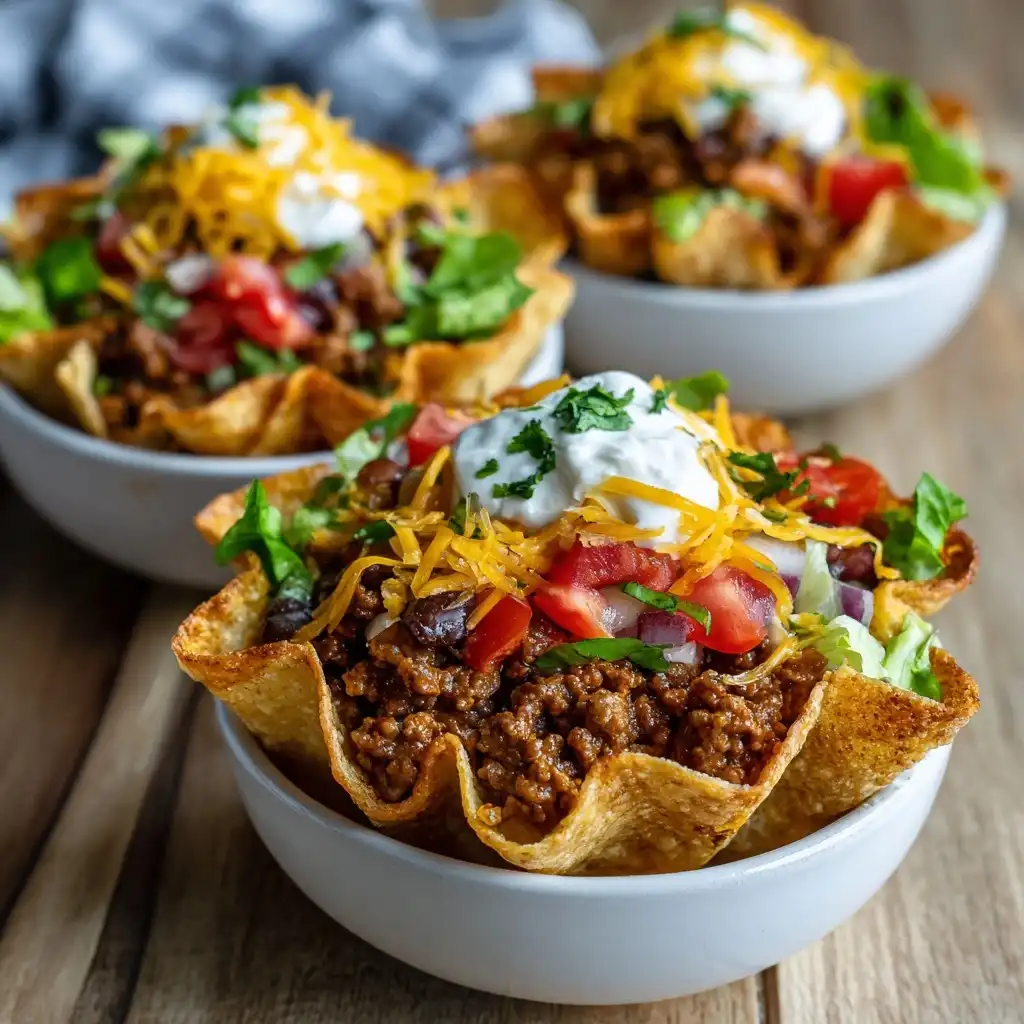
Walking Taco Bowls are the vibrant, modern evolution of the beloved “walking taco” — a handheld, no-fuss meal that originated as a clever fusion of Tex-Mex flavors and American picnic culture. Unlike traditional tacos served in soft or hard shells, Walking Taco Bowls reimagine the concept in a wholesome, bowl-based format that’s both Instagram-worthy and deeply satisfying. Think of them as deconstructed, customizable, nutritionally balanced taco meals built in a sturdy, edible or reusable bowl — perfect for busy weeknights, potlucks, tailgates, meal prep, or even healthy-ish lunchbox solutions. They honor the bold spirit of Mexican-inspired cuisine while embracing contemporary dietary preferences: gluten-free options, plant-based swaps, high-protein builds, and veggie-forward layers — all without sacrificing flavor, texture, or fun.
The History
The walking taco concept traces its roots to the American Midwest in the 1960s and ’70s, where resourceful families and community organizers began serving seasoned ground beef, shredded cheese, lettuce, and tomatoes directly inside crushed Fritos or Doritos bags — eliminating plates, forks, and cleanup entirely. This ingenious “taco-in-a-bag” was especially popular at school carnivals, county fairs, church picnics, and football games across Kansas, Texas, and Oklahoma. The term “walking taco” reportedly gained traction in the 1980s, emphasizing its portability and informal, joyful ethos. Over time, health-conscious adaptations emerged: swapping chips for baked tortilla bowls, using air-fried corn tortillas, or transitioning into layered salad-style bowls served in reusable vessels. By the early 2010s, food bloggers and dietitians began reframing the idea as “Taco Bowls” — nutrient-dense, grain-optional, and visually layered — and “Walking Taco Bowls” became the affectionate hybrid name used to evoke both nostalgia and modern culinary intentionality. Today, they symbolize culinary democratization: accessible, adaptable, culturally resonant, and endlessly expressive.
Ingredients Breakdown
Every exceptional Walking Taco Bowl rests on six foundational layers — each contributing flavor, texture, temperature contrast, color, and nutritional balance. Understanding their roles helps you build with confidence and creativity:
- Base Layer (The Foundation): Typically a hearty, neutral canvas — think warm Spanish rice, cilantro-lime cauliflower rice, black bean & quinoa pilaf, roasted sweet potato cubes, or crisp romaine and iceberg lettuce blend. This layer anchors the bowl, absorbs dressings, and adds fiber or complex carbs.
- Protein Layer (The Heart): The savory centerpiece — browned 85/15 ground beef (seasoned with chili powder, cumin, smoked paprika, garlic, and onion), shredded slow-cooked chicken tinga, chipotle black beans, crumbled tempeh chorizo, grilled shrimp, or marinated tofu. Pre-cooked proteins streamline assembly and enhance food safety.
- Cheese Layer (The Creamy Element): Adds richness and melt — sharp cheddar, Monterey Jack, crumbled cotija, queso fresco, vegan cashew queso, or a light sprinkle of feta. Melting cheese over warm protein creates an irresistible umami bridge between layers.
- Fresh Veggie & Crunch Layer (The Brightness & Texture): A colorful, raw, or lightly pickled ensemble — diced tomatoes, red onion, jalapeños (fresh or pickled), shredded purple cabbage, corn kernels (grilled or roasted), avocado slices or guacamole, radish ribbons, cucumber matchsticks, or microgreens. This layer delivers enzymes, phytonutrients, acidity, and palate-cleansing crunch.
- Sauce & Drizzle Layer (The Flavor Catalyst): Not just garnish — this is where depth and personality shine. Classic options include lime crema (sour cream + lime zest + cilantro), chipotle adobo sauce, verde salsa, mango-habanero drizzle, roasted tomato tomatillo salsa, tahini-cilantro dressing, or a zesty avocado-cilantro vinaigrette. Always add sauces *just before serving* to preserve freshness and prevent sogginess.
- Finishing Touches (The Signature Flourish): These elevate visual appeal and aromatic intrigue — toasted pepitas, crushed tortilla strips, crumbled bacon or chorizo bits, fresh cilantro or epazote leaves, lime wedges for squeezing, flaky sea salt, smoked paprika dusting, or a pinch of Tajín for tangy heat.
Optional but highly recommended: a side of warm, house-made corn tortillas or whole-grain tortilla chips for scooping and added tactile satisfaction.
Step-by-Step Recipe
- Prep Your Components (30–45 minutes, can be done ahead): Cook your base (e.g., 1½ cups cooked rice or riced cauliflower). Prepare your protein (brown 1 lb ground beef with 1 Tbsp olive oil, then season with 1 tsp chili powder, 1 tsp ground cumin, ½ tsp smoked paprika, 2 minced garlic cloves, ¼ cup diced yellow onion, ½ tsp oregano, salt, and pepper; simmer 5–7 minutes until fully cooked and slightly caramelized). Drain excess fat. Rinse and drain 1 (15 oz) can black beans. Chop all fresh veggies — aim for uniform, bite-sized pieces. Make your sauce — whisk together ½ cup sour cream, 2 Tbsp fresh lime juice, 2 Tbsp chopped cilantro, 1 small minced garlic clove, and a pinch of cayenne.
- Toast & Crisp (5 minutes): In a dry skillet over medium heat, toast ¼ cup pumpkin seeds (pepitas) until golden and popping — about 2–3 minutes. Set aside. Also, quickly fry or bake tortilla strips: cut 2 small corn tortillas into thin strips, toss with 1 tsp avocado oil and a pinch of salt, then air-fry at 375°F for 4–5 minutes or bake on parchment at 375°F for 8–10 minutes until crisp and golden.
- Warm & Assemble (5 minutes): Gently reheat your protein and base separately — do not overcook. Portion ¾–1 cup warm base into each serving bowl (preferably wide, shallow 12–14 oz ceramic or compostable bowls). Evenly distribute warm protein over the base. Sprinkle generously with shredded cheese while still hot so it begins to soften.
- Layer with Precision: Add fresh veggies in intentional sections — e.g., mound tomatoes top-left, onions top-right, corn center, cabbage bottom-left, avocado bottom-right — for visual impact and varied bites. Spoon 2–3 Tbsp of sauce over the center, allowing it to pool slightly. Drizzle extra lime crema around the rim if desired.
- Finish with Intention: Scatter toasted pepitas and crispy tortilla strips across the top. Garnish with a generous handful of fresh cilantro leaves, a light pinch of flaky salt, and a dusting of smoked paprika or Tajín. Serve immediately with lime wedges on the side and warm tortillas or chips alongside.
Tips
- Batch & Freeze Smart: Cook large batches of seasoned ground beef or shredded chicken, portion into freezer-safe bags (flat for quick thawing), and freeze up to 3 months. Thaw overnight in fridge or use defrost setting — never cook from frozen in bowl to avoid uneven heating and food safety risks.
- Rice Right: For fluffy, non-gummy rice bases, rinse long-grain white or brown rice thoroughly before cooking. Use a 2:1 water-to-rice ratio for white, 2.25:1 for brown. Let steam, covered, off-heat for 10 minutes after cooking — this firms up grains and prevents mush.
- Avocado Timing Matters: Add fresh avocado or guacamole *only* at the final moment — oxidation happens fast. For make-ahead prep, toss diced avocado with lime juice and store under plastic wrap pressed directly onto the surface.
- Sauce Consistency Control: If your lime crema or salsa separates, whisk vigorously or blend briefly with 1 tsp cold water. Too thick? Add lime juice. Too thin? Stir in a pinch of xanthan gum (¼ tsp max) or Greek yogurt for body and tang.
- Bowl Temperature Strategy: Serve in pre-warmed bowls (rinse with hot water and dry) when using hot components like meat or rice — this maintains ideal serving temp longer and enhances mouthfeel. For chilled versions (e.g., jicama slaw + grilled fish), chill bowls 15 minutes prior.
- Texture Preservation Secret: Keep crunchy elements (tortilla strips, pepitas, cabbage) separate until serving. Store in airtight containers with silica gel packs if prepping 1–2 days ahead.
- Season in Layers: Don’t rely solely on the protein seasoning. Lightly salt and lime your base (rice/cauliflower), add a pinch of cumin to black beans, and finish veggies with a mist of lime and flaky salt — building dimension, not monotony.
- Leftover Magic: Transform uneaten bowls into next-day taco salads (add greens + vinaigrette), taco-stuffed bell peppers (bake with cheese), or taco fried rice (scramble eggs + rice + protein + soy-lime sauce).
Variations and Customizations
By Dietary Preference
- Vegetarian Power Bowl: Swap meat for spiced lentils (cooked with cumin, coriander, and fire-roasted tomatoes), roasted sweet potatoes + black beans, or walnut-tahini “taco meat.” Boost umami with tamari-marinated shiitakes or nutritional yeast.
- Vegan Delight: Use coconut aminos instead of Worcestershire, cashew-based queso, avocado crema (blended avocado + lemon + garlic + dill), and lime-kissed jicama slaw. Top with hemp hearts and sunflower seed “chorizo” (toasted seeds + chipotle + cumin + tamari).
- Keto-Friendly Build: Base = riced broccoli or shredded romaine. Protein = carnitas or carne asada. Cheese = aged cheddar or pepper jack. Veggies = grilled zucchini, radishes, cucumber. Sauce = avocado oil emulsion with lime + jalapeño + cilantro. Skip beans, corn, and rice entirely.
- Gluten-Free Verified: Ensure all spices, broths, and sauces are certified GF (many chili powders contain wheat fillers). Use certified GF corn tortillas for chips and verify tamari or coconut aminos are GF.
- Pescatarian Twist: Grilled mahi-mahi or seared scallops seasoned with chili-lime rub. Base = coconut jasmine rice. Toppings = mango-avocado salsa, pickled red onions, micro cilantro, and toasted coconut flakes.
By Cultural Fusion
- Korean-Mexican Kimchi Taco Bowl: Base = kimchi fried rice. Protein = bulgogi-style ground turkey. Toppings = gochujang crema, quick-pickled daikon, nori strips, sesame seeds, scallions.
- Mediterranean Taco Bowl: Base = herbed farro or freekeh. Protein = spiced ground lamb or falafel crumbles. Toppings = tzatziki, chopped cucumber-tomato-feta salad, kalamata olives, mint, sumac.
- Thai-Inspired Bowl: Base = brown rice + edamame. Protein = lemongrass-ginger turkey. Toppings = mango-jalapeño relish, shredded carrots, basil ribbons, crushed peanuts, lime-chili fish sauce drizzle.
- Breakfast Taco Bowl: Base = hash browns or sweet potato rosti. Protein = chorizo-scrambled eggs or tofu scramble. Toppings = pico de gallo, avocado, crumbled queso fresco, hot sauce, everything bagel seasoning.
By Occasion & Format
- Meal Prep MVP: Store components in individual 32-oz mason jars: base on bottom, then protein, beans, cheese (small sealed pouch), veggies (in separate compartment or top layer), sauce in tiny leak-proof container. Assemble day-of.
- Party Platter Style: Set up a DIY Walking Taco Bar with warm protein station, chilled topping bar (12+ options), multiple sauces, and stacks of warm tortillas and bowls. Include allergy labels and serving tongs.
- Deconstructed “Taco Flight”: Serve 3 mini bowls — Beef Street Taco, Shrimp Ceviche, and Roasted Veggie — each with distinct salsas and garnishes for tasting exploration.
- Kid-Friendly Version: Mild seasoning only, omit jalapeños/onions, add mild shredded cheddar, roasted corn, diced apples, sunflower butter drizzle, and fun-shaped tortilla chips.
Health Considerations and Nutritional Value
A thoughtfully constructed Walking Taco Bowl is a nutritional powerhouse — far surpassing fast-food tacos or processed snack bags. Here’s why:
- Balanced Macronutrients: A standard 1-bowl serving (with 4 oz lean ground beef, ½ cup brown rice, ½ cup black beans, 1 cup mixed veggies, 2 Tbsp cheese, and 1 Tbsp lime crema) delivers approximately 520–610 kcal, 32–38g protein, 18–24g fiber, 22–28g complex carbs, and 24–29g healthy fats — meeting ~30% of daily protein and >75% of daily fiber needs.
- Fiber-Rich Foundation: Beans, whole grains, vegetables, and avocado supply soluble and insoluble fiber — supporting gut microbiome diversity, satiety signaling, cholesterol metabolism, and stable blood sugar. One bowl often contains 12–18g fiber — more than double the average American intake.
- Smart Fat Profile: Monounsaturated fats (avocado, olive oil, pepitas) and omega-3s (chia or hemp seeds, if added) help reduce systemic inflammation and support cardiovascular resilience. Limit saturated fat by choosing lean proteins and moderating full-fat dairy.
- Vitamin & Mineral Density: Tomatoes (lycopene), spinach or romaine (vitamin K, folate), bell peppers (vitamin C), sweet potatoes (beta-carotene), and lime (vitamin C + bioflavonoids) create synergistic antioxidant networks that combat oxidative stress and cellular aging.
- Sodium Awareness: While naturally low in sodium, pre-packaged seasonings, canned beans (unless rinsed), cheeses, and sauces can spike levels. Opt for low-sodium beans, homemade spice blends, unsalted nuts/seeds, and limit added salt to <300mg per bowl for heart-health-conscious eaters.
- Glycemic Responsiveness: Pairing complex carbs with protein and fat significantly lowers glycemic load versus eating rice or tortillas alone — ideal for prediabetes, PCOS, or metabolic syndrome management.
- Digestive Support: Fermented toppings like pickled red onions or jalapeños introduce beneficial probiotics. Fresh herbs (cilantro, parsley) contain digestive enzymes and chlorophyll that aid detoxification pathways.
- Customizable for Chronic Conditions: Easily adapted for hypertension (low-sodium, potassium-rich ingredients), IBS (low-FODMAP version: swap beans for lentils, skip onion/garlic, use firm tofu), or gestational diabetes (portion-controlled carb base + high-protein emphasis).
Note: Always consult with a registered dietitian or healthcare provider for personalized guidance — especially if managing renal disease, severe allergies, or autoimmune conditions requiring specific elimination protocols.
Ingredients
- For the Base: 1½ cups cooked brown rice, Spanish rice, or riced cauliflower (about 1 large head)
- For the Protein: 1 tablespoon avocado or olive oil, 1 pound 85/15 ground beef (or ground turkey/chicken), 1 medium yellow onion, finely diced, 3 garlic cloves, minced, 1 teaspoon ground cumin, 1 teaspoon chili powder, ½ teaspoon smoked paprika, ½ teaspoon dried oregano, ½ teaspoon kosher salt, ¼ teaspoon black pepper, ¼ cup water or low-sodium beef broth
- For the Beans (Optional but Recommended): 1 (15 oz) can black beans, rinsed and drained well
- For the Cheese: 1 cup shredded sharp cheddar or Monterey Jack (or crumbled queso fresco/cotija for authenticity)
- For the Fresh Veggie & Crunch Layer: 1 cup diced Roma tomatoes, ½ cup thinly sliced red onion, ½ cup fresh corn kernels (grilled or roasted preferred), 1 cup shredded purple cabbage, 1 ripe Hass avocado, sliced or cubed, 1–2 jalapeños, finely diced (seeds removed for less heat)
- For the Lime Crema Sauce: ½ cup full-fat sour cream or plain Greek yogurt, 2 tablespoons fresh lime juice, 2 tablespoons finely chopped fresh cilantro, 1 small garlic clove, minced, Pinch of cayenne or chipotle powder (optional), Salt to taste
- For the Toasted Finish: ¼ cup raw pepitas (pumpkin seeds), 2 small corn tortillas, cut into thin strips, 1 teaspoon avocado oil, Flaky sea salt, Fresh cilantro leaves, Lime wedges for serving, Tajín or smoked paprika for dusting (optional)
Directions
- Prepare the Base: If using rice, cook according to package directions using low-sodium broth for added flavor. For riced cauliflower, pulse 1 large head in a food processor until rice-like, then sauté in 1 tsp oil over medium-high heat for 5–6 minutes until tender-crisp and moisture evaporates. Season lightly with salt and lime zest. Keep warm.
- Cook the Protein: Heat oil in a large nonstick skillet over medium heat. Add diced onion and sauté 3–4 minutes until translucent. Add garlic and cook 30 seconds until fragrant. Add ground beef, breaking apart with a wooden spoon. Cook 5–6 minutes until no pink remains. Drain excess fat if needed. Stir in cumin, chili powder, smoked paprika, oregano, salt, and pepper. Pour in water or broth, reduce heat to low, and simmer uncovered 3–4 minutes to deepen flavor and evaporate liquid. Remove from heat and set aside.
- Prepare the Beans: In a small bowl, combine rinsed black beans with a pinch of cumin, lime juice, and chopped cilantro. Set aside.
- Make the Lime Crema: In a small mixing bowl, whisk together sour cream (or yogurt), lime juice, cilantro, garlic, cayenne (if using), and salt. Refrigerate until ready to serve — up to 3 days.
- Toast the Pepitas: In a small dry skillet over medium heat, toast pepitas, stirring constantly, for 2–3 minutes until golden and popping. Transfer immediately to a plate to cool.
- Crisp the Tortilla Strips: Toss tortilla strips with 1 tsp avocado oil and a pinch of salt. Spread on a parchment-lined baking sheet. Bake at 375°F for 8–10 minutes, flipping halfway, until golden and crisp. Cool completely.
- Assemble the Bowls: Divide warm rice or cauliflower rice evenly among 4 wide, shallow bowls (approx. 12 oz each). Top each with ¼ of the warm beef mixture, followed by ¼ of the seasoned black beans. Sprinkle generously with cheese while still warm.
- Add Fresh Layers: Arrange tomatoes, red onion, corn, cabbage, jalapeños, and avocado in colorful, organized sections over the cheese layer — don’t stir! This preserves integrity and visual appeal.
- Drizzle & Garnish: Spoon 2 tablespoons lime crema over the center of each bowl. Scatter toasted pepitas and crispy tortilla strips over top. Finish with fresh cilantro, a light sprinkle of flaky salt, and optional Tajín or smoked paprika.
- Serve Immediately: Accompany with lime wedges and warm corn tortillas or tortilla chips on the side. Encourage guests to mix gently before eating — or enjoy layer-by-layer for maximum textural contrast.
FAQ
- Can I make Walking Taco Bowls ahead of time?
- Absolutely — with smart layering! Cook and cool base, protein, and beans separately. Store each in airtight containers for up to 4 days refrigerated (or freeze protein up to 3 months). Prep fresh veggies (except avocado) 1–2 days ahead; store in damp paper towel-lined containers. Assemble within 30 minutes of serving to retain crunch and vibrancy.
- What’s the best cheese for Walking Taco Bowls?
- It depends on your goal: For meltiness and richness, go with Monterey Jack or Oaxaca. For authentic tang and crumble, choose queso fresco or cotija. For sharpness and bite, aged cheddar works beautifully. Vegan options include almond-based “queso” or fermented cashew cheese. Avoid pre-shredded cheeses with anti-caking agents — they don’t melt well and lack flavor depth.
- How do I keep the bowls from getting soggy?
- Sogginess stems from moisture migration. Prevent it by: (1) draining and pat-drying all fresh produce (especially tomatoes and corn), (2) adding creamy sauces *last*, (3) keeping crunchy toppings separate until serving, (4) using warm (not steaming-hot) bases and proteins — excess steam condenses quickly, and (5) avoiding overly wet salsas (opt for thicker roasted tomato or tomatillo versions).
- Are Walking Taco Bowls gluten-free?
- Yes — inherently! Corn tortillas, rice, beans, vegetables, meats, and most cheeses are naturally gluten-free. Just verify spice blends (some contain wheat fillers), broth (use certified GF), and sauces (soy sauce, Worcestershire, and many bottled salsas may contain gluten). When in doubt, make your own spice blend and sauces.
- Can I use ground chicken or turkey instead of beef?
- Definitely — and it’s a leaner, lighter alternative. Use dark meat for moisture, or add 1 tsp olive oil during browning. Season more assertively (turkey can taste bland), and consider adding 1 Tbsp tomato paste or ½ tsp fish sauce (for umami depth) while cooking. Simmer 1–2 minutes longer to ensure full flavor development.
- What’s the best way to reheat leftovers?
- Reheat base and protein separately in a skillet over medium-low heat with a splash of water or broth to restore moisture. Do *not* microwave assembled bowls — it turns fresh veggies limp and makes cheese rubbery. Reassemble with fresh toppings, new sauce, and crispy elements.
- My family doesn’t like spicy food — how do I tone it down?
- Easily! Skip jalapeños and chipotle, use mild chili powder (not “hot”), omit cayenne from sauce, and offer hot sauce on the side. Add sweetness with roasted corn, diced apple, or mango for natural balance. Use mild cheeses like mozzarella or young Monterey Jack, and emphasize cooling elements: cucumber, yogurt-based sauces, and fresh herbs.
- Can I make Walking Taco Bowls vegetarian without sacrificing protein?
- Yes — and abundantly so. Combine complementary plant proteins: black beans + brown rice = complete protein. Add quinoa, lentils, tempeh, or edamame for variety. A single bowl can deliver 22–28g plant-based protein — rivaling animal sources. Include healthy fats (avocado, pepitas, olive oil) to boost satiety and nutrient absorption.
- What wine or beverage pairs well with Walking Taco Bowls?
- For red lovers: Try a fruit-forward Zinfandel or GSM blend — bold enough for spices, juicy enough for acidity. White options: Albariño (crisp, citrusy, saline) or Verdejo (herbal, textured). Non-alcoholic: Hibiscus-lime agua fresca, sparkling water with muddled cucumber & mint, or horchata made with almond milk and cinnamon.
- Why are they called “Walking” Taco Bowls if they’re served in bowls?
- A delightful nod to culinary evolution! While traditional walking tacos were literally eaten on-the-go from a chip bag, today’s “Walking Taco Bowl” honors that same spirit of convenience, portability, and zero-fuss joy — now elevated into a nourishing, restaurant-quality format. You *could* walk with one (if it has a secure lid!), but more importantly, it “walks the line” between comfort food and conscious eating — familiar, flexible, and forward-thinking.
Summary
Walking Taco Bowls are a vibrant, customizable, and nutritionally robust celebration of Tex-Mex tradition meets modern wellness — transforming nostalgic picnic fare into a chef-worthy, health-forward, and endlessly adaptable meal solution.
With layered textures, bold spices, fresh produce, smart proteins, and mindful preparation techniques, they deliver big flavor, deeper nourishment, and joyful ease — whether you’re meal prepping for the week, hosting friends, feeding kids, or simply craving something deliciously different.