Introduction
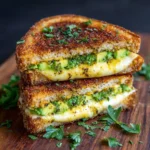
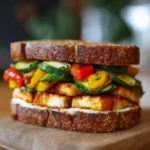
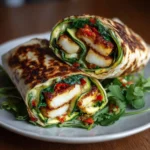
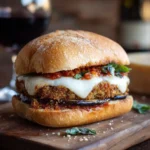
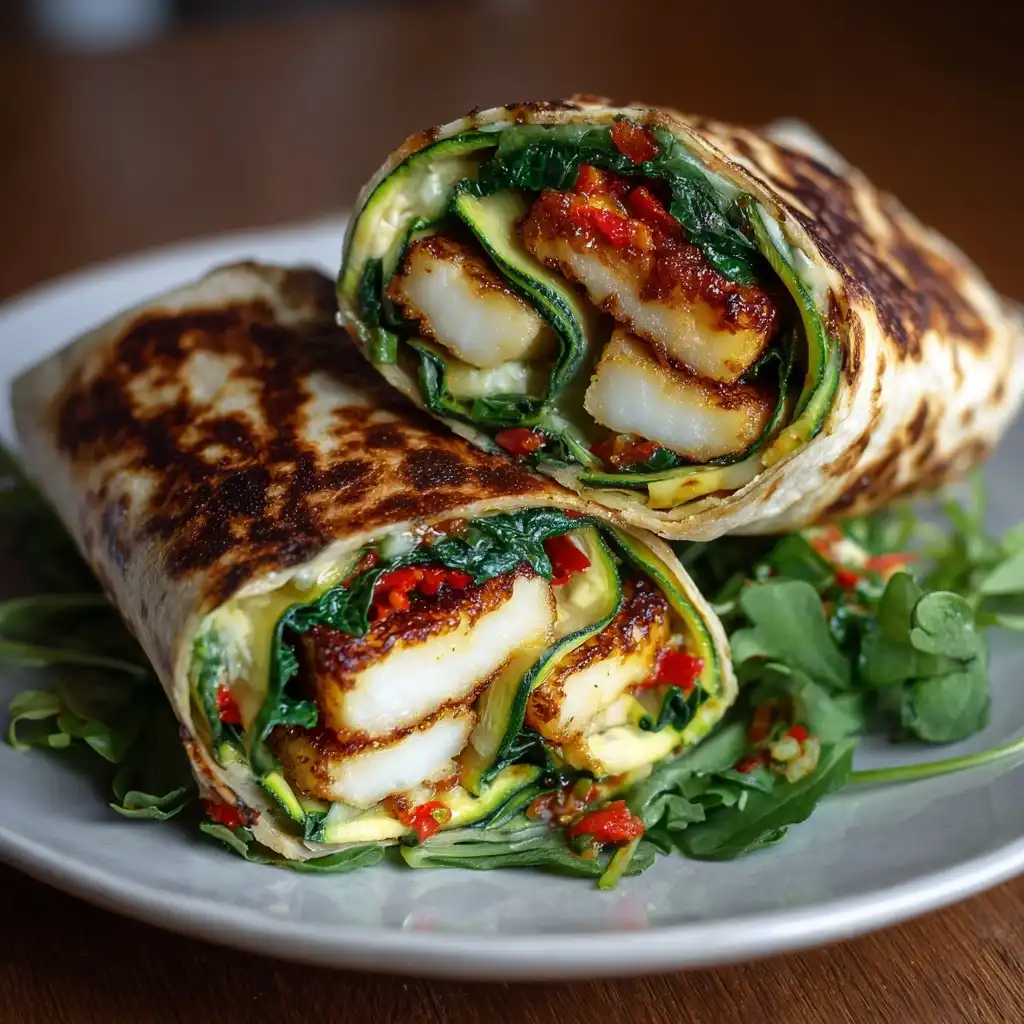
The Zucchini Halloumi Wrap is a vibrant, Mediterranean-inspired handheld meal that marries the earthy freshness of zucchini with the bold, salty tang of halloumi cheese—grilled to golden perfection. Designed for health-conscious food lovers, busy professionals, and plant-forward eaters alike, this wrap delivers maximum flavor with minimal fuss, offering a satisfying balance of texture, umami depth, and bright acidity. Whether served as a light lunch, post-workout refuel, or picnic-ready portable feast, it embodies modern wellness without compromising on indulgence—proving that nutritious eating can be deeply delicious, visually stunning, and effortlessly adaptable.
The History
While the Zucchini Halloumi Wrap as a named dish is a relatively recent culinary innovation—emerging prominently in food blogs and wellness publications around 2015–2017—it draws from centuries-old Mediterranean food traditions. Halloumi, a semi-hard, brined cheese traditionally made from a blend of goat’s and sheep’s milk (and sometimes cow’s milk), originates from Cyprus and has been produced since at least the Byzantine era (4th–15th century CE). Its unique high melting point—a result of being cooked in its own whey during production—makes it ideal for grilling and frying, a technique long celebrated across Levantine and Greek cuisines. Zucchini, meanwhile, was introduced to Europe via the Middle East and North Africa after the Arab agricultural revolution (8th–13th centuries) and became especially beloved in Southern European cooking by the 19th century. The fusion of these two ingredients into a wrap format reflects the global rise of “Mediterranean bowls” and flatbread-based meals popularized by chefs like Yotam Ottolenghi and wellness influencers championing whole-food, vegetable-forward eating. Its evolution accelerated with the proliferation of gluten-free, low-carb, and vegetarian lifestyle trends—making the Zucchini Halloumi Wrap not just a recipe, but a cultural artifact of contemporary food consciousness.
Ingredients Breakdown
Every element in this wrap plays a deliberate role—not only in flavor and texture, but in nutritional synergy and sensory harmony:
- Halloumi Cheese (200g): A Cypriot staple rich in protein (19g per 100g) and calcium (700mg per 100g), with a firm, squeaky texture when raw and a beautifully caramelized, slightly chewy exterior when grilled. Its natural salt content means minimal added sodium is needed—though rinsing briefly under cold water before cooking reduces brininess for sensitive palates.
- Zucchini (2 medium, ~300g): Thinly sliced lengthwise (2–3mm thick) and lightly salted to draw out excess moisture—this step prevents sogginess and concentrates sweetness. Packed with antioxidants like lutein and zeaxanthin, vitamin C, potassium, and fiber (especially in the skin), zucchini contributes hydration, structure, and subtle vegetal nuance.
- Whole-Grain or Low-Carb Wrap Base (2 large): Options include sprouted grain tortillas (high in B vitamins and resistant starch), almond-flour wraps (gluten-free, low-glycemic), or even large butter lettuce leaves for a keto/zero-carb version. Each offers distinct functional benefits: whole grains support sustained energy; almond flour adds healthy fats and satiety; lettuce delivers crunch and phytonutrient density.
- Roasted Red Pepper Purée (½ cup): Made from jarred or freshly roasted red peppers blended with lemon juice, garlic, tahini, and a pinch of smoked paprika. This creamy, smoky-sweet spread acts as both binder and flavor amplifier—rich in vitamin A (as beta-carotene), vitamin C, and capsaicin-derived metabolism support.
- Herb & Lemon Dressing: A vibrant emulsion of extra-virgin olive oil, fresh lemon zest + juice, finely chopped mint and dill, sumac (for tangy brightness), and a touch of Dijon mustard for stability and depth. Olive oil contributes monounsaturated fats and polyphenols; lemon enhances iron absorption from plant components; herbs deliver volatile oils with anti-inflammatory properties.
- Crunch & Freshness Elements: Shaved red onion (for sharpness and quercetin), baby arugula or watercress (peppery bite + nitrates for vascular health), and optional toasted pine nuts or crushed pistachios (for crunch, magnesium, and heart-healthy fats).
- Finishing Touches: A drizzle of pomegranate molasses (antioxidant-rich, tart-sweet complexity), crumbled dried mint (aromatic intensity), and flaky sea salt to elevate all flavors.
Step-by-Step Recipe
- Prep the Zucchini: Using a mandoline or sharp knife, slice zucchini lengthwise into 2–3mm ribbons. Place in a colander, sprinkle generously with sea salt, and let drain 15 minutes. Rinse thoroughly and pat *extremely* dry with clean kitchen towels or paper towels—this is critical for achieving grill marks and avoiding steam.
- Marinate Halloumi: Cut halloumi into ½-inch thick planks or rectangles. Lightly coat both sides with 1 tsp olive oil, cracked black pepper, and a pinch of dried oregano. Let sit 5–10 minutes at room temperature to temper.
- Grill the Components: Heat a cast-iron grill pan or outdoor grill to medium-high. Grill zucchini ribbons 1–2 minutes per side until tender-crisp with defined char lines. Remove and cool slightly. Then grill halloumi 2–2.5 minutes per side until golden-brown and slightly puffed. Avoid pressing—let it sear naturally. Transfer to a wire rack to prevent steaming.
- Prepare the Spread: While components cook, blend roasted red peppers, 1 tbsp lemon juice, 1 small garlic clove, 1 tsp tahini, ¼ tsp smoked paprika, and a pinch of salt until silky smooth. Adjust with water (1 tsp at a time) if too thick.
- Make the Herb-Lemon Dressing: Whisk together 3 tbsp extra-virgin olive oil, zest and juice of ½ lemon, 1 tbsp finely chopped fresh mint, 1 tbsp chopped dill, ¼ tsp sumac, ½ tsp Dijon mustard, and a pinch of white pepper.
- Warm & Soften Wraps: Briefly heat wraps in a dry skillet (15–20 sec per side) or wrap in a damp towel and microwave 10 seconds. This increases pliability and prevents tearing during assembly.
- Assemble with Precision: Lay wrap flat. Spread 2 tbsp red pepper purée evenly over surface, leaving a 1-inch border. Layer 3–4 zucchini ribbons horizontally across center. Top with 2–3 grilled halloumi pieces. Scatter ¼ cup arugula, 1 tbsp shaved red onion, and a small handful of herbs. Drizzle generously with herb-lemon dressing.
- Roll Tightly: Fold bottom edge up over filling, then fold left and right sides inward. Roll forward firmly but gently, applying even pressure to compact layers. Wrap snugly in parchment paper, then foil or reusable beeswax wrap for carry—or serve immediately.
Tips
- Dry Zucchini Relentlessly: Even a trace of surface moisture will cause steaming instead of searing—use triple-layered paper towels and press firmly.
- Don’t Skip the Halloumi Rest: Allowing halloumi to warm slightly before grilling ensures even cooking and prevents sticking.
- Grill Halloumi Last: Its high salt content can accelerate pan oxidation—cook zucchini first, wipe pan, then halloumi.
- Use a Hot, Clean Pan: Preheat grill pan until shimmering, then lightly oil *just before adding food*. A properly heated surface creates instant crust and release.
- Roll Against the Grain: When placing fillings, align zucchini ribbons perpendicular to the wrap’s longest edge—this creates structural integrity and prevents slippage.
- Chill Before Slicing (Optional): For clean presentation, refrigerate assembled wraps, wrapped tightly, for 20–30 minutes before slicing diagonally—ideal for meal prep or entertaining.
- Acid Is Your Ally: Always finish with lemon or pomegranate molasses—the acidity cuts richness, balances salt, and brightens every bite.
- Texture Contrast Is Non-Negotiable: Never skip the crunchy element (onion, nuts, seeds) or fresh green (arugula, mint)—they provide essential mouthfeel and palate reset.
- Batch Prep Smart: Grill zucchini and halloumi up to 2 days ahead; store separately in airtight containers. Revive zucchini with a quick re-sear; halloumi reheats beautifully in a toaster oven.
- Wrap Storage Hack: Place assembled wraps seam-side down in a glass container lined with parchment. They’ll hold 24 hours refrigerated—flavors meld beautifully overnight.
Variations and Customizations
This recipe thrives on personalization—here’s how to tailor it across dietary frameworks, seasons, and preferences:
Dietary Adaptations
- Vegan Version: Substitute halloumi with marinated, baked tofu “steaks” (pressed extra-firm tofu cubes marinated in lemon, olive oil, nutritional yeast, turmeric, and kala namak for eggy sulfur notes) or grilled king oyster mushrooms (sliced thick, brushed with miso-tahini glaze).
- Gluten-Free: Use certified GF wraps (brown rice, cassava, or coconut flour-based), or go full deconstructed with zucchini “boats” (hollowed and roasted) topped with halloumi and fixings.
- Keto/Low-Carb: Replace wraps with large collard green leaves (blanched 10 seconds in boiling water to soften), nori sheets, or thin lavash crisps. Boost fat with avocado slices or extra olive oil drizzle.
- Higher-Protein Boost: Add shredded rotisserie chicken, spiced lentils, or a spoonful of Greek yogurt mixed with lemon and dill.
Seasonal Twists
- Spring: Swap zucchini for blanched asparagus ribbons and add edible pea shoots, fresh fava beans, and lemon-thyme vinaigrette.
- Summer: Incorporate heirloom tomato ribbons, basil ribbons, and balsamic reduction. Grill halloumi alongside peach or nectarine slices for sweet-savory contrast.
- Fall: Use roasted delicata squash rings instead of zucchini, add caramelized shallots, toasted walnuts, and apple cider–maple drizzle.
- Winter: Feature roasted beet ribbons, orange segments, crumbled goat cheese (for creaminess contrast), and orange-rosemary dressing.
Global Inspirations
- Middle Eastern: Add pickled turnips, za’atar-spiced halloumi, and toum (garlic sauce) instead of red pepper purée.
- Lebanese-Inspired: Include tabbouleh-style parsley-couscous (use pearl barley or quinoa for GF), sumac onions, and mint-infused labneh.
- Spanish-Inspired: Use romesco sauce, blistered shishito peppers, Manchego instead of halloumi, and smoked sea salt.
- Asian-Fusion: Marinate halloumi in tamari-ginger-miso, use sesame-ginger zucchini ribbons, and top with quick-pickled daikon, scallions, and chili crisp.
Flavor Intensity Levels
- Mild & Soothing: Omit red onion, use mild paprika, add ripe avocado, and swap sumac for lemon thyme.
- Medium-Bold: Standard recipe with balanced herbs, lemon, and moderate spice.
- High-Intensity: Add harissa to red pepper purée, use pickled jalapeños, double the sumac, and finish with Aleppo pepper flakes.
Health Considerations and Nutritional Value
A single Zucchini Halloumi Wrap (using 1 whole-grain 10-inch tortilla, 200g halloumi, 300g zucchini, ½ cup red pepper purée, 2 tbsp herb dressing, and garnishes) delivers approximately:
- Calories: 520–580 kcal (varies by wrap choice and oil quantity)
- Protein: 32–36g (halloumi provides ~32g protein alone; zucchini and herbs add complementary amino acids)
- Fat: 28–32g (primarily monounsaturated from olive oil and halloumi; includes conjugated linoleic acid [CLA] from dairy)
- Carbohydrates: 34–42g (of which 8–10g are fiber—excellent for gut motility and microbiome diversity)
- Sodium: 720–950mg (moderate; reduced by rinsing halloumi and using low-sodium wraps)
- Vitamins & Minerals: Exceptionally high in calcium (65% DV), vitamin C (120% DV), vitamin A (beta-carotene, 180% DV), potassium (45% DV), and magnesium (30% DV). Also rich in lycopene (from roasted peppers), lutein (zucchini skin), and polyphenols (olive oil, herbs, lemon).
Functional Health Highlights:
- Blood Sugar Balance: Low glycemic load due to high fiber, healthy fats, and protein—slows glucose absorption and supports insulin sensitivity.
- Gut Health Support: Prebiotic fiber from zucchini and whole grains feeds beneficial bifidobacteria; fermented elements (if using unpasteurized halloumi or adding kimchi slaw) add probiotics.
- Anti-Inflammatory Profile: Olive oil’s oleocanthal, lemon’s hesperidin, herbs’ rosmarinic acid, and zucchini’s cucurbitacins collectively inhibit NF-kB and COX-2 pathways.
- Cardiovascular Protection: Potassium-to-sodium ratio supports healthy blood pressure; monounsaturated fats improve HDL/LDL balance; nitrates from arugula enhance endothelial function.
- Weight Management Friendly: High satiety index (protein + fiber + volume) reduces between-meal cravings; thermogenic effect of spices like sumac and black pepper increases calorie burn.
- Considerations: Halloumi is higher in saturated fat (~15g per 100g) and sodium—those with hypertension or familial hypercholesterolemia may opt for reduced-sodium halloumi or smaller portions paired with extra greens. Vegan versions lower saturated fat but require B12 supplementation awareness.
Ingredients
- 2 medium zucchini (about 300g), ends trimmed
- 1 tsp fine sea salt (for drawing moisture)
- 200g halloumi cheese, cut into ½-inch thick planks
- 1 tbsp extra-virgin olive oil (plus more for brushing)
- Freshly ground black pepper
- ¼ tsp dried oregano (optional)
- 2 large whole-grain or low-carb wraps (10-inch diameter)
- ½ cup roasted red pepper purée (see Step-by-Step for preparation)
- 1 cup baby arugula or watercress
- ¼ red onion, very thinly sliced
- 2 tbsp fresh mint leaves, roughly chopped
- 2 tbsp fresh dill, roughly chopped
- 2 tbsp extra-virgin olive oil (for dressing)
- Zest and juice of ½ large lemon
- ¼ tsp sumac
- ½ tsp Dijon mustard
- Pinch of white pepper
- Flaky sea salt, to finish
- Pomegranate molasses, for drizzling (optional)
- Toasted pine nuts or crushed pistachios (optional)
Directions
- Prepare zucchini: Using a mandoline or sharp knife, slice zucchini lengthwise into very thin ribbons (~2–3mm thick). Place in a colander, sprinkle evenly with 1 tsp sea salt, and toss gently. Let drain 15 minutes. Rinse thoroughly under cold water, then lay ribbons flat on clean kitchen towels. Cover with another towel and press firmly to extract all excess water. Set aside.
- Prepare halloumi: Pat halloumi dry with paper towels. Brush both sides lightly with 1 tsp olive oil. Season with several grinds of black pepper and optional oregano. Let sit at room temperature 5–10 minutes.
- Heat a heavy-bottomed grill pan or cast-iron skillet over medium-high heat until very hot (a drop of water should skitter and evaporate instantly). Lightly brush pan with oil.
- Grill zucchini: Arrange zucchini ribbons in a single layer (work in batches if needed). Cook 1–1.5 minutes per side until tender-crisp with distinct grill marks. Transfer to a plate or wire rack; set aside to cool slightly.
- Grill halloumi: Wipe pan clean with a paper towel. Return to medium-high heat. Add halloumi and cook undisturbed 2–2.5 minutes until deeply golden and slightly puffed. Flip carefully and cook second side 2–2.5 minutes. Transfer to wire rack to cool 2 minutes—this firms texture and prevents melting when wrapped.
- Warm wraps: Heat each wrap in a dry skillet for 15 seconds per side, or wrap in a damp towel and microwave on high for 10 seconds. Keep covered with a clean towel until ready to assemble.
- Make herb-lemon dressing: In a small bowl, whisk together 2 tbsp olive oil, lemon zest, lemon juice, sumac, Dijon, white pepper, and a pinch of flaky salt until emulsified. Stir in chopped mint and dill.
- Assemble: Lay one warm wrap flat. Spread 2 tbsp red pepper purée evenly, leaving 1-inch border. Arrange 3–4 zucchini ribbons horizontally across center. Top with 2–3 halloumi pieces. Scatter arugula, red onion, and herbs. Drizzle with 1 tbsp herb-lemon dressing.
- Roll tightly: Fold bottom edge up over filling. Fold left and right sides inward. Roll forward firmly, tucking as you go, to seal. Repeat with second wrap.
- Rest and serve: Let wraps rest seam-side down for 5 minutes before serving. Slice diagonally for presentation, or serve whole. Drizzle with pomegranate molasses and sprinkle with nuts or extra herbs if desired.
FAQ
- Can I make this wrap ahead of time?
- Yes—with smart layering. Assemble up to 4 hours ahead and refrigerate, wrapped tightly in parchment + foil. For best texture, add fresh herbs, arugula, and dressing within 30 minutes of serving. Grilled zucchini and halloumi keep well refrigerated for 2 days—reheat halloumi in a 350°F oven for 4–5 minutes before assembling.
- Why does my halloumi stick to the pan?
- Halloumi sticks when the pan isn’t hot enough, is wet, or is overcrowded. Ensure your pan is preheated until shimmering, wiped completely dry, and lightly oiled *just before adding cheese*. Avoid moving it for the first 2 minutes to allow a proper crust to form.
- Can I bake the zucchini instead of grilling?
- Absolutely. Toss dried ribbons with 1 tsp olive oil, salt, and pepper. Arrange in a single layer on a parchment-lined baking sheet. Roast at 425°F for 10–12 minutes, flipping halfway, until tender and lightly blistered. Broil 1 minute at the end for char.
- Is halloumi safe to eat raw?
- Yes—halloumi is a pasteurized, cooked cheese and safe to consume uncooked. However, grilling or pan-frying transforms its texture and mellows its saltiness, unlocking its signature appeal.
- What’s the best way to slice halloumi without crumbling?
- Chill halloumi for 20–30 minutes before slicing—it firms up dramatically. Use a sharp, non-serrated knife and apply gentle, even pressure. Wipe blade clean between cuts.
- My wrap tore while rolling—what went wrong?
- Common causes: wrap was too cold or stale (always warm first); too much wet filling (pat zucchini *extremely* dry); overfilling (stick to suggested quantities); or rolling too loosely. Practice with a spare wrap—tension is key.
- Can I freeze this wrap?
- Not recommended—halloumi becomes rubbery upon thawing, and greens wilt irreversibly. However, grilled zucchini and halloumi freeze beautifully separately for up to 2 months. Thaw overnight in fridge and reheat before assembling.
- What can I use instead of roasted red pepper purée?
- Excellent alternatives include sun-dried tomato paste thinned with lemon, whipped feta with garlic and dill, tzatziki (for cooling contrast), harissa-yogurt blend, or even mashed avocado with lime and cilantro.
- Is this recipe suitable for pregnancy?
- Yes—halloumi is typically made from pasteurized milk and is safe during pregnancy. Ensure all produce is thoroughly washed, and avoid unpasteurized dairy or raw sprouts unless verified safe.
- How do I make it spicier?
- Add ¼ tsp cayenne or Aleppo pepper to the halloumi marinade; stir harissa or chipotle into the red pepper purée; top with pickled jalapeños; or finish with chili oil or crushed red pepper flakes.
Summary
The Zucchini Halloumi Wrap is a masterclass in Mediterranean simplicity—elevating humble zucchini and iconic halloumi into a nutrient-dense, texturally thrilling, and endlessly customizable handheld meal that satisfies hunger, honors tradition, and adapts seamlessly to modern dietary needs.
With its golden-seared cheese, tender-crisp zucchini ribbons, vibrant herb dressing, and smart layering technique, it delivers restaurant-quality flavor and visual appeal in under 30 minutes—proving that wholesome eating need never sacrifice joy, depth, or indulgence.