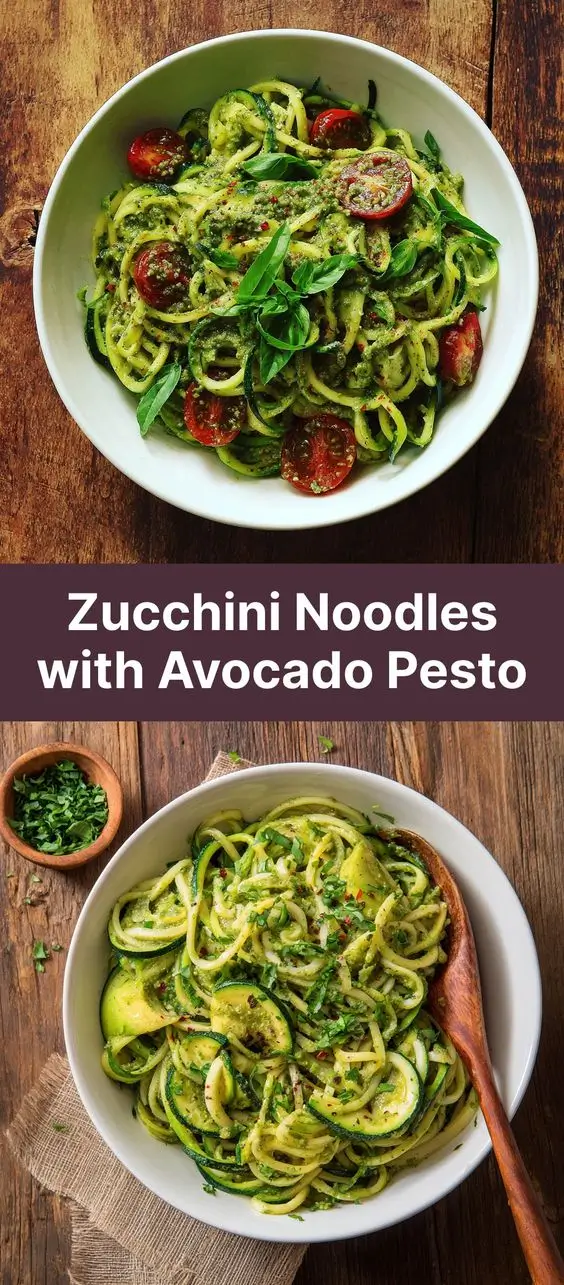
Zucchini Noodles with Avocado Pesto: A Fresh, Creamy, and Nutrient-Packed Delight
Introduction
Looking for a light, healthy, and delicious meal that’s bursting with flavor and good-for-you ingredients? Zucchini noodles with avocado pesto are the perfect solution. This modern twist on a classic Italian favorite combines the freshness of raw zucchini spirals with a creamy, vibrant avocado-based pesto sauce. Whether you’re following a low-carb, gluten-free, vegan, or simply plant-forward diet, this dish is incredibly satisfying and easy to prepare in under 30 minutes. It’s ideal for weeknight dinners, meal prepping, summer lunches, or even impressing guests at a dinner party. Let’s dive deep into everything you need to know about crafting the ultimate bowl of zucchini noodles with avocado pesto.
The History
The concept of using vegetables as a pasta substitute dates back centuries in various cultures, but the rise of “zoodles” (zucchini noodles) as we know them today began gaining momentum in the early 2010s. With growing interest in low-carbohydrate diets like paleo and keto, health-conscious eaters started turning to spiralized vegetables as an alternative to traditional wheat-based pasta. Zucchini, being mild in flavor, high in water content, and easy to spiralize, quickly became the star of the vegetable noodle movement.
Pesto, on the other hand, has roots in Genoese cuisine from Liguria, Italy. Traditional pesto is made from fresh basil, pine nuts, garlic, Parmesan cheese, and olive oil—typically pounded in a mortar and pestle. Over time, chefs and home cooks began experimenting with variations, substituting ingredients based on dietary needs or seasonal availability. Enter avocado pesto: a rich, creamy version that replaces cheese and oil with heart-healthy fats from ripe avocados. The combination of zucchini noodles and avocado pesto is a beautiful fusion of ancient tradition and modern wellness culture, creating a dish that honors the past while embracing contemporary nutritional science.
Ingredients Breakdown
To make the most flavorful and nutritious zucchini noodles with avocado pesto, it’s important to understand each ingredient and its role in the dish. Here’s a detailed look at what goes into this recipe and why:
- Zucchini – The base of the dish. Choose firm, medium-sized zucchinis for the best texture. Larger ones can be watery and seedy. Zucchini is low in calories, high in water, and contains vitamin C, potassium, and antioxidants like lutein and zeaxanthin.
- Ripe Avocado – Provides creaminess and healthy monounsaturated fats. It also acts as a natural thickener for the pesto without needing dairy. Look for avocados that yield slightly to gentle pressure.
- Fresh Basil – The herbal backbone of any pesto. Basil adds a sweet, peppery note and is rich in anti-inflammatory compounds and essential oils like eugenol.
- Garlic – Adds pungency and depth. Raw garlic offers a sharp kick, while roasted garlic brings out sweetness and mellow flavor. Use according to your taste preference.
- Lemon Juice – Brightens the entire dish, prevents the avocado from browning, and enhances the absorption of fat-soluble nutrients.
- Olive Oil – Extra virgin olive oil boosts richness and carries flavors beautifully. It’s also packed with heart-healthy polyphenols and oleic acid.
- Nuts (Pine Nuts, Walnuts, or Almonds) – Add crunch, nuttiness, and protein. Pine nuts are traditional, but walnuts offer omega-3s, and almonds add extra fiber.
- Salt and Pepper – Essential seasonings that balance and elevate all other flavors.
- Nutritional Yeast (Optional) – A vegan-friendly substitute for Parmesan cheese, adding umami and a cheesy flavor along with B vitamins.
- Cherry Tomatoes, Cherry Bomb Peppers, or Radishes (Optional Add-ins) – For color, texture, and added micronutrients.
- Hemp Seeds, Pumpkin Seeds, or Toasted Almond Slices (Garnish) – For extra crunch, protein, and healthy fats.
Step-by-Step Recipe
Follow these detailed steps to create a restaurant-quality bowl of zucchini noodles with avocado pesto right in your kitchen.
- Prepare the Zucchini Noodles: Wash 2–3 medium zucchinis. Trim off both ends. Using a spiralizer, cut the zucchinis into noodles (choose your preferred blade: spaghetti, fettuccine, or ribbon style). If you don’t have a spiralizer, use a julienne peeler or mandoline. Place the noodles in a colander, sprinkle lightly with salt, and let sit for 10 minutes to draw out excess moisture. Afterward, gently press with paper towels to remove water—this prevents a soggy dish.
- Make the Avocado Pesto: In a food processor or high-speed blender, combine:
- 1 large ripe avocado (pitted and scooped)
- 2 cups packed fresh basil leaves
- 2 cloves garlic (peeled)
- 3 tablespoons toasted pine nuts (or walnuts/almonds)
- 3 tablespoons extra virgin olive oil
- 2 tablespoons fresh lemon juice (about 1 lemon)
- 2 tablespoons nutritional yeast (optional)
- Salt to taste (start with ½ teaspoon)
- Freshly ground black pepper to taste
- 2–4 tablespoons water (as needed for consistency)
Pulse until smooth and creamy. Scrape down the sides as needed. Add water gradually to reach a silky, pourable texture.
- Taste and Adjust: Dip a spoon into the pesto and taste. Adjust seasoning—add more lemon for brightness, salt for savoriness, or garlic for punch. You can also blend in a pinch of red pepper flakes for heat.
- Combine Noodles and Pesto: Transfer the dried zucchini noodles to a large mixing bowl. Pour the avocado pesto over them. Using tongs or two spoons, gently toss until every strand is evenly coated. Be careful not to overmix, which can break the noodles.
- Add Fresh Toppings: Slice cherry tomatoes in half, halve some Kalamata olives, chop fresh parsley, or add thinly sliced radishes. Sprinkle over the top for color and crunch.
- Garnish Generously: Finish with a drizzle of olive oil, a squeeze of lemon, a sprinkle of hemp seeds, and freshly cracked black pepper. Add microgreens or edible flowers for elegance.
- Serve Immediately: This dish is best enjoyed fresh. Serve chilled or at room temperature. If desired, warm gently (without cooking) by letting it sit for a few minutes if refrigerated.
Tips
- Prevent Browning: Avocado oxidizes quickly. To keep your pesto bright green, always include lemon or lime juice. For longer storage, press plastic wrap directly onto the surface of leftover pesto before sealing the container.
- Don’t Skip Salting the Zoodles: Removing excess moisture is crucial. Skipping this step may result in a watery, diluted final dish.
- Spiralizer Hack: If your spiralizer blades are dull, the noodles may shred. Replace blades regularly or use a sharp vegetable peeler for consistent results.
- Toast Your Nuts: Lightly toasting nuts before blending enhances their aroma and flavor. Do this in a dry skillet over medium heat for 3–5 minutes until fragrant.
- Batch-Friendly: Make a large batch of avocado pesto and freeze in ice cube trays. Once frozen, transfer cubes to a zip-top bag. Thaw as needed for quick meals.
- Temperature Matters: Never heat the pesto above 115°F (46°C) if you want to preserve its raw, fresh quality and nutrient profile. If serving warm, gently warm the zucchini noodles separately (blanch for 30 seconds), then cool slightly before tossing with pesto.
- Use a Wide Bowl: Serving in a wide, shallow bowl makes it easier to twirl and enjoy, just like real pasta.
Variations and Customizations
This recipe is highly adaptable. Here are some creative ways to switch things up:
- Protein Boost: Top with grilled chicken, shrimp, baked tofu, tempeh, chickpeas, or white beans for a heartier meal.
- Dairy Version: Stir in grated Parmesan or Pecorino Romano for a richer, traditional pesto flavor.
- Spinach or Arugula Pesto: Replace half the basil with baby spinach or peppery arugula for a different flavor profile and added iron.
- Cilantro-Lime Twist: Swap basil for cilantro and use lime instead of lemon for a Mexican-inspired version. Add cumin and jalapeño for extra flair.
- Different Veggie Noodles: Try yellow squash, carrots, sweet potatoes (raw or lightly sautéed), or cucumbers for variety.
- Spicy Kick: Blend in a small piece of seeded jalapeño, a dash of hot sauce, or a pinch of cayenne pepper.
- Mediterranean Style: Add sun-dried tomatoes, artichoke hearts, capers, and olives for a bold, tangy flavor.
- Asian Fusion: Use miso paste, ginger, and sesame oil in place of some ingredients for an umami-packed pesto alternative.
- Keto-Friendly: Increase healthy fats by adding more avocado, olive oil, or MCT oil. Serve with crumbled feta or bacon bits.
- Meal Prep Option: Store components separately. Keep pesto in an airtight container with plastic wrap pressed on top. Store zucchini noodles in a separate container lined with paper towels to absorb moisture.
Health Considerations and Nutritional Value
Zucchini noodles with avocado pesto aren’t just tasty—they’re a powerhouse of nutrition. Here’s a breakdown of the key health benefits:
- Low in Calories, High in Volume: One serving (2 medium zucchinis + ¼ cup pesto) contains approximately 250–300 calories, making it ideal for weight management.
- Rich in Healthy Fats: Avocado and olive oil provide monounsaturated fats that support heart health, reduce inflammation, and improve cholesterol levels.
- Fiber-Rich: Zucchini contributes dietary fiber, aiding digestion and promoting gut health. Avocado adds soluble fiber, which helps regulate blood sugar.
- Packed with Antioxidants: Basil contains flavonoids and volatile oils with antimicrobial and anti-inflammatory properties. Lycopene from tomatoes (if added) supports skin and prostate health.
- Vitamins and Minerals: This dish delivers vitamin C (immune support), vitamin K (bone and blood health), potassium (blood pressure regulation), folate (cellular function), and vitamin E (skin protection).
- Gluten-Free and Grain-Free: Naturally free from gluten, making it suitable for those with celiac disease or gluten sensitivity.
- Vegan and Dairy-Free Option: Easily made plant-based with nutritional yeast instead of cheese.
- Blood Sugar Friendly: Low glycemic load due to minimal carbohydrates and no refined sugars. Great for diabetics or those managing insulin levels.
- Hydration Support: Zucchini is over 90% water, contributing to daily fluid intake and helping maintain hydration.
- Eye Health: Contains lutein and zeaxanthin from zucchini and avocado, which protect against macular degeneration.
Note: While highly nutritious, avocado pesto is calorie-dense due to healthy fats. Portion control is recommended for those monitoring caloric intake. Also, individuals on blood thinners should consult their doctor about high vitamin K intake from leafy greens.
Ingredients
- 2–3 medium zucchinis, spiralized
- 1 large ripe avocado
- 2 cups fresh basil leaves, packed
- 2 cloves garlic, peeled
- 3 tbsp pine nuts (toasted) – or walnuts/almonds
- 3 tbsp extra virgin olive oil
- 2 tbsp fresh lemon juice (about 1 lemon)
- 2 tbsp nutritional yeast (optional)
- ½ tsp sea salt (adjust to taste)
- Freshly ground black pepper, to taste
- 2–4 tbsp water (for desired consistency)
- Optional add-ins: cherry tomatoes, olives, radishes, hemp seeds, microgreens
Directions
- Prepare zucchini noodles using a spiralizer. Place in a colander, sprinkle with a pinch of salt, and let drain for 10 minutes. Pat dry with paper towels.
- In a food processor, combine avocado, basil, garlic, pine nuts, olive oil, lemon juice, nutritional yeast, salt, and pepper.
- Blend until smooth, scraping down sides as needed. Add water one tablespoon at a time until the pesto reaches a creamy, drizzle-ready consistency.
- Taste and adjust seasoning—add more lemon, salt, or garlic as desired.
- In a large bowl, toss the zucchini noodles with the avocado pesto until fully coated.
- Transfer to serving bowls and top with cherry tomatoes, olives, hemp seeds, and a crack of black pepper.
- Serve immediately, either chilled or at room temperature.
FAQ
Can I cook zucchini noodles?
Yes, but they only need 1–2 minutes in boiling water or a quick sauté. Overcooking turns them mushy. For this recipe, raw or barely warmed noodles work best to preserve texture and nutrients.
How long does avocado pesto last?
Stored in an airtight container with plastic wrap pressed directly on the surface, it will stay fresh in the fridge for up to 2 days. Freeze for up to 3 months.
Can I make this nut-free?
Absolutely. Omit the nuts and replace with sunflower seeds or pumpkin seeds. For a seed-free version, use cooked cannellini beans or omit entirely—just increase avocado slightly for creaminess.
Is this dish kid-friendly?
Many kids love the creamy texture and mild flavor. Try blending the pesto very smooth and serving with fun-shaped veggie noodles. You can even call it “green spaghetti” for extra appeal!
Can I use store-bought zucchini noodles?
Yes, pre-spiralized zucchini is available in many grocery stores. Just remember to drain excess liquid before use.
What can I use instead of basil?
Try flat-leaf parsley, cilantro, spinach, arugula, or a mix. Each will give a unique flavor profile.
Can I make this ahead of time?
It’s best served fresh, but you can prep components separately up to 24 hours in advance. Combine just before serving.
Summary
Zucchini noodles with avocado pesto offer a fresh, creamy, and nutrient-dense alternative to traditional pasta dishes, combining the crispness of raw vegetables with the richness of healthy fats. Quick to make, endlessly customizable, and suitable for a wide range of diets, this dish is a must-have in any health-conscious kitchen.