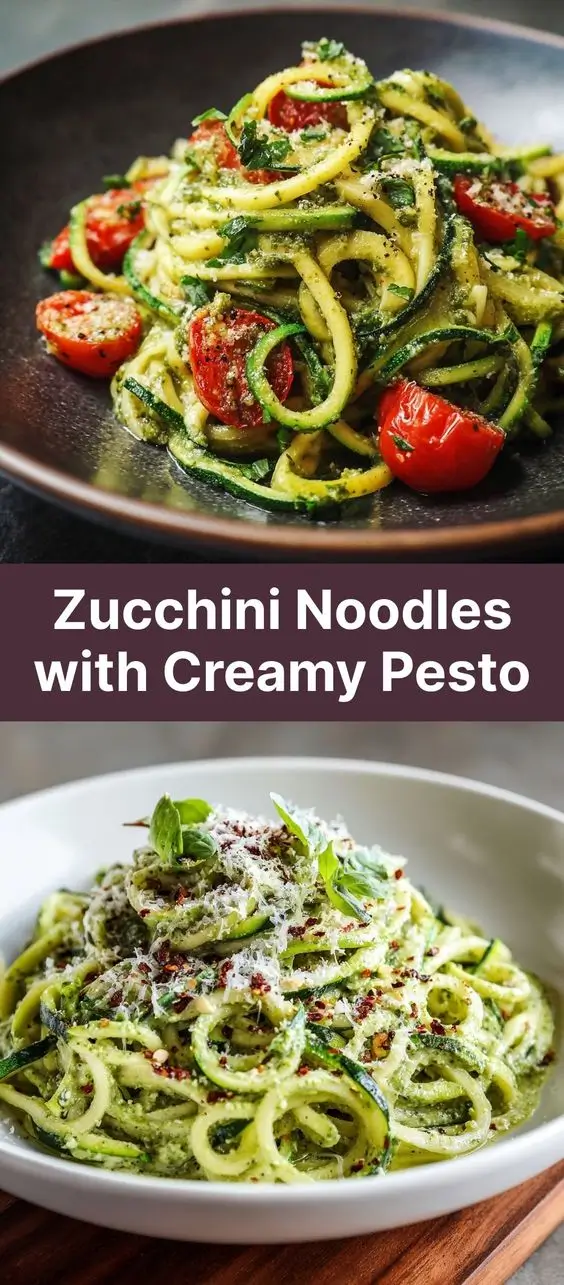
Zucchini Noodles with Creamy Pesto: A Fresh, Light, and Flavor-Packed Dish
Looking for a delicious, low-carb alternative to traditional pasta that doesn’t compromise on flavor? Zucchini noodles with creamy pesto are here to save the day. This vibrant dish combines tender spiralized zucchini with a rich, aromatic pesto sauce that’s both creamy and refreshing. Whether you’re following a keto, paleo, vegan, or gluten-free diet, this recipe fits seamlessly into your lifestyle while delivering restaurant-quality taste right from your kitchen.
The History of Zucchini Noodles and Pesto
The concept of using vegetables as noodle substitutes dates back centuries in various cultures, but the modern popularity of “zoodles” (as they’re affectionately called) surged during the early 2010s alongside the rise of health-conscious eating, clean diets, and low-carb lifestyles like keto and Whole30. Zucchini, being mild in flavor, high in water content, and easy to spiralize, quickly became the go-to vegetable for creating noodle-like strands.
Pesto, on the other hand, has much deeper roots—originating in Genoa, Italy, where it was traditionally made from fresh basil, garlic, pine nuts, Parmesan cheese, and extra virgin olive oil. The word “pesto” comes from the Italian verb pestare, meaning “to crush,” which refers to how the ingredients were originally ground in a mortar and pestle. Over time, variations emerged across regions and continents, leading to innovations such as creamy versions using yogurt, avocado, or nutritional yeast for added richness and dietary inclusivity.
Combining zucchini noodles with pesto is a relatively recent culinary marriage, born out of the desire to enjoy classic Italian flavors without the heaviness of refined flour pasta. Today, this dish symbolizes the fusion of tradition and innovation—honoring Italian heritage while embracing modern wellness trends.
Ingredients Breakdown: What Makes This Dish Shine?
The beauty of zucchini noodles with creamy pesto lies not only in its simplicity but also in the quality and synergy of its ingredients. Let’s break down each component and explore why they matter:
- Zucchini: Also known as courgette in some countries, zucchini is a summer squash rich in vitamin C, potassium, and antioxidants like lutein and zeaxanthin. Its mild flavor acts as a perfect canvas for bold sauces, and its texture softens slightly when warmed—just enough to mimic al dente pasta without turning mushy if handled correctly.
- Fresh Basil: The heart and soul of any authentic pesto, fresh basil provides a bright, slightly peppery aroma and taste. It’s packed with anti-inflammatory compounds and essential oils like eugenol, which may support cardiovascular health.
- Garlic: Beyond adding depth and pungency, garlic contains allicin, a compound studied for its immune-boosting and antimicrobial properties.
- Pine Nuts: Traditionally used in Genovese pesto, pine nuts offer a buttery crunch and help emulsify the sauce. They’re rich in healthy fats, magnesium, and iron. For cost-saving or allergy reasons, substitutions like walnuts or almonds work beautifully too.
- Extra Virgin Olive Oil: High-quality EVOO contributes polyphenols and monounsaturated fats linked to reduced inflammation and improved heart health. It also carries the flavors of the other ingredients, ensuring every bite is flavorful.
- Parmesan Cheese (or Nutritional Yeast): Adds umami and saltiness. Real Parmigiano-Reggiano brings a granular texture and deep savory notes. For a vegan version, nutritional yeast mimics that cheesy flavor while offering B-vitamins and protein.
- Lemon Juice: A splash enhances freshness, balances the fat content, and prevents oxidation of the basil, helping the pesto maintain its vibrant green color.
- Avocado or Greek Yogurt (for creaminess): To make the pesto truly creamy without relying solely on oil, many modern recipes incorporate ripe avocado or plain Greek yogurt. Avocado adds fiber and heart-healthy monounsaturated fats, while Greek yogurt boosts protein and probiotics.
Step-by-Step Recipe: How to Make Perfect Zucchini Noodles with Creamy Pesto
Follow these detailed steps to create a restaurant-worthy dish at home. With proper technique, you’ll avoid soggy noodles and achieve a luxuriously smooth pesto every time.
Ingredients
- 4 medium zucchinis (about 1.5 lbs / 700g), ends trimmed
- 2 cups fresh basil leaves, tightly packed
- ⅓ cup pine nuts (or raw walnuts/almonds)
- 3 cloves garlic, peeled
- ½ cup freshly grated Parmesan cheese (or ¼ cup nutritional yeast for vegan option)
- ½ ripe avocado (optional, for creaminess)
- ¼ cup plain Greek yogurt (or dairy-free alternative like coconut yogurt)
- ½ cup extra virgin olive oil (plus more if needed)
- 2 tablespoons fresh lemon juice (about 1 lemon)
- Salt, to taste (start with ½ tsp)
- Freshly ground black pepper, to taste
- Optional add-ins: cherry tomatoes, sautéed mushrooms, grilled chicken, shrimp, or toasted pine nuts for garnish
Directions
- Prepare the Zucchini Noodles: Using a spiralizer, mandoline with spiral attachment, or julienne peeler, cut the zucchinis into long, spaghetti-like strands. Place them in a colander, sprinkle lightly with salt (about ¼ tsp), and let sit for 10–15 minutes. This draws out excess moisture and helps prevent watery noodles later. After resting, gently press or pat dry with a clean kitchen towel or paper towels.
- Make the Creamy Pesto Sauce: In a food processor or high-speed blender, combine basil, pine nuts, garlic, Parmesan (or nutritional yeast), avocado (if using), and Greek yogurt. Pulse several times until coarsely chopped. With the machine running, slowly drizzle in the olive oil until the mixture becomes smooth and emulsified. Add lemon juice, salt, and pepper. Blend again until fully incorporated. Taste and adjust seasoning—add more lemon for brightness, salt for savoriness, or oil for silkiness.
- Heat the Zoodles (Optional): While zucchini noodles can be served raw for a crisp texture, many prefer them lightly warmed. Heat a large skillet over medium heat and add 1 teaspoon of olive oil. Add the prepared zucchini noodles and sauté for 2–3 minutes, just until they soften slightly but still retain a slight bite. Avoid overcooking, or they’ll release water and become limp. Alternatively, you can toss them directly with warm pesto—the residual heat will gently cook them.
- Toss with Pesto: Transfer the zucchini noodles to a large mixing bowl. Pour the creamy pesto over them and use tongs or two spoons to toss thoroughly, coating every strand evenly. If the sauce is too thick, thin it with a tablespoon of warm water, reserved pasta water (if blanching), or additional olive oil.
- Serve Immediately: Divide among plates or bowls. Garnish with extra Parmesan, cracked black pepper, red pepper flakes, chopped fresh herbs, or toasted pine nuts. For added protein, top with grilled chicken, shrimp, tofu, or white beans.
Tips for Success
- Choose firm, medium-sized zucchinis: Large zucchinis tend to have more seeds and higher water content, increasing the risk of sogginess. Smaller to medium ones yield better texture.
- Don’t skip the salting step: Salting and draining the zucchini noodles makes a noticeable difference in final texture by reducing excess liquid.
- Use fresh, cold basil: Wilted or old basil turns dark and bitter. Rinse and dry leaves before use for optimal flavor and color.
- Blanch the basil briefly (optional): For an even greener pesto that stays vibrant longer, blanch the basil leaves in boiling water for 10 seconds, then shock in ice water. This deactivates enzymes that cause browning.
- Adjust consistency wisely: If making ahead, keep pesto slightly thicker—it will loosen when mixed with warm zoodles. Store extra pesto in an airtight container with a thin layer of olive oil on top to preserve color.
- Serve immediately: Zucchini noodles continue to release moisture over time, so this dish is best enjoyed fresh. If preparing for meal prep, store components separately and combine just before eating.
- Add texture contrast: Toasted nuts, crispy chickpeas, or breadcrumbs (gluten-free if needed) elevate both flavor and mouthfeel.
Variations and Customizations
This recipe is highly adaptable—perfect for accommodating dietary preferences, seasonal ingredients, or pantry limitations.
- Vegan Creamy Pesto: Omit Parmesan and use nutritional yeast instead. Choose plant-based yogurt or increase avocado for creaminess.
- Nut-Free Version: Replace pine nuts with sunflower seeds or pepitas (pumpkin seeds). These provide similar richness without allergens.
- Dairy-Free Option: Skip cheese and yogurt; rely on avocado and olive oil for body. Add a spoonful of tahini for nutty depth.
- Herb Variations: Mix in arugula, spinach, parsley, or cilantro for different flavor profiles. Arugula adds peppery punch; spinach makes it milder and kid-friendly.
- Protein Boosters: Stir in shredded rotisserie chicken, grilled salmon, tempeh, lentils, or edamame to turn this side dish into a satisfying main course.
- Roasted Vegetable Twist: Toss in roasted cherry tomatoes, caramelized onions, bell peppers, or asparagus for sweetness and complexity.
- Creamier Without Dairy: Use silken tofu or soaked cashews blended into the pesto for a velvety texture reminiscent of Alfredo sauce.
- Spicy Kick: Add a pinch of red pepper flakes, a dash of hot sauce, or blend in a small piece of fresh jalapeño (seeded).
- Different “Noodles”: Swap zucchini for yellow squash, carrots, sweet potatoes (use sparingly due to density), or a mix for colorful appeal.
Health Considerations and Nutritional Value
Zucchini noodles with creamy pesto aren’t just tasty—they’re nutritionally impressive, especially compared to traditional pasta dishes.
Nutrition Highlights (per serving, approximately 2 zucchinis + ¼ cup pesto):
- Calories: ~280–320 (depending on oil and additions)
- Carbohydrates: ~12g (net carbs ~8g), mostly from fiber-rich vegetables
- Protein: ~8–10g (higher with chicken, tofu, or Greek yogurt)
- Fat: ~25g (primarily heart-healthy monounsaturated fats from olive oil and avocado)
- Fiber: ~4g (supports digestion and satiety)
- Vitamin A: High from zucchini and basil
- Vitamin C: Excellent source—supports immunity and skin health
- Vitamin K: Important for blood clotting and bone health
- Potassium: Helps regulate blood pressure
- Antioxidants: Lutein, zeaxanthin, beta-carotene, and flavonoids combat oxidative stress
Health Benefits:
- Low Glycemic Index: Ideal for managing blood sugar levels—great for diabetics or those on low-carb diets.
- Heart-Healthy Fats: Olive oil and nuts contribute to improved cholesterol ratios and reduced inflammation.
- Hydration Support: Zucchini is over 90% water, aiding hydration and promoting fullness.
- Digestive Health: High water and fiber content promote regularity and gut motility.
- Weight Management Friendly: Lower in calories than pasta yet filling due to volume and healthy fats.
Considerations:
- While nutrient-dense, this dish is lower in complex carbohydrates, so athletes or very active individuals may want to supplement with quinoa, legumes, or whole grains.
- Those on blood thinners should monitor vitamin K intake from leafy greens like basil.
- If using store-bought pine nuts, ensure freshness—rancid nuts can cause “pine mouth,” a temporary metallic taste disturbance.
- For individuals with irritable bowel syndrome (IBS), note that garlic and certain nuts may trigger symptoms. Use garlic-infused oil (without solids) or omit altogether if following a low-FODMAP diet.
Frequently Asked Questions (FAQ)
Can I make this recipe ahead of time?
Yes, but with caveats. Prepare the pesto up to 3 days in advance and store it in an airtight container with a thin layer of olive oil on top to prevent browning. Spiralize the zucchini up to a day ahead and store it in a sealed container lined with paper towels to absorb moisture. However, assemble and toss just before serving to maintain texture.
How do I reheat leftovers?
It’s not recommended to reheat zucchini noodles—they become watery and mushy. Instead, enjoy leftovers cold as a salad or repurpose into a frittata or stir-fry. If necessary, gently warm in a pan over low heat for no more than 1 minute.
Why did my pesto turn brown?
Exposure to air causes oxidation, turning basil dark. To prevent this, minimize air contact by pressing plastic wrap directly onto the surface or topping with oil. Blanching basil briefly also helps lock in color.
Can I freeze creamy pesto?
Freezing affects texture, especially if it contains avocado or yogurt. Traditional oil-based pesto freezes well, but creamy versions are best stored in the fridge for up to 5 days. Freeze in ice cube trays for single servings, then transfer to bags—thaw in the fridge and stir well before using.
Is this dish keto-friendly?
Absolutely! With minimal net carbs and high healthy fat content, this dish aligns perfectly with ketogenic principles. Just ensure you’re tracking total carb intake based on portion size and added ingredients.
What can I use instead of a spiralizer?
A julienne peeler works well for thinner strands. A mandoline with a spiralizing blade or even a sharp knife for matchstick cuts are alternatives. Pre-spiralized zucchini (spiralized veggies) can be found in some grocery stores’ produce sections.
My sauce is too thick—how can I thin it?
Gradually whisk in warm water, vegetable broth, or additional olive oil until desired consistency is reached. A splash of the water used to blanch basil (if applicable) also works wonders.
Are there any common allergens in this recipe?
Yes: tree nuts (pine nuts), dairy (Parmesan, yogurt), and soy (if using soy-based yogurt). Always check labels and substitute accordingly for allergies or sensitivities.
Summary
Zucchini noodles with creamy pesto offer a nutritious, flavorful, and versatile alternative to traditional pasta, blending Italian tradition with modern wellness ideals. Easy to customize and rich in vitamins, healthy fats, and antioxidants, this dish satisfies both the palate and the body—making it a staple for health-conscious food lovers everywhere.