Chicken and Vegetable Stir-Fry: A Flavorful, Healthy, and Quick Weeknight Meal
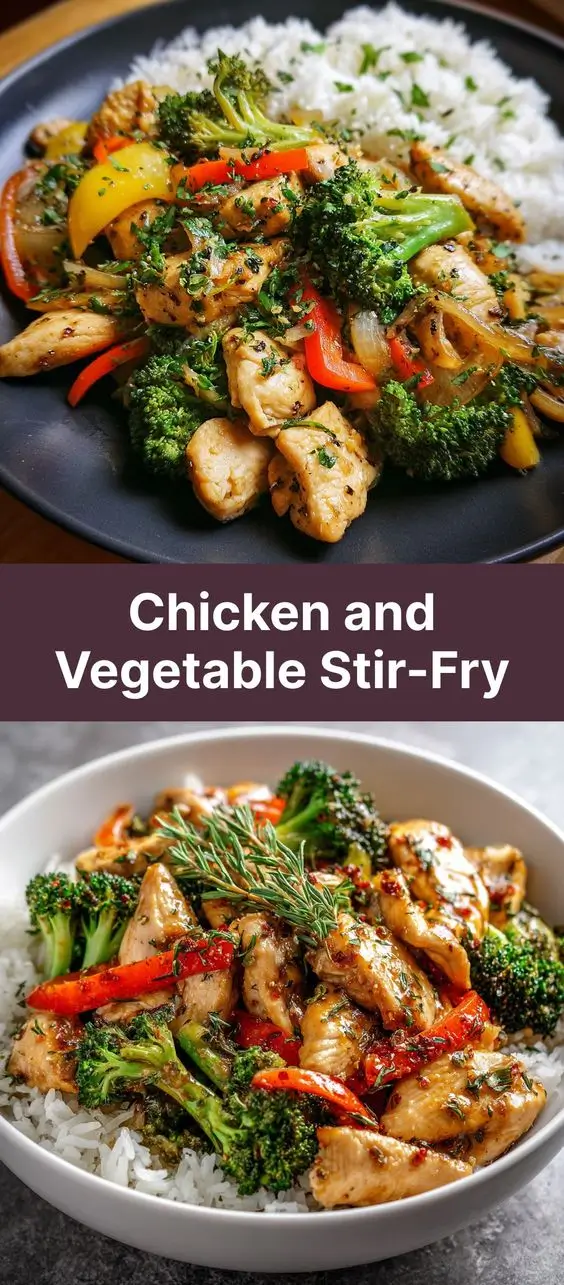
The Chicken and Vegetable Stir-Fry is more than just a dish—it’s a culinary journey that brings together vibrant flavors, colorful ingredients, and a healthy balance of protein and nutrients. Whether you’re a busy parent looking for a quick dinner option or a food enthusiast eager to experiment with bold Asian-inspired flavors, this stir-fry delivers on every front. Light, crisp vegetables, tender chicken strips, and a savory-sweet sauce come together in under 30 minutes, making it an ideal choice for any night of the week.
The History of Stir-Frying
Stir-frying has its roots deeply embedded in Chinese cuisine, dating back over 2,000 years to the Han Dynasty. The technique was developed out of necessity—cooking food quickly over high heat preserved both flavor and texture while using minimal fuel. Traditionally performed in a wok, stir-frying allows for even heat distribution and efficient tossing of ingredients, ensuring everything cooks uniformly without becoming soggy.
As Chinese immigrants traveled across Asia and later to Western countries, they brought their cooking methods with them. Over time, stir-frying evolved by incorporating local ingredients and palates, leading to countless regional variations. Today, stir-fries are a global phenomenon, adapted into fusion cuisines from Thai basil chicken to Americanized sweet-and-sour versions. The chicken and vegetable stir-fry we enjoy today is a modern interpretation that blends authenticity with convenience, making it a staple in kitchens around the world.
Ingredients Breakdown: What Goes Into a Perfect Stir-Fry?
The magic of a great stir-fry lies in the harmony between fresh ingredients and well-balanced seasonings. Each component plays a vital role in building layers of flavor, texture, and nutrition.
- Chicken Breast: Lean, tender, and rich in protein, boneless, skinless chicken breasts are the most common choice. They absorb marinades well and cook quickly when sliced thinly.
- Vegetables: A colorful mix not only enhances visual appeal but also boosts nutritional value. Common options include bell peppers (red, yellow, green), broccoli florets, carrots, snap peas, mushrooms, baby corn, bok choy, and zucchini. These provide fiber, vitamins A, C, K, and antioxidants.
- Aromatics: Garlic, ginger, and green onions form the flavor base. Freshly minced or grated, they release essential oils when heated, creating a fragrant foundation.
- Sauce: The soul of the stir-fry. Typically made from soy sauce (low sodium preferred), oyster sauce (optional for umami), rice vinegar, sesame oil, honey or brown sugar, and a touch of cornstarch to thicken. Some recipes use hoisin or chili garlic sauce for added depth.
- Cooking Oil: High smoke point oils like peanut, avocado, or canola oil are best for searing at high temperatures without burning.
- Garnishes: Sesame seeds, chopped cilantro, sliced red chili, or lime wedges add final touches of crunch, color, and brightness.
Step-by-Step Recipe: How to Make Chicken and Vegetable Stir-Fry
Ingredients
- 1½ lbs (680g) boneless, skinless chicken breasts, thinly sliced
- 3 tbsp soy sauce (low sodium)
- 1 tbsp rice vinegar
- 1 tbsp honey or brown sugar
- 1 tsp sesame oil
- 2 cloves garlic, minced
- 1 tbsp fresh ginger, grated
- 2 tbsp cornstarch (divided)
- 3 tbsp cooking oil (peanut or canola), divided
- 1 medium red bell pepper, julienned
- 1 medium yellow bell pepper, julienned
- 1 cup broccoli florets
- 1 medium carrot, julienned or thinly sliced
- 1 cup snap peas
- 4 oz (about 1 cup) mushrooms, sliced (shiitake or cremini work well)
- 1 small onion, thinly sliced
- ¼ cup water or low-sodium chicken broth
- Optional: 1 tbsp oyster sauce or hoisin sauce
- For serving: cooked jasmine rice, brown rice, or noodles
- Garnish: toasted sesame seeds, sliced green onions
Directions
- Marinate the Chicken: In a bowl, combine the sliced chicken with 1 tablespoon soy sauce, 1 teaspoon cornstarch, and 1 teaspoon sesame oil. Mix well, cover, and let marinate for 15–20 minutes at room temperature. This helps tenderize the meat and improves sauce adhesion.
- Prepare the Sauce: In a separate small bowl, whisk together the remaining 2 tablespoons soy sauce, rice vinegar, honey, 1 tablespoon cornstarch, minced garlic, grated ginger, and optional oyster or hoisin sauce. Set aside.
- Blanch Broccoli (Optional): To ensure crisp-tender broccoli, briefly blanch in boiling water for 90 seconds, then plunge into ice water. Drain thoroughly. Skip if you prefer raw crunch or are using high-heat wok cooking.
- Stir-Fry the Chicken: Heat 1½ tablespoons oil in a large wok or heavy-bottomed skillet over high heat until shimmering. Add the marinated chicken in a single layer and cook undisturbed for 1–2 minutes to sear, then stir-fry for another 3–4 minutes until fully cooked and lightly browned. Remove and set aside.
- Cook the Vegetables: Add the remaining 1½ tablespoons oil to the same wok. Toss in onions, carrots, and bell peppers. Stir-fry for 2 minutes. Add broccoli, snap peas, and mushrooms. Continue cooking for another 3–4 minutes, stirring constantly, until vegetables are bright and crisp-tender.
- Combine Everything: Return the cooked chicken to the wok. Give the sauce mixture a quick stir (cornstarch settles), then pour it over the chicken and vegetables. Add ¼ cup water or broth to help steam and distribute the sauce evenly.
- Thicken the Sauce: Stir continuously as the sauce heats up and begins to bubble. Within 1–2 minutes, it will thicken into a glossy glaze coating all ingredients. Adjust seasoning if needed—add a splash more soy sauce or a pinch of sugar to balance.
- Finish and Serve: Remove from heat. Garnish with green onions and sesame seeds. Serve immediately over steamed rice or noodles.
Tips for the Best Chicken and Vegetable Stir-Fry
- Prep Ahead: Chop all ingredients before turning on the stove. Stir-frying happens fast, and having everything ready prevents overcooking.
- High Heat is Key: Use the highest heat your stove can produce. This ensures proper searing instead of steaming the ingredients.
- Don’t Crowd the Pan: Cook in batches if necessary. Overcrowding lowers the temperature and causes vegetables to release water and become soggy.
- Slice Uniformly: Cut chicken and vegetables into similar sizes for even cooking.
- Dry Ingredients: Pat chicken and vegetables dry before cooking. Excess moisture inhibits browning.
- Use a Wok: A carbon steel wok provides superior heat retention and tossability. If using a skillet, opt for a wide, flat-bottomed one.
- Customize Doneness: Prefer softer veggies? Extend stir-fry time by 1–2 minutes. For extra crunch, reduce cooking time slightly.
- Double the Sauce: If serving over a large amount of rice or sharing with guests, consider doubling the sauce for better coverage.
Variations and Customizations
The beauty of stir-fry lies in its versatility. Here are several ways to personalize your dish:
- Protein Swaps: Replace chicken with shrimp, beef (sliced thinly against the grain), tofu, tempeh, or pork. Adjust cooking times accordingly.
- Veggie Variations: Try cabbage, snow peas, water chestnuts, leeks, asparagus, or baby spinach. Seasonal produce works beautifully.
- Gluten-Free Option: Use tamari or coconut aminos instead of soy sauce. Ensure oyster sauce is gluten-free or omit it.
- Low-Carb/Keto Version: Skip the cornstarch, serve over cauliflower rice, and replace honey with a keto-friendly sweetener like erythritol.
- Spicy Kick: Add crushed red pepper flakes, sriracha, or a drizzle of chili oil during cooking or at the table.
- Thai-Inspired Twist: Swap soy sauce for fish sauce, add lime juice, peanut butter, and top with crushed peanuts and fresh basil.
- Mediterranean Fusion: Use olive oil, add olives, artichokes, sun-dried tomatoes, and finish with feta and lemon zest.
- Pineapple Addition: Toss in fresh pineapple chunks for a sweet-tart contrast—great for Hawaiian-style stir-fries.
Health Considerations and Nutritional Value
Chicken and Vegetable Stir-Fry is inherently nutritious, especially when prepared with mindful ingredient choices. Here’s a breakdown per serving (approx. 1.5 cups stir-fry + ½ cup brown rice):
- Calories: ~380–420 kcal
- Protein: 30–35g (excellent source for muscle repair and satiety)
- Carbohydrates: 35–40g (mostly complex carbs from vegetables and whole grains)
- Fat: 10–14g (primarily healthy unsaturated fats from oils and nuts)
- Fiber: 6–8g (supports digestion and gut health)
- Vitamins & Minerals: Rich in vitamin C (bell peppers, broccoli), vitamin A (carrots), potassium (mushrooms, spinach), iron (chicken), and antioxidants from colorful produce.
Health Benefits:
- Supports weight management due to high protein and fiber content promoting fullness.
- Low in saturated fat when lean chicken and healthy oils are used.
- Packed with phytonutrients that may reduce inflammation and support immune function.
- Blood sugar-friendly when paired with low-glycemic sides like quinoa or cauliflower rice.
Considerations:
- Soy sauce can be high in sodium—opt for low-sodium versions and control added salt.
- Cornstarch adds refined carbs; reduce or substitute with arrowroot powder if desired.
- Those with allergies should watch for common allergens like sesame, soy, shellfish (in oyster sauce), or peanuts (if garnishing).
- Pregnant women should ensure chicken is cooked to an internal temperature of 165°F (74°C).
Frequently Asked Questions (FAQ)
Q: Can I make this stir-fry ahead of time?
A: Yes! Prepare and chop all ingredients up to 24 hours in advance and store separately in airtight containers. Cooked stir-fry can be refrigerated for up to 3 days. Reheat gently in a wok or microwave, adding a splash of water or broth to refresh the sauce.
Q: Can I freeze chicken and vegetable stir-fry?
A: While possible, freezing may alter the texture of vegetables, making them softer upon thawing. It’s best enjoyed fresh or refrigerated short-term. Freeze the sauce separately if prepping in bulk.
Q: Why did my stir-fry turn out soggy?
A: Likely causes include overcrowding the pan, using too much sauce, adding wet ingredients, or cooking on low heat. Always use high heat and dry components thoroughly.
Q: Is stir-frying healthy?
A: Absolutely—when done right. Using minimal oil, fresh ingredients, lean protein, and whole grains makes it a balanced, nutrient-dense meal.
Q: Can I use frozen vegetables?
A: Yes, but thaw and drain them completely first. Frozen veggies often release more water, so increase heat and reduce sauce slightly.
Q: What kind of rice pairs best with stir-fry?
A: Jasmine rice offers a fragrant, slightly sticky complement. Brown rice adds fiber, while cauliflower rice keeps it low-carb. Noodles like lo mein, udon, or rice vermicelli are also excellent alternatives.
Q: How do I get restaurant-quality wok hei (breath of the wok)?
A: Wok hei refers to the smoky flavor achieved through intense heat and proper tossing. Home stoves rarely reach commercial wok heat, but you can mimic it by preheating the wok until smoking hot and working in small batches.
Summary
Chicken and Vegetable Stir-Fry is a dynamic, nutritious, and fast meal that combines tender chicken, crisp vegetables, and a savory homemade sauce in under 30 minutes. Packed with flavor, color, and wholesome ingredients, it’s perfect for healthy weeknight dinners or meal prep.