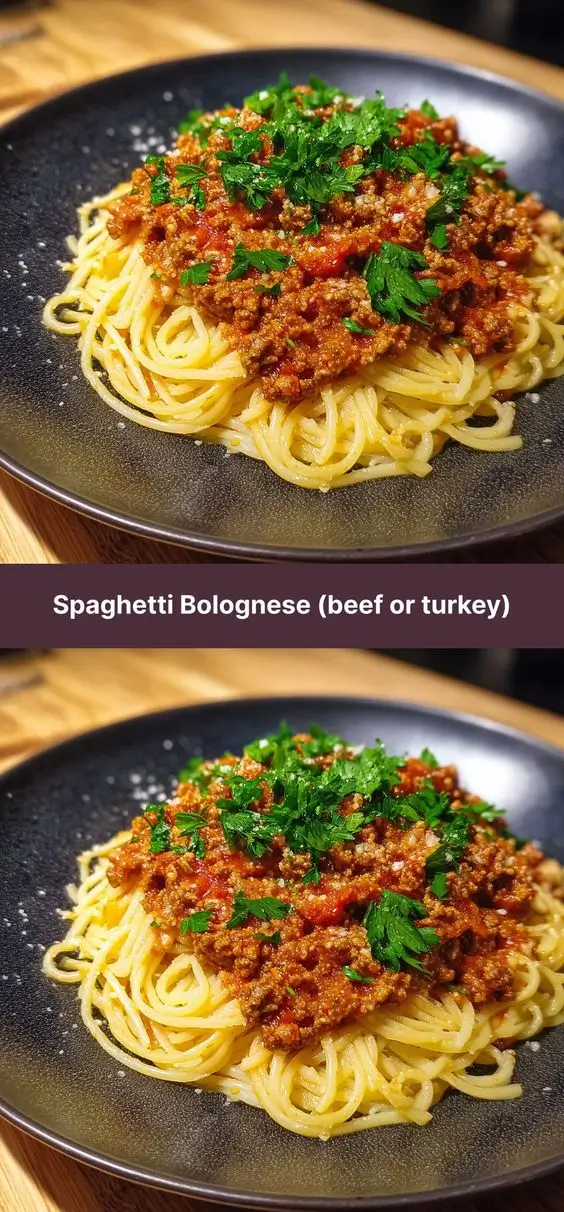
Spaghetti Bolognese: A Timeless Classic with a Modern Twist
The History of Spaghetti Bolognese
Despite its widespread popularity around the world, especially in English-speaking countries, traditional Spaghetti Bolognese is actually a bit of a culinary myth when it comes to authentic Italian cuisine. The dish known as ragù alla bolognese, originating from Bologna in the Emilia-Romagna region of Italy, is quite different from the version most people recognize today. Historically, this rich meat-based sauce was created centuries ago and traditionally served with flat, wide pasta such as tagliatelle—not spaghetti. The original recipe, which dates back to at least the 18th century, emphasized slow cooking, layered flavors, and the use of specific ingredients like pancetta, carrots, celery, onions, wine, milk, and finely ground beef.
Over time, particularly during the 20th century, global adaptations began to emerge. British and American home cooks, inspired by Italian flavors but limited by ingredient availability or cultural interpretation, began pairing thick tomato-heavy sauces with spaghetti, leading to the birth of what we now call “Spaghetti Bolognese.” This version became iconic in its own right—especially after post-war globalization introduced canned tomatoes and ground beef into everyday kitchens. While purists may scoff, the international love for Spaghetti Bolognese speaks volumes about how food evolves through migration, innovation, and comfort.
Interestingly, in 1982, the Italian Academy of Cuisine officially registered a recipe for Ragù alla Bolognese with the Bologna Chamber of Commerce to preserve its authenticity. This version excludes garlic, uses minimal tomato paste, and includes milk to soften the acidity—a far cry from many modern interpretations. However, today’s globalized palate embraces both tradition and adaptation, making Spaghetti Bolognese one of the most beloved comfort foods worldwide, whether made with beef, turkey, or plant-based alternatives.
Ingredients Breakdown: What Makes This Dish Shine
The beauty of Spaghetti Bolognese lies not just in its hearty taste but in the harmony of simple, high-quality ingredients working together. Each component plays a crucial role in building depth, texture, and flavor. Let’s break them down:
- Ground Beef or Turkey: The star protein. Traditional ragù uses beef, preferably chuck or round, finely ground. For a lighter option, ground turkey offers leaner nutrition while still delivering savory umami notes. Some recipes even blend both meats for balance.
- Olive Oil: Used to sauté aromatics, extra virgin olive oil adds richness and helps release fat-soluble flavors from vegetables.
- Onion, Carrot, and Celery (Soffritto): Known as the “holy trinity” of Italian cooking, these finely diced vegetables form the aromatic base. They caramelize slowly, adding natural sweetness and complexity.
- Garlic: Though not part of the original Bolognese recipe, garlic is commonly added in modern versions for an extra punch of pungency and aroma.
- Tomato Products: Crushed tomatoes provide body, while tomato paste intensifies the umami and deepens color. Some traditionalists prefer only tomato paste diluted with stock, but crushed tomatoes make the sauce more accessible for home cooks.
- Red or White Wine: Deglazes the pan and lifts browned bits (fond), contributing acidity and fruitiness. Red wine adds boldness; white wine keeps it bright and delicate.
- Beef or Vegetable Broth: Extends the sauce and allows long simmering without drying out. Homemade broth enhances flavor significantly.
- Milk or Cream: A surprising yet essential addition in authentic ragù. It neutralizes tomato acidity and tenderizes the meat, resulting in a smoother, silkier sauce.
- Dried Herbs: Oregano and basil are common, though bay leaves and thyme also work well. Fresh herbs can be used toward the end for brightness.
- Salt and Black Pepper: Crucial for seasoning throughout cooking to layer flavors properly.
- Sugar (optional): A pinch may be needed if tomatoes are overly acidic, though fresh or high-quality canned tomatoes often don’t require it.
- Parmesan Cheese: Grated over the finished dish, it adds salty, nutty depth. Authentic Parmigiano-Reggiano is ideal.
- Salt and Freshly Ground Black Pepper: Seasoning should be adjusted throughout the cooking process for optimal taste.
- Spaghetti: While not traditional in Bologna, spaghetti is widely accepted globally. Look for bronze-die extruded pasta for better sauce adherence.
Step-by-Step Recipe: How to Make Perfect Spaghetti Bolognese
Whether you’re using beef or turkey, the key to exceptional Spaghetti Bolognese is patience. Slow cooking unlocks rich, complex flavors. Follow these detailed steps for restaurant-quality results at home.
Ingredients
- 1 tbsp olive oil
- 1 medium onion, finely chopped
- 1 large carrot, finely diced
- 1 stalk celery, finely diced
- 3 cloves garlic, minced
- 1 lb (450g) ground beef or ground turkey (or a mix)
- Salt and freshly ground black pepper, to taste
- 2 tbsp tomato paste
- ½ cup red wine (optional, substitute with broth)
- 1 can (28 oz / 800g) crushed tomatoes
- 1 cup beef or vegetable broth
- ¼ cup whole milk or heavy cream
- 1 tsp dried oregano
- 1 tsp dried basil
- 1 bay leaf
- Pinch of sugar (only if needed)
- 12 oz (340g) spaghetti
- Fresh parsley, chopped (for garnish)
- Grated Parmesan cheese (for serving)
Directions
- Prepare the Soffritto: Heat olive oil in a large, heavy-bottomed pot or Dutch oven over medium-low heat. Add the onion, carrot, and celery. Cook gently for 8–10 minutes, stirring occasionally, until softened and lightly golden. Do not rush—this step builds foundational flavor. Add garlic during the last minute and stir until fragrant.
- Brown the Meat: Increase heat to medium-high. Add the ground beef or turkey, breaking it apart with a wooden spoon. Season with salt and pepper. Cook until no pink remains and the meat begins to brown slightly, about 6–8 minutes. Drain excess fat if using beef; turkey typically releases less.
- Add Tomato Paste: Stir in the tomato paste and cook for 2–3 minutes, allowing it to caramelize slightly. This deepens the flavor and removes any raw taste.
- Deglaze with Wine: Pour in the red wine, scraping up any browned bits from the bottom of the pot. Simmer until the liquid reduces by half, about 3–4 minutes. If skipping wine, use broth instead.
- Incorporate Tomatoes and Liquids: Add crushed tomatoes, broth, milk, oregano, basil, bay leaf, and a pinch of sugar (if needed). Stir well to combine.
- Simmer Low and Slow: Bring the sauce to a gentle boil, then reduce heat to low. Cover partially and let it simmer for at least 1.5 to 2 hours, stirring occasionally. The longer it simmers (up to 4 hours), the richer and more cohesive the flavors become. If the sauce thickens too much, add small amounts of warm broth or water.
- Cook the Pasta: About 15 minutes before serving, bring a large pot of salted water to a boil. Add spaghetti and cook according to package instructions until al dente. Reserve 1 cup of pasta water before draining.
- Finish the Sauce: Remove the bay leaf. Taste and adjust seasoning with additional salt, pepper, or a splash of balsamic vinegar for brightness. For a creamier texture, stir in a little extra milk or butter.
- Combine Pasta and Sauce (Optional): While traditionally served separately in Italy, many prefer tossing the drained spaghetti directly into the sauce for 1–2 minutes over low heat. Use reserved pasta water as needed to loosen the sauce and help it coat the noodles evenly.
- Serve Immediately: Divide among warm bowls. Top with freshly grated Parmesan cheese and a sprinkle of chopped parsley. Serve with crusty bread and a green salad on the side.
Tips for the Best Spaghetti Bolognese
- Use High-Quality Ingredients: Opt for San Marzano tomatoes, real Parmigiano-Reggiano, and freshly ground meat for superior taste.
- Low and Slow Wins: Rushing the simmer leads to shallow flavor. Let time do the work—many chefs agree that Bolognese tastes even better the next day.
- Don’t Skip the Milk: It might seem odd, but milk tames acidity and tenderizes the meat. Whole milk works best.
- Finely Chop Vegetables: Small, uniform pieces ensure even cooking and a smooth-textured sauce.
- Season in Layers: Salt each stage—vegetables, meat, finished sauce—for balanced flavor development.
- Reserve Pasta Water: The starchy liquid helps emulsify the sauce and bind it to the spaghetti.
- Avoid Overcooking Pasta: Always aim for al dente—firm to the bite—as it continues to cook slightly when mixed with hot sauce.
- Let the Sauce Rest: After cooking, allow the Bolognese to rest off heat for 10–15 minutes. This lets flavors settle and textures meld.
Variations and Customizations
Spaghetti Bolognese is wonderfully adaptable. Here are creative ways to personalize your dish:
- Meat Variations: Try a blend of beef and pork, add pancetta for smokiness, or go fully plant-based with lentils or textured vegetable protein (TVP).
- Turkey Bolognese: Leaner than beef, ground turkey makes a healthier alternative. Boost moisture with extra olive oil or a splash of cream.
- Vegetarian/Vegan Bolognese: Replace meat with mushrooms, walnuts, eggplant, or a mix of lentils and beans. Use vegetable broth and skip dairy or substitute with almond milk and nutritional yeast.
- Gluten-Free Option: Use gluten-free spaghetti made from rice, corn, or quinoa. Ensure all other ingredients (like broth) are certified GF.
- Spicy Kick: Add red pepper flakes or a dash of hot sauce for heat lovers.
- Creamy Version: Stir in a tablespoon of butter or heavy cream at the end for extra richness.
- Wine-Free: Substitute wine with extra broth and a splash of apple cider vinegar or lemon juice for acidity.
- Different Pastas: While spaghetti is popular, try pappardelle, fettuccine, rigatoni, or penne for varied textures.
- Kid-Friendly Twist: Puree the sauce after cooking for picky eaters who dislike chunks of vegetables.
- Make-Ahead Freezer Meal: Cool and freeze sauce in portions for up to 3 months. Thaw overnight and reheat gently with a splash of water.
Health Considerations and Nutritional Value
Spaghetti Bolognese can be nutritious when prepared mindfully. Here’s a breakdown based on typical servings (1 serving ≈ 1.5 cups sauce + 2 oz dry pasta):
| Nutrient | Beef Bolognese (approx.) | Turkey Bolognese (approx.) |
|---|---|---|
| Calories | 450–500 | 380–420 |
| Protein | 28–32g | 30–35g |
| Total Fat | 18–22g | 10–14g |
| Saturated Fat | 6–8g | 3–5g |
| Carbohydrates | 45–50g | 45–50g |
| Fiber | 6–8g | 6–8g |
| Sodium | 700–900mg | 600–800mg |
| Sugar | 8–10g | 7–9g |
Health Benefits:
- High Protein: Supports muscle repair and satiety.
- Lycopene from Tomatoes: An antioxidant linked to heart health and reduced cancer risk.
- Fiber from Vegetables and Whole Grain Pasta: Promotes digestive health and stable blood sugar.
- Iron and B Vitamins (from meat): Essential for energy metabolism and red blood cell production.
Health Tips:
- Choose lean ground turkey or extra-lean beef (90%+ lean) to reduce saturated fat.
- Use low-sodium broth and control added salt to manage blood pressure.
- Opt for whole wheat or legume-based pasta to increase fiber and nutrients.
- Load up on vegetables—double the soffritto or sneak in zucchini, bell peppers, or spinach.
- Limit portion sizes: 2 oz (dry weight) of pasta per person is sufficient.
- Avoid excessive cheese; a little Parmesan goes a long way in flavor.
Frequently Asked Questions (FAQ)
Q: Is Spaghetti Bolognese authentic Italian food?
A: Not exactly. In Bologna, Italy, the traditional dish is called ragù alla bolognese and is served with tagliatelle, not spaghetti. The global version has evolved independently and is now a beloved comfort dish worldwide.
Q: Can I make Bolognese without wine?
A: Yes. Substitute with equal parts broth and a splash of vinegar or citrus juice to mimic acidity and depth.
Q: How long does Bolognese keep in the fridge?
A: Up to 4–5 days in an airtight container. It often tastes better the next day!
Q: Can I freeze Spaghetti Bolognese?
A: Absolutely. Freeze the sauce (without pasta) for up to 3 months. Thaw in the refrigerator and reheat on the stove.
Q: Why add milk to a tomato-based sauce?
A: Milk reduces acidity, balances flavor, and tenderizes the meat—key secrets of authentic ragù.
Q: Can I use fresh tomatoes instead of canned?
A: Yes, but use ripe plum tomatoes, peel and seed them, and expect a longer cooking time to reduce excess liquid.
Q: Is ground turkey a good substitute for beef?
A: Yes, especially for a lighter meal. Add olive oil or a bit of cream to compensate for lower fat content.
Q: Should I drain the fat after browning beef?
A: Partially. Some fat carries flavor, but excessive grease can make the sauce greasy. Leave about 1–2 teaspoons.
Q: Can I make this in a slow cooker?
A: Definitely. Sauté vegetables and meat first, then transfer to a slow cooker with remaining ingredients. Cook on low for 6–8 hours or high for 3–4 hours.
Q: What’s the best pasta to use?
A: While spaghetti is common, wider ribbons like pappardelle or tagliatelle hold the sauce better. Penne and rigatoni also work well.
Summary
Spaghetti Bolognese is a globally cherished dish that blends rich, slow-cooked meat sauce with al dente pasta, offering endless customization for every diet and taste preference.
Whether made with beef, turkey, or plant-based proteins, this comforting classic delivers satisfying flavor, nutritional balance, and timeless appeal across generations.