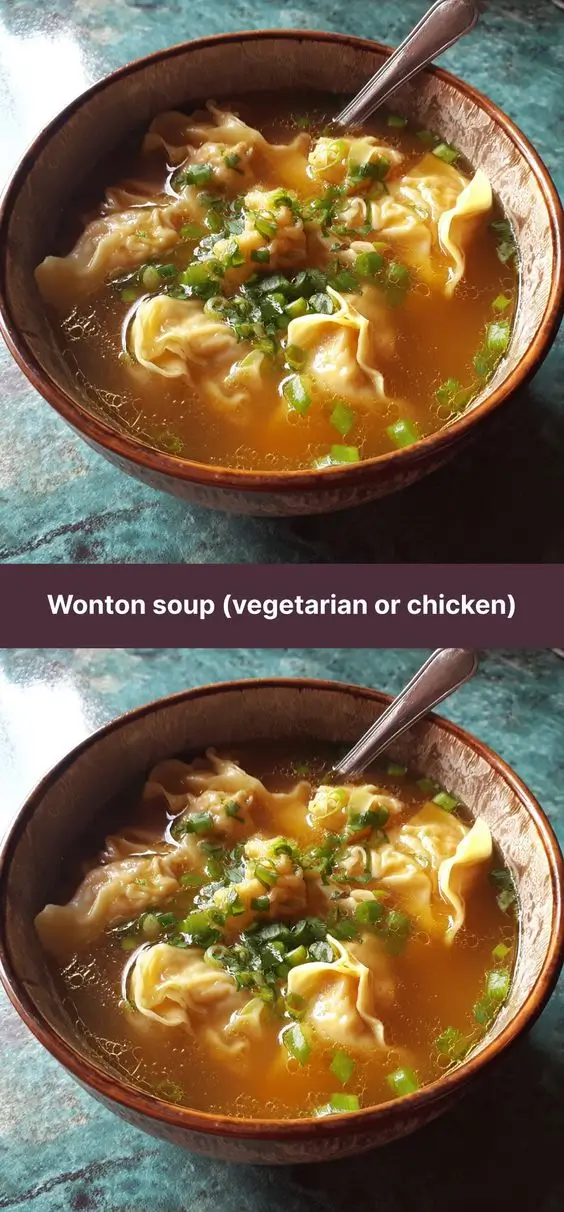
Wonton Soup: A Comforting Bowl of Warmth and Flavor
Wonton soup is a beloved staple in Chinese cuisine, cherished across generations for its delicate dumplings, savory broth, and comforting warmth. Whether you’re savoring it at a dim sum restaurant or preparing it at home, this dish brings together simplicity and elegance in every spoonful. With roots stretching back centuries, wonton soup has evolved into various regional and cultural interpretations—ranging from the classic pork-filled version to vegetarian adaptations that cater to modern dietary preferences. In this comprehensive guide, we’ll explore everything about making an exquisite bowl of wonton soup, with options for both chicken-based and vegetarian versions. From ingredient breakdowns and step-by-step instructions to nutritional insights and creative variations, this article is your ultimate companion to mastering this timeless dish.
The History of Wonton Soup
The origins of wonton soup can be traced back over 1,000 years to ancient China, particularly during the Tang Dynasty (618–907 AD). The word “wonton” comes from the Cantonese pronunciation of wan4 tan4, meaning “swallowing clouds,” which poetically describes how the dumplings float gently in the broth like soft clouds drifting through misty skies. Historically, wontons were considered festive food, often served during Lunar New Year celebrations to symbolize wealth and prosperity due to their resemblance to ancient gold ingots.
Originally filled with minced pork or shrimp, wontons spread throughout Asia and eventually gained global popularity through Chinese immigration. By the 19th century, they had become common in Chinatowns across North America and Europe. Over time, regional differences emerged—Cantonese-style wontons tend to be smaller and more refined, often served in clear broth with vegetables, while Sichuan versions may include spicy chili oil and bold seasonings.
As plant-based diets have grown in popularity, vegetarian and vegan renditions of wonton soup have risen in prominence. These versions maintain the essence of the original by using tofu, mushrooms, cabbage, and other umami-rich ingredients as filling substitutes. Today, wonton soup stands not only as a culinary delight but also as a testament to cultural adaptation and gastronomic innovation.
Ingredients Breakdown
To create an authentic and satisfying bowl of wonton soup, each ingredient plays a vital role—from the silky dumpling wrappers to the aromatic broth. Below is a detailed breakdown of all components, categorized for both chicken-based and vegetarian versions.
For the Wontons:
- Wonton Wrappers: Square or round thin sheets made from wheat flour, egg, water, and salt. Available fresh or frozen in Asian grocery stores. For homemade, mix 2 cups all-purpose flour, 1/2 tsp salt, 2 eggs, and 1/4 cup water until smooth; roll out thinly and cut into 3-inch squares.
- Filling (Chicken Version): 1 lb ground chicken breast, 1/4 cup finely chopped green onions, 1 tbsp soy sauce, 1 tsp sesame oil, 1/2 tsp grated ginger, 1 clove minced garlic, 1 tbsp cornstarch, 1/4 tsp white pepper, 1/2 cup finely chopped water chestnuts (optional for crunch).
- Filling (Vegetarian Version):strong> 1/2 block firm tofu (pressed and crumbled), 1/2 cup finely chopped shiitake mushrooms, 1/4 cup shredded napa cabbage, 2 tbsp chopped cilantro, 1 tbsp soy sauce or tamari, 1 tsp toasted sesame oil, 1 clove minced garlic, 1/2 tsp grated ginger, 1 tbsp cornstarch, 1/4 tsp black pepper, 1 tbsp finely diced carrots (for sweetness and texture).
For the Broth:
- Chicken Broth Base: 6 cups homemade or low-sodium store-bought chicken stock, 1 small halved onion, 2 slices ginger, 1 star anise pod (optional), 2 green onions tied in a bundle, 1 tbsp rice wine or dry sherry (optional).
- Vegetarian Broth Base: 6 cups high-quality vegetable broth, 1 piece kombu (dried kelp), 4 dried shiitake mushrooms, 1 small onion quartered, 3 slices ginger, 1 stalk lemongrass (bruised), 1 tbsp soy sauce, 1 tsp sugar or maple syrup (to balance flavor).
Additional Soup Components:
- 2 cups bok choy, napa cabbage, or baby spinach (chopped)
- 4–6 scallions, thinly sliced (for garnish)
- 1 tbsp soy sauce or tamari (adjust to taste)
- 1 tsp sesame oil (added just before serving)
- Sriracha, chili oil, or white pepper (optional, for heat)
- Thin rice noodles or cooked soba noodles (optional side addition)
Step-by-Step Recipe
Step 1: Prepare the Filling
- In a large mixing bowl, combine all ingredients for your chosen filling (chicken or vegetarian).
- Mix thoroughly using clean hands or a spatula until the mixture becomes slightly sticky and cohesive—this helps the filling hold together inside the wrappers.
- Cover and refrigerate for at least 20 minutes to allow flavors to meld and make handling easier.
Step 2: Wrap the Wontons
- Lay out wonton wrappers on a clean, dry surface. Keep unused ones covered with a damp towel to prevent drying.
- Place about 1 teaspoon of filling in the center of each wrapper.
- Dip your finger in water and moisten the edges of the wrapper.
- Fold the wrapper diagonally into a triangle, pressing the edges firmly to seal and remove air pockets.
- Optional: Bring the two bottom corners of the triangle together, overlapping slightly, and press to form a “pillow” shape. This traditional fold ensures the filling stays sealed during cooking.
- Arrange finished wontons on a floured tray without touching to avoid sticking. Freeze immediately if storing for later use.
Step 3: Make the Broth
- For Chicken Broth: In a large pot, bring chicken stock to a gentle simmer. Add onion, ginger, star anise, green onion bundle, and rice wine. Simmer uncovered for 25–30 minutes to infuse flavors. Strain and return liquid to the pot. Season with soy sauce and adjust salt as needed.
- For Vegetarian Broth: Combine vegetable broth, kombu, dried shiitakes, onion, ginger, lemongrass, soy sauce, and sweetener in a pot. Simmer gently for 30–40 minutes. Remove kombu after 20 minutes to prevent bitterness. Strain and reserve broth.
Step 4: Cook the Wontons
- Bring a large pot of salted water to a boil.
- Carefully drop in 8–10 wontons at a time (do not overcrowd).
- Stir gently to prevent sticking. When they rise to the surface (after about 3–4 minutes), continue boiling for another 1–2 minutes until fully cooked.
- Remove with a slotted spoon and set aside. Repeat for remaining wontons.
Step 5: Assemble the Soup
- Reheat the strained broth in a clean pot.
- Add leafy greens (bok choy, spinach, etc.) and cook for 1–2 minutes until tender but still bright green.
- Add cooked wontons and warm them through for 1 minute.
- Turn off heat. Stir in sesame oil and additional soy sauce if desired.
- Ladle soup into bowls, ensuring each portion gets ample broth, wontons, and greens.
- Garnish generously with sliced scallions and optional chili oil or cracked white pepper.
Optional Enhancement:
Serve with a side of steamed jasmine rice or add pre-cooked rice noodles directly into the soup for a heartier meal.
Tips for Perfect Wonton Soup
- Seal Tightly: Always wet the edges of the wonton wrappers before folding to ensure a secure seal. Air bubbles can cause bursting during boiling.
- Don’t Overfill: Use just enough filling per wrapper—overstuffing leads to difficulty sealing and potential breakage.
- Freeze for Later: Uncooked wontons freeze beautifully. Place them on a baking sheet in a single layer, freeze solid, then transfer to freezer bags. Cook directly from frozen—add 1 extra minute to boiling time.
- Broth Clarity: For crystal-clear broth, avoid boiling vigorously when simmering aromatics. A gentle simmer preserves clarity and extracts subtle flavors.
- Enhance Umami (Vegetarian): Boost depth in veggie broth with a splash of mushroom soy sauce or a pinch of nutritional yeast.
- Texture Matters: Add water chestnuts or jicama to vegetarian fillings for a satisfying crunch reminiscent of meat.
- Homemade Wrappers: While convenient, store-bought wrappers work perfectly. But for gourmet results, try making your own with a pasta machine for ultra-thin, silky textures.
- Double Broth Technique: For restaurant-quality richness, reduce the strained broth by one-third before adding wontons and greens.
Variations and Customizations
Wonton soup is incredibly versatile and lends itself well to personalization based on dietary needs, flavor preferences, or seasonal availability.
Regional Twists:
- Sichuan Spicy Wonton Soup: Infuse broth with chili oil, Sichuan peppercorns, and doubanjiang for a numbing, fiery kick.
- Cantonese Style: Serve with minimal seasoning, emphasizing the purity of the broth and delicate wontons. Often includes egg noodles.
- Hakka Wonton Noodle Soup: Features thicker noodles and larger wontons, sometimes with peanut garnish.
Dietary Adaptations:
- Vegan: Use plant-based wrappers (check label for egg), replace egg in homemade dough with flaxseed meal, and omit any animal-based broths.
- Gluten-Free: Substitute gluten-free wonton wrappers (available online or specialty stores) and use tamari instead of soy sauce. Ensure broth is certified GF.
- Low-Carb/Keto: Skip noodles, increase protein content with extra wontons (using almond flour-based wrappers), and enrich broth with butter or coconut aminos.
Flavor Inspirations:
- Thai-Inspired: Add lemongrass, galangal, lime leaves, and a squeeze of lime juice. Garnish with Thai basil and crushed peanuts.
- Korean Fusion: Incorporate gochujang into the broth and top with kimchi and toasted seaweed.
- Western Twist: Use herbed ricotta and spinach filling with a Parmesan-infused broth (vegetarian option possible with nutritional yeast).
Seasonal Additions:
- Spring: Add fresh pea shoots or asparagus tips.
- Summer: Top with cucumber ribbons and mint.
- Fall: Include roasted squash or wild mushrooms.
- Winter: Enhance warmth with extra ginger and star anise.
Health Considerations and Nutritional Value
Wonton soup can be a nutritious and balanced meal depending on preparation methods and ingredient choices. Here’s a closer look at its health profile.
Nutritional Highlights:
- Protein: Chicken-filled wontons provide lean protein (~7–10g per serving). Vegetarian versions using tofu and mushrooms offer moderate protein (~5–7g) with added fiber.
- Fats: Low in saturated fat, especially when using skinless chicken or plant-based fillings. Sesame oil adds healthy monounsaturated fats.
- Carbohydrates: Primarily from wrappers and optional noodles. One serving (6–8 wontons) contains ~20–30g carbs. Can be reduced by using fewer wrappers or low-carb alternatives.
- Sodium: A concern if using store-bought broths and soy sauce. Opt for low-sodium versions and control seasoning yourself. Homemade broth significantly reduces sodium intake.
- Vitamins & Minerals: Rich in vitamin C (from bok choy, scallions), vitamin K (greens), B vitamins (meat/tofu), selenium (mushrooms), and antioxidants (ginger, garlic).
- Calories: Approximately 250–350 calories per bowl (without noodles), making it suitable for weight-conscious diets.
Health Benefits:
- Immune Support: Garlic, ginger, and scallions possess antimicrobial and anti-inflammatory properties—ideal during cold and flu season.
- Digestive Health: Light broth soothes the stomach, while fiber from vegetables aids digestion.
- Hydration: High water content in broth contributes to daily fluid intake.
- Anti-Aging Properties: Mushrooms and tofu contain compounds linked to cellular health and longevity.
Considerations for Specific Diets:
- Diabetes: Monitor carbohydrate content. Pair with non-starchy veggies and limit noodle portions.
- Heart Health: Choose low-sodium broth, avoid frying wontons, and use heart-healthy oils.
- Pregnancy: Ensure chicken is fully cooked. For vegetarian version, wash produce thoroughly and cook tofu adequately.
- Allergies: Common allergens include wheat (gluten), eggs (in wrappers), soy, and sesame. Always read labels carefully or prepare from scratch to control ingredients.
Full Ingredients List
Chicken Wonton Soup:
- 20–24 wonton wrappers
- 1 lb ground chicken
- 1/4 cup chopped green onions
- 1 tbsp soy sauce
- 1 tsp sesame oil
- 1/2 tsp grated ginger
- 1 clove garlic, minced
- 1 tbsp cornstarch
- 1/4 tsp white pepper
- 1/2 cup finely chopped water chestnuts (optional)
- 6 cups chicken broth
- 1 small onion, halved
- 2 slices fresh ginger
- 1 star anise (optional)
- 2 green onions, tied
- 1 tbsp rice wine (optional)
- 2 cups bok choy or spinach
- 6 scallions, sliced
- 1 tsp sesame oil (for finishing)
- Soy sauce to taste
- Chili oil or white pepper (optional)
Vegetarian Wonton Soup:
- 20–24 wonton wrappers (egg-free if vegan)
- 1/2 block firm tofu, pressed and crumbled
- 1/2 cup chopped shiitake mushrooms
- 1/4 cup shredded napa cabbage
- 2 tbsp chopped cilantro
- 1 tbsp soy sauce or tamari
- 1 tsp toasted sesame oil
- 1 clove garlic, minced
- 1/2 tsp grated ginger
- 1 tbsp cornstarch
- 1/4 tsp black pepper
- 1 tbsp diced carrots
- 6 cups vegetable broth
- 1 piece kombu (about 4 inches)
- 4 dried shiitake mushrooms
- 1 small onion, quartered
- 3 slices ginger
- 1 stalk lemongrass, bruised
- 1 tsp soy sauce
- 1 tsp maple syrup or sugar
- 2 cups bok choy or spinach
- 6 scallions, sliced
- 1 tsp sesame oil (for finishing)
- Chili oil or Sriracha (optional)
Directions Recap
- Prepare filling by combining all ingredients and chilling for 20 minutes.
- Fill wonton wrappers, seal properly, and shape into triangles or pillows.
- Simmer broth ingredients gently for 30–40 minutes, then strain.
- Boil wontons in batches until they float and cook through (3–5 minutes).
- Reheat broth, add greens, then incorporate cooked wontons.
- Finish with sesame oil, adjust seasoning, and serve hot with scallion garnish.
Frequently Asked Questions (FAQ)
Can I bake or pan-fry wontons instead of boiling?
Yes! For crispy wontons, pan-fry in a little oil over medium heat until golden brown on both sides, then steam briefly with a splash of water. Baking works too—brush with oil and bake at 400°F (200°C) for 12–15 minutes, flipping halfway.
How long do homemade wontons last in the fridge or freezer?
Uncooked wontons keep for 2 days in the refrigerator (covered) and up to 3 months in the freezer. Boiled wontons should be eaten within 1–2 days.
Can I make the broth ahead of time?
Absolutely. Both chicken and vegetarian broths can be made 2–3 days in advance and stored in the fridge, or frozen for up to 3 months. Reheat and strain before using.
Are wonton wrappers vegan?
Most commercial wonton wrappers contain egg. Check the label or seek egg-free brands for vegan diets. Homemade wrappers can easily be made vegan using water and flour only.
Why did my wontons burst while cooking?
This usually happens due to trapped air, insufficient sealing, or boiling too vigorously. Seal edges well, press out air, and simmer gently rather than boiling hard.
Can I use different vegetables in the filling?
Definitely! Try finely chopped bamboo shoots, bell peppers, zucchini (well-drained), or even mashed sweet potato for unique textures and flavors.
Is wonton soup gluten-free?
Not traditionally, due to wheat-based wrappers and soy sauce. However, gluten-free versions are possible with GF wrappers and tamari or coconut aminos.
Can I make this soup spicy?
Yes—add chili garlic sauce, Sichuan peppercorns, or a drizzle of Lao Gan Ma chili crisp to individual bowls for customizable heat.
What’s the difference between wontons and dumplings?
Wontons are typically smaller, always served in soup, and use thinner wrappers. Dumplings can be larger, steamed, pan-fried, or boiled, and are often eaten with dipping sauces.
Can I use store-bought broth?
Yes, but choose low-sodium, high-quality brands. Enhance flavor by simmering with fresh aromatics like ginger, garlic, and scallions.
Summary
Wonton soup is a harmonious blend of tender dumplings, fragrant broth, and nourishing vegetables, offering comfort and flavor in every bite. Whether you choose a classic chicken version or a creative plant-based twist, this dish remains a timeless favorite across cultures and kitchens worldwide.