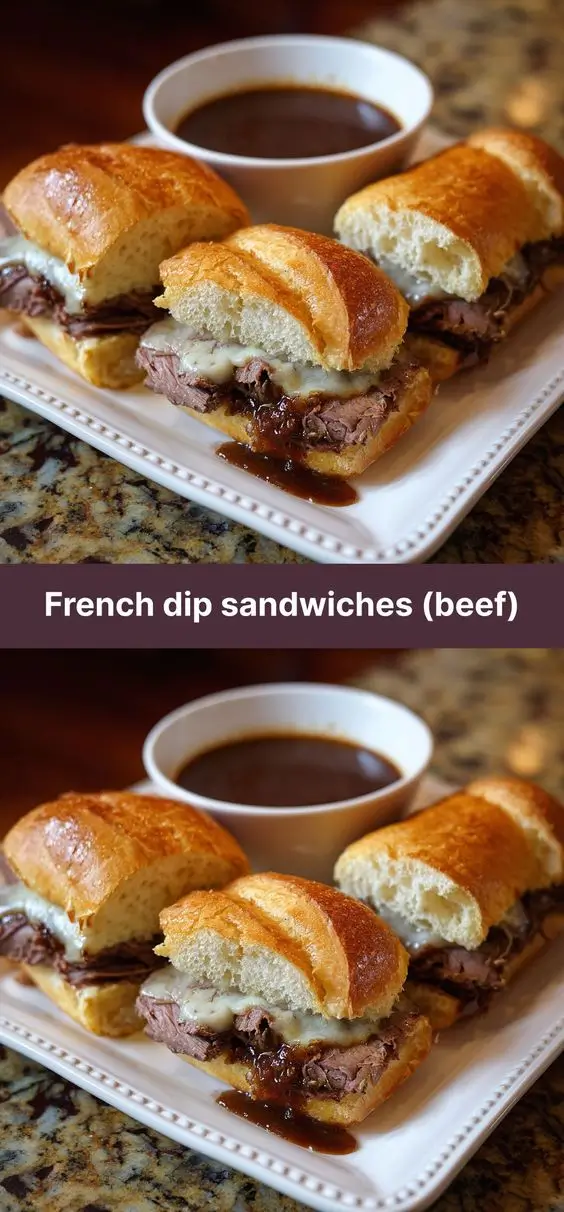
French Dip Sandwiches (Beef): A Savory Classic Reimagined
The History of the French Dip Sandwich
The origin of the French dip sandwich is shrouded in culinary legend, with two Los Angeles institutions—Philippe’s and Cole’s Pacific Electric Buffet—both claiming to have invented it in the early 20th century. The most popular story dates back to around 1918 when Philippe Mathieu, owner of Philippe’s in downtown LA, accidentally dropped a roast beef sandwich into a pan of meat juices while preparing it for a police officer. Rather than remake the sandwich, he served it as-is, and the officer loved the extra juiciness. Thus, the “dipped” sandwich was born.
Meanwhile, Cole’s asserts that their bartender, Jack Garlinghouse, created the sandwich in 1908 when a customer asked for a more tender version of a dry roast beef sandwich. Garlinghouse dipped it in au jus, giving rise to the same beloved dish. Regardless of which establishment holds the true title, both are still operating today and serve their iconic versions with pride.
The name “French” likely comes from the use of French bread—a crisp-crusted, soft-centered loaf ideal for soaking up juices—while “dip” refers to the tradition of serving the sandwich with a side of warm au jus for dipping. Over the decades, the French dip has evolved from a regional specialty to a nationally cherished comfort food, often found on deli menus, sports arenas, and home kitchens across America.
Ingredients Breakdown: What Makes It Authentic?
To craft an authentic and deeply flavorful French dip sandwich, each ingredient plays a pivotal role. Here’s a detailed look at what goes into this savory masterpiece:
- Beef Roast (Top Round or Chuck): Lean yet flavorful, top round roast is traditionally used because it slices thinly and retains moisture when slow-cooked. Chuck roast offers richer marbling and tenderness, ideal if you prefer a juicier bite.
- French Baguette or Hoagie Rolls: A fresh, crusty-on-the-outside, soft-on-the-inside French roll is essential. It must be sturdy enough to hold the beef and juices without disintegrating, yet tender enough to chew comfortably.
- Au Jus (The “Juice”): This isn’t just leftover cooking liquid—it’s a rich, savory broth made from beef drippings, caramelized onions, garlic, herbs, and sometimes red wine or Worcestershire sauce. Its depth of flavor elevates the entire sandwich.
- Yellow Onions: Slowly caramelized to bring out their natural sweetness, onions add complexity and balance to the salty beef.
- Garlic: Fresh minced garlic enhances the aromatic profile of both the meat and the au jus.
- Beef Stock or Broth: High-quality stock forms the base of the au jus. Low-sodium versions allow better control over salt content.
- Olive Oil or Butter: Used for searing the meat and sautéing vegetables, adding richness and browning.
- Herbs and Spices: Thyme, rosemary, bay leaves, black pepper, and occasionally mustard powder or smoked paprika contribute layers of earthy warmth.
- Deli-Style Cheese (Optional): While not traditional in the original recipe, many modern variations include provolone, Swiss, or mozzarella melted over the beef for a “cheesy dip” experience.
- Mustard or Horseradish (Optional): For those who enjoy a bit of heat, a smear of Dijon mustard or horseradish mayo can complement the richness.
Step-by-Step Recipe: How to Make French Dip Sandwiches at Home
Creating restaurant-quality French dip sandwiches at home is easier than you think—with patience and attention to detail, you can achieve tender, juicy results every time.
Ingredients
- 3–4 lbs beef top round or chuck roast
- 2 large yellow onions, thinly sliced
- 6 cloves garlic, minced
- 4 cups low-sodium beef broth (plus more as needed)
- 2 tbsp tomato paste
- 2 tbsp Worcestershire sauce
- 2 tbsp olive oil
- 1 tbsp fresh thyme (or 1 tsp dried)
- 2 sprigs fresh rosemary
- 2 bay leaves
- Salt and freshly ground black pepper, to taste
- 6–8 French hoagie rolls or baguettes
- (Optional) 6–8 slices provolone or Swiss cheese
- (Optional) 2 tbsp Dijon mustard or horseradish sauce
Directions
- Prepare the Roast: Pat the beef dry with paper towels. Season generously with salt and pepper on all sides.
- Sear the Meat: In a large Dutch oven or heavy pot, heat olive oil over medium-high heat. Sear the roast on all sides until deeply browned—about 4–5 minutes per side. Remove and set aside.
- Caramelize the Onions: Reduce heat to medium. Add sliced onions and cook slowly, stirring occasionally, until golden brown and soft—about 20–25 minutes. Add a pinch of salt to draw out moisture and speed caramelization.
- Add Garlic and Tomato Paste: Stir in minced garlic and cook for 1 minute until fragrant. Add tomato paste and stir for another minute to deepen flavor.
- Build the Au Jus Base: Pour in beef broth to deglaze the pot, scraping up any browned bits (fond) from the bottom—this adds immense flavor. Stir in Worcestershire sauce, thyme, rosemary, and bay leaves.
- Braise the Beef: Return the seared roast to the pot. Liquid should come halfway up the sides of the meat; add more broth if needed. Bring to a gentle simmer, then cover and reduce heat to low. Cook for 3–4 hours, turning once halfway through, until fork-tender.
- Rest and Slice: Transfer the roast to a cutting board, tent with foil, and let rest for 15–20 minutes. This allows juices to redistribute. Using a sharp knife, slice thinly against the grain—about ¼ inch thick.
- Reduce the Cooking Liquid: Strain the braising liquid into a fat separator or bowl. Skim off excess fat, then return the defatted liquid to a saucepan. Simmer uncovered for 15–20 minutes to concentrate flavors. Taste and adjust seasoning. Keep warm.
- Toast the Buns: Preheat oven to 375°F (190°C). Slice rolls lengthwise, leaving one edge attached like a hinge. Lightly toast in the oven for 5–7 minutes until crisp but not hard.
- Assemble the Sandwiches: Place a generous portion of sliced beef into each roll. (Optional) Top with a slice of cheese and return to the oven for 2–3 minutes to melt.
- Serve with Au Jus: Ladle hot au jus into small bowls or mugs. Serve each sandwich alongside its dipping broth, encouraging guests to dunk generously.
Pro Tips for Perfect French Dip Sandwiches
- Slice Against the Grain: Cutting perpendicular to the muscle fibers ensures maximum tenderness.
- Don’t Rush Caramelization: Low-and-slow onion cooking unlocks sweetness and umami. Never skip this step!
- Use a Sharp Knife: A dull blade will shred the meat instead of slicing cleanly.
- Chill the Roast Before Slicing: For ultra-thin slices, refrigerate the cooked roast for 1–2 hours before cutting.
- Skim the Fat Well: Excess fat can make the au jus greasy. Use a fat separator for best results.
- Double the Au Jus: You’ll want extra for dipping, leftovers, or freezing. It also makes excellent gravy or soup base.
- Keep It Warm: Serve immediately after assembly to prevent soggy bread. Use warming trays if serving a crowd.
- Choose the Right Bread: Avoid soft sandwich bread—it won’t hold up. Opt for artisanal French rolls with a sturdy crust.
Variations and Customizations
The classic French dip is delicious on its own, but there are countless ways to personalize it for different tastes and dietary needs:
- Spicy Kick: Add sliced jalapeños, chipotle peppers in adobo, or a dash of cayenne to the au jus.
- Smoky Flavor: Incorporate smoked paprika or a touch of liquid smoke into the braising liquid.
- Mushroom Upgrade: Sauté cremini or shiitake mushrooms with the onions for an earthy twist.
- Wine-Infused Au Jus: Deglaze with ½ cup dry red wine (like Cabernet Sauvignon) before adding broth for added complexity.
- Horseradish Mayo: Mix prepared horseradish with mayonnaise and spread inside the bun for a bold, creamy contrast.
- Open-Faced Version: Serve the beef and cheese on a single slice of toasted bread under the broiler, then ladle au jus over the top—ideal for a hearty lunch.
- Vegetarian Option: Substitute the beef with portobello mushroom caps or seitan, using vegetable broth and soy sauce for the au jus.
- Keto-Friendly: Serve the beef and onions over cauliflower rice or wrapped in lettuce cups, skipping the bread entirely.
- Breakfast Dip: Use leftover beef in a morning hash with potatoes and eggs, served with warm au jus on the side.
- Tortilla Wrap Style: Roll the filling in a large flour tortilla for a portable handheld version—great for picnics or meal prep.
Health Considerations and Nutritional Value
While undeniably indulgent, French dip sandwiches can be adapted to fit various health goals with mindful preparation.
Nutrition Highlights (Per Serving, Approximate)
| Nutrient | Amount |
|---|---|
| Calories | 650–800 kcal |
| Protein | 40–50 g |
| Total Fat | 25–35 g |
| Saturated Fat | 10–12 g |
| Carbohydrates | 60–70 g |
| Fiber | 3–5 g |
| Sodium | 1200–1800 mg |
| Iron | 30% DV |
| Zinc | 45% DV |
| Vitamin B12 | 80% DV |
Health Notes:
- High Sodium Alert: Traditional recipes can be high in sodium due to broth and seasonings. Use low-sodium broth, limit added salt, and skim fat thoroughly to reduce levels.
- Lean Protein Source: Beef provides complete protein, iron, and B vitamins crucial for energy and immune function.
- Portion Control: One sandwich is satisfying; avoid oversized servings. Consider splitting with a side salad.
- Bread Choice Matters: Whole grain or seeded rolls increase fiber and nutrients compared to white bread.
- Heart-Healthy Modifications: Trim visible fat from meat, use heart-healthy oils, and incorporate antioxidant-rich herbs like rosemary and thyme.
- Gluten-Free Option: Use gluten-free rolls or serve as a bowl with rice or quinoa.
Frequently Asked Questions (FAQ)
What is the difference between a French dip and a Philly cheesesteak?
While both are beef-based sandwiches, a French dip uses slow-roasted beef sliced thin and served with au jus for dipping. A Philly cheesesteak features finely chopped grilled steak (usually ribeye), fried onions, and melted cheese (typically Cheez Whiz, provolone, or American) on a long roll—no broth involved.
Can I make French dip sandwiches ahead of time?
Yes! Cook the roast and au jus up to 3 days in advance and store separately in the fridge. Reheat gently, slice the beef, and assemble just before serving for best texture.
Can I freeze French dip components?
Absolutely. The cooked roast and au jus freeze well for up to 3 months. Cool completely, store in airtight containers, and thaw overnight in the fridge before reheating. Freeze assembled sandwiches only if planning to reheat thoroughly.
Why is my au jus too greasy?
This usually happens when fat isn’t properly skimmed. Always let the liquid cool slightly so fat rises and solidifies, making it easier to remove. A fat separator is a game-changer.
Can I use pre-sliced roast beef?
You can, but it won’t match the flavor and tenderness of slow-braised meat. If using deli meat, simmer it briefly in homemade au jus to enhance taste and moisture.
What kind of bread is best?
Authentic French dip requires a crusty French baguette or hoagie roll. Avoid soft hamburger buns—they’ll fall apart when dipped.
Is the sandwich supposed to be dipped before or after eating?
Tradition varies! At Philippe’s, sandwiches are “dipped” upon request during assembly. At home, serve au jus on the side so each person can choose how much to dunk.
Can I make it in a slow cooker or Instant Pot?
Yes! For a slow cooker: sear meat and onions first, then transfer to crockpot with broth and spices. Cook on low 8 hours or high 4–5 hours. For Instant Pot: use “Meat/Stew” setting for 60 minutes with natural release. Both methods yield tender results.
Summary
The French dip sandwich is a timeless celebration of tender roast beef, savory au jus, and crusty bread—an iconic dish born from serendipity and perfected over a century. Whether made traditionally or customized to your taste, it remains one of the most satisfying comfort foods you can create at home.