Introduction
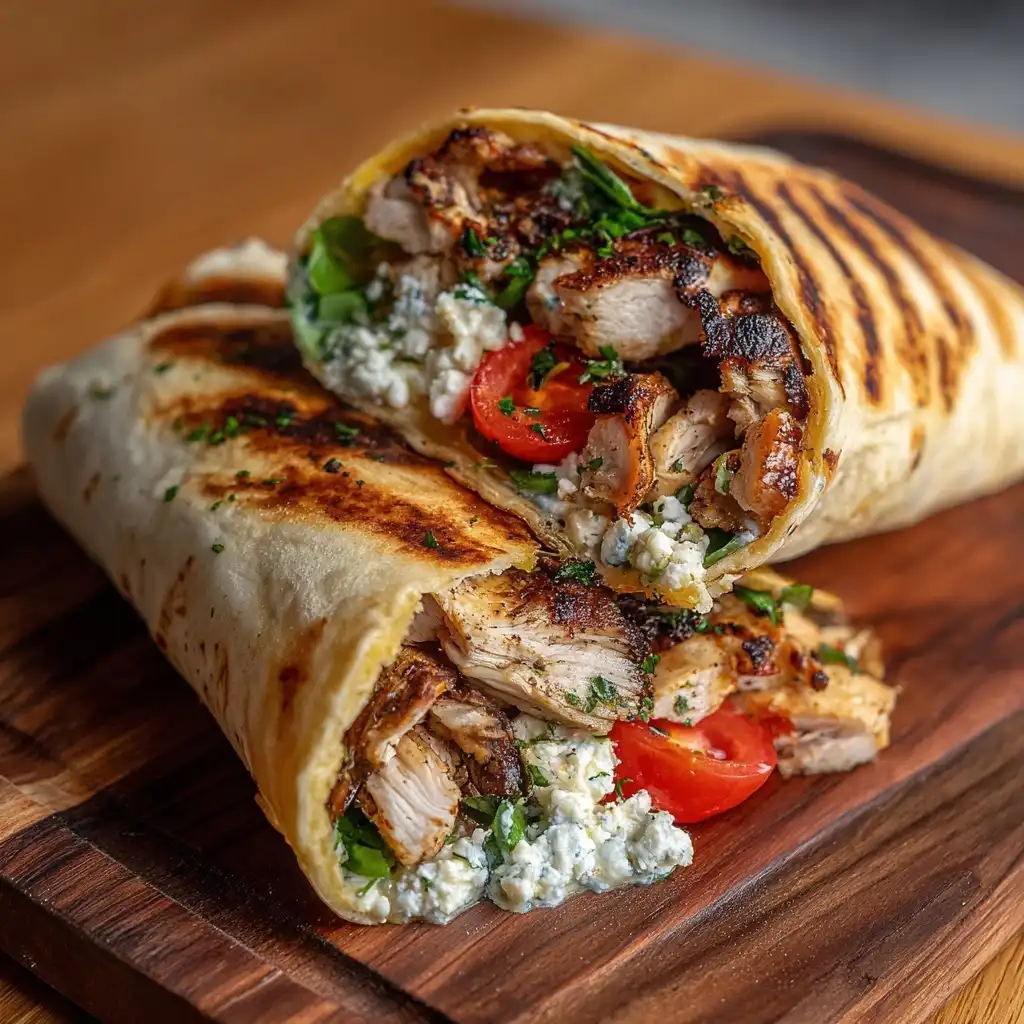
The Mediterranean Chicken Shawarma Wrap is a vibrant, nutrient-dense fusion of Middle Eastern street food tradition and modern Mediterranean culinary philosophy. Unlike its lamb- or beef-based predecessors, this version celebrates lean, flavorful chicken marinated in aromatic spices, slow-cooked to tender perfection, then nestled into warm, whole-grain flatbread with crisp vegetables, tangy house-made tzatziki, and bright herbaceous accents. It’s not just a meal—it’s an experience: bold yet balanced, hearty yet refreshing, deeply satisfying without weighing you down. Whether enjoyed as a weekday lunch, post-workout fuel, or a crowd-pleasing dinner centerpiece, this wrap embodies the essence of the Mediterranean diet—centered on freshness, seasonality, healthy fats, and mindful preparation.
The History
Shawarma traces its origins to the Ottoman Empire in the 19th century, evolving from the earlier Turkish doner kebab—a method of vertically roasting stacked, spiced meat on a rotating spit. As trade routes and migration spread across the Levant, Egypt, and the broader Arab world, regional adaptations flourished: in Lebanon, garlic-heavy toum joined the fold; in Syria, pickled turnips added acidity; in Israel, amba (mango pickle) and harif (chili sauce) brought heat. The Mediterranean reinterpretation emerged in the late 20th and early 21st centuries, driven by global health movements and culinary cross-pollination. Chefs and home cooks alike began substituting traditional red meats with grilled or roasted chicken breast and thigh, reducing saturated fat while preserving juiciness—and pairing it with Greek yogurt-based sauces, Kalamata olives, sun-dried tomatoes, and oregano-infused olive oil to honor the flavors of Greece, Turkey, Lebanon, and Southern Italy. Today, the Mediterranean Chicken Shawarma Wrap stands as a testament to cultural evolution—honoring heritage while embracing wellness, sustainability, and accessibility.
Ingredients Breakdown
Every component of this wrap plays a deliberate role—not only in flavor but in texture, temperature contrast, and nutritional synergy:
- Chicken: Boneless, skinless chicken thighs (preferred for richness and moisture) or a thigh-breast blend—never exclusively breast, which dries out during marination and roasting.
- Marinade Base: Extra-virgin olive oil (high-phenol, cold-pressed), fresh lemon juice (not bottled—acidity activates enzymes for tenderness), and high-quality sumac (for tartness and deep burgundy hue).
- Spice Profile: Toasted cumin and coriander seeds (ground fresh), smoked paprika (not sweet), ground cardamom (green, not black), a whisper of ground cloves, and Aleppo pepper flakes for fruity, moderate heat.
- Aromatics: Minced garlic (raw, added last to preserve pungency), grated fresh ginger (for brightness and anti-inflammatory benefits), and finely chopped red onion (marinated separately for mellow sweetness).
- Wraps: Whole-wheat lavash, sprouted grain tortillas, or gluten-free almond-flour flatbreads—lightly warmed to enhance pliability and release natural nuttiness.
- Tzatziki: Full-fat Greek yogurt (strained overnight), English cucumber (peeled, seeded, and finely grated—then squeezed dry), crushed garlic, lemon zest, fresh dill and mint, and a drizzle of olive oil—no vinegar or sour cream.
- Veggies & Accents: Shaved purple cabbage (crunch + anthocyanins), cherry tomatoes (halved, lightly salted), pickled red onions (quick-pickled in apple cider vinegar, honey, and fennel seeds), crumbled feta (sheep’s milk preferred), kalamata olives (pitted, halved), and baby arugula (for peppery finish).
- Finishing Touches: A generous swirl of high-quality za’atar, a final drizzle of lemon-infused extra-virgin olive oil, and micro cilantro or parsley.
Step-by-Step Recipe
- Prep the Chicken (Day Before or Minimum 12 Hours Prior): Combine 1.5 lbs (680g) boneless, skinless chicken thighs (cut into 1-inch strips) with marinade ingredients—¼ cup extra-virgin olive oil, 3 tbsp fresh lemon juice, 2 tbsp sumac, 1½ tsp ground cumin, 1½ tsp ground coriander, 1 tsp smoked paprika, ½ tsp ground cardamom, ¼ tsp ground cloves, ¼ tsp Aleppo pepper, 4 minced garlic cloves, 1 tbsp grated ginger, 1 tsp sea salt, and ½ tsp freshly ground black pepper. Mix thoroughly, cover, and refrigerate at least 12 hours (up to 48 hours for deeper infusion). Stir once halfway through.
- Prepare Pickled Onions (30 Minutes Before Cooking): Thinly slice 1 small red onion. Submerge in ½ cup apple cider vinegar, 1 tbsp raw honey, 1 tsp fennel seeds, ½ tsp sea salt, and 2 tbsp cool water. Refrigerate for minimum 30 minutes—ideal if made ahead.
- Make Tzatziki (Up to 2 Days Ahead): In a fine-mesh strainer lined with cheesecloth, drain 1.5 cups full-fat Greek yogurt over a bowl for 2–3 hours (or overnight) to remove excess whey. In a bowl, combine strained yogurt, ¾ cup finely grated and *thoroughly squeezed* English cucumber, 2 minced garlic cloves, 1 tsp lemon zest, 1 tbsp fresh dill, 1 tbsp fresh mint, ½ tsp sea salt, and 1 tbsp extra-virgin olive oil. Chill covered.
- Cook the Chicken (Stovetop or Oven Method): Heat 1 tbsp olive oil in a heavy-bottomed skillet or cast-iron pan over medium-high heat. Remove chicken from marinade (reserve marinade), shake off excess, and sear in batches until golden and cooked through (~5–7 minutes per batch). Alternatively, roast on a parchment-lined sheet pan at 400°F (200°C) for 22–25 minutes, flipping halfway. Optional: broil 1–2 minutes for charred edges. Let rest 5 minutes before slicing thinly against the grain.
- Warm the Wraps: Lightly brush each wrap with olive oil and warm in a dry skillet over medium heat for 20 seconds per side—or wrap in damp paper towels and microwave for 15 seconds. Do not overheat; they’ll become brittle.
- Assemble with Precision: Lay wrap flat. Spread 2 tbsp tzatziki in center, leaving 1.5-inch border. Layer: ¼ cup shredded purple cabbage, 3–4 sliced chicken pieces, 5 halved cherry tomatoes, 2 tbsp pickled red onions, 1 tbsp crumbled feta, 5 kalamata olives, and a small handful of baby arugula. Drizzle with ½ tsp lemon-infused olive oil and a generous pinch of za’atar.
- Wrap Like a Pro: Fold bottom edge up over filling, then fold both sides inward snugly. Roll tightly away from you, tucking as you go. Optional: wrap in parchment paper, then foil for carry-out integrity.
Tips
- Marinade Magic: Never add salt to marinade more than 24 hours ahead if using exclusively chicken breast—it can begin to “cure” and toughen fibers. Thighs are far more forgiving.
- Garlic Timing: Add raw garlic to tzatziki no more than 1 hour before serving to prevent bitterness and overpowering sharpness.
- Cucumber Dryness Is Non-Negotiable: Excess water = soggy wrap. Squeeze grated cucumber in a clean kitchen towel until no moisture remains—even after initial draining.
- Resting Matters: Allowing chicken to rest before slicing preserves juices and ensures even distribution in each bite.
- Temperature Contrast: Serve tzatziki chilled, chicken warm (not hot), and veggies at room temperature—this layering of temps creates dynamic mouthfeel.
- No-Sog Zone: Always place wet ingredients (tzatziki, tomatoes) closest to the wrap’s base, and dry/leafy items (arugula, herbs) on top—creates a natural moisture barrier.
- Batch-Friendly Prep: Marinate chicken, make tzatziki, and quick-pickle onions up to 3 days ahead. Store separately in airtight containers in the fridge.
- Reheating Wisdom: Reheat chicken only in skillet or air fryer (350°F for 3–4 min)—microwaving makes it rubbery. Never reheat tzatziki.
Variations and Customizations
Dietary Adaptations
- Gluten-Free: Use certified GF flatbreads—look for those made with almond flour, cassava, or teff. Avoid oats unless explicitly labeled GF due to cross-contamination risk.
- Dairy-Free: Substitute tzatziki with a cashew-based “yogurt” (soaked raw cashews, lemon, garlic, dill, nutritional yeast, and coconut yogurt for tang). Omit feta or use dairy-free almond-feta.
- Vegan: Replace chicken with marinated, pressed extra-firm tofu or seitan; use tamari instead of fish sauce (if any); double down on umami with sun-dried tomato paste and toasted sesame oil in marinade.
- Keto/Low-Carb: Skip flatbread entirely—serve as a deconstructed bowl over mixed greens, cauliflower rice, or zucchini ribbons. Boost healthy fats with avocado slices and extra olives.
Flavor Twists
- Lebanese-Inspired: Add a spoonful of toum (garlic sauce), mint-cucumber salad (with pomegranate molasses), and toasted pine nuts.
- Greek Revival: Swap tzatziki for skordalia (potato-garlic dip), add roasted red peppers and crumbled goat cheese, and finish with dried oregano and capers.
- Turkish Fusion: Include a smear of walnut-and-pomegranate muhammara, grilled eggplant ribbons, and a dusting of pul biber (isot pepper).
- California-Med: Incorporate smashed avocado, heirloom tomato confit, micro basil, and a drizzle of aged balsamic reduction.
Protein Swaps
- Grilled shrimp (marinated same way, cook 2–3 min per side)
- Spiced lentil-walnut “meat” (for plant-forward depth)
- Herb-roasted cauliflower steaks (marinated and roasted alongside chicken)
- Sous-vide chicken breast (for ultra-precise doneness at 145°F/63°C for 2 hours)
Health Considerations and Nutritional Value
This Mediterranean Chicken Shawarma Wrap is intentionally formulated to align with evidence-based dietary patterns shown to support cardiovascular health, metabolic balance, gut microbiome diversity, and cognitive longevity. Per standard serving (1 wrap, ~14 oz / 400g), approximate values are:
- Calories: 520–580 kcal (varies by wrap choice and oil quantity)
- Protein: 38–42 g (complete amino acid profile from chicken + complementary plant proteins in whole grains and legumes if added)
- Fat: 24–28 g — predominantly monounsaturated (olive oil, olives, avocado) and omega-3-rich (if flax or chia added); saturated fat remains low (<6g)
- Carbohydrates: 36–44 g — mostly complex, high-fiber carbs (whole grains, vegetables); net carbs ~28–32g
- Fiber: 9–12 g (nearly 40% of daily value)—from cabbage, tomatoes, onions, herbs, and whole-grain wrap
- Sodium: 580–690 mg (well within AHA’s 1,500–2,300 mg/day recommendation when prepared without added table salt in components)
- Key Micronutrients: Rich in vitamin K (cabbage, arugula), vitamin C (lemon, tomatoes), B6 and B12 (chicken), calcium and probiotics (yogurt/tzatziki), iron (sumac, chicken), and polyphenols (olive oil, sumac, oregano, lemon zest)
Functional Benefits:
- Anti-Inflammatory: Olive oil phenolics (oleocanthal), gingerol, garlic allicin, and anthocyanins in purple cabbage synergistically modulate NF-kB and COX-2 pathways.
- Gut-Healthy: Fermented tzatziki provides live Lactobacillus strains; fiber feeds beneficial Bifidobacteria and Akkermansia.
- Blood Sugar Friendly: Low glycemic load (GL ≈ 14), high protein/fat/fiber combo slows gastric emptying and blunts insulin spikes.
- Heart-Protective: Potassium from tomatoes/onions/cucumber counters sodium; oleic acid improves LDL particle size and endothelial function.
Considerations: Those managing histamine intolerance may wish to limit fermented tzatziki and aged feta—or substitute with fresh goat cheese and lemon-dill yogurt. Individuals on blood thinners should monitor consistent intake of high-vitamin-K foods (e.g., arugula, cabbage) rather than avoiding them entirely.
Ingredients
For the Chicken Marinade & Cook
- 1.5 lbs (680g) boneless, skinless chicken thighs, cut into 1-inch strips
- ¼ cup extra-virgin olive oil (preferably Greek or Lebanese, high-polyphenol)
- 3 tablespoons freshly squeezed lemon juice (about 1 large lemon)
- 2 tablespoons sumac (essential—do not substitute lemon zest)
- 1½ teaspoons ground cumin (toasted & ground)
- 1½ teaspoons ground coriander (toasted & ground)
- 1 teaspoon smoked paprika (not sweet or hot)
- ½ teaspoon ground green cardamom
- ¼ teaspoon ground cloves
- ¼ teaspoon Aleppo pepper flakes (or mild ancho powder)
- 4 large garlic cloves, finely minced
- 1 tablespoon fresh ginger, peeled and grated
- 1 teaspoon fine sea salt
- ½ teaspoon freshly ground black pepper
For the Quick-Pickled Red Onions
- 1 small red onion, very thinly sliced (use mandoline)
- ½ cup raw apple cider vinegar (unfiltered, with “mother”)
- 1 tablespoon raw honey or maple syrup
- 1 teaspoon fennel seeds, lightly crushed
- ½ teaspoon fine sea salt
- 2 tablespoons cool filtered water
For the Authentic Tzatziki
- 1.5 cups full-fat plain Greek yogurt (strained overnight or use Labneh-style)
- ¾ cup English cucumber, peeled, seeded, finely grated, and *thoroughly squeezed* (use towel)
- 2 garlic cloves, finely minced
- 1 teaspoon lemon zest
- 1 tablespoon fresh dill, finely chopped
- 1 tablespoon fresh mint, finely chopped
- ½ teaspoon fine sea salt
- 1 tablespoon extra-virgin olive oil
For Assembly
- 4 (8–10 inch) whole-wheat lavash wraps, sprouted grain tortillas, or GF flatbreads
- 1.5 cups shredded purple cabbage (preferably massaged with ½ tsp lemon juice)
- 1 cup cherry tomatoes, halved
- ¼ cup crumbled sheep’s milk feta cheese
- 20 kalamata olives, pitted and halved
- 2 cups baby arugula or mixed spring greens
- 2 tablespoons high-quality za’atar (thyme, sumac, sesame)
- Lemon-infused olive oil (½ cup EVOO + zest of 1 lemon, rested 1 hour)
- Optional garnish: micro cilantro, lemon wedges, toasted sesame seeds
Directions
- Marinate the Chicken: In a large non-reactive bowl, whisk together olive oil, lemon juice, sumac, cumin, coriander, smoked paprika, cardamom, cloves, Aleppo pepper, salt, and pepper. Stir in minced garlic and grated ginger. Add chicken strips and toss to coat evenly. Cover and refrigerate for 12–48 hours, stirring gently once halfway through.
- Prepare Pickled Onions: In a small jar or bowl, combine sliced red onion, apple cider vinegar, honey, fennel seeds, salt, and water. Stir well. Cover and refrigerate for at least 30 minutes (best if 2–24 hours).
- Strain & Make Tzatziki: Line a fine-mesh strainer with two layers of cheesecloth or a clean linen napkin; place over a bowl. Add Greek yogurt and refrigerate uncovered for 2–3 hours (or overnight) to drain whey. Discard liquid. In a separate bowl, combine drained yogurt, squeezed cucumber, minced garlic, lemon zest, dill, mint, salt, and olive oil. Stir gently. Cover and chill until ready to use (up to 2 days).
- Cook the Chicken: Heat 1 tbsp olive oil in a large cast-iron or stainless-steel skillet over medium-high heat until shimmering. Remove chicken from marinade (reserve marinade), shake off excess, and arrange in single layer. Sear undisturbed 3–4 minutes until deeply golden. Flip and cook 3–4 more minutes until internal temperature reaches 165°F (74°C) and juices run clear. Transfer to cutting board; rest 5 minutes. Slice thinly against the grain.
- Warm the Wraps: Heat a dry skillet over medium. Place one wrap in skillet and heat 15–20 seconds per side until pliable and faintly speckled. Stack wrapped in clean kitchen towel to retain steam and flexibility.
- Assemble Each Wrap: Lay wrap flat. Spread 2 heaping tbsp tzatziki horizontally across center third. Top with: ⅓ cup purple cabbage, ¼ of chicken slices, ¼ cup cherry tomatoes, 1½ tbsp pickled onions, 1 tbsp feta, 5 olives, and ½ cup arugula. Drizzle with ½ tsp lemon-infused olive oil and a generous ½ tsp za’atar.
- Roll Tightly: Fold bottom edge up over filling. Fold left and right edges inward about 1.5 inches. Begin rolling firmly from bottom upward, tucking filling in as you go. Press seam-side down to seal. Optional: wrap in parchment, then foil for travel.
- Serve Immediately: Cut diagonally in half with serrated knife. Serve with extra tzatziki, lemon wedges, and a small bowl of reserved marinade (simmered 3 minutes to pasteurize) for dipping.
FAQ
Can I make this ahead of time?
Absolutely—but smart assembly order is key. Marinate chicken, make tzatziki, and pickle onions up to 3 days ahead. Store separately in airtight containers. Cook chicken up to 2 days ahead and refrigerate (reheat gently). Assemble wraps no more than 30 minutes before serving to prevent sogginess.
Why use chicken thighs instead of breast?
Thighs contain more intramuscular fat and connective tissue, which breaks down during marination and cooking to yield unparalleled tenderness, juiciness, and flavor absorption. Breast, while leaner, easily becomes dry and fibrous—especially with acidic marinades and longer dwell times. For best results, use a 70% thigh / 30% breast blend.
Is sumac really necessary? What does it do?
Yes—sumac is irreplaceable. This deep-red, tangy Middle Eastern berry powder contributes bright citrusy acidity (higher in malic acid than lemons), subtle floral notes, and potent antioxidants (gallic acid, ellagic acid). It balances richness, enhances salivary response, and adds visual appeal. Lemon zest alone cannot replicate its complexity.
Can I grill the chicken instead of pan-searing?
Yes—and highly recommended for authentic smokiness. Preheat grill to medium-high (400°F). Oil grates well. Thread marinated chicken onto skewers (if using wooden, soak 30 min first) or lay directly on grate. Grill 4–5 minutes per side, turning once. Rest before slicing.
My tzatziki is watery—what went wrong?
Two culprits: insufficient straining of yogurt and/or inadequate squeezing of cucumber. Even “strained” store-bought Greek yogurt holds residual whey—always strain further. And cucumber must be grated, salted lightly, rested 5 minutes, then squeezed *vigorously* in a towel until no moisture escapes. No shortcuts.
What’s the best way to store leftovers?
Store components separately: chicken (airtight, up to 4 days), tzatziki (up to 5 days), pickled onions (up to 2 weeks), prepped veggies (up to 3 days). Never store assembled wraps—they’ll wilt and leak. Reassemble fresh.
Can I freeze the marinated chicken?
Yes—freeze in marinade in vacuum-sealed or heavy-duty freezer bag up to 3 months. Thaw overnight in fridge before cooking. Do not refreeze after thawing.
Are there low-sodium options?
Reduce added salt by 50% and amplify flavor with extra lemon zest, sumac, fresh herbs, toasted spices, and umami-rich ingredients like sun-dried tomato paste (1 tsp per marinade batch) or nutritional yeast (1 tsp in tzatziki). Rely on potassium-rich veggies (tomatoes, spinach, olives) to naturally balance sodium perception.
What wine or beverage pairs well?
A crisp Assyrtiko (Greek white) or Txakoli (Spanish white) cuts through richness. For non-alcoholic: sparkling mint-lemon water with crushed fennel seed, or unsweetened pomegranate-anise iced tea.
Summary
The Mediterranean Chicken Shawarma Wrap is a masterclass in intentional flavor layering, nutritional intelligence, and cultural storytelling—transforming humble ingredients into a vibrant, satiating, and science-backed meal that honors centuries-old traditions while meeting modern wellness goals.
With its tender sumac-marinated chicken, cooling house-made tzatziki, crunchy rainbow vegetables, briny olives, and fragrant za’atar finish, every bite delivers harmony—of heat and cool, acid and fat, chew and crunch, heritage and innovation.